
If your dog has recently been diagnosed with diabetes, understanding the dog diabetes medication dosage guide is one of the most important steps you can take to help them live a long, healthy life. The thought of managing your pet’s insulin or oral medications might feel overwhelming at first, but you’re not alone—thousands of dog owners navigate this every day, and with the right guidance, it becomes part of your routine.
Table of Contents
- Understanding Canine Diabetes and Medication
- Types of Diabetes Medications for Dogs
- How Medication Dosage Is Determined
- The Importance of Consistent Administration
- Monitoring Your Dog’s Response to Medication
- Common Challenges and How to Address Them
- Diet and Exercise: Partners in Medication Management
- Understanding Insulin Types and Administration
- When to Seek Emergency Care
- Working With Your Veterinarian Long-Term
- Medication Storage and Safety
- Frequently Asked Questions
- What To Do Now
- Summary
This article is for informational purposes only and is not a substitute for professional veterinary advice. Always consult a licensed veterinarian for diagnosis and treatment.
Understanding Canine Diabetes and Medication
Canine diabetes occurs when your dog’s body struggles to regulate blood sugar levels. This happens because the pancreas either doesn’t produce enough insulin (Type 1) or the body can’t use insulin effectively (Type 2). Managing diabetes requires a combination of diet, exercise, and medication—and getting the medication piece right is absolutely critical.
Your veterinarian will recommend specific medications based on your dog’s age, weight, overall health, and how their body responds to treatment. The goal is always to keep blood sugar levels stable and prevent complications. Catching this early and staying consistent with treatment puts you in a great position to help your dog thrive.
Types of Diabetes Medications for Dogs
There are several medication options available for managing canine diabetes. The most common is insulin therapy, which works by replacing the insulin your dog’s body isn’t producing or using properly. Insulin comes in different formulations, and your vet will choose the one that best suits your dog’s needs.
Oral medications are another option for some dogs, particularly those with Type 2 diabetes. These medications work by stimulating the pancreas to produce more insulin or helping the body use insulin more efficiently. Your veterinarian will determine which approach is best for your individual dog.
How Medication Dosage Is Determined
Your vet doesn’t simply pick a dosage out of thin air. Instead, they consider multiple factors to create a personalized treatment plan. Your dog’s body weight is a primary consideration, as is their current blood glucose level. Age and any other health conditions your dog may have also play important roles.
The initial dosage is often a starting point. Your vet will monitor your dog’s response through regular blood tests and may adjust the dosage up or down based on how well their blood sugar is controlled. This process, called titration, ensures your dog receives the most effective dose with the fewest side effects.
The Importance of Consistent Administration
Once your veterinarian prescribes a medication regimen, consistency becomes your best friend. Giving medications at the same time each day helps maintain stable blood sugar levels and makes it easier for your vet to monitor your dog’s response.
Set phone reminders or use a pill organizer to help you stay on track. Many pet owners find it helpful to tie medication administration to daily routines—like feeding time or their own breakfast. Missing doses or giving them irregularly can cause blood sugar spikes and crashes, which can make your dog feel unwell and potentially lead to complications.
Monitoring Your Dog’s Response to Medication
Regular veterinary check-ups are essential when your dog is on diabetes medication. Your vet will perform blood glucose tests to see how well the current dosage is working. These tests show whether adjustments are needed or if the current plan is keeping your dog’s blood sugar in a healthy range.
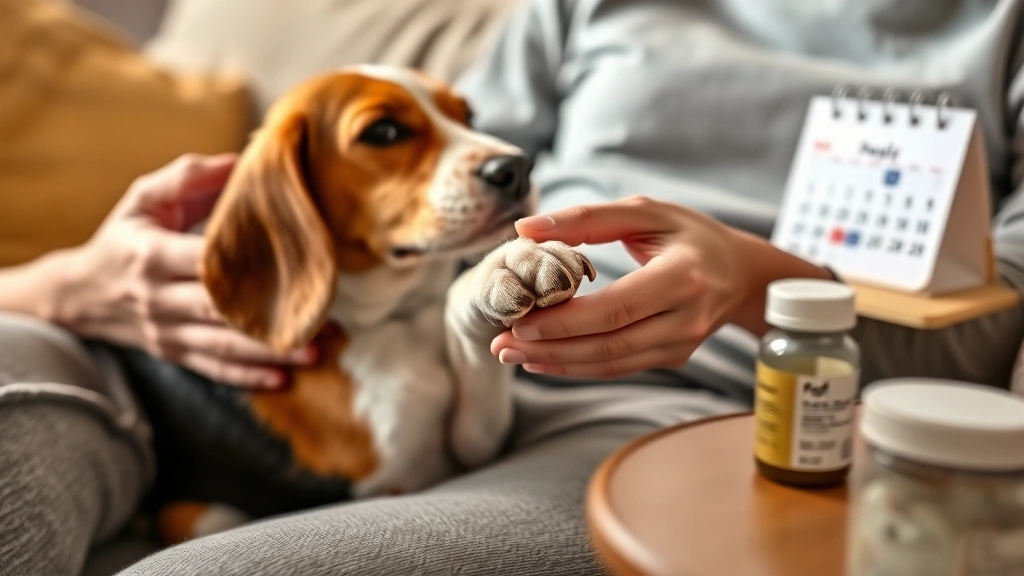
Between vet visits, watch for signs that the medication might need adjustment. These could include changes in thirst, appetite, or energy levels. If you notice anything unusual, contact your veterinarian—they may want to run additional tests or modify the treatment plan.
Common Challenges and How to Address Them
Some dog owners struggle with administering injections, while others worry about hypoglycemia (low blood sugar). These concerns are completely valid, and your vet can help you overcome them.
If you’re nervous about giving injections, ask your vet to walk you through the process step-by-step. Most injections are small and relatively painless for your dog. If you’re concerned about low blood sugar episodes, your vet can teach you to recognize the signs—trembling, confusion, or seizures—and what to do if they occur.
Diet and Exercise: Partners in Medication Management
Medication is only part of the diabetes management puzzle. A consistent diet and regular exercise routine work alongside medication to keep your dog’s blood sugar stable. Many vets recommend a high-protein, low-carbohydrate diet for diabetic dogs, as this helps prevent blood sugar spikes.
Talk to your vet about the best diet for your dog and stick with it. Sudden diet changes can affect how well medications work. Similarly, regular exercise helps your dog’s body use glucose more efficiently, which may even reduce medication needs over time.
Understanding Insulin Types and Administration
If your dog requires insulin therapy, your vet will explain which type they’re prescribing. Common types include NPH insulin, glargine, and detemir. Each has different onset times and duration of action, which affects how often your dog needs injections.
Most diabetic dogs do well on twice-daily insulin injections, though some may need a different schedule. Your vet will provide detailed instructions on how to store insulin, prepare the injection, and administer it properly. Never adjust insulin dosages on your own—always work with your veterinarian.
When to Seek Emergency Care
While diabetes is manageable, certain situations require immediate veterinary attention. If your dog shows signs of diabetic ketoacidosis—such as vomiting, lethargy, fruity-smelling breath, or rapid breathing—seek emergency care immediately. These symptoms suggest that blood sugar control has become critically unstable.
Similarly, if your dog experiences severe hypoglycemia symptoms like seizures or loss of consciousness, call your emergency vet right away. If you are unsure whether your pet needs urgent care, a quick telehealth check-in can give you peace of mind—no appointment needed.
Working With Your Veterinarian Long-Term
Managing your dog’s diabetes is a partnership between you and your vet. Regular communication ensures that your dog’s treatment plan stays effective as they age and their health needs evolve. Some dogs even enter remission with proper management, though this is more common in cats.

Keep detailed records of your dog’s medications, blood glucose readings, appetite, and any changes you notice. Bring these notes to vet appointments—they help your veterinarian make informed decisions about your dog’s care. For more information on what causes diabetes in the first place, check out our guide on dog diabetes causes.
Medication Storage and Safety
Proper storage of diabetes medications is crucial for maintaining their effectiveness. Most insulin must be refrigerated before use and kept at room temperature once opened. Always check the label for specific storage instructions.
Keep medications out of reach of children and other pets. If you accidentally give your dog a double dose, contact your vet immediately—don’t wait to see if symptoms develop. Store emergency contact information for your vet and a nearby emergency clinic in an easily accessible place.
Frequently Asked Questions
Can I adjust my dog’s medication dosage myself?
No—always work with your veterinarian to adjust medication dosages. They use blood glucose tests to determine the right dose for your dog’s individual needs.
How often will my dog need blood tests?
Initially, your vet may recommend blood tests every few weeks to monitor response to medication. Once stable, many dogs need testing every 3-6 months or as recommended by your vet.
What happens if I miss a dose of my dog’s medication?
If you miss a dose, give it as soon as you remember—unless it’s almost time for the next dose. Never double up on doses. Contact your vet if you’re unsure.
Are there side effects to diabetes medications?
Most dogs tolerate diabetes medications well, but some may experience mild side effects. Always report any changes in behavior, appetite, or health to your vet.
Can diet changes help reduce medication needs?
Yes—a proper diet and consistent exercise can significantly improve blood sugar control and may reduce medication requirements over time. Work with your vet to optimize your dog’s nutrition.
What To Do Now
- Schedule a detailed consultation with your veterinarian to review your dog’s specific medication plan, including administration technique and storage requirements.
- Create a medication schedule using phone reminders or a pill organizer to ensure consistent, on-time administration every single day.
- Keep a health journal documenting your dog’s medications, blood glucose readings (if you’re monitoring at home), appetite, water intake, and any behavioral changes to share with your vet.
- Ask your vet about upcoming blood tests and mark the dates on your calendar—regular monitoring is essential for adjusting dosages as needed.
- Learn the signs of hypoglycemia and hyperglycemia so you can recognize if your dog’s blood sugar is out of range and know when to contact your vet.
Summary
Managing your dog’s diabetes with the right medication dosage guide might seem complex at first, but it’s absolutely manageable with veterinary guidance and consistency. Your dog’s diabetes diagnosis is not a death sentence—many dogs with well-managed diabetes live happy, comfortable lives for years.
Work closely with your veterinarian, stay consistent with medication administration, combine treatment with proper diet and exercise, and monitor your dog regularly. If your dog has other health concerns alongside diabetes, like kidney disease or liver issues, your vet can help you manage these conditions together. Remember, you’re doing a great job by seeking out information and taking your dog’s health seriously. Your dedication makes all the difference in your dog’s quality of life.