
If your dog has been shaking their head constantly, scratching at their ears until they bleed, or emitting a foul odor from the ear canal, you’re likely dealing with a dog ear infection emergency signs that demand immediate attention. Ear infections in dogs are surprisingly common, but knowing which symptoms warrant urgent care can mean the difference between a quick recovery and serious complications.
Table of Contents
- Why Dog Ear Infections Become Emergencies
- Sign #1: Severe Head Shaking and Violent Scratching
- Sign #2: Foul Odor and Discharge
- Sign #3: Visible Swelling, Redness, or Discharge in the Ear Canal
- Sign #4: Loss of Balance, Head Tilting, or Circling
- Sign #5: Fever, Lethargy, or Loss of Appetite
- Sign #6: Sensitivity to Touch and Behavioral Changes
- Sign #7: Hearing Loss or Unresponsiveness to Sound
- When to Seek Emergency Care vs. Regular Appointment
- What You Can Do Right Now
- Understanding the Progression of Ear Infections
- Common Causes Behind Serious Ear Infections
- What to Expect at Your Veterinary Appointment
- Frequently Asked Questions
- Summary: Staying Alert to Dog Ear Infection Emergency Signs
This article is for informational purposes only and is not a substitute for professional veterinary advice. Always consult a licensed veterinarian for diagnosis and treatment.
The good news? Most ear infections respond well to prompt treatment. By recognizing the warning signs early, you’re already taking the right steps to protect your furry friend.
Why Dog Ear Infections Become Emergencies
Your dog’s ear canal is a warm, moist environment—perfect for bacteria and yeast to thrive. What starts as mild irritation can escalate rapidly if left untreated. The longer an infection lingers, the deeper it penetrates, potentially reaching the middle and inner ear.
When infection reaches the inner ear, it can affect your dog’s balance, hearing, and neurological function. This is why recognizing dog ear infection emergency signs early is so critical. Catching this early puts you in a great position to help your pup recover quickly.
Sign #1: Severe Head Shaking and Violent Scratching
Mild itching is one thing—but when your dog is shaking their head so hard you worry about whiplash, that’s a red flag. Violent, persistent scratching at the ears, especially if your dog is drawing blood or creating open sores, indicates significant discomfort and inflammation.
This behavior suggests the infection has progressed beyond the outer ear canal. Your dog may be experiencing intense pain and inflammation that requires professional intervention. If you notice your dog losing fur around the ears from constant scratching, this warrants urgent evaluation.
Sign #2: Foul Odor and Discharge
A healthy dog’s ears should have minimal odor. A strong, unpleasant smell emanating from the ear canal—especially a yeasty, musty, or fishy scent—signals bacterial or yeast overgrowth. This is one of the most reliable dog ear infection emergency signs.
Similarly, if you notice discharge that’s thick, discolored (brown, yellow, or greenish), or particularly pungent, your dog could be experiencing a serious infection. The discharge itself can spread the infection deeper into the ear structure, so professional treatment becomes urgent.
Sign #3: Visible Swelling, Redness, or Discharge in the Ear Canal
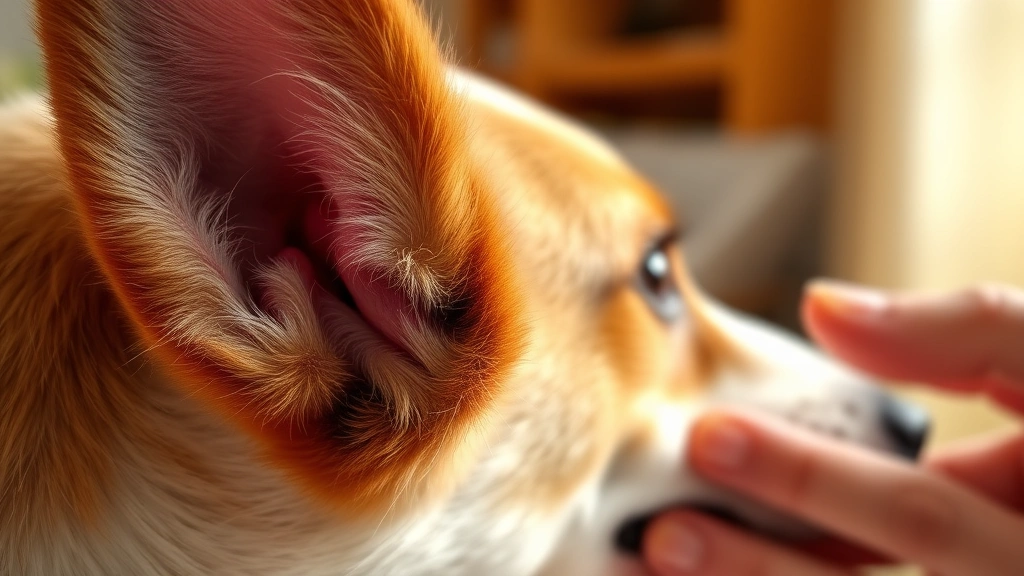
Take a gentle look inside your dog’s ear if they’ll let you. Normal ear tissue should be pale pink and relatively dry. Bright red, swollen tissue is a sign of significant inflammation and infection.
If you see pus, blood, or crusty buildup in the canal, your dog needs veterinary care promptly. These visual signs indicate the infection is severe enough to cause tissue damage. Catching this visually while it’s still in the early stages can prevent progression to the middle or inner ear.
Sign #4: Loss of Balance, Head Tilting, or Circling
This is one of the most serious dog ear infection emergency signs. When infection reaches the inner ear, it affects the vestibular system—the part of the brain responsible for balance and spatial orientation.
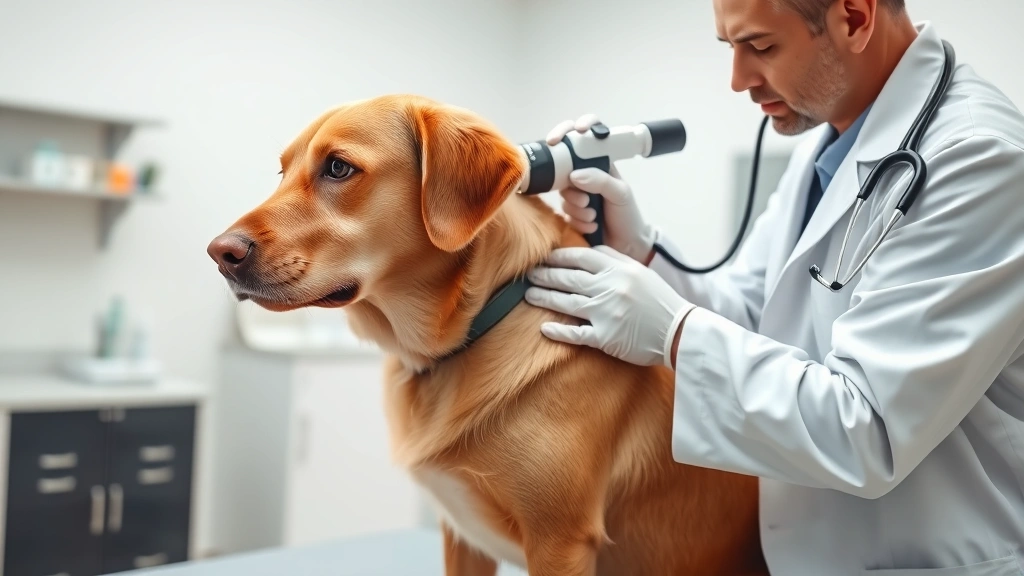
If your dog is tilting their head persistently, circling in one direction, or seeming uncoordinated or dizzy, seek veterinary care immediately. These neurological symptoms indicate the infection has progressed significantly. Your dog may also appear confused or disoriented, which is deeply concerning and requires urgent evaluation.
Sign #5: Fever, Lethargy, or Loss of Appetite
When a dog’s body is fighting a serious infection, systemic symptoms appear. If your dog is unusually tired, reluctant to play, or refusing food, the infection may have triggered a whole-body immune response.
A fever (normal dog temperature is 101–102.5°F) suggests the infection is spreading beyond the ear canal. Lethargy combined with ear infection symptoms is a strong indicator that professional care is needed urgently. These systemic signs mean your dog’s body is working hard to fight the infection.
Sign #6: Sensitivity to Touch and Behavioral Changes
Dogs in pain often become defensive or withdrawn. If your normally friendly dog yelps when you touch their ear or head, or if they’re hiding and avoiding interaction, they’re signaling serious discomfort.
Some dogs become irritable or aggressive when their ears hurt—this is purely pain-driven behavior, not a personality change. If your dog’s behavior shifts suddenly alongside ear symptoms, it’s worth getting them checked. Catching behavioral changes early helps prevent escalation and gives your vet crucial diagnostic information.
Sign #7: Hearing Loss or Unresponsiveness to Sound
If your dog seems to ignore sounds they normally respond to, or if they’re not reacting to their name or familiar noises, ear infection may be affecting their hearing. While some hearing loss can be temporary, it’s still a serious sign.
Inner ear infections can cause permanent hearing damage if not treated promptly. If you notice your dog missing auditory cues they normally catch, this warrants urgent veterinary evaluation.
When to Seek Emergency Care vs. Regular Appointment
Not every ear infection requires an emergency room visit, but certain situations do. Seek emergency care immediately if your dog shows:
- Signs of inner ear infection (head tilting, circling, loss of balance)
- High fever combined with ear infection symptoms
- Severe bleeding from the ear canal
- Signs of pain so severe your dog won’t let you touch their head
- Sudden behavioral changes or apparent confusion
For milder symptoms—redness, odor, or modest scratching—a regular veterinary appointment within 24–48 hours is appropriate. However, don’t delay. Ear infections worsen quickly, and early intervention prevents complications.
What You Can Do Right Now
- Stop home remedies and resist the urge to clean the ear canal yourself. You could push infection deeper or cause additional trauma. Let your vet handle cleaning and treatment.
- Prevent your dog from scratching further. If necessary, use a soft cone collar (E-collar) to minimize self-trauma while you wait for your appointment.
- Keep the ear dry. Avoid baths or water exposure until your vet has evaluated the ear. Moisture accelerates bacterial and yeast growth.
- Note the symptoms you’re seeing. Write down when the scratching started, what the discharge looks like, any behavioral changes, and whether your dog seems feverish. This information helps your vet diagnose faster.
- Contact your veterinarian or consider a telehealth consultation. If you’re unsure whether your pet needs urgent care, a quick telehealth check-in can give you peace of mind—no appointment needed. An online vet for dog ear infection can assess your dog’s symptoms and advise whether in-person evaluation is necessary.
Understanding the Progression of Ear Infections
Ear infections typically progress through three stages: outer ear (otitis externa), middle ear (otitis media), and inner ear (otitis interna). Each stage carries increasing risk and complexity.
Outer ear infections are most common and often respond quickly to treatment. Middle ear infections begin when bacteria or yeast cross the eardrum. Inner ear infections are serious and can cause permanent damage if untreated. Understanding this progression underscores why catching dog ear infection emergency signs early matters so much.
Common Causes Behind Serious Ear Infections
Certain breeds—particularly those with floppy ears like Cocker Spaniels, Basset Hounds, and Labrador Retrievers—are predisposed to ear infections. Their ear structure traps moisture and debris, creating ideal conditions for infection.
Allergies (food, environmental, or contact) are another major culprit. Dogs with allergies experience chronic inflammation that makes their ears vulnerable to secondary bacterial or yeast infections. Swimming, water exposure, and poor ear hygiene also increase risk. Understanding your dog’s risk factors helps you stay vigilant about early warning signs.
What to Expect at Your Veterinary Appointment
Your vet will perform an otoscopic exam—looking deep into the ear canal with a special instrument. They may take a sample of discharge to identify whether bacteria, yeast, or both are present. This helps them prescribe the most effective treatment.
Depending on severity, your vet may recommend ear cleaning (which should only be done by professionals), topical medications, oral antibiotics, or antifungal treatments. In severe cases, they may refer you to a veterinary dermatologist or specialist. Emergency vet consultation online can help you understand next steps if you’re concerned about your dog’s condition.
Frequently Asked Questions
Can a dog ear infection go away on its own?
Mild outer ear infections might improve temporarily, but most progress without treatment. Untreated infections almost always worsen and spread deeper into the ear structure, leading to complications.
How quickly do ear infections become serious?
Some infections progress from mild to serious within days. If your dog shows signs of inner ear involvement or systemic illness, seek care immediately—don’t wait.
Is a dog ear infection contagious to other pets?
Bacterial and yeast ear infections aren’t typically contagious between dogs, but parasitic ear mites are. Your vet will determine the cause and advise accordingly.
What’s the difference between a yeast and bacterial ear infection?
Yeast infections often smell musty or like corn chips and cause itching. Bacterial infections typically produce thicker discharge and foul odor. Your vet can identify which through microscopy or culture.
Can I use over-the-counter ear drops on my dog?
Over-the-counter products may temporarily mask symptoms but won’t treat the underlying infection. Using the wrong product can actually worsen the condition or damage the eardrum if it’s already compromised.
Summary: Staying Alert to Dog Ear Infection Emergency Signs
Dog ear infection emergency signs range from obvious (severe discharge, foul odor) to subtle (mild head tilting, slight hearing loss). The key is taking any ear-related symptom seriously and seeking professional evaluation promptly.
Your dog can’t tell you their ears hurt—they can only show you through behavior and physical signs. By staying alert to these seven critical warnings, you’re empowered to catch infections early and prevent serious complications.
Remember: early intervention leads to faster recovery, less suffering for your dog, and often simpler, less expensive treatment. Trust your instincts. If something feels off with your dog’s ears, it probably is. Reach out to your veterinarian or talk to a vet about dog ear infection online for guidance. Your dog is counting on you.