
If your aging dog has been scratching at their ears more than usual, shaking their head constantly, or developing a funky smell around their ear area, you’re likely dealing with a dog ear infection in senior pets—and you’re definitely not alone. Ear infections are one of the most common complaints veterinarians hear from owners of older dogs, and the good news is that they’re highly treatable when caught early.
Table of Contents
- Why Senior Dogs Are More Susceptible to Ear Infections
- Recognizing the Signs of Ear Infections in Aging Dogs
- Understanding the Root Causes Before Treatment
- Treatment Option 1: Professional Ear Cleaning and Flushing
- Treatment Option 2: Topical Ear Medications
- Treatment Option 3: Oral Antibiotics or Antifungals
- Treatment Option 4: Anti-Inflammatory Medications
- Treatment Option 5: Managing Underlying Allergies
- Treatment Option 6: Ear Maintenance and Home Care
- Treatment Option 7: Addressing Systemic Health Issues
- When to Seek Urgent Veterinary Care
- What To Do Now
- Summary: Taking Action for Your Senior Dog’s Ear Health
- Frequently Asked Questions
This article is for informational purposes only and is not a substitute for professional veterinary advice. Always consult a licensed veterinarian for diagnosis and treatment.
Senior dogs face unique challenges when it comes to ear health. Their immune systems aren’t quite as robust as they once were, their skin becomes more sensitive, and any underlying health conditions can make them more prone to infections. The silver lining? You’ve likely already learned a lot about caring for your dog over the years, and catching an ear infection early puts you in a great position to help your furry friend feel better fast.
Why Senior Dogs Are More Susceptible to Ear Infections
As dogs age, several factors conspire to make their ears more vulnerable. Their ear canals naturally become narrower and more prone to moisture buildup, creating the perfect environment for bacteria and yeast to thrive. Additionally, senior dogs often have weakened immune systems that struggle to fight off infections as effectively as younger pups.
Chronic conditions like dog skin allergies become increasingly common in older dogs, and allergies are a leading cause of ear infections. If your senior dog has dealt with allergies throughout their life, their ears may be particularly vulnerable now.
Hormonal changes, reduced ear canal self-cleaning ability, and increased wax production all contribute to the problem. Think of it as your dog’s ears becoming a bit more high-maintenance with age—much like many other aspects of senior pet care.
Recognizing the Signs of Ear Infections in Aging Dogs
The symptoms of a dog ear infection in senior pets can vary depending on whether the infection is bacterial, fungal, or yeast-based. However, some telltale signs should prompt you to schedule a vet visit right away:
- Persistent scratching, pawing, or rubbing of the ears
- Head shaking or tilting to one side
- Redness, swelling, or discharge from the ear canal
- A strong, unpleasant odor coming from the ears
- Crusty or scaly skin around the ear flaps
- Balance issues or loss of coordination (sign of inner ear involvement)
- Behavioral changes like irritability or reluctance to be touched on the head
Catching these symptoms early is crucial. Left untreated, an ear infection can progress from the outer ear to the middle and inner ear, potentially causing permanent hearing loss or neurological complications. The good news is that most outer ear infections respond beautifully to prompt treatment.
Understanding the Root Causes Before Treatment
Before jumping into treatment options, it’s worth understanding what caused the infection in the first place. Your veterinarian will likely perform an otoscopic exam and may take a sample to identify whether you’re dealing with bacteria, yeast, or mites.
Common underlying causes include allergies, ear mites, moisture trapped in the ear canal, foreign objects, or a buildup of wax and debris. For senior dogs, allergies and yeast overgrowth are the most frequent culprits. If your older dog has skin allergies, their ears are almost certainly affected too.
Understanding the root cause helps ensure that treatment addresses the problem, not just the symptoms. This is especially important for senior dogs, where recurrent infections can significantly impact quality of life.
Treatment Option 1: Professional Ear Cleaning and Flushing
Often the first line of defense, professional ear cleaning by your veterinarian removes built-up debris, wax, and infectious material from the ear canal. This alone can provide significant relief and may be enough to resolve mild infections.
During a professional cleaning, your vet uses specialized equipment and solutions designed to safely flush the ear canal without damaging the delicate structures inside. For senior dogs with compromised mobility, this hands-off approach is often preferable to at-home treatments that require repeated handling.
Many vets recommend follow-up cleanings every 7-14 days depending on the severity of the infection. Your veterinarian will guide you on the frequency needed for your individual dog.
Treatment Option 2: Topical Ear Medications
Topical ear drops or ointments are the most commonly prescribed treatment for dog ear infections in senior pets. These medications are applied directly into the ear canal and work locally to fight infection while minimizing systemic side effects—a real advantage for older dogs who may be taking other medications.
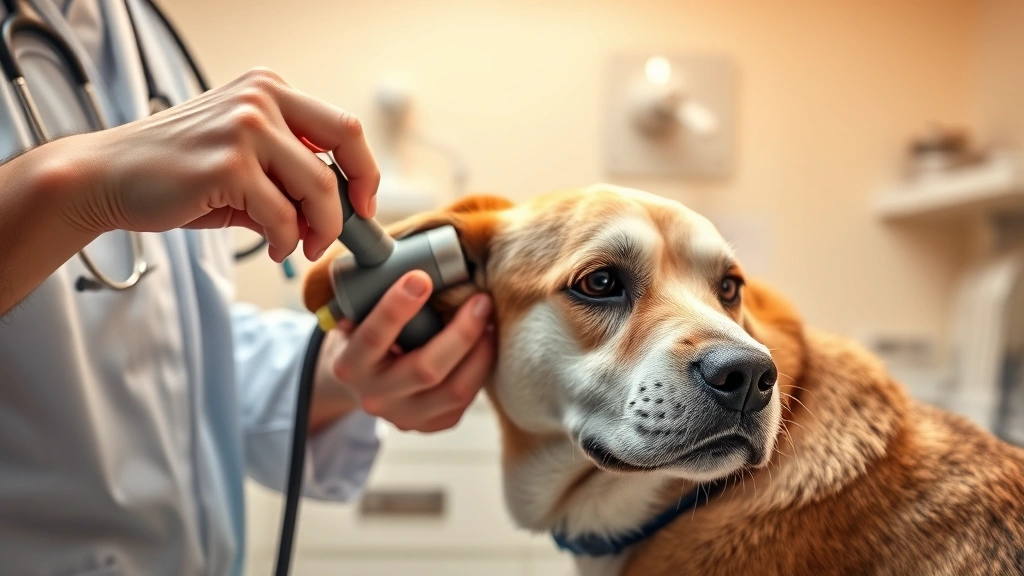
Your veterinarian will prescribe the appropriate medication based on the type of infection identified. Some formulations combine antibiotics, antifungals, and anti-inflammatory agents in a single product for comprehensive treatment.
The key to success with topical treatments is consistency. You’ll typically apply medication once or twice daily for 7-14 days, even if your dog seems better before the course is complete. Stopping early can allow the infection to resurface, so set phone reminders if needed to stay on track.
Treatment Option 3: Oral Antibiotics or Antifungals
When infections are severe, involve the middle or inner ear, or when topical treatments alone aren’t sufficient, your vet may prescribe oral medications. These systemic treatments circulate through your dog’s bloodstream to fight infection from within.
Oral medications can be particularly helpful for senior dogs with mobility issues or those who are uncooperative with ear drop administration. However, your veterinarian will consider your dog’s kidney and liver function before prescribing, as older dogs sometimes need adjusted dosages.
The duration of oral treatment typically ranges from 7-28 days depending on the infection severity. Always complete the full course as prescribed, even if symptoms improve earlier.
Treatment Option 4: Anti-Inflammatory Medications
Inflammation in the ear canal causes much of the discomfort your senior dog experiences. Anti-inflammatory medications reduce swelling, redness, and pain, making your dog more comfortable while the infection-fighting medications do their work.
These may be prescribed as part of combination ear drops or as separate oral medications. For senior dogs, anti-inflammatory treatment can make a noticeable difference in their quality of life during the healing process.
Your veterinarian will balance the benefits of inflammation reduction against any potential risks for your individual dog’s health profile.
Treatment Option 5: Managing Underlying Allergies
If allergies are driving your senior dog’s ear infections, addressing the allergy is crucial for preventing recurrence. Many older dogs benefit from dietary adjustments, omega-3 supplementation, or allergy medications that reduce inflammation and itching throughout the body.
Your vet may recommend an elimination diet trial or allergy testing to identify specific triggers. For some senior dogs, switching to a limited-ingredient or prescription diet provides dramatic improvement in ear health.
Regular use of allergy treatment options can significantly reduce ear infection frequency and severity. Think of it as addressing the root problem rather than just treating symptoms.
Treatment Option 6: Ear Maintenance and Home Care
Between veterinary visits, proper ear maintenance helps prevent infection recurrence and supports healing. This includes regular gentle cleaning with vet-approved solutions, keeping ears dry after baths, and monitoring for early signs of trouble.
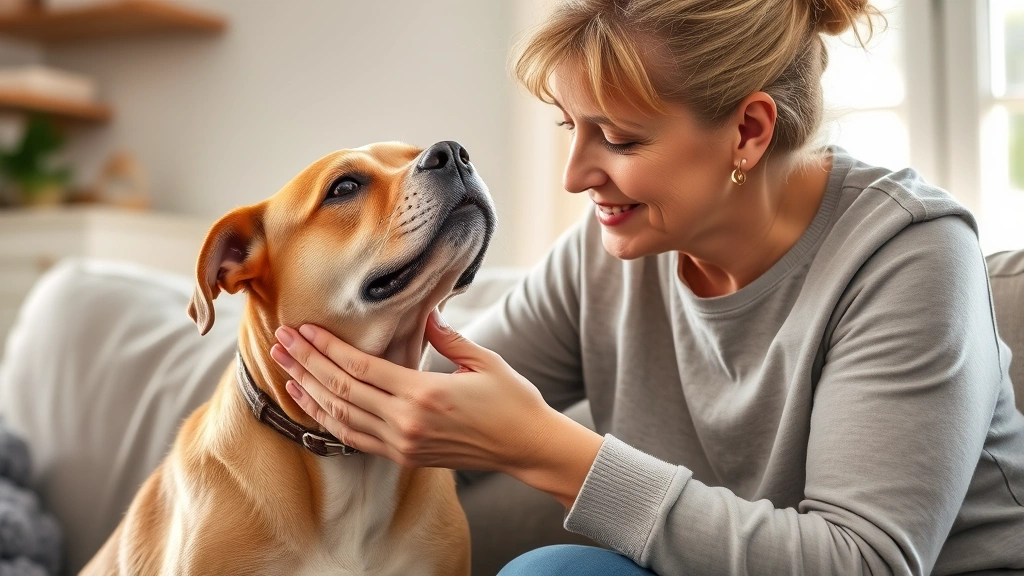
For senior dogs, the goal is to make home care as simple as possible. Your veterinarian can recommend specific products and demonstrate the gentlest technique for your dog’s comfort. Many older dogs tolerate ear care better when it’s part of a calm, routine ritual.
Simple steps like drying ears thoroughly after swimming or bathing, plucking excess hair from the ear canal (if your vet recommends it), and using preventative ear solutions can dramatically reduce infection frequency.
Treatment Option 7: Addressing Systemic Health Issues
Senior dogs with conditions like liver disease or diabetes may experience compromised immune function that makes ear infections more likely. Optimizing treatment of these underlying conditions supports better ear health overall.
Your veterinarian will consider your dog’s complete health picture when developing an ear infection treatment plan. Managing blood sugar levels, supporting liver function, and maintaining good nutrition all contribute to better immune response and faster healing.
Regular wellness checks become even more important for senior dogs, as catching and managing systemic issues early prevents complications that could worsen ear infections.
When to Seek Urgent Veterinary Care
Most ear infections can be managed on an outpatient basis, but some situations require prompt veterinary attention. If your senior dog develops severe pain, discharge with blood, sudden hearing loss, or balance problems, don’t wait for a regular appointment.
These signs could indicate inner ear involvement, which is more serious and requires immediate evaluation. If you’re unsure whether your pet needs urgent care, a quick telehealth check-in with a veterinarian can give you peace of mind—no appointment needed.
Trust your instincts. You know your dog best, and if something feels wrong, it’s always better to err on the side of caution with senior pets.
What To Do Now
- Schedule a veterinary appointment this week if you notice any signs of ear infection, or use The Pet Vet telehealth service for a quick initial assessment if you’re unsure whether symptoms warrant an urgent visit.
- Document your dog’s symptoms (scratching frequency, odor, discharge color) and any recent changes in diet, environment, or activity to share with your veterinarian.
- Gently inspect your dog’s ears daily for changes, but avoid inserting anything into the ear canal—leave cleaning to your vet.
- Once treatment begins, set phone reminders to ensure you apply medications consistently and complete the full course as prescribed.
- Ask your veterinarian about long-term prevention strategies specific to your senior dog’s health profile and allergy history.
Summary: Taking Action for Your Senior Dog’s Ear Health
Dog ear infections in senior pets are common, but they’re also highly treatable when you act quickly. Whether your older dog needs professional cleaning, topical medications, oral antibiotics, or a combination of approaches, modern veterinary care offers excellent solutions.
The key is recognizing symptoms early, addressing underlying causes like allergies, and staying consistent with treatment. With proper care, most senior dogs recover fully and can enjoy years of comfortable, itch-free ears ahead.
Your senior dog has given you years of love and companionship. Taking swift action on ear infections is one of the best ways to return that devotion and ensure their golden years remain truly golden.
Frequently Asked Questions
How long does it take to treat a dog ear infection in senior pets?
Most ear infections show improvement within 7-14 days of starting treatment, though complete resolution may take 2-4 weeks depending on severity and the underlying cause.
Can ear infections in senior dogs become permanent?
If left untreated, severe infections can cause permanent hearing loss or chronic ear damage. Early treatment prevents these complications and preserves your dog’s quality of life.
Are senior dogs more likely to get recurring ear infections?
Yes, older dogs are more prone to recurrent infections, especially if allergies are involved. Managing underlying allergies and maintaining good ear hygiene significantly reduces recurrence rates.
Is it safe to treat my senior dog’s ear infection at home?
Professional veterinary diagnosis is essential before starting any treatment, as different infections require different medications. Home care can support treatment but shouldn’t replace professional evaluation.
What’s the difference between an outer ear and inner ear infection in dogs?
Outer ear infections affect the visible ear canal and are most common and treatable. Inner ear infections are more serious and may cause balance problems or hearing loss, requiring prompt veterinary intervention.