
When your dog’s ear infection goes untreated or becomes chronic, you might wonder how it could affect their overall health and lifespan—but the good news is that dog ear infection life expectancy remains excellent when you catch and treat the problem early. Most dogs recover fully from ear infections with proper veterinary care, and the condition itself rarely threatens their long-term survival. However, understanding how to recognize, treat, and prevent ear infections is crucial to keeping your furry friend comfortable and healthy for years to come.
Table of Contents
- Understanding Dog Ear Infections and Prognosis
- Why Early Detection Matters for Your Dog’s Health
- Common Signs Your Dog May Be Experiencing an Ear Infection
- What Causes Dog Ear Infections and Risk Factors
- Treatment Options and Recovery Timeline
- How to Care for Your Dog During Treatment
- Preventing Future Ear Infections
- When to Seek Immediate Veterinary Care
- Long-Term Outlook for Dogs with Ear Infections
- Special Considerations for Puppies and Older Dogs
- Frequently Asked Questions
- What To Do Now
- Summary: Your Dog’s Ear Infection Outlook
This article is for informational purposes only and is not a substitute for professional veterinary advice. Always consult a licensed veterinarian for diagnosis and treatment.
Understanding Dog Ear Infections and Prognosis
Dog ear infections are incredibly common, affecting millions of pets each year. The good news? They’re highly treatable, and your dog’s life expectancy isn’t threatened by an ear infection itself. What matters most is how quickly you respond and how consistently you follow your vet’s treatment plan.
Ear infections typically fall into three categories: external otitis (affecting the outer ear canal), middle otitis (the middle ear), and inner otitis (the inner ear). The deeper the infection spreads, the more important prompt treatment becomes. Catching this early puts you in a great position to help your dog feel better fast.
Why Early Detection Matters for Your Dog’s Health
Your dog’s ear canal is warm, moist, and dark—the perfect environment for bacteria, yeast, and other organisms to thrive. When left untreated, what starts as a surface-level infection can progress deeper into the ear, potentially affecting hearing or balance.
The key to protecting your dog’s long-term health is recognizing the warning signs before the infection becomes severe. Early intervention means shorter treatment times, less discomfort for your pup, and a significantly lower risk of complications. Your dog’s quality of life depends on you catching these signs early.
Common Signs Your Dog May Be Experiencing an Ear Infection
Dogs can’t tell us when their ears hurt, so we have to watch for behavioral clues. Here are the most common signs:
- Excessive scratching, pawing, or rubbing at the ears
- Head tilting or shaking
- Redness or swelling inside the ear flap
- Unusual discharge (yellowish, brown, or bloody)
- Foul odor coming from the ear
- Sensitivity to touch around the ear area
- Changes in behavior (lethargy, irritability, or reluctance to play)
- Loss of balance or coordination (in severe cases)
If you notice any of these symptoms, don’t wait. A quick consultation with a dog vet online can help you determine if your pup needs immediate care.
What Causes Dog Ear Infections and Risk Factors
Understanding what causes ear infections can help you prevent them in the future. Allergies are the leading culprit, followed by moisture buildup, parasites, and bacterial or yeast overgrowth.
Certain breeds are more prone to ear infections, particularly those with floppy ears like Cocker Spaniels, Basset Hounds, and Labrador Retrievers. Dogs that love swimming or have excessive ear hair are also at higher risk. If your dog has any of these risk factors, staying vigilant is especially important.
Other contributing factors include:
- Underlying skin allergies or food sensitivities
- Excess ear wax or debris buildup
- Foreign objects lodged in the ear canal
- Hormonal imbalances or autoimmune conditions
- Poor ear hygiene or infrequent cleaning
Treatment Options and Recovery Timeline
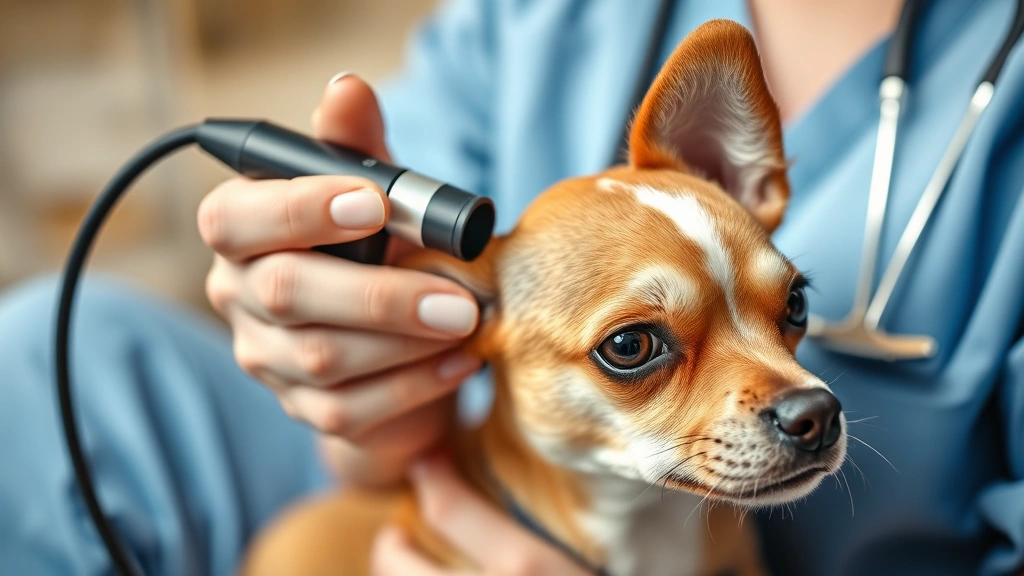
The treatment approach depends on the type and severity of the infection. Your veterinarian will likely perform an ear examination and possibly take a sample to determine whether bacteria, yeast, or both are causing the problem.
Most external ear infections respond well to topical treatments within 7-14 days. Your vet may prescribe ear drops, cleansing solutions, or oral medications depending on what they find. Middle and inner ear infections may require longer treatment courses and sometimes oral antibiotics or antifungals.
Consistency is critical during recovery. Missing doses or stopping treatment early can allow the infection to return or worsen. If you’re unsure whether your pet needs urgent care, a quick telehealth check-in can give you peace of mind—no appointment needed.
How to Care for Your Dog During Treatment
Supporting your dog through an ear infection involves more than just administering medication. Here’s what you can do at home:
- Keep the ear clean and dry: Gently wipe away any discharge with a soft cloth. Avoid inserting anything deep into the ear canal.
- Administer medications exactly as prescribed: Set phone reminders if needed to ensure you don’t miss doses.
- Prevent water from entering the ear: Use cotton balls or specialized ear covers during baths or swimming.
- Monitor for improvement: Track when scratching decreases and any discharge clears up.
- Schedule a follow-up appointment: Your vet may want to recheck the ear to confirm the infection has cleared.
Preventing Future Ear Infections
Once your dog recovers, prevention becomes your best friend. Regular ear maintenance can dramatically reduce the likelihood of recurrent infections. For dogs prone to ear issues, weekly inspections and gentle cleaning can make a huge difference.
If your dog has floppy ears, consider having excess hair plucked by a groomer to improve air circulation. After swimming or baths, always dry the ears thoroughly. Some vets recommend periodic ear cleaning with a vet-approved solution, especially for high-risk breeds.
Addressing underlying allergies is equally important. If your dog has food or environmental allergies, working with your vet to manage these can prevent the inflammation that leads to ear infections in the first place.
When to Seek Immediate Veterinary Care
Most ear infections aren’t emergencies, but certain signs warrant urgent attention. If your dog shows signs of severe pain, loss of balance, neurological symptoms, or discharge that looks bloody or pus-filled, contact your vet immediately.
Additionally, if an infection hasn’t improved after a week of treatment or keeps returning, your dog may need a different approach or further diagnostics. Don’t hesitate to reach out for immediate vet consultation if you’re concerned about your pup’s condition.
Long-Term Outlook for Dogs with Ear Infections
The prognosis for dogs with ear infections is overwhelmingly positive. With proper treatment, most dogs make a complete recovery and return to normal within weeks. Even dogs prone to chronic ear issues can live long, happy lives with consistent management and preventative care.

Your dog’s ear infection life expectancy is not negatively affected by the infection itself—what matters is preventing serious complications through timely treatment and ongoing care. Many dogs never experience a second ear infection once the first one is properly treated and underlying causes are addressed.
Special Considerations for Puppies and Older Dogs
Puppies may experience ear infections more frequently as their immune systems develop. If your young pup is struggling with recurrent infections, an online vet for puppy ear infection can provide guidance on early intervention strategies.
Senior dogs may have more difficulty fighting infections due to weakened immunity, but age itself doesn’t make ear infections more dangerous—just potentially more frequent. Regular monitoring becomes even more important as your dog ages.
Frequently Asked Questions
Can an ear infection kill a dog?
No, a typical ear infection will not kill your dog. However, untreated inner ear infections can occasionally lead to serious complications like meningitis, which is why prompt treatment matters.
How long do ear infections last in dogs?
Most external ear infections clear up within 7-14 days with proper treatment. Middle and inner ear infections may take several weeks.
Will my dog lose hearing from an ear infection?
Temporary hearing loss can occur during infection, but it typically resolves once the infection clears. Permanent hearing loss is rare unless the infection reaches the inner ear and causes severe damage.
Are dog ear infections contagious to other pets?
Some causes of ear infections (like certain mites) can spread between pets, while others (like yeast) cannot. Your vet can advise on isolation precautions if needed.
What’s the difference between ear infections and ear mites?
Ear mites are parasites that cause itching and discharge, while bacterial or yeast infections are microbial overgrowths. Both require different treatments, so proper diagnosis is essential.
What To Do Now
- Schedule a vet appointment today: If your dog is showing signs of an ear infection, don’t delay. Early treatment prevents complications and gets your pup feeling better faster.
- Document your dog’s symptoms: Write down when you first noticed scratching, what the discharge looks like, and any behavioral changes. This helps your vet make an accurate diagnosis.
- Examine your dog’s ears regularly: Starting now, check your dog’s ears weekly for redness, discharge, or odor so you catch problems early.
- Review your dog’s lifestyle: If your pup swims frequently or has floppy ears, plan preventative measures like post-swim ear drying or regular professional grooming.
- Ask your vet about allergy testing: If ear infections seem to recur, underlying allergies might be the root cause. Addressing this can prevent future infections.
Summary: Your Dog’s Ear Infection Outlook
Dog ear infection life expectancy remains excellent when you respond promptly to symptoms and follow your veterinarian’s treatment recommendations. These infections are common, treatable, and rarely life-threatening when caught early. The key is staying vigilant, recognizing warning signs, and taking action before the problem worsens.
Your dog depends on you to notice when something’s wrong. By understanding the signs, causes, and treatments for ear infections, you’re already taking important steps to protect your pup’s health and comfort. Remember, most dogs recover completely and go on to live long, happy lives free from ear problems—especially when you’re proactive about prevention and care.
If you ever feel uncertain about your dog’s ear health, don’t hesitate to reach out. Your veterinarian is your best resource, and modern telehealth options make it easier than ever to get professional guidance when you need it.