
When your dog starts shaking their head frantically or pawing at their ears out of nowhere, a dog ear infection sudden onset can feel like an emergency. One moment your pup seems fine, and the next they’re clearly uncomfortable—leaving you scrambling for answers and relief.
Table of Contents
- Understanding Sudden Ear Infections in Dogs
- Signs Your Dog May Be Experiencing a Sudden Ear Infection
- Why Do Ear Infections Come On So Fast?
- Remedy 1: Gentle Ear Cleaning at Home
- Remedy 2: Warm Compress for Pain Relief
- Remedy 3: Keep the Ear Dry and Clean
- Remedy 4: Dietary Support and Omega Supplements
- Remedy 5: Probiotic Support
- Remedy 6: Reduce Allergen Exposure
- Remedy 7: Professional Veterinary Treatment
- When to Seek Urgent Care
- Getting Help From The Pet Vet
- Preventing Future Sudden Ear Infections
- Frequently Asked Questions
- What To Do Now
- Summary: Moving Forward
This article is for informational purposes only and is not a substitute for professional veterinary advice. Always consult a licensed veterinarian for diagnosis and treatment.
The good news? Catching this early puts you in a great position to help. Sudden ear infections in dogs are common, treatable, and often respond well to prompt care. Let’s walk through what’s happening, why it’s happening, and what you can do right now to ease your dog’s discomfort while you work with your vet.
Understanding Sudden Ear Infections in Dogs
An ear infection doesn’t always develop gradually. Sometimes it strikes fast—within hours or a day or two. This sudden onset typically means bacteria, yeast, or both have found their way into your dog’s ear canal and are multiplying quickly.
The ear canal is warm, moist, and dark—basically a perfect breeding ground for these microorganisms. When conditions are just right (or wrong, rather), an infection can bloom suddenly. Your dog’s immune response kicks in, causing inflammation, redness, and that unmistakable discomfort you’re seeing right now.
Signs Your Dog May Be Experiencing a Sudden Ear Infection
Recognizing the symptoms early makes all the difference. Here’s what to watch for:
- Head shaking: Vigorous, repeated shaking—sometimes so intense it seems almost frantic
- Ear scratching or pawing: Your dog may scratch until the area becomes raw or inflamed
- Odor: A distinctly unpleasant, yeasty, or musty smell coming from the ear
- Visible discharge: Brown, yellow, or bloody waxy buildup in or around the ear
- Redness or swelling: The inner ear flap may look inflamed or tender
- Sensitivity to touch: Your dog may pull away when you try to examine or touch their ear
- Balance issues or tilted head: In severe cases, infection can affect the inner ear
- Behavioral changes: Irritability, reluctance to play, or unusual quietness
If you notice any combination of these signs appearing suddenly, your dog could be dealing with an infection that needs attention.
Why Do Ear Infections Come On So Fast?
Several factors can trigger a sudden ear infection. Understanding these helps you prevent future flare-ups once this one is resolved.
Water exposure: Swimming, baths, or even just moisture trapped in the ear canal creates the perfect breeding ground. If your dog recently took a dip or had a bath, this could be the culprit.
Allergies: Dogs with food or environmental allergies often experience ear infections as a secondary symptom. Allergies cause inflammation and excess wax production, which sets the stage for infection.
Ear mites or parasites: These tiny invaders irritate the ear canal, leading to scratching, damaged skin, and bacterial overgrowth.
Foreign objects: Grass seeds, dirt, or debris lodged in the ear can cause irritation and infection.
Underlying health conditions: Hormonal imbalances, autoimmune issues, or other systemic problems can lower your dog’s ability to fight off infection.
Breed predisposition: Dogs with floppy ears (Cocker Spaniels, Basset Hounds, Labrador Retrievers) are more prone to ear infections because air circulation is reduced.
Remedy 1: Gentle Ear Cleaning at Home
Before applying any treatment, you’ll want to gently clean away debris and discharge. This helps medications work more effectively and gives you a clearer view of what’s happening.
Here’s how to do it safely:
- Gather supplies: cotton balls (not cotton swabs), a gentle ear-cleaning solution approved for dogs, and treats for positive reinforcement
- Warm the solution slightly—not hot, just comfortably warm
- Saturate a cotton ball and gently wipe the visible parts of the ear canal
- Never push cotton into the ear; only clean what you can see
- Reward your dog with praise and treats to keep the experience positive
Avoid using hydrogen peroxide or alcohol-based solutions, as these can irritate already inflamed tissue. Ask your vet which ear-cleaning solution they recommend.
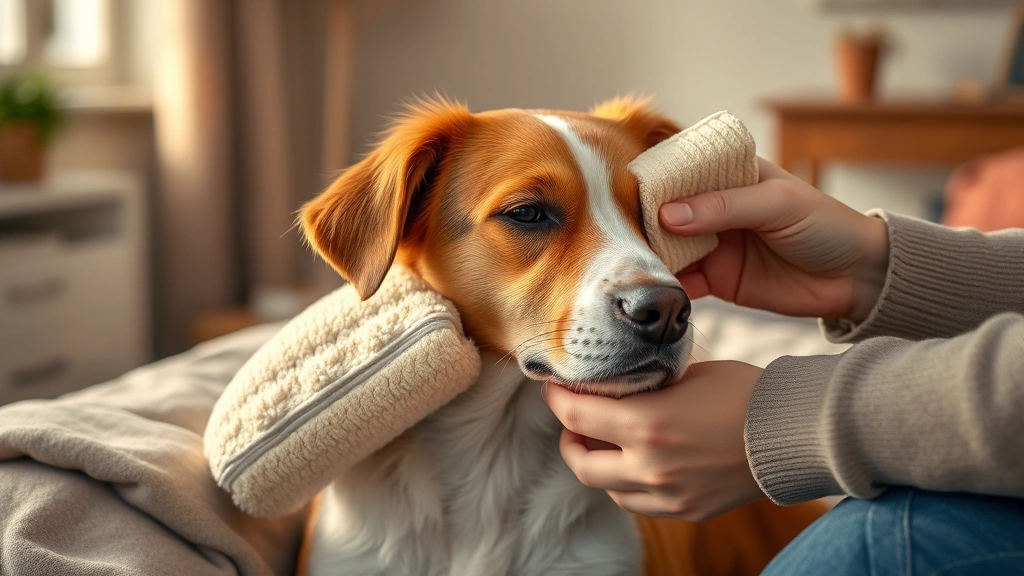
Remedy 2: Warm Compress for Pain Relief
A warm compress can ease your dog’s discomfort while you wait for veterinary care or while treatment takes effect. The warmth reduces inflammation and provides soothing relief.
Apply it this way:
- Warm a clean cloth with warm (not hot) water
- Gently hold it against the outside of your dog’s ear for 5–10 minutes
- Repeat 2–3 times daily as needed
- Always test the temperature on your inner wrist first to avoid burns
This simple remedy costs nothing and can noticeably reduce scratching and head shaking while you pursue veterinary treatment.
Remedy 3: Keep the Ear Dry and Clean
Moisture is the enemy when dealing with ear infections. Keeping the ear as dry as possible slows bacterial and yeast growth.
After baths or outdoor activities, gently dry your dog’s ears with a soft towel. If your dog swims or plays in water, consider using a cotton ball lightly coated with petroleum jelly in the ear opening (only the outer part) to repel water. Always remove it afterward.
Avoid getting water in the ears during baths. If your dog tolerates it, you can gently place a cotton ball in the outer ear during bathing, then remove it immediately after.
Remedy 4: Dietary Support and Omega Supplements
While not an immediate fix, omega-3 fatty acids support skin and immune health, helping your dog fight infection from the inside out. Many dogs with chronic ear problems benefit from omega supplementation.
Fish oil or algae-based omega supplements can reduce inflammation and strengthen your dog’s natural defenses. Talk to your vet about appropriate dosing for your dog’s size and age.
Additionally, a high-quality diet free from common allergens (like chicken or grain) may help if allergies are contributing to the infection.
Remedy 5: Probiotic Support
Probiotics designed for dogs may help restore healthy ear flora and prevent secondary infections. These beneficial bacteria compete with harmful microorganisms, creating a healthier environment in the ear canal.
Probiotic supplements come in powder, chew, or liquid form. Your vet can recommend a quality brand and advise on whether probiotics are appropriate for your dog’s specific situation.
Remedy 6: Reduce Allergen Exposure
If allergies are triggering the infection, reducing exposure to allergens can prevent recurrence. Common culprits include certain proteins, grains, environmental triggers (pollen, dust), or even contact allergens like grass or cleaning products.
Keep your dog’s bedding clean, vacuum frequently, and consider limiting time outdoors during high pollen seasons if allergies are suspected. Your vet can help identify specific allergens through elimination diets or allergy testing.
Remedy 7: Professional Veterinary Treatment
This is the most important remedy on the list. While home care provides comfort and support, your dog needs professional diagnosis and treatment to fully resolve the infection.
Your vet will examine the ear with an otoscope, possibly take samples for culture, and prescribe appropriate medications. These may include topical ear drops, oral antibiotics, or antifungal treatments depending on what’s causing the infection.
Catching this early puts you in a great position to avoid complications like chronic infections or inner ear involvement. Knowing when to see a vet for dog ear infections helps you act quickly.
When to Seek Urgent Care
Some situations require immediate veterinary attention. If your dog shows any of these signs, don’t wait:
- Severe pain or constant crying
- Discharge with blood or pus
- Loss of balance, tilted head, or circling
- Swelling that extends beyond the ear
- Fever or lethargy
- No improvement after 48 hours of home care
These symptoms could indicate the infection has spread to the middle or inner ear, which is more serious and requires professional intervention.
Getting Help From The Pet Vet
If you’re unsure whether your pet needs urgent care or want professional guidance on next steps, a quick telehealth check-in can give you peace of mind—no appointment needed. An online vet for dog ear infections can assess your dog’s symptoms, recommend treatment, and advise whether in-person care is necessary.
This approach is especially helpful if it’s after hours, you’re unsure about severity, or you want a second opinion before visiting your regular vet.
Preventing Future Sudden Ear Infections
Once you’ve resolved this infection, prevention becomes your best strategy. Here’s how to reduce the risk of another sudden outbreak:
- Regular ear checks: Inspect your dog’s ears weekly for redness, odor, or discharge
- Keep ears dry: Dry thoroughly after water exposure
- Manage allergies: Work with your vet to identify and control allergens
- Monthly cleaning: Use a vet-approved ear cleaner as preventive maintenance
- Trim ear hair: For dogs with long ear hair, regular trimming improves air circulation
- Monitor diet: A high-quality, appropriate diet supports immune health
- Reduce risk factors: Limit swimming, use ear protection during baths, and avoid exposing ears to irritants
Frequently Asked Questions
How long does it take for a dog ear infection to develop?
A sudden ear infection can develop in 24–48 hours once bacteria or yeast begins multiplying. Some dogs show symptoms almost overnight, especially if they’re prone to infections or have underlying allergies.
Can I treat my dog’s ear infection at home without a vet?
Home remedies can ease discomfort and support healing, but they cannot cure a bacterial or yeast infection. Professional veterinary care is essential to identify the cause and prescribe appropriate medications.
Is a dog ear infection contagious to other pets?
Bacterial ear infections are not typically contagious, but ear mites are highly contagious to other dogs and cats. Your vet will determine the cause and advise on isolation if needed.
Why do some dogs get ear infections more often than others?
Breed, ear shape, allergies, and immune system strength all play a role. Dogs with floppy ears or underlying allergies are more prone to recurrent infections.
How much does treatment for a sudden dog ear infection cost?
Costs vary widely depending on your location, vet, and whether imaging or culture testing is needed. A basic exam and ear drops typically range from $100–$300, while more complex cases cost more.
What To Do Now
Don’t panic—you’re taking the right steps by seeking information and preparing to help your dog. Here’s your action plan:
- Schedule a vet appointment today or tomorrow. Call your regular vet first; if they can’t see you, ask for an emergency clinic referral or contact an urgent vet consultation service.
- Apply a warm compress to your dog’s ear 2–3 times today to ease discomfort while you wait for professional care.
- Gently clean visible debris from the ear using a cotton ball and warm water only—avoid commercial solutions until your vet advises.
- Keep the ear dry and prevent your dog from scratching by redirecting to toys or activities when you notice them pawing at the ear.
- Document symptoms: Note when the infection started, what symptoms you see, and any recent water exposure or changes in behavior to share with your vet.
Summary: Moving Forward
A dog ear infection sudden onset is stressful, but it’s also highly treatable when caught early. The combination of home comfort measures—warm compresses, gentle cleaning, and keeping ears dry—paired with professional veterinary care gives your dog the best chance of quick recovery.
Remember that these seven remedies work best as a team: home care supports your dog’s comfort while your vet addresses the underlying infection with appropriate medications. Don’t delay seeking professional help, and be patient as treatment takes effect—most ear infections resolve within 1–2 weeks once proper care begins.
Your dog is counting on you, and you’re already doing great by taking action. Reach out to your vet today, and know that relief is on the way.
Related Reading: Learn more about dog licking paws online, which can sometimes be connected to ear discomfort and allergies.