
If your dog has been shaking their head constantly, scratching at their ears, or you’ve noticed a foul smell coming from inside their ear canal, you’re likely dealing with a dog ear infection—and you’re definitely not alone. Ear infections are one of the most common reasons pet owners rush to the vet, affecting dogs of all ages and breeds. The good news? There are several effective dog ear infection treatment options available, and catching the problem early means your pup can get relief faster.
Table of Contents
- Why Dog Ear Infections Happen
- Recognizing the Signs Your Dog May Have an Ear Infection
- Treatment Option 1: Topical Ear Drops and Ointments
- Treatment Option 2: Oral Antibiotics and Antifungal Medications
- Treatment Option 3: Professional Ear Cleaning
- Treatment Option 4: Addressing Underlying Allergies
- Treatment Option 5: Ear Mite Treatment
- Treatment Option 6: Anti-Inflammatory Medications
- Treatment Option 7: Preventive Ear Care and Home Management
- When to Seek Immediate Veterinary Care
- Working with Your Veterinarian on a Treatment Plan
- Summary: Getting Your Dog Relief
- Frequently Asked Questions
- What To Do Now
This article is for informational purposes only and is not a substitute for professional veterinary advice. Always consult a licensed veterinarian for diagnosis and treatment.
Why Dog Ear Infections Happen
Before jumping into treatment, it helps to understand what’s going on inside your dog’s ear. Ear infections typically develop when bacteria, yeast, or a combination of both overgrow in the ear canal. This happens because the ear environment becomes warm, moist, and dark—basically a breeding ground for microorganisms.
Dogs with floppy ears (like Cocker Spaniels or Basset Hounds) are particularly prone to infections because air circulation inside their ears is limited. Allergies, excess moisture from swimming or baths, and even ear mites can all trigger the conditions that lead to infection. The earlier you spot signs of trouble, the better your chances of preventing a serious infection.
Recognizing the Signs Your Dog May Have an Ear Infection
Knowing what to look for is the first step in getting your dog help. If your dog is experiencing repeated head shaking, ear scratching, or you notice redness and discharge, these are classic warning signs. You might also detect an unpleasant odor or see your pup tilting their head to one side.
Some dogs become more withdrawn or irritable when their ears hurt, so behavioral changes matter too. Catching this early puts you in a great position to help your dog feel better quickly.
Treatment Option 1: Topical Ear Drops and Ointments
Topical treatments are often the first line of defense for mild to moderate ear infections. These medicated ear drops or ointments work directly where the problem is, targeting bacteria or yeast in the ear canal. Your vet will examine your dog’s ear to determine which type of medication is most appropriate.
The application process is straightforward: you’ll gently clean your dog’s ear (as directed by your vet) and then apply the medication into the ear canal. Most dogs tolerate this well, especially if you make it a calm, positive experience. Results often appear within a few days, though the full treatment course typically lasts 7-14 days.
Treatment Option 2: Oral Antibiotics and Antifungal Medications
When an infection is more severe or affects both ears, your vet may prescribe oral medications. These systemic treatments circulate through your dog’s bloodstream, fighting the infection from the inside out. Antibiotics work against bacterial infections, while antifungal medications target yeast-based problems.
The advantage of oral medications is that they’re easy to administer—often mixed into food or given as a tablet. However, they may take a bit longer to show results compared to topical treatments. Always complete the full course your vet prescribes, even if your dog seems better, to prevent the infection from returning.
Treatment Option 3: Professional Ear Cleaning
Sometimes your dog’s ear needs a deep clean before topical treatments can work effectively. Vets perform professional ear cleaning using specialized equipment and gentle techniques that remove buildup, debris, and discharge from the ear canal. This procedure is especially helpful for dogs with chronic ear issues or stubborn infections.
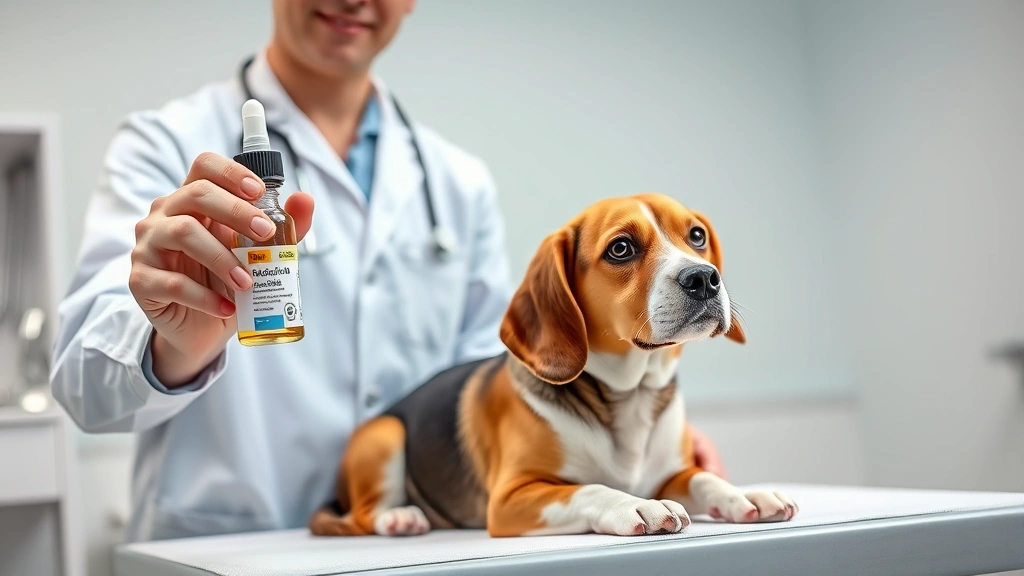
A professional cleaning creates an ideal environment for medications to work and provides immediate relief for many dogs. While it may sound intimidating, most dogs recover quickly, and the difference in comfort is noticeable. Your vet will advise whether this step is necessary for your dog’s situation.
Treatment Option 4: Addressing Underlying Allergies
Here’s something many pet owners don’t realize: if your dog keeps getting ear infections, allergies might be the root cause. Dogs with food allergies or environmental sensitivities often develop inflamed ear canals that become prone to secondary infections. Treating the allergy addresses the underlying problem rather than just the symptom.
This might involve dietary changes, allergy testing, or medications that reduce inflammation and itching. By working with your vet to identify and manage your dog’s allergies, you can dramatically reduce the frequency of future ear infections. It’s a longer-term solution but often prevents repeat episodes.
Treatment Option 5: Ear Mite Treatment
If your dog’s ear infection is caused by mites rather than bacteria or yeast, the approach is different. Ear mites are tiny parasites that burrow into the ear canal and cause intense itching and inflammation. Your vet will prescribe specific antiparasitic medications designed to eliminate these pests.
Mite infections are contagious to other pets, so all animals in your household may need treatment. The good news is that mite-specific medications are highly effective, and most dogs show improvement within days. Your vet will likely recommend a follow-up exam to confirm the mites are gone.
Treatment Option 6: Anti-Inflammatory Medications
When an ear infection causes significant swelling and discomfort, anti-inflammatory medications can provide relief while other treatments work. These medications reduce pain, redness, and swelling in the ear canal, making your dog more comfortable during recovery. They’re often used alongside antibiotics or antifungal drugs for a comprehensive approach.
Anti-inflammatory treatment is particularly helpful for dogs in obvious pain. Your vet will determine the appropriate medication and dosage based on your dog’s age, weight, and overall health. Pain relief often means your dog can eat, sleep, and play normally again during treatment.
Treatment Option 7: Preventive Ear Care and Home Management
Once your dog’s infection clears, prevention becomes your best tool. Regular ear cleaning with a vet-approved solution, especially after swimming or baths, keeps moisture and debris from building up. Some dogs benefit from weekly ear checks and gentle cleaning as part of their grooming routine.
Keeping your dog’s ears dry, maintaining good overall hygiene, and managing allergies all play a role in preventing future infections. Your vet can recommend specific products and techniques tailored to your dog’s ear type and history. A little preventive effort now saves you from repeated trips to the clinic.
When to Seek Immediate Veterinary Care
Most ear infections respond well to treatment, but some situations require urgent attention. If your dog shows signs of severe pain, fever, balance problems, or discharge that looks bloody, contact your vet right away. These could indicate a more serious infection that’s spread deeper into the ear structure.

If you’re unsure whether your pet needs urgent care, a quick telehealth check-in can give you peace of mind—no appointment needed. Many vets offer online consultations where you can describe symptoms and get professional guidance from your phone or computer.
Working with Your Veterinarian on a Treatment Plan
Every dog’s ear infection is unique, which is why a personalized treatment plan matters. Your vet will examine your dog’s ear under magnification, possibly take a sample to identify the exact cause, and recommend the most effective approach. This might be one treatment option or a combination of several.
Don’t hesitate to ask a dog vet online if you have questions about your dog’s treatment plan or notice that symptoms aren’t improving. Clear communication with your vet ensures your dog gets the best possible care. If your dog is experiencing itching alongside the ear infection, our guide on online vet for dog itching offers additional insights into managing discomfort.
Summary: Getting Your Dog Relief
Dog ear infection treatment options range from simple topical drops to more comprehensive approaches involving oral medications, professional cleaning, and allergy management. The key is identifying the infection early and working with your vet to determine the root cause. Whether your dog needs antibiotics, antifungal treatment, or mite medication, relief is absolutely possible.
Most dogs recover fully from ear infections when treatment is started promptly and completed as directed. By understanding your options and staying proactive about prevention, you can keep your dog’s ears healthy and infection-free. Your dog’s comfort and well-being are worth the effort.
Frequently Asked Questions
How long does it take for a dog ear infection to clear up?
Most ear infections show improvement within 3-7 days of starting treatment, though the full course typically lasts 7-14 days. Some stubborn infections may take longer, especially if they involve allergies or require multiple treatment approaches.
Can I treat my dog’s ear infection at home?
While you can support your vet’s treatment plan at home with ear cleaning and medication application, a professional diagnosis is essential. Attempting to treat without knowing the cause (bacteria, yeast, or mites) could delay healing and make the infection worse.
Are dog ear infections contagious to other pets?
Ear infections caused by bacteria or yeast typically aren’t contagious, but ear mite infections are highly contagious to other dogs and cats. If mites are diagnosed, all pets in your household should be treated.
Why does my dog keep getting ear infections?
Chronic ear infections are often caused by underlying allergies, ear anatomy (floppy ears trap moisture), or environmental factors. Your vet can help identify the root cause so you can prevent future infections.
What should I do if my dog’s ear infection isn’t improving?
If symptoms persist after a week of treatment, contact your vet for a follow-up exam. The infection may require a different medication, or there could be an underlying condition that needs addressing.
What To Do Now
- Schedule a vet appointment or telehealth consultation — If you suspect your dog has an ear infection, get a professional diagnosis right away. If you prefer convenience, ask a dog vet online for an initial assessment.
- Avoid home remedies until you know the cause — Don’t use over-the-counter ear cleaners or medications without vet guidance. Using the wrong treatment can worsen the infection or delay healing.
- Keep detailed notes on symptoms — Track when you first noticed head shaking, scratching, or odor. This information helps your vet determine how long the infection has been present and how severe it is.
- Follow the complete treatment plan — Even if your dog feels better after a few days, finish the entire course of medication as prescribed. Stopping early allows the infection to return.
- Plan preventive care for the future — Once your dog recovers, ask your vet about a prevention routine. Regular ear checks and cleaning can significantly reduce the risk of future infections.