
When your dog’s eyes start looking red, swollen, or uncomfortable, it’s natural to worry—and rightfully so. Understanding dog eye infection emergency signs can mean the difference between a quick recovery and serious vision problems down the road. Eye infections in dogs range from mild irritation to urgent conditions that require immediate veterinary attention, so knowing what to watch for is essential for any responsible pet owner.
Table of Contents
- Why Eye Infections in Dogs Demand Your Attention
- Critical Emergency Signs of Dog Eye Infections
- Common Causes of Dog Eye Infections
- When to Seek Emergency Care vs. Routine Veterinary Visit
- What Happens During a Vet Exam for Eye Infections
- Treatment and Recovery: What to Expect
- Prevention: Reducing Your Dog’s Risk
- Special Considerations for Certain Breeds
- The Importance of Early Detection
- Frequently Asked Questions
- What To Do Now
- Summary: Protecting Your Dog’s Vision
This article is for informational purposes only and is not a substitute for professional veterinary advice. Always consult a licensed veterinarian for diagnosis and treatment.
Why Eye Infections in Dogs Demand Your Attention
Your dog’s eyes are delicate and complex. Unlike a skin infection that might resolve on its own, eye problems can escalate quickly and cause permanent damage if left untreated. The eye’s surface (cornea) can deteriorate in just 24 to 48 hours without proper care, making early recognition crucial.
Dogs can’t tell us when their eyes hurt, so they rely on us to notice the subtle (and sometimes obvious) signs that something’s wrong. Catching this early puts you in a great position to help.
Critical Emergency Signs of Dog Eye Infections
Not all eye issues are emergencies, but these seven signs suggest your dog needs urgent veterinary care:
1. Excessive Discharge or Pus
A thick, yellowish, greenish, or bloody discharge coming from your dog’s eye is a red flag. While mild watery tears are normal, copious discharge—especially if it’s cloudy or discolored—indicates a bacterial or fungal infection that’s progressed beyond simple irritation.
If the discharge is so heavy it’s crusting over your dog’s eye or matting the fur around it, don’t wait. Schedule an urgent vet consultation or reach out to a telehealth service for guidance.
2. Severe Redness and Swelling
The whites of your dog’s eye (sclera) and the tissue around it (conjunctiva) may appear bright red or deep crimson. The eyelids might puff up so much that your dog can barely open their eye. This inflammation is your dog’s immune system fighting back, but it also signals that infection or injury is present.
Swelling that makes your dog’s eye appear nearly shut requires immediate attention—it could indicate a serious infection or even a corneal ulcer.
3. Squinting or Keeping the Eye Closed
Dogs naturally squint when their eyes hurt. If your pup keeps one eye mostly or completely closed, they’re experiencing pain or sensitivity. This is one of the most common signs pet owners notice, and it shouldn’t be ignored.
Persistent squinting paired with other symptoms means your dog could be experiencing significant discomfort.
4. Cloudiness or Haziness in the Eye
A clear eye is a healthy eye. If your dog’s eye looks cloudy, hazy, or like there’s a film covering it, this could indicate a corneal ulcer, keratitis (corneal inflammation), or advanced infection. The cloudiness might look like a white or gray overlay across the normally clear lens area.
This symptom is particularly concerning because corneal damage can lead to vision loss if not treated promptly.
5. Light Sensitivity (Photophobia)
Does your dog seem to avoid bright light or squint more in sunlight? Light sensitivity often accompanies serious eye infections, especially those affecting the cornea or uvea (the colored part of the eye). Your dog might hide in dark corners or keep their eyes mostly shut when you turn on lights.
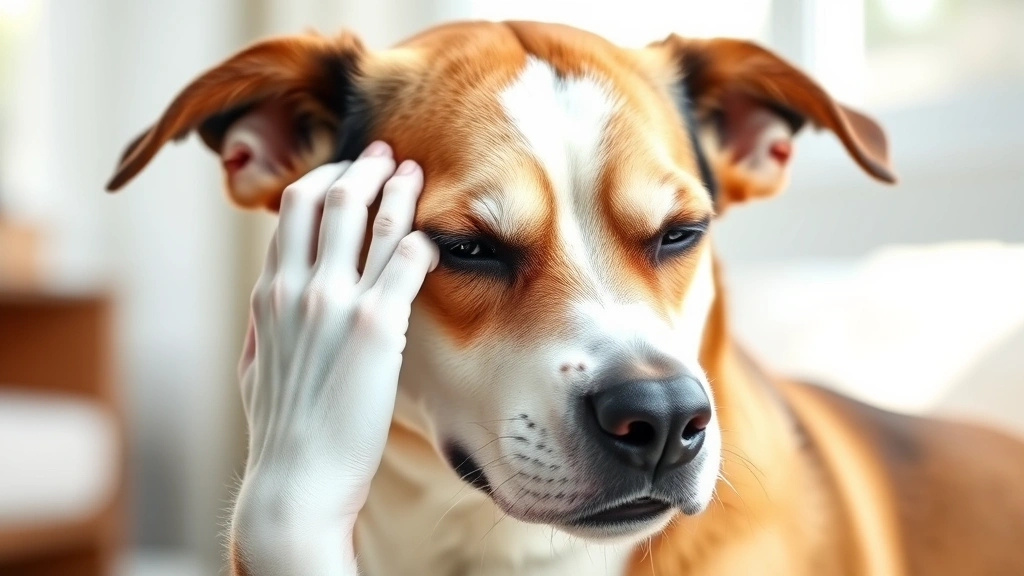
This behavior combined with other symptoms warrants urgent evaluation.
6. Visible Ulceration or Sores on the Eye Surface
In rare cases, you might actually see a small ulcer, sore, or area of damage on your dog’s eye surface. This looks like a small pit or crater on the cornea. Corneal ulcers are painful and can worsen rapidly, potentially leading to perforation (a hole in the cornea) if untreated.
If you suspect your dog has a visible sore on their eye, seek veterinary care immediately.
7. Behavioral Changes: Pain and Discomfort
Your dog might paw at their eye constantly, rub their face on furniture, or seem irritable and withdrawn. Some dogs become unusually aggressive when their eyes hurt because they’re in pain and feel vulnerable. These behavioral shifts are your dog’s way of communicating distress.
When combined with physical symptoms, behavioral changes confirm that professional evaluation is needed right away.
Common Causes of Dog Eye Infections
Understanding what causes eye infections helps you prevent them and recognize when intervention is needed. The most common culprits include:
- Bacterial infections – Often secondary to trauma or allergies
- Fungal infections – Less common but serious, sometimes linked to systemic illness
- Viral infections – Such as canine herpesvirus or distemper
- Foreign objects – Dirt, debris, or plant material lodged in the eye
- Allergies – Seasonal or environmental triggers causing inflammation
- Trauma or injury – Scratches, punctures, or chemical exposure
- Underlying conditions – Dry eye disease, eyelid problems, or immune disorders
Some breeds, like Pugs and Bulldogs with their prominent eyes, are naturally more prone to infections. Similarly, dogs with long hair around their eyes may experience more frequent issues.
When to Seek Emergency Care vs. Routine Veterinary Visit
Not every eye problem requires an emergency room visit, but knowing the difference can save your dog’s vision. Seek emergency care immediately if your dog shows:
- Sudden vision loss or inability to see
- Severe pain (constant squinting, pawing, aggression)
- Visible trauma, puncture, or discharge of fluid from the eye
- Corneal cloudiness combined with discharge and redness
- Eye swelling so severe the eye appears to be bulging
For mild symptoms like slight redness or minor discharge without pain, a routine vet appointment within 24 hours is appropriate. However, if you’re unsure whether your pet needs urgent care, a quick telehealth check-in can give you peace of mind—no appointment needed. The Pet Vet’s urgent vet consultation service can help you assess whether your dog needs immediate in-person evaluation.
What Happens During a Vet Exam for Eye Infections
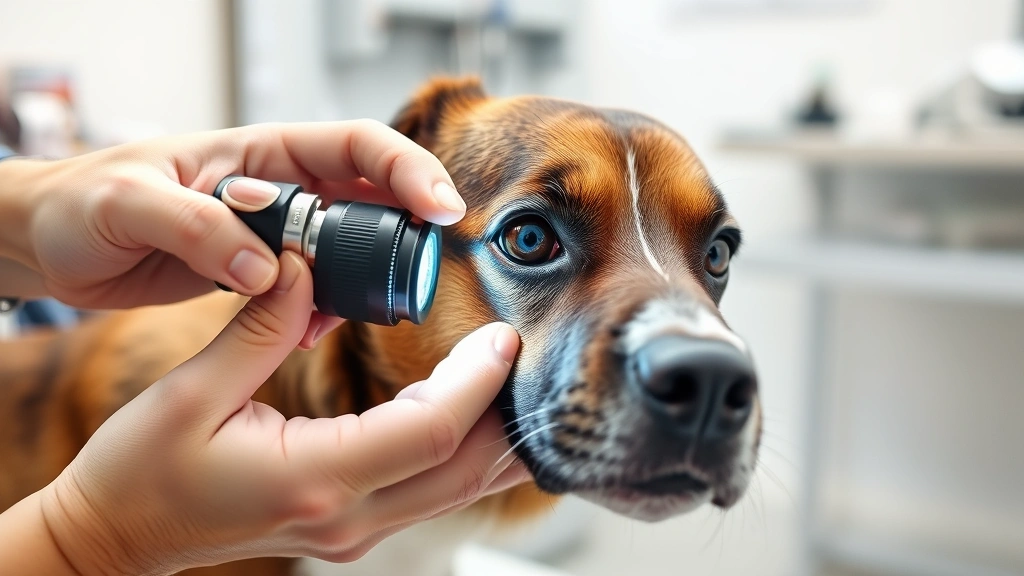
When you bring your dog to the veterinarian, they’ll perform a thorough eye examination. This typically includes:
- Visual inspection – Checking for discharge, swelling, and obvious damage
- Fluorescein stain test – A dye that highlights corneal ulcers and damage
- Tonometry – Measuring eye pressure to rule out glaucoma
- Cultures or samples – Identifying bacterial, fungal, or viral causes
- Ophthalmoscopic examination – Looking inside the eye to assess deeper structures
Based on these findings, your vet will recommend a treatment plan tailored to your dog’s specific condition.
Treatment and Recovery: What to Expect
Treatment for dog eye infections depends on the underlying cause. Your veterinarian may recommend topical medications applied directly to the eye, oral medications, or both. The key is following the treatment plan consistently—skipping doses or stopping early can allow the infection to return or worsen.
Most mild to moderate eye infections show improvement within 3 to 7 days of treatment. More serious conditions like corneal ulcers may take 2 to 4 weeks to heal completely. During recovery, keep your dog’s environment clean, prevent them from rubbing their eye (a cone collar may be necessary), and attend all follow-up appointments.
Prevention: Reducing Your Dog’s Risk
While you can’t prevent every eye infection, these strategies significantly lower your dog’s risk:
- Keep the eye area clean – Gently wipe away any discharge with a clean, damp cloth
- Trim hair around the eyes – Especially for long-haired breeds
- Avoid smoke and irritants – Secondhand smoke and harsh chemicals irritate eyes
- Protect eyes during outdoor activities – Be cautious around plants and debris
- Address allergies promptly – Work with your vet to manage allergies that trigger inflammation
- Maintain overall health – A strong immune system helps fight off infections
- Regular eye check-ups – Include eye health in your dog’s annual wellness exams
Additionally, be mindful of your dog’s diet. While nutrition alone won’t prevent infections, certain foods may exacerbate allergies that lead to eye problems. For more information, check out our guide on dog eye infection foods to avoid.
Special Considerations for Certain Breeds
Brachycephalic breeds (flat-faced dogs like Bulldogs, Pugs, and Shih Tzus) have naturally prominent eyes that are more exposed and prone to infection. Their facial structure can also trap moisture and debris, creating an ideal environment for bacterial growth.
Dogs with excessive tearing or dry eye conditions also face higher risk. If your dog falls into either category, discuss preventive strategies with your veterinarian during routine check-ups.
The Importance of Early Detection
The difference between a quick recovery and long-term vision problems often comes down to how quickly you recognize and address the issue. Your dog depends on you to be their advocate, and noticing these emergency signs early could preserve their sight and quality of life.
Trust your instincts. If something feels off about your dog’s eyes, it probably is. A quick vet check might seem cautious, but it’s always better to be safe when it comes to your pup’s precious eyesight.
Frequently Asked Questions
Can I treat my dog’s eye infection at home?
Minor irritation from dust or mild allergies might improve with gentle cleaning, but bacterial or fungal infections require professional veterinary treatment. Never delay professional care if you suspect a true infection.
How long does it take for a dog eye infection to go away?
Most mild infections improve within 3 to 7 days of treatment, while corneal ulcers may take 2 to 4 weeks. Always complete the full course of medication even if symptoms improve early.
Is my dog’s eye infection contagious to other pets?
Bacterial and fungal infections can spread between dogs through direct contact or shared objects. Keep your infected dog separated from other pets during treatment and practice good hygiene.
What’s the difference between conjunctivitis and a corneal ulcer?
Conjunctivitis affects the membrane lining the eyelid and eye surface, causing redness and discharge. A corneal ulcer is a deeper injury to the cornea itself and causes more severe pain and cloudiness. Both require veterinary treatment.
Can dog eye infections cause blindness?
If left untreated, severe infections or corneal ulcers can lead to permanent vision loss or blindness. Prompt treatment significantly reduces this risk, which is why early recognition is so critical.
What To Do Now
If you’ve noticed any of these emergency signs in your dog’s eyes, take action today:
- Assess your dog’s symptoms – Compare what you’re seeing to the seven critical signs listed above. Note which symptoms are present and how long they’ve been occurring.
- Contact your veterinarian or seek urgent care – Call your regular vet first; if they’re unavailable and symptoms are severe, visit an emergency vet clinic. If you’re unsure about urgency, consult with a vet online for a quick assessment.
- Prevent further irritation – Keep your dog from rubbing their eye by gently redirecting them. Avoid applying any home remedies or over-the-counter drops without veterinary approval.
- Gather information for your vet – Write down when symptoms started, any potential triggers (recent outdoor play, new environment, known allergies), and any other behavioral changes you’ve noticed.
- Follow treatment instructions carefully – Once diagnosed, administer all medications exactly as prescribed and attend follow-up appointments to ensure proper healing.
Summary: Protecting Your Dog’s Vision
Your dog’s eyes are windows to their health and essential to their quality of life. By recognizing the seven critical emergency signs of dog eye infections—excessive discharge, severe redness and swelling, squinting, cloudiness, light sensitivity, visible ulceration, and behavioral changes—you’re equipped to act quickly when problems arise.
Remember: early intervention saves vision. When in doubt, reach out to your veterinarian. Your dog’s bright, healthy eyes depend on your vigilance and care. You’ve got this, and your pup is lucky to have someone so attentive to their wellbeing.