
When your dog’s eye starts looking red, swollen, or crusty, a dog eye infection medication dosage guide can help you understand what your vet might recommend—but it’s crucial to know that only a veterinarian can determine the right treatment plan for your pet. Eye infections in dogs range from minor irritations to serious conditions that need immediate attention, and getting the medication right matters tremendously.
Table of Contents
- Understanding Dog Eye Infections: What’s Really Going On
- Why You Can’t Skip the Vet Visit for Medication Guidance
- Common Medications Vets Prescribe for Dog Eye Infections
- How to Properly Administer Eye Medication to Your Dog
- Understanding Frequency and Duration of Treatment
- Red Flags: When Your Dog Needs Urgent Care
- Preventing Future Eye Infections in Dogs
- When to Consider an Online Vet Consultation
- Working With Your Veterinarian: Key Questions to Ask
- Frequently Asked Questions
- What To Do Now
- Summary: Taking the Right Steps for Your Dog’s Eye Health
This article is for informational purposes only and is not a substitute for professional veterinary advice. Always consult a licensed veterinarian for diagnosis and treatment.
If you’ve noticed your pup squinting, pawing at their eyes, or producing unusual discharge, you’re probably worried. That’s completely understandable. The good news? Most dog eye infections respond well to treatment when caught early, and understanding the basics puts you in a stronger position to help your furry friend feel better fast.
Understanding Dog Eye Infections: What’s Really Going On
Dog eye infections can stem from bacteria, viruses, fungi, or even allergies. Your vet needs to identify the underlying cause before recommending any medication, since the wrong treatment could make things worse.
Common culprits include:
- Bacterial conjunctivitis (pink eye)
- Viral infections from herpes or distemper
- Fungal infections (less common but serious)
- Allergic reactions to environmental triggers
- Corneal ulcers from scratches or trauma
Each type requires different medication approaches. That’s why a proper diagnosis from your veterinarian is the essential first step—not guessing or treating based on what worked for another dog.
Why You Can’t Skip the Vet Visit for Medication Guidance
I know it’s tempting to search for dosage information online and try home remedies first. But here’s the reality: eye infections in dogs can escalate quickly, sometimes leading to vision loss if treated incorrectly.
Your vet will perform tests like fluorescein staining (to check for corneal damage) and bacterial cultures to pinpoint exactly what’s infecting your dog’s eye. Only then can they recommend the right medication at the appropriate strength and frequency for your specific dog.
Catching this early puts you in a great position to help—and a vet visit, whether in-person or through online vet chat, gives you that expert assessment quickly.
Common Medications Vets Prescribe for Dog Eye Infections
While I can’t provide specific dosages (that’s your vet’s job), I can walk you through the types of medications commonly used so you understand what your veterinarian might recommend.
Antibiotic Eye Drops: These are the most frequently prescribed treatment for bacterial infections. They come in liquid form and are applied directly to the affected eye several times daily. Your vet will specify how many times per day and for how many days.
Antibiotic Ointments: Similar to drops but in a thicker, greasy form. Ointments stay on the eye longer, which some dogs tolerate better than liquids. Application frequency varies based on severity.
Antifungal Medications: If a fungal infection is diagnosed, your vet may prescribe systemic (oral) antifungals along with topical treatments. These require careful monitoring.
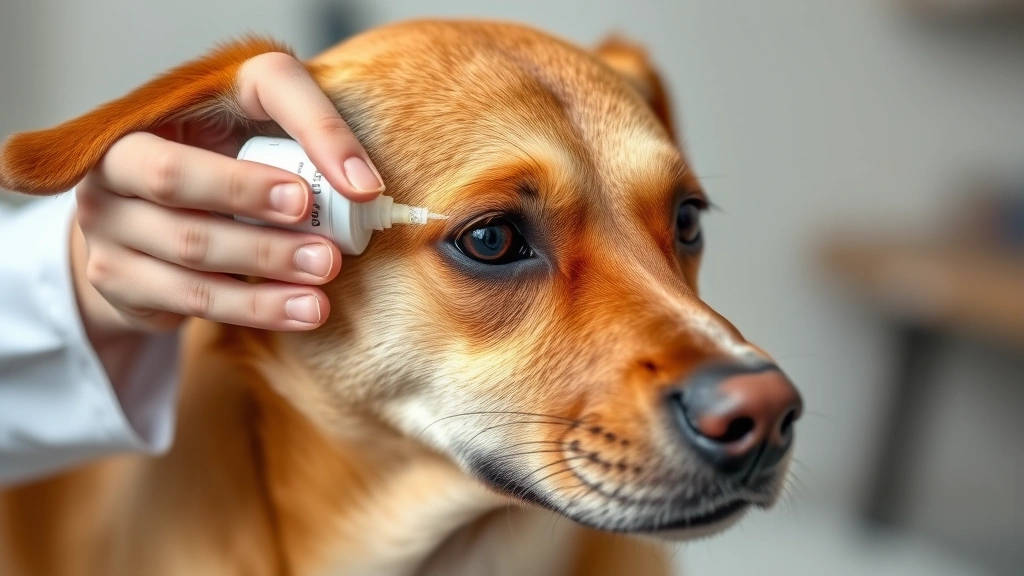
Antihistamines or Steroid Drops: For allergic eye inflammation, your vet might recommend these to reduce swelling and itching. Steroids must be used cautiously—they can worsen certain infections.
Oral Antibiotics: In severe cases, systemic antibiotics complement topical treatments to fight infection from the inside out.
How to Properly Administer Eye Medication to Your Dog
Getting medication into a dog’s eye is challenging for most pet owners. Here’s a practical approach that helps:
- Wash your hands thoroughly before handling any medication or your dog’s eyes
- Gently restrain your dog in a comfortable position—sitting or lying down works best
- Pull down the lower eyelid gently to create a small pocket
- Apply the drop or ointment into that pocket, not directly onto the eyeball
- Close the eye gently and let your dog blink naturally to distribute the medication
- Wipe away excess with a clean, soft cloth
- Reward your dog with praise or a treat to make the experience positive
If your dog is especially resistant, ask your vet for tips specific to your pup’s temperament. Some vets can show you techniques that make the process easier.
Understanding Frequency and Duration of Treatment
The number of times you apply medication daily and how long you continue treatment depends entirely on what your vet diagnoses and how your dog responds.
Some infections clear up in 7-10 days with consistent treatment. Others require 2-3 weeks or longer. Never stop medication early just because your dog’s eye looks better—incomplete treatment can allow the infection to return stronger.
Your vet will schedule follow-up visits to monitor progress. These check-ins are crucial; they let your veterinarian confirm the infection is actually improving and adjust treatment if needed.
Red Flags: When Your Dog Needs Urgent Care
Certain signs mean your dog needs immediate veterinary attention, not a wait-and-see approach:
- Severe swelling that closes the eye partially or completely
- Thick, green or yellow discharge
- Cloudiness or haziness in the eye itself
- Signs of pain like constant squinting or pawing
- Eye injury or trauma
- Vision changes or your dog bumping into things
If you notice any of these, contact your vet right away. Catching serious eye conditions early can mean the difference between full recovery and permanent vision problems. If you’re unsure whether your pet needs urgent care, a quick telehealth check-in can give you peace of mind—no appointment needed.
Preventing Future Eye Infections in Dogs
Once your dog recovers, you’ll want to prevent another infection. Here are practical prevention strategies:
- Keep eyes clean: Gently wipe around your dog’s eyes daily with a damp cloth, especially for breeds with hair around the eyes
- Trim facial hair: Long hair can irritate eyes and trap bacteria; keep it trimmed back
- Avoid irritants: Protect your dog’s eyes from smoke, dust, and chemicals
- Watch for allergies: If allergies triggered the infection, work with your vet to manage them
- Regular check-ups: Routine vet visits catch early eye problems before they become infections
Prevention is always easier than treatment, and your dog will thank you for staying vigilant.
When to Consider an Online Vet Consultation
Not every eye concern requires an emergency clinic visit. If your dog’s symptoms are mild to moderate and you want expert guidance on whether a vet visit is necessary, online dog vet consultation services can help you assess the situation quickly.

A telehealth vet can review photos of your dog’s eye, discuss symptoms, and advise whether in-person examination is needed. This can save you time and stress while ensuring your dog gets appropriate care.
Working With Your Veterinarian: Key Questions to Ask
When your vet prescribes medication for your dog’s eye infection, ask these important questions:
- What type of infection does my dog have, and what caused it?
- How many times daily should I apply the medication?
- For how long should I continue treatment?
- What side effects should I watch for?
- When should I schedule a follow-up appointment?
- What should I do if my dog’s condition worsens?
- Are there any activities or precautions I should take during treatment?
Your vet wants you to feel confident and informed. Don’t hesitate to ask for clarification or written instructions you can reference at home.
Frequently Asked Questions
Can I use human eye drops on my dog?
No, absolutely not. Human eye medications contain different ingredients and preservatives that can harm dogs. Always use only medications prescribed or recommended by your veterinarian for your dog’s specific condition.
How long does it take for dog eye infection medication to work?
Most dogs show improvement within 3-5 days of starting appropriate treatment, though complete healing may take 1-3 weeks depending on the infection’s severity.
What if my dog won’t let me put drops in their eye?
Talk to your vet about alternative forms—ointments sometimes work better for resistant dogs. Your vet can also show you handling techniques or discuss other medication options that might be easier to administer.
Is a dog eye infection contagious to other pets?
Some bacterial and viral eye infections can spread between dogs, especially in multi-pet households. Keep infected dogs separated and maintain strict hygiene practices until your vet confirms the infection is cleared.
Can allergies cause eye infections in dogs?
Yes, allergic reactions can cause eye inflammation that becomes secondarily infected with bacteria. Treating the underlying allergy is essential for preventing recurring infections.
What To Do Now
- Schedule a veterinary appointment today if your dog shows signs of eye infection—don’t wait to see if it resolves on its own
- Take clear photos of your dog’s affected eye from different angles to share with your vet, which helps with diagnosis
- Prepare a list of symptoms you’ve noticed (when it started, discharge type, behavior changes) to discuss with your vet
- Ask your vet for written medication instructions you can keep on your refrigerator for easy reference during treatment
- Set phone reminders on your phone for medication times to ensure you don’t miss doses
Summary: Taking the Right Steps for Your Dog’s Eye Health
A dog eye infection medication dosage guide can help you understand the general landscape of treatment options, but the real work happens between you and your veterinarian. Every dog is different, and every infection requires personalized assessment and care.
The most important thing you can do right now is get your dog evaluated by a vet who can properly diagnose the problem and prescribe appropriate treatment. Whether you choose an in-person visit or start with a chat with a vet now through telehealth, getting professional guidance quickly gives your dog the best chance at a full recovery.
Your dog’s eyes are precious—they help them navigate the world and bond with you. By taking action early and following your vet’s medication instructions carefully, you’re giving your furry friend the gift of clear, comfortable vision for years to come.