
Noticing your dog squinting, pawing at their eye, or dealing with discharge can be stressful—but understanding dog eye infection recovery time can help you feel more prepared and confident about what comes next.
Table of Contents
- How Long Does a Dog Eye Infection Take to Heal?
- Common Signs Your Dog Has an Eye Infection
- Types of Dog Eye Infections and Their Recovery Timelines
- The Role of Proper Diagnosis in Recovery Speed
- Treatment Options That Speed Recovery
- Day-by-Day Recovery: What to Expect
- Speeding Up Recovery: What You Can Do at Home
- When Recovery Takes Longer Than Expected
- Preventing Future Eye Infections
- When to Seek Emergency Care
- The Importance of Follow-Up Care
- Frequently Asked Questions
- What to Do Now
- Summary: Recovery Is Within Reach
This article is for informational purposes only and is not a substitute for professional veterinary advice. Always consult a licensed veterinarian for diagnosis and treatment.
Eye infections in dogs are surprisingly common, and the good news is that most respond well to proper treatment. Recovery timelines vary depending on the type and severity of the infection, but knowing what to expect can ease your worry and help you support your pup through healing. Let’s walk through everything you need to know about recovery, from initial symptoms to long-term care.
How Long Does a Dog Eye Infection Take to Heal?
The dog eye infection recovery time typically ranges from 7 to 21 days for mild to moderate infections when treated promptly. Bacterial infections often clear within 1-2 weeks with appropriate topical medication, while viral infections may take a bit longer and require supportive care.
Catching this early puts you in a great position to help your dog recover faster. More severe cases, particularly those involving corneal damage or deeper eye structures, can take 3-4 weeks or longer. The key factor is starting treatment as soon as you notice symptoms—delays can extend healing time significantly.
Keep in mind that even after symptoms disappear, your vet may recommend continuing treatment for a few extra days to prevent relapse. This is completely normal and important for full recovery.
Common Signs Your Dog Has an Eye Infection
Recognizing early symptoms helps you seek help sooner, which directly impacts recovery time. Watch for these warning signs:
- Excessive tearing or watery discharge
- Thick, colored discharge (yellow, green, or bloody)
- Redness around the eye or inner eyelid
- Squinting or keeping the eye partially closed
- Pawing or rubbing at the eye repeatedly
- Swelling of the eyelid or surrounding tissue
- Cloudiness or haziness in the eye
- Light sensitivity (avoiding bright areas)
- Crusting around the eyelashes
If you notice any of these, it’s time to contact your veterinarian. The sooner treatment begins, the faster your dog can heal and feel comfortable again.
Types of Dog Eye Infections and Their Recovery Timelines
Different infections heal at different rates. Understanding which type your dog has helps set realistic expectations.
Bacterial Eye Infections
Bacterial infections are among the most common and often respond quickly to treatment. With proper antibiotic eye drops or ointments, most dogs show improvement within 3-5 days and full recovery within 1-2 weeks. You might notice less discharge and less squinting fairly quickly, which is encouraging.
Viral Eye Infections
Viral infections, such as those caused by herpes virus or distemper, typically take longer to resolve—often 2-3 weeks or more. These infections require supportive care rather than antibiotics, and your vet may recommend additional measures to keep your dog comfortable during recovery.
Fungal Eye Infections
Fungal infections are less common but more stubborn. Recovery can take 3-4 weeks or longer, and treatment may require antifungal medication applied regularly. Persistence with the treatment plan is essential for success.
Allergic Conjunctivitis
If the infection stems from allergies, recovery depends on managing the underlying allergy. Symptoms may improve within a few days once the allergen is removed or managed, but long-term management is key to preventing recurrence.
The Role of Proper Diagnosis in Recovery Speed
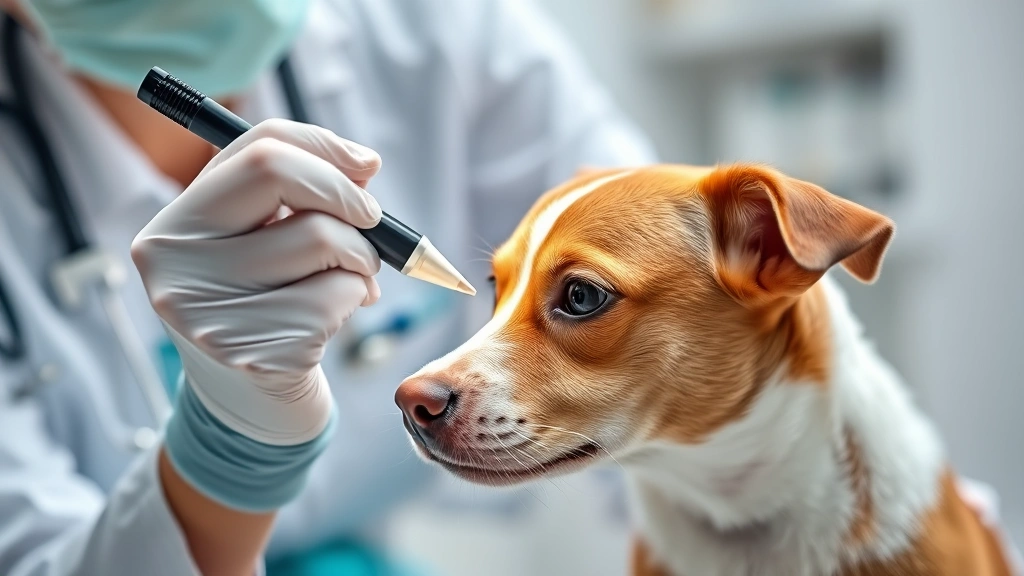
Your vet will likely perform a thorough eye exam to determine the cause of the infection. This might include a fluorescein stain test to check for corneal ulcers or a bacterial culture to identify the specific organism causing the problem. Accurate diagnosis ensures the right treatment is prescribed, which directly affects how quickly your dog recovers.
This is why self-diagnosing or using leftover medications isn’t recommended—the wrong treatment can actually delay healing or worsen the condition. A professional evaluation gives your dog the best chance at a speedy recovery.
If you’re unsure whether your pet needs urgent care, a quick telehealth check-in can give you peace of mind—no appointment needed. Many eye issues benefit from early intervention, and getting expert eyes on the problem quickly can make all the difference.
Treatment Options That Speed Recovery
Recovery time depends heavily on the treatment approach your vet recommends. Here are the most common options:
Topical Medications
Eye drops and ointments are the first-line treatment for most infections. Applied directly to the affected eye, these medications work quickly and show results within days. Consistency is crucial—missing doses can slow healing.
Oral Medications
For more serious infections or those affecting deeper eye structures, your vet may prescribe systemic antibiotics or antivirals. These work alongside topical treatments to fight infection from the inside out.
Supportive Care
Keeping the eye clean and preventing your dog from rubbing it are essential parts of recovery. Your vet may recommend warm compresses, gentle cleaning with saline solution, or a protective cone to prevent further irritation.
Addressing Underlying Causes
If the infection resulted from allergies, foreign objects, or other conditions, treating the root cause prevents reinfection and speeds overall recovery. For example, managing allergies reduces inflammation and creates an environment where eyes heal faster.
Day-by-Day Recovery: What to Expect
While every dog is different, here’s a general timeline for mild to moderate bacterial infections:
Days 1-3: You’ll likely notice discharge and discomfort decreasing. Redness may persist but swelling often improves. Your dog might stop pawing at the eye as frequently.
Days 4-7: Significant improvement is typical. The eye should look less inflamed, and discharge should be minimal. Your dog’s behavior normalizes as pain decreases.
Days 8-14: Most symptoms should be gone or nearly gone. The eye appears clear and bright again. However, continue medication as prescribed—stopping early can cause relapse.
Days 15-21: Full recovery is usually complete. Your vet may recommend a follow-up exam to confirm the infection has fully cleared before discontinuing medication.
Speeding Up Recovery: What You Can Do at Home
While medication does the heavy lifting, your care at home significantly impacts recovery speed. Here are proven strategies:
- Administer medications exactly as prescribed. Set phone reminders if needed. Consistency directly affects how quickly the infection clears.
- Keep the eye clean. Gently wipe away discharge with a clean, soft cloth or sterile gauze. Use a fresh cloth each time to prevent spreading bacteria.
- Use a protective cone if needed. Preventing your dog from rubbing or scratching the eye is critical. Continued trauma slows healing significantly.
- Apply warm compresses. A warm (not hot) compress held gently against the closed eye for 5-10 minutes can soothe discomfort and improve medication absorption.
- Avoid irritants. Keep your dog away from smoke, dust, chlorine, and other environmental irritants during recovery.
- Monitor for complications. Watch for worsening discharge, increased swelling, or signs of pain. Report any concerns to your vet immediately.
When Recovery Takes Longer Than Expected
If your dog’s eye infection isn’t improving after 5-7 days of treatment, contact your vet. Delayed recovery can indicate several things: the infection type was misidentified, medication isn’t being applied correctly, your dog has a deeper eye problem like a corneal ulcer, or the infection is resistant to current treatment.
Your vet may recommend a follow-up exam, additional testing, or a different medication approach. This doesn’t mean treatment has failed—it just means adjusting the plan to find what works best for your individual dog.
Understanding dog eye infection stages can also help you recognize if your dog’s condition is progressing as expected or if professional guidance is needed sooner rather than later.
Preventing Future Eye Infections
Once your dog recovers, preventing reinfection keeps their eyes healthy long-term. Consider these preventive measures:
- Keep your dog’s face clean and dry, especially around the eyes
- Trim hair around the eyes if it’s long enough to irritate
- Manage allergies with your vet’s help
- Avoid exposing your dog to known irritants
- Schedule regular vet check-ups to catch issues early
- Use eye protection during swimming or water play
- Keep your dog’s bedding and toys clean
Prevention is always easier and faster than treatment, so these habits pay off over time.
When to Seek Emergency Care
Most eye infections aren’t emergencies, but certain symptoms warrant urgent attention. Seek immediate care if you notice:
- Sudden vision loss or blindness
- Severe eye pain (excessive pawing, inability to open the eye)
- Bleeding from the eye
- Cloudiness that develops suddenly
- Eye bulging outward
- Chemical exposure to the eye
These signs suggest corneal ulceration, glaucoma, or other serious conditions requiring immediate veterinary intervention. Don’t wait—contact your vet or emergency vet consultation online right away.
The Importance of Follow-Up Care
After your dog shows improvement, your vet may want to see them for a follow-up exam. This visit confirms the infection has fully cleared and rules out complications like corneal scarring. It’s tempting to skip this step once your dog seems fine, but it’s an important part of ensuring complete recovery and preventing chronic issues.
During the follow-up, your vet can also discuss any preventive measures specific to your dog’s situation, especially if the infection was caused by underlying allergies or other conditions.
Frequently Asked Questions
Can a dog’s eye infection go away on its own?
Minor irritations might improve without treatment, but true infections require veterinary care. Delaying treatment risks complications and extends recovery time significantly.
Is my dog’s eye infection contagious to other pets?
Some bacterial and viral eye infections can spread between animals. Keep your infected dog separated from other pets until your vet confirms treatment is complete.
Can I use human eye drops on my dog?
Never use human eye drops on dogs without veterinary approval. Many contain ingredients that are harmful to dogs, and the pH and concentration differ from what’s safe for canine eyes.
What if my dog won’t let me apply eye medication?
Ask your vet for application tips or consider asking someone to gently hold your dog while you apply medication. Some dogs respond better to ointment than drops, so discuss alternatives with your vet.
How do I know if my dog’s eye infection is getting worse?
Worsening discharge, increased swelling, spreading redness, or signs of pain indicate the infection isn’t responding as expected. Contact your vet immediately if you notice these changes.
What to Do Now
If you suspect your dog has an eye infection, take these steps today:
- Schedule a veterinary appointment immediately. Don’t wait—early treatment dramatically speeds recovery. If your regular vet isn’t available, seek care at an urgent care facility or emergency vet consultation option.
- Document symptoms with photos or notes. Write down when symptoms started, what you’ve observed, and any changes. This information helps your vet diagnose quickly and accurately.
- Prevent your dog from rubbing the eye. If needed, obtain a protective cone from your vet before the appointment. This prevents further damage and reduces pain.
- Avoid home remedies or leftover medications. Using the wrong treatment delays healing and can worsen the condition. Wait for professional guidance.
- Prepare to commit to the treatment plan. Recovery depends on consistent medication application and follow-up care. Ask your vet for a written schedule if it helps you stay on track.
Summary: Recovery Is Within Reach
Dog eye infection recovery time typically ranges from 7 to 21 days when treated promptly with appropriate medication and supportive care. The exact timeline depends on the infection type, severity, and how quickly treatment begins. Bacterial infections usually clear fastest, while viral or fungal infections may take longer.
The most important factor in speeding recovery is getting a professional diagnosis and starting the right treatment immediately. Paired with consistent home care—applying medications exactly as prescribed, keeping the eye clean, and preventing further irritation—your dog can return to comfortable, healthy vision quickly.
Your dog is counting on you to notice when something’s wrong and act fast. By understanding what to expect and following your vet’s guidance closely, you’re giving your pup the best possible chance at a smooth, speedy recovery. Catching this early puts you in a great position to help your dog feel better soon.