
When your dog’s eye suddenly becomes red, swollen, or discharge-filled, a dog eye infection sudden onset can feel like an emergency—and your instinct to act fast is absolutely right. Eye infections develop quickly in dogs, sometimes within hours, and early intervention makes a tremendous difference in your pet’s comfort and recovery.
Table of Contents
- What Does a Sudden Dog Eye Infection Look Like?
- Why Do Eye Infections Come On So Fast?
- The 7 Proven Treatment Approaches Vets Use
- Understanding the Stages of Recovery
- When Is It an Emergency?
- Home Care Tips While Your Dog Recovers
- When to Seek Professional Help
- Prevention: Reducing Your Dog’s Risk
- Frequently Asked Questions
- What To Do Now
- Summary
This article is for informational purposes only and is not a substitute for professional veterinary advice. Always consult a licensed veterinarian for diagnosis and treatment.
The good news? Most eye infections respond well to prompt treatment. Understanding what’s happening and knowing your next steps will help you stay calm and get your pup the care they need. Let’s walk through what sudden eye infections look like, why they happen, and the proven approaches vets use to resolve them.
What Does a Sudden Dog Eye Infection Look Like?
A dog eye infection that appears suddenly often catches owners off guard. One moment your pup seems fine, and the next their eye is visibly uncomfortable. You might notice your dog squinting more than usual, pawing at their face, or keeping one eye partially closed.
The eye itself may appear red or pink around the whites and inner eyelids. Discharge is another telltale sign—it could be clear and watery, thick and yellowish, or greenish in color. Some dogs develop mild swelling around the eye area, while others show more dramatic puffiness.
Your dog might also be more sensitive to light, staying in dimmer areas of your home or avoiding direct sunlight. Excessive tearing or a crusty buildup around the eyelids are additional clues that something’s irritating their eye. Catching this early puts you in a great position to help.
Why Do Eye Infections Come On So Fast?
Understanding the causes of sudden dog eye infections helps you recognize risk factors. The eye is delicate and exposed to the environment constantly, making it vulnerable to bacteria, viruses, and irritants.
Dogs with long hair around their eyes, flat faces (like Bulldogs or Pugs), or those who spend time outdoors in dusty or pollen-heavy environments are more prone to rapid-onset infections. Allergies, dry eye conditions, or even a small scratch from play can open the door for infection to develop within hours.
Foreign objects—a grass blade, dust, or debris—can also lodge in the eye and trigger inflammation and secondary infection almost immediately. Some infections are contagious between dogs, spreading quickly in multi-pet households or boarding facilities.
The 7 Proven Treatment Approaches Vets Use
When your vet examines your dog’s eye, they’ll determine the underlying cause and recommend the most effective treatment path. Here are the seven main approaches veterinarians rely on:
1. Topical Eye Drops and Ointments
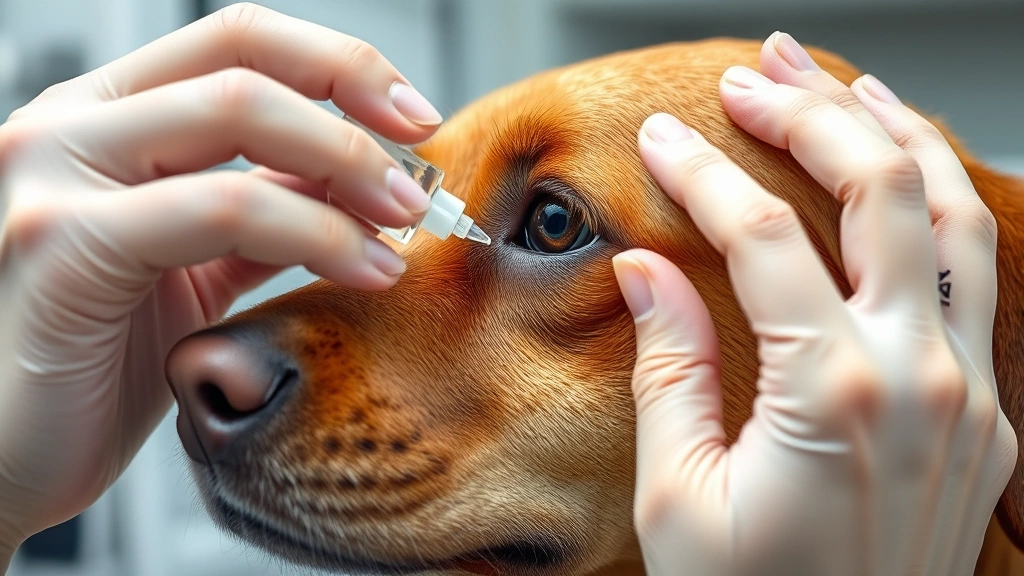
Medicated eye drops are the frontline treatment for most sudden eye infections. These work by delivering medication directly to the infected area, reducing inflammation and fighting bacteria or viral pathogens. Your vet will prescribe the specific type based on whether the infection is bacterial, viral, or fungal.
Ointments provide longer-lasting coverage and are often recommended for nighttime use. The key is consistent application—missing doses can slow healing, so setting phone reminders helps you stay on track.
2. Oral Medications
For more severe infections or those affecting deeper structures of the eye, oral antibiotics or antivirals may be prescribed alongside topical treatments. These systemic medications work from the inside out, supporting the immune system’s fight against infection.
Your vet will determine the appropriate course length, which typically ranges from 7 to 14 days depending on severity.
3. Anti-Inflammatory Therapy
Swelling and inflammation cause much of the discomfort your dog experiences. Anti-inflammatory treatments reduce pain and help the eye heal faster. These may be prescribed separately or as part of a combination therapy plan.
Reducing inflammation also helps your dog stop pawing at their eye, which prevents further irritation and secondary damage.
4. Saline Rinses and Cleaning
Gentle saline rinses help flush away discharge and debris, creating a cleaner environment for healing. Your vet may demonstrate how to safely rinse your dog’s eye at home using sterile saline solution.
This simple step removes bacteria and irritants while being soothing and non-irritating to sensitive tissue.
5. Elizabethan Collar (E-Collar) Use
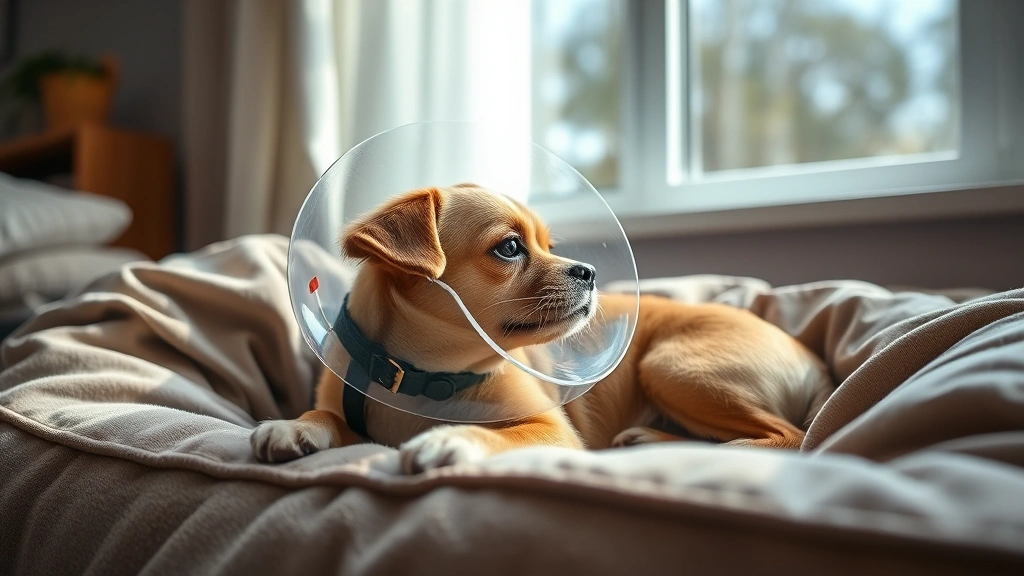
Preventing your dog from pawing at their infected eye is crucial for recovery. An Elizabethan collar (cone) protects the eye from further trauma and allows medication to work without interruption.
While dogs often dislike cones, they’re temporary and essential during the acute infection phase—usually just a few days to a week.
6. Environmental Management
Reducing irritants in your dog’s environment speeds healing. Keep your pup away from smoke, strong perfumes, dusty areas, and chlorinated water during treatment. Maintain a clean living space and wash any bedding your dog rests their head on regularly.
Limiting outdoor time during high pollen counts also helps, especially for dogs with allergies.
7. Follow-Up Examinations
Vets typically want to recheck the eye within 3–7 days to confirm improvement. This follow-up ensures the infection is responding to treatment and rules out complications like corneal ulcers. If healing isn’t progressing, your vet may adjust the treatment plan.
Understanding the Stages of Recovery
Most dogs show improvement within 24–48 hours of starting treatment. Discharge may decrease, redness may fade slightly, and your pup may stop squinting as much. However, complete healing typically takes 7–14 days depending on the infection’s severity.
For a detailed breakdown of what to expect, check out our guide on dog eye infection stages explained. Understanding the progression helps you recognize normal healing versus signs of complications.
When Is It an Emergency?
Most eye infections warrant a vet visit within 24 hours, but some signs indicate you need urgent care immediately. If your dog’s eye appears cloudy or has a visible ulcer, if there’s severe swelling that’s closing the eye, or if your dog is in obvious pain and won’t open their eye at all, seek emergency veterinary care right away.
Similarly, if your dog has any eye trauma (impact, scratch, or penetrating injury), this requires urgent evaluation to rule out serious damage. Don’t wait on these situations—corneal damage can progress rapidly and threaten vision.
Home Care Tips While Your Dog Recovers
Supporting your vet’s treatment plan at home accelerates healing. Here are practical steps:
- Administer medications exactly as prescribed—set phone reminders to ensure you don’t miss doses, as consistency is critical for effectiveness.
- Keep the eye area clean—gently wipe away any discharge with a clean, damp cloth before applying fresh medication.
- Prevent pawing and scratching—use the E-collar consistently, even if your dog seems uncomfortable in it.
- Maintain a calm, clean environment—minimize dust, smoke, and strong odors that could irritate the healing eye.
- Avoid swimming and baths—water exposure can reintroduce bacteria or wash away protective medication during the acute phase.
When to Seek Professional Help
If you’re unsure whether your dog needs urgent care or want to discuss symptoms before scheduling an in-person visit, ask a vet online through The Pet Vet’s telehealth platform. A quick video consultation can give you peace of mind and help you decide on next steps—no appointment needed.
For situations that clearly need immediate attention, 24-hour online vet services can connect you with a veterinarian at any time, day or night.
Prevention: Reducing Your Dog’s Risk
While you can’t prevent every eye infection, certain habits lower your dog’s risk. Keep hair trimmed around the eyes, especially for long-haired breeds. After outdoor play, gently wipe your dog’s face to remove debris and allergens.
If your dog has allergies or dry eye issues, address these with your vet early—they’re risk factors for infection. Provide fresh water daily and avoid exposing your pup to smoke or harsh chemicals. Regular vet checkups catch early signs of eye problems before they become infections.
Frequently Asked Questions
How quickly can a dog eye infection develop?
Eye infections can appear within hours, especially if there’s a foreign object, trauma, or exposure to irritants. This is why sudden onset is so common and why prompt action matters.
Can I treat my dog’s eye infection at home without a vet?
Home care supports veterinary treatment but cannot replace professional diagnosis and prescribed medication. Using the wrong treatment can worsen the infection or delay healing, so always get a vet’s evaluation first.
How long does it take for a dog eye infection to heal?
Most infections show improvement within 2–3 days of starting treatment, with complete healing typically occurring within 7–14 days. Severe infections or complications may take longer.
Is my dog’s eye infection contagious to other pets?
Some eye infections, particularly viral ones, can spread between dogs. Keep your infected dog separated from other pets until your vet confirms the infection is no longer contagious.
What if the infection doesn’t improve after a week of treatment?
Contact your vet for a follow-up examination. The infection may require a different medication, or there could be an underlying complication like a corneal ulcer that needs adjusted treatment.
What To Do Now
If you suspect your dog has a sudden eye infection, here are your next steps:
- Schedule a vet appointment today—even if it seems mild, eye infections worsen quickly. Most vets can see urgent cases the same day.
- Document symptoms with photos or notes—record when you first noticed the infection, what the discharge looks like, and whether your dog is squinting or pawing.
- Gently prevent your dog from rubbing their eye—distract them with toys or activities, and consider a temporary cone if they won’t stop.
- Prepare for medication administration—ask your vet to demonstrate how to apply eye drops or ointment so you feel confident doing it at home.
- If you can’t reach your regular vet, contact an emergency clinic or use urgent vet consultation services—don’t delay care waiting for your regular vet’s availability.
Summary
A dog eye infection sudden onset is alarming, but it’s also highly treatable when caught early. The seven proven treatment approaches—topical medications, oral drugs, anti-inflammatory therapy, saline rinses, E-collar use, environmental management, and follow-up care—work together to resolve infections and restore your dog’s comfort.
Your role as a pet owner is to recognize the signs, seek professional help promptly, and follow your vet’s treatment plan consistently. Most dogs recover fully within 1–2 weeks, returning to their normal happy selves. Stay calm, act quickly, and trust the process. Your pup is in good hands.