
If your dog is experiencing digestive trouble, finding the right dog gastrointestinal issues best diet can make a real difference in their comfort and quality of life. Whether your pup has chronic diarrhea, vomiting, or just seems uncomfortable after meals, you’re probably wondering what you can actually do to help them feel better.
Table of Contents
- Understanding Your Dog’s Digestive Problems
- Solution 1: Switch to Limited-Ingredient Diets
- Solution 2: Choose Highly Digestible, Low-Fat Options
- Solution 3: Incorporate Probiotics and Prebiotics
- Solution 4: Add Digestive Enzymes to Their Meals
- Solution 5: Implement Smaller, More Frequent Meals
- Solution 6: Focus on Hydration and Broth-Based Additions
- Solution 7: Consider Prescription or Therapeutic Diets
- Key Dietary Principles for GI Health
- Transitioning to a New Diet Safely
- When to Seek Veterinary Help
- Supporting Digestive Health Long-Term
- Summary: Your Roadmap Forward
- Frequently Asked Questions
- What To Do Now
This article is for informational purposes only and is not a substitute for professional veterinary advice. Always consult a licensed veterinarian for diagnosis and treatment.
Gastrointestinal issues in dogs are frustratingly common, but the good news is that diet plays a huge role in managing them. The right nutritional approach can soothe an irritated gut, reduce inflammation, and get your dog back to their happy, energetic self. Let’s explore what actually works.
Understanding Your Dog’s Digestive Problems
Your dog’s stomach and intestines are incredibly sensitive to changes. Food sensitivities, sudden diet switches, or underlying health conditions can all trigger digestive upset. When your pup’s GI system is struggling, they might be experiencing symptoms like loose stools, vomiting, gas, or loss of appetite.
The tricky part? Many of these symptoms look similar on the surface, but the underlying cause matters when it comes to treatment. That’s why working with your vet to identify what’s really going on is so important before you overhaul their diet.
Solution 1: Switch to Limited-Ingredient Diets
Limited-ingredient diets are designed with fewer components, making it easier to pinpoint food triggers. These formulas typically contain a single protein source and minimal carbohydrates, which can help reduce digestive inflammation.
Dogs with food sensitivities often respond well to limited-ingredient options. Common choices include novel proteins like duck, venison, or fish paired with simple carbs like sweet potato or pea. If your dog has been eating chicken and beef their whole life, trying something completely different can sometimes work wonders.
Start with a gradual transition—mix the new food with their current diet over 7-10 days to avoid shocking their system.
Solution 2: Choose Highly Digestible, Low-Fat Options
Fat can be tough on a sensitive digestive system. Highly digestible, low-fat diets are specifically formulated to be gentle on the gut while still providing essential nutrients.
Look for foods with easily digestible proteins like chicken breast or fish, and carbohydrates that are kind to the intestinal lining. Many veterinary prescription diets fall into this category and are designed specifically for dogs with GI issues. Your vet might recommend brands that prioritize digestibility through special processing methods.
These diets often have a higher bioavailability, meaning your dog’s body can actually absorb and use more of the nutrients—which means less waste and easier digestion.
Solution 3: Incorporate Probiotics and Prebiotics
The gut microbiome is where a lot of digestive magic happens. Probiotics (beneficial bacteria) and prebiotics (food for those bacteria) can help restore balance in your dog’s intestinal tract.
Probiotics may help reduce inflammation and improve stool consistency. You can find them in specially formulated dog foods or as standalone supplements. Prebiotics like inulin and fructooligosaccharides feed the good bacteria and support overall gut health.
Many vets now recommend probiotic support as part of a comprehensive approach to GI issues. If you’re unsure whether your pet needs additional supplements, a quick telehealth check-in can give you peace of mind—no appointment needed.
Solution 4: Add Digestive Enzymes to Their Meals
Some dogs struggle to break down food efficiently, leading to incomplete digestion and GI upset. Digestive enzymes can help bridge that gap by supporting the natural breakdown of proteins, fats, and carbohydrates.
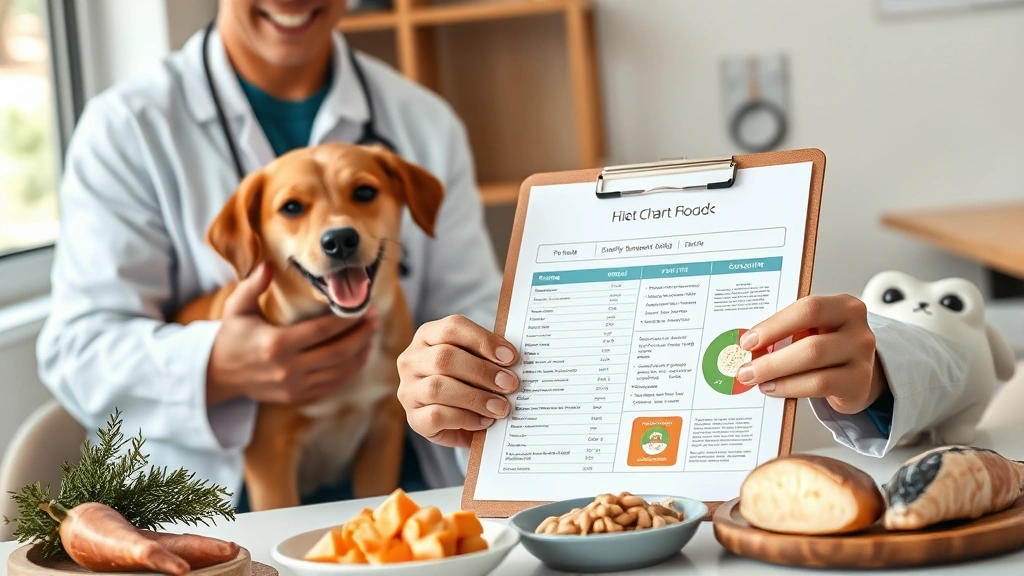
These enzymes work in the stomach and small intestine to maximize nutrient absorption. You can sprinkle enzyme powders over your dog’s food—it’s a simple addition that can make a measurable difference.
Catching digestive inefficiency early puts you in a great position to help your dog feel better quickly.
Solution 5: Implement Smaller, More Frequent Meals
Instead of one or two large meals, try feeding your dog three to four smaller portions throughout the day. Smaller meals are easier for the digestive system to process and can help prevent the bloating and discomfort that comes with larger volumes.
This feeding strategy also helps stabilize blood sugar and can reduce nausea. For dogs with chronic vomiting or nausea, meal frequency can be genuinely transformative.
Pro tip: Space meals out evenly—aim for roughly 4-6 hours between feedings during the day.
Solution 6: Focus on Hydration and Broth-Based Additions
Proper hydration supports digestive function and helps prevent constipation. Make sure your dog always has access to fresh, clean water.
Adding bone broth or low-sodium chicken broth to meals can increase moisture content and provide beneficial compounds like collagen and amino acids that support gut health. The warmth of broth can also be soothing for an irritated digestive tract.
Just avoid broths with onions, garlic, or excessive sodium. Plain, simple broths are your friend here.
Solution 7: Consider Prescription or Therapeutic Diets
When over-the-counter options aren’t cutting it, prescription diets formulated specifically for GI issues might be the answer. These are developed by veterinary nutritionists and often contain specialized ingredients that support healing.
Your vet might recommend prescription brands that are clinically proven to manage digestive upset. While these tend to be pricier, they’re backed by research and designed for dogs with serious GI concerns.
Prescription diets often address specific issues like inflammatory bowel disease, pancreatitis, or chronic diarrhea more effectively than general-purpose foods.
Key Dietary Principles for GI Health
Regardless of which specific diet you choose, certain principles apply across the board:
- Consistency matters: Stick with one diet for at least 4-6 weeks to see real results. Constant switching prevents your dog’s gut from settling.
- Quality ingredients: Look for whole, recognizable protein sources and avoid excessive fillers or artificial additives.
- Appropriate fiber: Some fiber supports digestive health, but too much can worsen diarrhea. Your vet can recommend the right balance.
- Avoid common triggers: Dairy, high-fat foods, and sudden diet changes are frequent culprits in digestive upset.
- Temperature matters: Slightly warm food is easier to digest than cold food straight from the fridge.
Transitioning to a New Diet Safely
The way you introduce a new diet is just as important as the diet itself. A rushed transition can actually trigger the very symptoms you’re trying to fix.
Follow this gradual transition schedule:
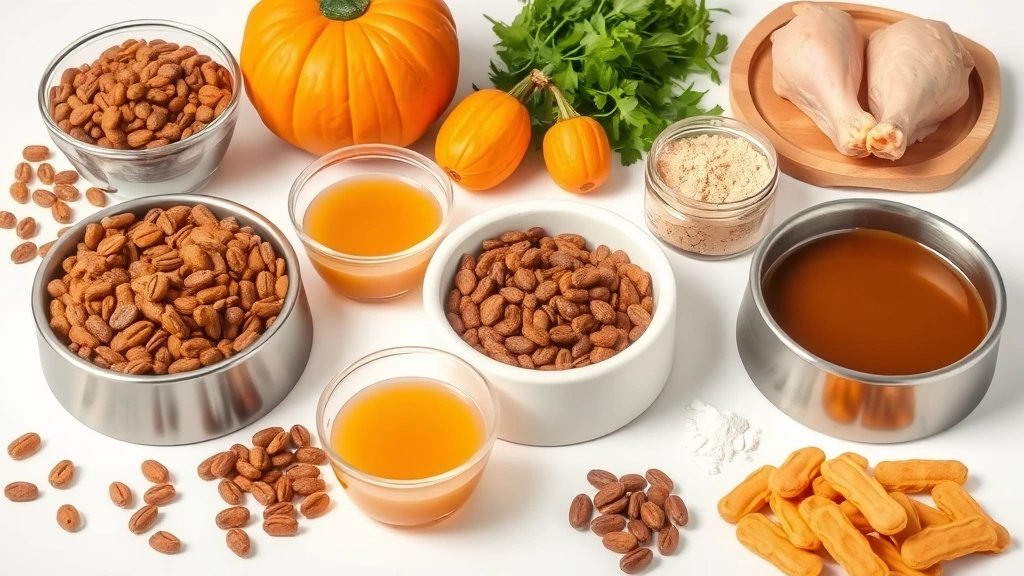
- Days 1-2: Mix 25% new food with 75% old food
- Days 3-4: Mix 50% new food with 50% old food
- Days 5-6: Mix 75% new food with 25% old food
- Day 7+: Transition to 100% new food
If your dog shows any signs of digestive upset during the transition, slow it down even more. Some sensitive dogs need a 14-day transition period.
When to Seek Veterinary Help
While diet is powerful, it’s not a cure-all. Persistent vomiting, bloody stools, severe diarrhea lasting more than a few days, or signs of pain warrant immediate veterinary attention.
Your vet might recommend blood work, fecal testing, or imaging to rule out serious underlying conditions like parasites, pancreatitis, or inflammatory bowel disease. Catching these early puts you in a great position to help.
If you’re unsure whether your pet needs urgent care, The Pet Vet’s telehealth option can connect you with a licensed veterinarian quickly for guidance on next steps.
Supporting Digestive Health Long-Term
Once you’ve found a diet that works, maintaining it is key. Avoid table scraps, sudden treat changes, and feeding from the trash—these are common culprits in flare-ups.
Regular exercise supports healthy digestion too. A good walk after meals can help move food through the system and reduce bloating. Additionally, managing stress and maintaining a consistent daily routine helps keep your dog’s gut calm.
Consider consulting about other health-related dietary needs your dog might have, since GI issues sometimes coincide with other conditions.
Summary: Your Roadmap Forward
Finding the best dog gastrointestinal issues best diet is often a process of elimination and patience, but it’s absolutely worth the effort. Start with limited-ingredient or highly digestible options, consider adding probiotics and digestive enzymes, and implement smaller, more frequent meals. Work closely with your vet to rule out underlying conditions and ensure your approach is safe.
Your dog’s comfort and health depend on getting this right, and the good news is that dietary changes can have surprisingly quick results. Many dogs show improvement within 2-3 weeks of starting an appropriate diet.
Frequently Asked Questions
How long does it take for a new diet to help my dog’s GI issues?
Most dogs show noticeable improvement within 2-4 weeks of starting an appropriate diet. However, some take up to 6-8 weeks to fully settle. Consistency is crucial—stick with the new diet for at least a month before deciding if it’s working.
Can I make homemade food for a dog with GI issues?
Homemade diets can work, but they need to be formulated by a veterinary nutritionist to ensure they’re balanced and appropriate for your dog’s specific condition. Improperly balanced homemade diets can actually worsen GI issues or cause nutritional deficiencies.
Are grain-free diets better for dogs with digestive problems?
Not necessarily. While some dogs do better without grains, others digest grain-free diets poorly. The key is finding what works for your individual dog, not following trends. Work with your vet to test different options.
What human foods are safe to give a dog with a sensitive stomach?
Plain cooked chicken, white rice, sweet potato, and plain pumpkin are generally safe and often soothing for sensitive stomachs. Avoid anything with seasoning, fat, dairy, or ingredients toxic to dogs like onions and garlic.
Should I use a prescription diet or over-the-counter option?
That depends on the severity of your dog’s issues. Mild cases often respond well to quality over-the-counter limited-ingredient diets. Serious or chronic GI problems usually require a prescription diet formulated specifically for therapeutic purposes. Your vet can recommend the best option for your dog.
What To Do Now
- Schedule a vet appointment or telehealth consultation to discuss your dog’s specific symptoms and rule out serious underlying conditions before making major dietary changes.
- Identify potential food triggers by noting what your dog ate before symptoms appeared, and discuss these observations with your vet.
- Choose a limited-ingredient or highly digestible diet based on your vet’s recommendation, and plan a 7-10 day gradual transition.
- Keep a symptom journal for the next 4-6 weeks, noting stool consistency, vomiting episodes, appetite, and energy levels to track improvement.
- Consider adding probiotics or digestive enzymes as your vet suggests, and implement smaller, more frequent meals to support digestive comfort.