
If your dog is struggling with ongoing digestive troubles, you’re not alone—and the good news is that dog gastrointestinal issues chronic management has come a long way. Chronic GI problems can be frustrating for both you and your pup, leaving you wondering if you’re doing everything right. The constant worry about accidents, the vet visits, the dietary experiments—it all adds up.
Table of Contents
- Understanding Chronic Gastrointestinal Issues in Dogs
- Identifying the Root Cause of Your Dog’s Digestive Problems
- The Role of Diet in Chronic Gastrointestinal Management
- Probiotics and Digestive Supplements for Long-Term Support
- Feeding Schedules and Portion Control Strategies
- Stress Management and Environmental Factors
- When to Consider Veterinary Treatment Options
- Managing Flare-Ups and Emergency Warning Signs
- Long-Term Monitoring and Adjustments
- Special Considerations for Senior Dogs with GI Issues
- Frequently Asked Questions
- What To Do Now
- Summary: Creating Your Dog’s Chronic GI Management Plan
This article is for informational purposes only and is not a substitute for professional veterinary advice. Always consult a licensed veterinarian for diagnosis and treatment.
The truth is, many dogs experience persistent gastrointestinal issues, whether it’s loose stools, vomiting, or general digestive upset. But with the right approach to chronic management, you can help your dog feel better and get back to enjoying life. This guide walks you through evidence-based strategies that actually work.
Understanding Chronic Gastrointestinal Issues in Dogs
Chronic gastrointestinal problems in dogs aren’t just about an upset stomach. When symptoms persist for weeks or months, it signals that something deeper needs attention. Your dog may be dealing with food sensitivities, inflammatory conditions, or underlying health issues that require a tailored management plan.
The key difference between acute and chronic GI issues is duration and pattern. Acute problems come on suddenly and resolve quickly, while chronic issues stick around and need ongoing care. Understanding this distinction helps you approach treatment differently—it’s less about quick fixes and more about sustainable solutions.
Identifying the Root Cause of Your Dog’s Digestive Problems
Before you can manage chronic GI issues effectively, you need to know what’s causing them. Common culprits include food allergies, inflammatory bowel disease, pancreatitis, or even stress-related digestive upset. Your veterinarian may recommend diagnostic tests like bloodwork, fecal analysis, or ultrasound to pinpoint the issue.
Keeping a detailed log of your dog’s symptoms helps tremendously. Note when symptoms occur, what your dog ate, activity level, and any other patterns you notice. This information becomes gold when discussing your dog’s condition with your vet—it gives them concrete data to work with rather than vague descriptions.
The Role of Diet in Chronic Gastrointestinal Management
Diet is often the first line of defense in managing chronic GI issues. Many dogs respond beautifully to dietary adjustments, whether that means switching to limited-ingredient foods or prescription diets designed for digestive health. The right nutrition can dramatically reduce inflammation and soothe an irritated digestive tract.
When selecting food for your dog’s chronic digestive issues, look for:
- High-quality, easily digestible proteins
- Moderate fat content (too much can trigger symptoms)
- Adequate fiber for digestive support
- Minimal artificial additives and fillers
- Limited ingredients if food sensitivities are suspected
For more detailed guidance on nutrition, our article on dog gastrointestinal issues best diet explores specific food recommendations and feeding strategies. Catching dietary issues early puts you in a great position to help your dog feel noticeably better within weeks.
Probiotics and Digestive Supplements for Long-Term Support
Probiotics have become game-changers in chronic GI management. These beneficial bacteria help restore balance to your dog’s gut microbiome, which often becomes disrupted when digestive issues develop. A healthy gut microbiome supports better digestion, nutrient absorption, and even immune function.
Beyond probiotics, several supplements support chronic management:
- Digestive enzymes help break down food more efficiently
- Prebiotics feed beneficial bacteria and promote their growth
- Omega-3 fatty acids reduce inflammation in the digestive tract
- L-glutamine supports gut lining integrity
- Slippery elm bark soothes and protects the digestive tract
Always discuss supplements with your veterinarian before starting them. Some may interact with other treatments, and your vet can recommend products backed by research. Learn more about natural approaches in our guide to dog gastrointestinal issues natural remedies.
Feeding Schedules and Portion Control Strategies
How you feed your dog matters just as much as what you feed them. Dogs with chronic GI issues often benefit from smaller, more frequent meals rather than one or two large meals daily. Smaller portions are easier to digest and put less stress on an already-sensitive system.
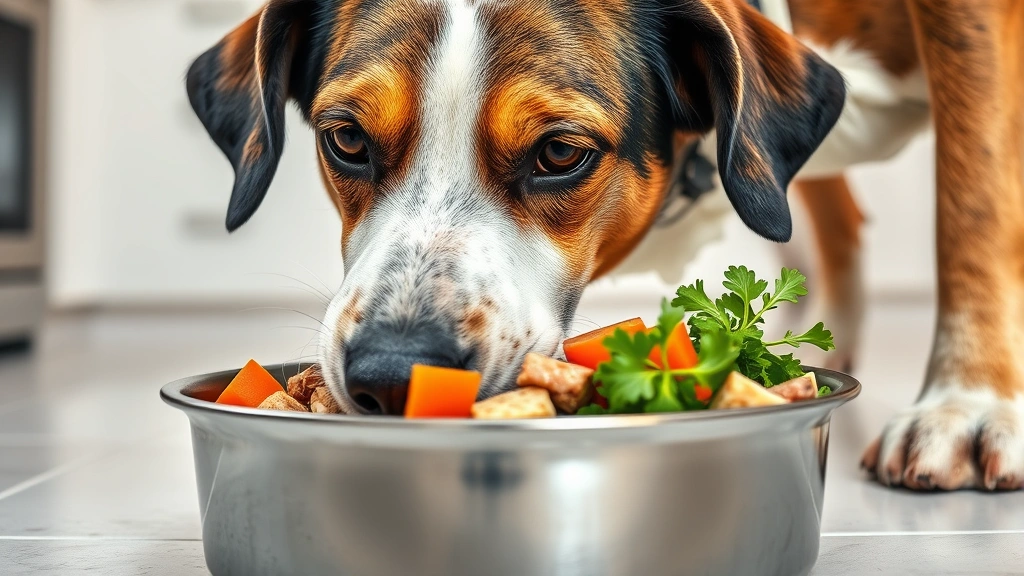
Consider these feeding adjustments:
- Split daily food into 3-4 smaller meals
- Feed at consistent times each day to establish routine
- Avoid feeding right before or after vigorous exercise
- Keep food and water bowls clean to prevent bacterial contamination
- Monitor portion sizes to prevent overfeeding
Consistency is crucial. Your dog’s digestive system thrives on predictability, so establishing a regular feeding schedule helps tremendously. Even small deviations can trigger symptoms in dogs with chronic issues, so patience and attention to detail pay off.
Stress Management and Environmental Factors
Many pet owners don’t realize that stress directly impacts their dog’s digestive health. Anxiety, changes in routine, or environmental stressors can trigger or worsen chronic GI symptoms. Managing stress is therefore an essential component of long-term management.
Ways to reduce stress-related digestive issues:
- Maintain consistent daily routines
- Provide a calm, safe space for your dog to retreat
- Use calming supplements or anxiety aids as recommended by your vet
- Engage in regular, moderate exercise appropriate for your dog’s condition
- Minimize exposure to known stressors when possible
A relaxed dog is a dog with a healthier digestive system. Taking time to create a peaceful environment for your pup isn’t just nice—it’s therapeutic for their gut health too.
When to Consider Veterinary Treatment Options
While diet and lifestyle modifications work for many dogs, some chronic GI issues require veterinary treatment. Your vet might recommend specific medications or therapies based on the underlying cause. Understanding available options helps you make informed decisions about your dog’s care.
Common treatment approaches include:
- Anti-inflammatory medications to reduce digestive tract irritation
- Antibiotics if bacterial overgrowth is suspected
- Medications to regulate motility and reduce vomiting
- Immunosuppressive therapy for certain inflammatory conditions
For a comprehensive overview, check out our detailed article on dog gastrointestinal issues treatment options. Your veterinarian will help determine which approach best suits your dog’s specific situation. Starting treatment early puts your dog in the best position for long-term comfort and health.
Managing Flare-Ups and Emergency Warning Signs
Even with excellent chronic management, occasional flare-ups happen. Knowing how to handle them and recognizing when your dog needs urgent care is critical. Most flare-ups respond well to dietary adjustments and rest, but some warrant immediate veterinary attention.
Watch for these warning signs that require prompt veterinary care:
- Severe vomiting or inability to keep food down
- Blood in stool or vomit
- Extreme lethargy or collapse
- Abdominal pain or distension
- Signs of dehydration (dry gums, sunken eyes)
- Symptoms lasting more than 24-48 hours
If you’re unsure whether your pet needs urgent care, a quick telehealth check-in can give you peace of mind—no appointment needed. The team at The Pet Vet can help you assess whether your dog’s symptoms require immediate attention or can be managed at home. Getting guidance quickly prevents minor issues from becoming major ones.
Long-Term Monitoring and Adjustments
Successful chronic management isn’t a one-time fix—it requires ongoing attention and adjustments. Your dog’s needs may change over time, and what works perfectly today might need tweaking in six months. Regular veterinary check-ins help catch changes early and keep your management plan effective.
Schedule routine follow-ups with your vet to:
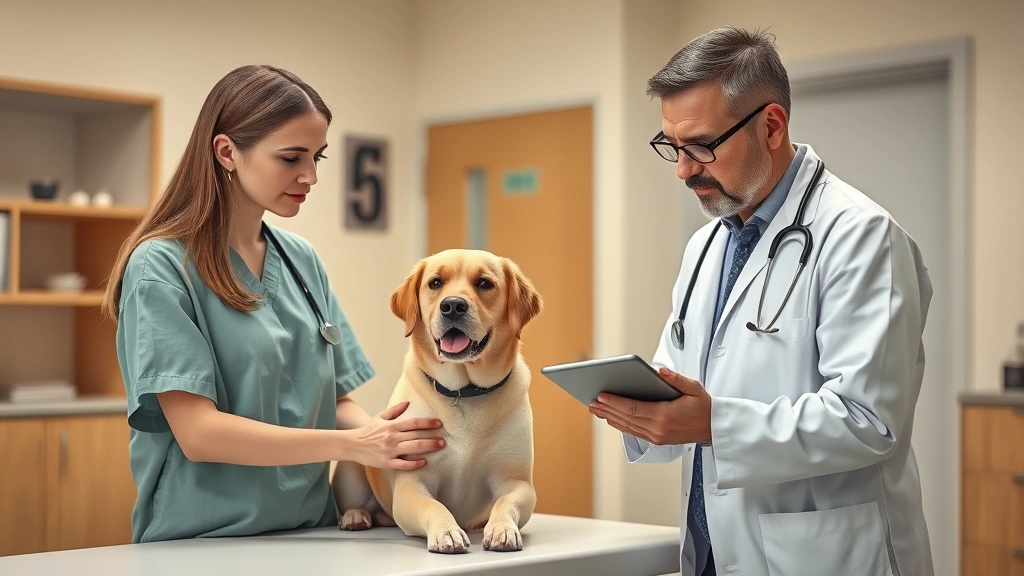
- Monitor symptom patterns and improvement
- Assess whether current treatments are working
- Adjust diet or medications as needed
- Screen for complications or new issues
- Discuss any concerns or changes in your dog’s condition
Think of chronic management as a partnership between you and your veterinarian. You’re the expert on your dog’s daily life and patterns, while your vet brings medical knowledge and diagnostic tools. Together, you can create a management plan that truly works.
Special Considerations for Senior Dogs with GI Issues
Senior dogs often experience increased gastrointestinal sensitivity, and managing chronic issues in older pups requires some special considerations. Their digestive systems may be less efficient, and they might have multiple health conditions that complicate management. For comprehensive guidance, explore our article on dog gastrointestinal issues in senior pets.
Older dogs benefit from:
- Even smaller, more frequent meals
- Softer food that’s easier to digest
- Careful monitoring for medication interactions
- More frequent veterinary check-ups
- Gentle exercise appropriate for their age and condition
Age-related GI issues are manageable with the right approach, and many senior dogs continue to thrive with proper chronic management strategies.
Frequently Asked Questions
How long does it take to see improvement with chronic GI management?
Most dogs show noticeable improvement within 2-4 weeks of dietary changes and lifestyle adjustments, though some take longer. Patience and consistency are key—give your management plan at least a month before making major changes.
Can I switch my dog’s food if they have chronic gastrointestinal issues?
Yes, but do it gradually over 7-10 days to avoid triggering flare-ups. Mix increasing amounts of the new food with the old food, allowing your dog’s digestive system to adjust slowly.
Are there foods I should definitely avoid with chronic GI issues?
Common trigger foods include high-fat items, dairy, grains (for some dogs), and foods with artificial additives. For a detailed list, check out our guide on dog gastrointestinal issues foods to avoid.
Is chronic GI disease in dogs curable?
Many chronic conditions can be managed very effectively but may not be completely curable. However, with proper management, most dogs enjoy excellent quality of life and minimal symptoms.
When should I contact my vet about my dog’s chronic GI issues?
Contact your vet if symptoms worsen, new symptoms develop, or your current management plan isn’t working. Also schedule regular check-ups every 3-6 months to monitor progress.
What To Do Now
Ready to take action? Here are specific steps you can implement today:
- Schedule a veterinary consultation if you haven’t already—your vet needs to rule out serious underlying conditions and help identify the cause of your dog’s symptoms.
- Start a symptom journal documenting when issues occur, what your dog ate, activity level, and any other patterns. This information is invaluable for your vet and helps track improvement over time.
- Evaluate your dog’s current diet and consider whether a switch to a limited-ingredient or digestive-health focused formula might help. Discuss options with your veterinarian before making changes.
- Implement a consistent feeding schedule with smaller, more frequent meals if your dog isn’t already on one. Consistency helps regulate your dog’s digestive system.
- Reduce stress factors in your dog’s environment and establish a calm daily routine. Small changes here often lead to significant improvements in GI symptoms.
Summary: Creating Your Dog’s Chronic GI Management Plan
Managing chronic gastrointestinal issues in dogs requires a multi-faceted approach combining diet, supplements, stress management, and veterinary oversight. There’s no one-size-fits-all solution, but with patience and attention to your individual dog’s needs, you can dramatically improve their quality of life.
The journey might feel overwhelming at first, but remember that you’re making a real difference in your dog’s daily comfort and health. Start with the basics—diet and feeding schedule—and work with your veterinarian to add other management strategies as needed. Most dogs respond beautifully when their owners commit to consistent, thoughtful care.
Your dog is counting on you, and the fact that you’re reading this shows you’re already doing everything right. Stay consistent, stay patient, and don’t hesitate to reach out to your vet or a telehealth service when you need guidance. Better days are ahead for your pup.