
When your dog is experiencing dog gastrointestinal issues, home treatment can be a compassionate first step to help ease their discomfort and get them back to their happy, tail-wagging self. If your pup has been dealing with digestive upset—whether it’s vomiting, diarrhea, constipation, or loss of appetite—you’re probably feeling worried and wanting to help right away.
Table of Contents
- Understanding Dog Gastrointestinal Issues
- Remedy 1: The Bland Diet Approach
- Remedy 2: Hydration and Electrolyte Support
- Remedy 3: Probiotics for Gut Health
- Remedy 4: Pumpkin Puree for Digestive Balance
- Remedy 5: Fasting and Gradual Reintroduction
- Remedy 6: Slippery Elm and Bone Broth
- Remedy 7: Stress Reduction and Environmental Changes
- When to Seek Professional Veterinary Care
- Preventing Future Gastrointestinal Issues
- Frequently Asked Questions
- What To Do Now
- Final Thoughts
This article is for informational purposes only and is not a substitute for professional veterinary advice. Always consult a licensed veterinarian for diagnosis and treatment.
The good news? Many mild to moderate digestive issues can be managed at home with the right approach. In this guide, we’ll walk you through seven evidence-based remedies that veterinarians often recommend, along with practical tips for supporting your dog’s gut health during recovery.
Understanding Dog Gastrointestinal Issues
Your dog’s digestive system is delicate, and several factors can throw it off balance. Common causes include dietary indiscretion (eating something they shouldn’t), sudden food changes, stress, infections, or food sensitivities.
Recognizing the signs early—like soft stools, reduced appetite, or mild vomiting—puts you in a great position to intervene before things escalate. Most cases of acute gastroenteritis resolve within a few days with supportive care at home.
Remedy 1: The Bland Diet Approach
One of the most effective home treatments for dog gastrointestinal issues is switching to a bland, easily digestible diet temporarily. This gives your dog’s stomach and intestines a chance to heal without working overtime.
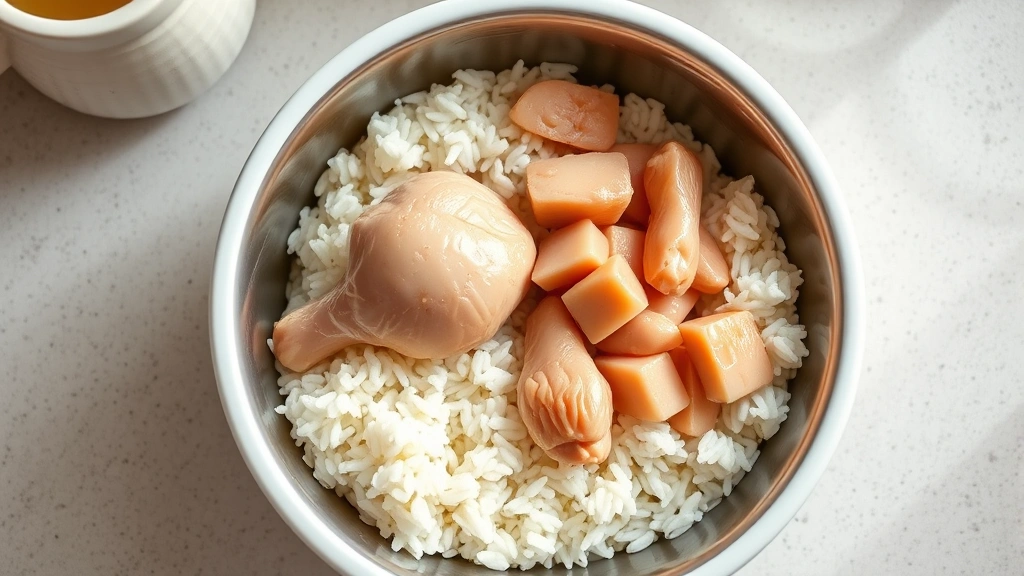
A bland diet typically consists of:
- Plain boiled chicken (skinless and boneless)
- Plain white or brown rice
- Plain sweet potato (cooked)
- Plain pumpkin puree (not pie filling)
Feed small portions every 4-6 hours rather than one large meal. This approach reduces stress on the digestive tract and makes it easier for your dog to absorb nutrients. You can gradually transition back to their regular food over 7-10 days, mixing increasing amounts of their normal diet with the bland food.
For specific recipe ideas tailored to your dog’s needs, check out our low-fat dog recipes guide, which offers nutritious options during recovery.
Remedy 2: Hydration and Electrolyte Support
Dehydration is a serious concern when your dog has vomiting or diarrhea. Replacing lost fluids and electrolytes is crucial for recovery.
Here’s what you can do:
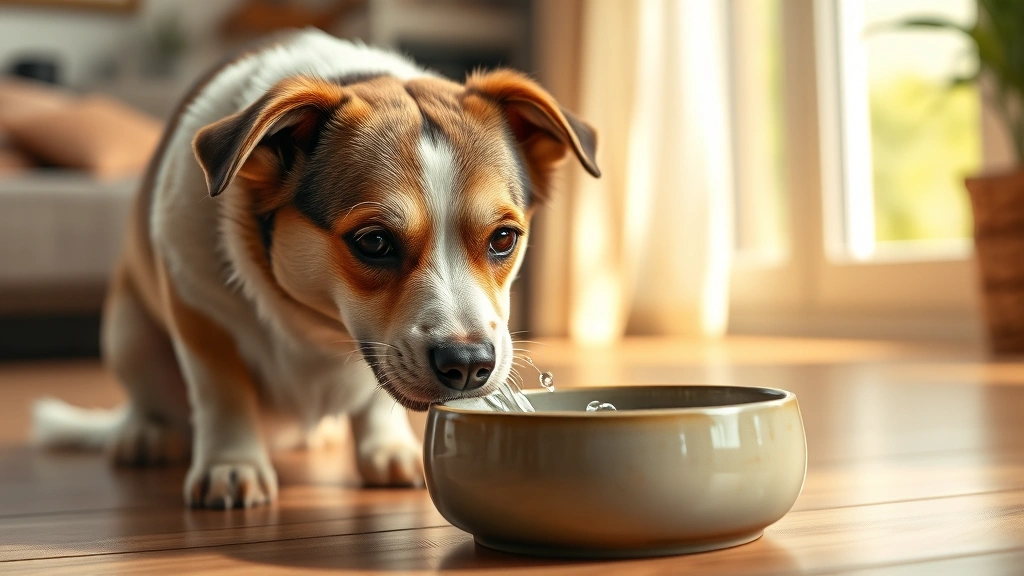
- Offer fresh water frequently in small amounts (rather than allowing unlimited access, which can trigger more vomiting)
- Consider low-sodium bone broth (homemade or store-bought) to encourage drinking
- Ask your vet about pet-safe electrolyte solutions designed for rehydration
If your dog refuses water or shows signs of severe dehydration (dry gums, lethargy, sunken eyes), this is a sign you need professional help. A quick telehealth check-in with a veterinarian can determine if your pup needs IV fluids or other interventions.
Remedy 3: Probiotics for Gut Health
Probiotics are beneficial bacteria that support a healthy gut microbiome. When your dog’s digestive system is upset, the balance of good and bad bacteria can be disrupted.
Quality probiotics designed for dogs may help restore balance and reduce symptoms like diarrhea and gas. Look for products with multiple probiotic strains and a high CFU (colony-forming unit) count.
Many pet owners report improvements within 3-5 days of starting probiotics. Consistency matters—stick with the supplement for at least a week or two to see real benefits. Always choose a product specifically formulated for dogs, as human probiotics may not be effective for our furry friends.
Remedy 4: Pumpkin Puree for Digestive Balance
Plain pumpkin puree (not pumpkin pie filling, which contains sugar and spices) is a natural remedy that works for both diarrhea and mild constipation. It’s rich in fiber and easy on the stomach.
For most dogs, 1-4 tablespoons of plain pumpkin puree per day, mixed into their food, can help firm up loose stools or gently encourage bowel movements. Start with a smaller amount and adjust based on your dog’s response.
This remedy is gentle, affordable, and backed by many veterinarians as a safe first-line treatment for minor digestive upset.
Remedy 5: Fasting and Gradual Reintroduction
Sometimes the best thing you can do is give your dog’s digestive system a break. A short fast (12-24 hours, depending on your dog’s age and health) can allow the gut to rest and recover.
After the fasting period, reintroduce food slowly with small amounts of bland, easily digestible options. This gives your dog’s system time to readjust without being overwhelmed.
Never fast a puppy, senior dog, or dog with a chronic health condition without veterinary guidance. If you’re unsure whether fasting is appropriate for your pup, a quick telehealth check-in can give you peace of mind—no appointment needed.
Remedy 6: Slippery Elm and Bone Broth
Slippery elm is an herbal supplement that coats and soothes the digestive tract. When mixed with bone broth, it becomes a gentle, nourishing remedy for irritated guts.
Slippery elm may help reduce inflammation and provide comfort during recovery. Bone broth adds collagen and amino acids that support gut healing. Many holistic veterinarians recommend this combination as a supportive therapy alongside other treatments.
Dosing and preparation vary, so consult your vet for guidance specific to your dog’s size and condition.
Remedy 7: Stress Reduction and Environmental Changes
Stress can significantly impact your dog’s digestive health. Creating a calm, comfortable environment during recovery helps their body focus energy on healing.
Consider these adjustments:
- Keep your dog in a quiet space with minimal activity
- Maintain a consistent routine for feeding and bathroom breaks
- Reduce exposure to other pets or stressful situations temporarily
- Offer comfort through gentle petting and reassurance
A calm dog is a dog whose body can dedicate resources to recovery. This simple remedy is often overlooked but surprisingly effective.
When to Seek Professional Veterinary Care
While home treatment works for many cases of mild dog gastrointestinal issues, some situations require professional attention. Contact your veterinarian if your dog shows:
- Persistent vomiting or diarrhea lasting more than 48 hours
- Bloody stools or vomit
- Severe lethargy or collapse
- Abdominal pain or bloating
- Signs of dehydration
- Loss of appetite for more than 24 hours
Underlying conditions like clostridium infection in dogs or colic in dogs may require specific medical treatment. If you’re uncertain, don’t hesitate to reach out to a vet for guidance.
Preventing Future Gastrointestinal Issues
Once your dog recovers, prevention becomes key. Most digestive upset can be avoided with thoughtful management.
Keep these prevention strategies in mind:
- Avoid sudden dietary changes—transition new foods over 7-10 days
- Monitor what your dog has access to (no human food scraps or garbage)
- Maintain a consistent feeding schedule
- Choose high-quality dog food appropriate for your dog’s age and health status
- Consider an elimination diet feeding plan if your dog has recurring sensitivities
If your dog has a pattern of digestive issues, work with your vet to identify food triggers or underlying conditions that may need ongoing management.
Frequently Asked Questions
How long does it take for home treatment to work?
Most mild cases of dog gastrointestinal upset improve within 24-48 hours with proper home care. However, some dogs may need 5-7 days for full recovery.
Is it safe to use over-the-counter medications for my dog’s digestive issues?
Some over-the-counter remedies are safe for dogs, but others can be harmful. Always consult your vet before giving any medication or supplement to ensure it’s appropriate for your dog’s specific situation.
Can probiotics help prevent future digestive problems?
Yes, many veterinarians recommend ongoing probiotic use for dogs prone to digestive upset. Probiotics support a healthy gut microbiome, which can reduce the frequency and severity of future episodes.
What’s the difference between acute and chronic gastrointestinal issues?
Acute issues come on suddenly and typically resolve within days or weeks with treatment. Chronic issues persist for weeks or months and may require ongoing management or investigation into underlying causes.
Should I continue home treatment if my dog isn’t improving after 48 hours?
If your dog shows no improvement after 48 hours, or if symptoms worsen, contact your veterinarian. This could indicate a more serious condition requiring professional diagnosis and treatment.
What To Do Now
If your dog is currently experiencing digestive upset, here are your next steps:
- Assess the severity: Note your dog’s symptoms, how long they’ve lasted, and any changes in behavior or appetite. This information helps your vet make an accurate assessment.
- Start with a bland diet: Switch your dog to plain boiled chicken and rice in small, frequent portions. This is safe and often effective for mild cases.
- Ensure hydration: Offer fresh water frequently and monitor for signs of dehydration. If your dog refuses water or shows concerning signs, reach out to a vet immediately.
- Consider probiotics: If home treatment isn’t showing results within 24 hours, add a quality dog probiotic to support gut recovery.
- Get professional guidance if needed: If you’re unsure whether your pet needs urgent care, a quick telehealth check-in with The Pet Vet can give you peace of mind—no appointment needed. Our vets can assess your dog’s symptoms and recommend the best next steps for your situation.
Final Thoughts
Dog gastrointestinal issues home treatment is often effective for mild to moderate cases, and these seven remedies give you practical, evidence-based tools to support your pup’s recovery. Remember that every dog is unique—what works wonderfully for one may need adjustment for another.
The key is patience, consistency, and knowing when to bring in professional help. Your dog depends on you to notice changes and act thoughtfully, and you’re doing great by seeking information and taking steps to help them feel better.
If you have any questions or concerns about your dog’s digestive health, don’t hesitate to reach out to your veterinarian or schedule a telehealth consultation. Your dog’s well-being is worth the peace of mind.