
When your dog is struggling with gastrointestinal issues, one of the first questions that comes to mind is: how long will recovery take? The answer depends on what’s causing the problem, how quickly you catch it, and how well your pup responds to treatment. Dog gastrointestinal issues recovery time can range from a few days for mild cases to several weeks for more serious conditions, but understanding the timeline helps you stay calm and focused on getting your furry friend better.
Table of Contents
- Understanding Dog Gastrointestinal Issues and Recovery Timelines
- Common Causes and Their Expected Recovery Periods
- The Role of Veterinary Diagnosis in Recovery Speed
- What Happens During the Recovery Phase
- Medications and Treatment Approaches
- Signs Your Dog Is Recovering Well
- When Recovery Takes Longer Than Expected
- Nutrition’s Impact on Recovery Time
- Long-Term Management After Initial Recovery
- When to Seek Emergency Care
- Frequently Asked Questions
- What to Do Now
- Summary: Understanding Recovery and Supporting Your Pup
This article is for informational purposes only and is not a substitute for professional veterinary advice. Always consult a licensed veterinarian for diagnosis and treatment.
Digestive problems in dogs are incredibly common, and the good news is that most cases respond well to proper care and attention. Whether it’s acute gastroenteritis, inflammatory bowel disease, or something else entirely, knowing what to expect during recovery can ease your worry and help you provide the best support for your pup.
Understanding Dog Gastrointestinal Issues and Recovery Timelines
Not all digestive problems are created equal, and recovery time varies significantly based on the underlying cause. Acute cases—like those caused by eating something they shouldn’t or a viral infection—often improve within 3 to 7 days with proper care. Chronic conditions, on the other hand, may take weeks or months to stabilize.
The key is recognizing early signs and getting your dog evaluated promptly. Catching issues early puts you in a great position to help your pup bounce back faster. Your vet will run diagnostics to pinpoint exactly what’s going on, which directly impacts how long recovery will take.
Common Causes and Their Expected Recovery Periods
Several conditions fall under the umbrella of gastrointestinal issues. Understanding which one your dog may be experiencing helps set realistic expectations for recovery.
Acute Gastroenteritis: This inflammation of the stomach and intestines often comes on suddenly and typically resolves within 3 to 5 days once treatment begins. Rest, a bland diet, and supportive care work wonders for most dogs.
Food Sensitivities or Allergies: If your dog is reacting to something in their diet, recovery happens once you identify and eliminate the trigger—usually within 1 to 2 weeks of dietary changes.
Inflammatory Bowel Disease (IBD): This chronic condition requires longer-term management, with noticeable improvement typically appearing after 4 to 8 weeks of consistent treatment and dietary adjustments.
Pancreatitis: Mild cases may improve in a week or two, but severe cases can take 3 to 4 weeks or longer, depending on how quickly inflammation subsides.
Parasitic Infections: Once treatment begins, most parasitic issues clear up within 1 to 2 weeks, though follow-up care is essential to prevent reinfection.
The Role of Veterinary Diagnosis in Recovery Speed
Getting an accurate diagnosis is the foundation of faster recovery. Your vet may recommend blood work, fecal tests, ultrasounds, or even endoscopy to understand what’s happening inside your dog’s digestive system.
This diagnostic step isn’t just thorough—it’s essential. Knowing whether your dog has an infection, food sensitivity, or structural issue completely changes the treatment approach and recovery timeline. A dog with a bacterial infection needs different support than one with IBD.
If you’re unsure whether your pet needs urgent care or wants a second opinion, a quick telehealth check-in with a vet can give you peace of mind without the stress of a full clinic visit. Many vets now offer these consultations with minimal wait time.
What Happens During the Recovery Phase
Recovery isn’t just about waiting—it’s an active process where you play a crucial role. Most vets recommend specific dietary changes, rest, and careful monitoring during this time.
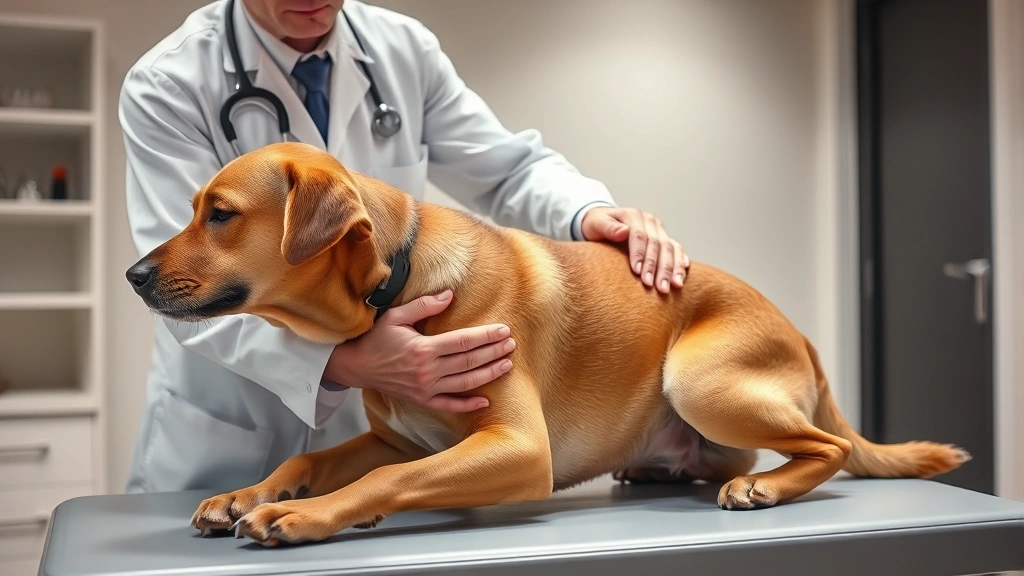
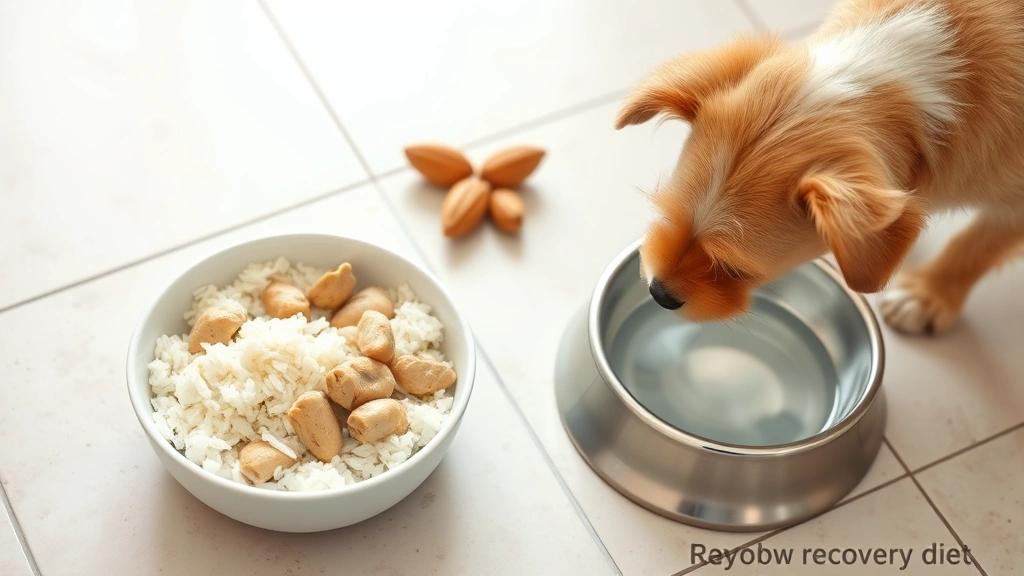
Your dog’s digestive system needs time to heal, which means avoiding rich foods, treats, and anything that might upset their stomach. A bland, easily digestible diet (often rice and boiled chicken, though your vet will advise) gives the gut a chance to recover without extra stress.
Hydration matters tremendously during recovery. Make sure your pup has constant access to fresh water, as digestive issues often lead to dehydration. Some dogs benefit from small, frequent meals rather than one or two large ones.
Medications and Treatment Approaches
While this article focuses on recovery timelines rather than specific medications, it’s important to know that treatment plans vary widely. Your vet may recommend medications to reduce inflammation, manage symptoms, or address underlying infections.
The type and duration of medication directly impact recovery speed. Some dogs need just a few days of supportive care, while others benefit from longer-term pharmaceutical support. Never skip doses or stop medication early, even if your dog seems better—consistency is key to lasting recovery.
For detailed information on specific treatment options, check out our comprehensive guide to dog gastrointestinal issues treatment options. Your vet can also discuss natural remedies alongside conventional treatment—learn about complementary approaches here.
Signs Your Dog Is Recovering Well
As days pass, watch for positive changes that indicate your pup is on the mend. These signs vary depending on what condition they’re recovering from, but generally include:
- Return to normal energy levels and playfulness
- Improved appetite and interest in food
- Firmer, more regular stools
- Less vomiting or complete absence of vomiting
- Reduced abdominal discomfort or bloating
- Better coat condition and overall appearance
Progress may not be perfectly linear—some days will be better than others. That’s normal. What matters is the overall trend moving toward improvement.
When Recovery Takes Longer Than Expected
Sometimes dogs don’t bounce back as quickly as hoped. This might mean the underlying condition is more complex than initially thought, or your pup’s body needs more time to heal.
If your dog isn’t showing improvement after 7 to 10 days of treatment, contact your vet immediately. They may need additional diagnostics or a different treatment approach. Catching setbacks early prevents complications and gets recovery back on track.
Certain breeds are predisposed to chronic digestive issues, which can affect recovery timelines. German Shepherds, for example, are prone to colitis in dogs, which may require longer management periods.
Nutrition’s Impact on Recovery Time
What you feed your dog during and after recovery directly influences how quickly they heal. A bland diet during the acute phase prevents further irritation, but transitioning back to regular food matters too.
Most vets recommend a gradual transition—mixing increasing amounts of regular food with bland food over 7 to 10 days. This gentle approach prevents relapse and gives the digestive system time to readjust.
Some dogs benefit from prescription digestive diets formulated to be extra gentle on the gut. Others do well with high-quality, limited-ingredient commercial foods. Your vet will guide you on what works best for your individual pup. For more details, see our guide to foods to avoid during GI recovery.
Long-Term Management After Initial Recovery
Once your dog recovers from an acute episode, the work isn’t necessarily done. Many dogs benefit from ongoing management strategies to prevent future issues.
This might include maintaining a consistent, high-quality diet, regular exercise, stress reduction, and periodic vet check-ups. For chronic conditions like IBD, management is lifelong—but most dogs live happy, full lives with proper care.
Understanding your dog’s specific condition helps you prevent relapses. If your pup had a food sensitivity, you’ll know to avoid that ingredient forever. If stress triggers issues, you’ll work on calming strategies. Learning to spot early signs means you can intervene quickly if problems recur.
When to Seek Emergency Care
Some gastrointestinal issues require immediate veterinary attention. Don’t wait if your dog shows these warning signs:
- Severe or persistent vomiting that won’t stop
- Inability to keep any food or water down
- Signs of severe pain or distress
- Lethargy or collapse
- Bloody vomit or stools
- Suspected foreign object ingestion
These situations may indicate blockages, severe infections, or other emergencies that need immediate intervention. Catching these early dramatically improves outcomes and can shorten overall recovery time.
Frequently Asked Questions
How long does it take for a dog’s stomach to settle after vomiting?
Most dogs’ stomachs settle within 12 to 24 hours once vomiting stops, especially with rest and a bland diet. However, if vomiting persists beyond this window, contact your vet.
Can I give my dog regular food during recovery?
Not immediately—stick to bland foods for the first few days, then gradually reintroduce regular food over a week or so. Your vet will advise on the best timeline for your specific dog.
Is recovery faster with medication?
Generally yes. Appropriate medication addresses the underlying cause and manages symptoms, which typically speeds recovery compared to letting issues resolve on their own.
What if my dog has chronic gastrointestinal issues?
Chronic conditions don’t have a “recovery” timeline like acute issues do. Instead, they require ongoing management with diet, medication, and lifestyle adjustments to keep symptoms controlled.
How do I know if my dog needs emergency care for GI issues?
Seek emergency care if your dog shows severe vomiting, inability to keep anything down, signs of extreme pain, lethargy, or bloody vomit or stools. When in doubt, it’s better to get checked out.
What to Do Now
If your dog is currently struggling with gastrointestinal issues, here are your next steps:
- Schedule a vet appointment immediately if you haven’t already. Diagnosis is the first step to understanding recovery timelines and getting proper treatment started.
- Document symptoms and timeline—when vomiting or diarrhea started, what your dog ate, any behavioral changes. This information helps your vet narrow down the cause.
- Prepare for dietary changes by having bland foods on hand (rice, boiled chicken) in case your vet recommends them. Clear instructions on feeding will come from your vet.
- Monitor hydration closely and ensure fresh water is always available. Dehydration complicates recovery, so watch for signs like dry gums or lethargy.
- Follow your vet’s treatment plan exactly, even if your dog seems better. Consistency matters for lasting recovery, and skipping steps can lead to setbacks.
Summary: Understanding Recovery and Supporting Your Pup
Dog gastrointestinal issues recovery time depends on the cause, severity, and how quickly treatment begins. Most acute cases improve within 3 to 7 days, while chronic conditions require longer management. The key to faster recovery is getting an accurate diagnosis, following your vet’s treatment plan consistently, and making dietary adjustments as recommended.
Your role as a pet parent is crucial—you’re the one monitoring your dog’s progress, managing their diet, and catching any setbacks early. With patience, proper care, and professional guidance, most dogs bounce back wonderfully from gastrointestinal issues. Remember, you’re not alone in this. Your vet is your partner in helping your pup feel better, and resources like telehealth consultations are available if you need quick answers or reassurance along the way.
Stay observant, stay consistent with treatment, and trust that most dogs recover well with the right support. Your pup is lucky to have someone who cares enough to seek answers.