
If your dog is experiencing dog gastrointestinal issues symptoms, you’re probably worried—and rightfully so. Our furry friends can’t tell us what’s wrong, so spotting the warning signs early is crucial to getting them the help they need.
Table of Contents
- What Are Dog Gastrointestinal Issues?
- 7 Warning Signs of Dog Gastrointestinal Issues Symptoms
- Common Causes of Dog Gastrointestinal Issues
- When to Seek Immediate Veterinary Care
- Dietary Adjustments for GI Relief
- Hydration and Home Care
- Prevention Tips for Healthy Digestion
- When Chronic Issues Require Specialist Care
- Frequently Asked Questions
- What To Do Now
- Summary
This article is for informational purposes only and is not a substitute for professional veterinary advice. Always consult a licensed veterinarian for diagnosis and treatment.
Gastrointestinal problems are among the most common reasons dog owners rush to the vet. The good news? Many GI issues are manageable when caught early, and understanding what to look for puts you in the best position to help your pup feel better fast.
What Are Dog Gastrointestinal Issues?
Dog gastrointestinal issues refer to any problem affecting your dog’s stomach, intestines, or digestive system. These can range from mild and temporary to serious and chronic. Your dog’s digestive health is foundational to their overall well-being, so recognizing symptoms early matters.

The digestive tract is complex, and issues can stem from diet, infections, stress, allergies, or underlying medical conditions. That’s why identifying the specific symptoms your dog is showing helps guide the right next steps.
7 Warning Signs of Dog Gastrointestinal Issues Symptoms
Let’s walk through the most common signs that your dog may be struggling with their digestive health.
1. Vomiting or Regurgitation
Vomiting is one of the clearest indicators that something isn’t right with your dog’s stomach or upper digestive tract. If your dog is vomiting once or twice, it might be a reaction to something they ate. However, repeated vomiting—especially over several hours or days—could signal a more serious problem.

Pay attention to what the vomit looks like. Is it undigested food, yellow bile, or does it contain blood? These details help your vet narrow down the cause. Catching this early puts you in a great position to prevent dehydration and other complications.
2. Diarrhea or Loose Stools
Occasional soft stools happen to every dog, but persistent diarrhea is a red flag. If your dog has loose or watery stools for more than a day or two, their gut is telling you something needs attention.
Diarrhea can quickly lead to dehydration, especially in small breeds or puppies. Keep track of how often it’s happening and whether there’s any blood or mucus in the stool. These observations are invaluable when talking to your vet.

3. Loss of Appetite
Dogs typically love mealtime, so a sudden disinterest in food is worth taking seriously. Loss of appetite often accompanies other GI symptoms and can be a sign that your dog is experiencing nausea or abdominal discomfort.
If your dog skips one meal, it might not be urgent. But if they’re refusing food for more than 12-24 hours, that’s your cue to reach out to a veterinarian.
4. Abdominal Pain or Bloating
Dogs with belly pain may display several behaviors: hunching their back, whining, restlessness, or reluctance to move. Some dogs will assume a “play bow” position—front legs stretched out while the rear stays elevated—as if trying to stretch their abdomen.
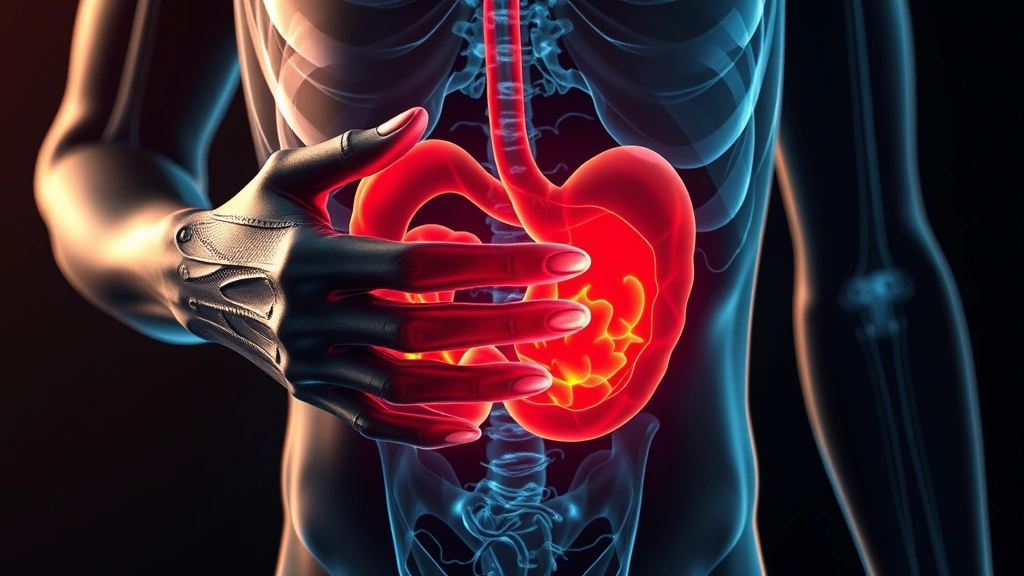
Bloating is particularly concerning because it can indicate a life-threatening condition called gastric dilatation-volvulus (GDV), especially in large breeds. If your dog’s belly looks swollen and they’re acting uncomfortable, seek urgent veterinary care immediately.
5. Constipation
On the flip side, some dogs struggle with constipation. If your dog is straining to have a bowel movement, producing hard or dry stools, or hasn’t had a bowel movement in 2-3 days, they may be constipated.
Constipation can be painful and, if left untreated, can lead to more serious blockages. A diet low in fiber or dehydration are common culprits, but your vet can help identify the underlying cause.
6. Excessive Gas or Gurgling Sounds
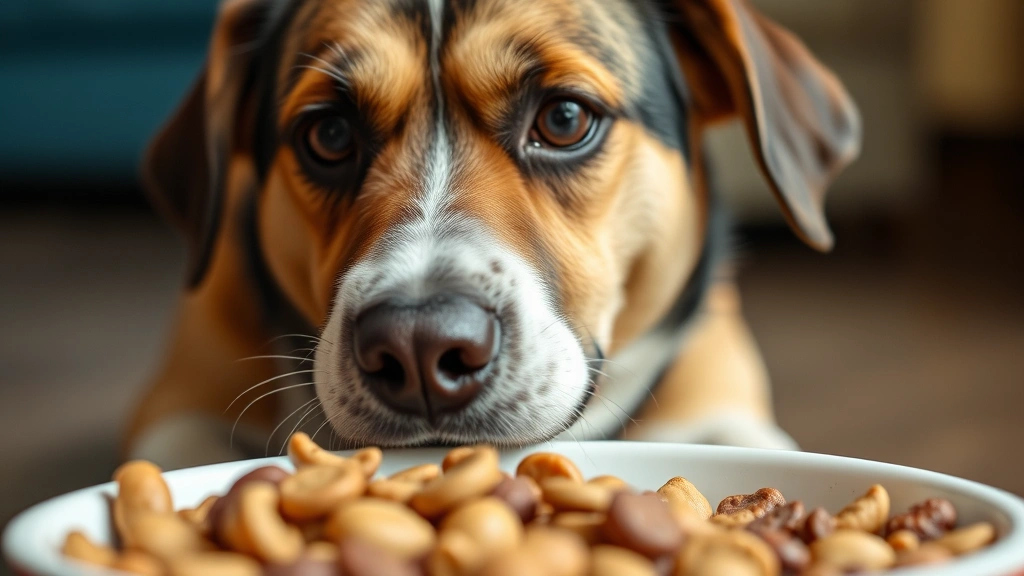
While occasional gas is normal, excessive flatulence or audible stomach gurgling can indicate that your dog’s digestive system is struggling. These sounds often accompany food sensitivities or dietary changes.
If the gas is accompanied by bloating, pain, or other symptoms, it warrants a vet visit. If it’s just occasional and your dog seems otherwise fine, monitor the situation and consider a gradual diet adjustment.
7. Lethargy or Behavioral Changes
When dogs don’t feel well, they show it through their behavior. A dog that’s normally playful but suddenly seems tired, withdrawn, or uninterested in activities may be experiencing GI discomfort.

Lethargy combined with any of the other symptoms above is a strong signal that professional help is needed. Your dog’s energy level is a window into their overall health.
Common Causes of Dog Gastrointestinal Issues
Understanding what might be causing your dog’s symptoms helps you take preventive action. Here are the most frequent culprits:
- Dietary indiscretion: Eating something they shouldn’t, including toxic human foods for dogs or garbage
- Sudden diet changes: Switching foods too quickly without a gradual transition
- Food allergies or sensitivities: Reactions to specific ingredients or proteins
- Infections: Bacterial, viral, or parasitic infections affecting the gut
- Stress: Anxiety can trigger digestive upset in sensitive dogs
- Underlying medical conditions: Issues like dog kidney disease emergency signs or dog liver disease emergency signs can manifest with GI symptoms
- Foreign object ingestion: Swallowing toys, bones, or other non-food items
When to Seek Immediate Veterinary Care
Some symptoms require urgent attention. Don’t wait if your dog is experiencing any of these:

- Severe abdominal pain or a visibly swollen belly
- Vomiting that won’t stop or contains blood
- Black, tarry, or bloody stools
- Signs of dehydration (dry gums, sunken eyes, lethargy)
- Inability to defecate or urinate
- Choking or difficulty swallowing
- Collapse or loss of consciousness
If you’re unsure whether your pet needs urgent care, a quick telehealth check-in can give you peace of mind—no appointment needed. The Pet Vet makes it easy to get professional guidance from your phone.
Dietary Adjustments for GI Relief
Once your vet has ruled out serious conditions, diet often plays a key role in recovery. A bland, easily digestible diet can work wonders for mild GI upset.
Many vets recommend a temporary shift to boiled chicken and rice, or a prescription digestive diet. Avoid human food scraps and stick to high-quality, limited-ingredient foods once your dog recovers.

For dogs with chronic sensitivities, your vet may recommend prescription diets or homemade dog treats made with safe, whole ingredients. Always transition slowly to new foods over 7-10 days to prevent digestive upset.
Hydration and Home Care
Dehydration is a serious risk when your dog has diarrhea or vomiting. Ensure fresh water is always available, and consider offering water in small, frequent amounts rather than large bowls.
Some vets suggest bone broth or low-sodium chicken broth to encourage hydration and provide gentle nutrition. Ice chips can also help if your dog isn’t interested in drinking.

Keep your dog calm and in a comfortable, quiet space while they recover. Rest is essential for healing, and stress can worsen GI symptoms.
Prevention Tips for Healthy Digestion
The best medicine is prevention. Here’s how to keep your dog’s digestive system healthy:
- Feed a consistent, high-quality diet: Stick with one food and avoid frequent changes. If you must switch, do it gradually over 7-10 days.
- Avoid table scraps and toxic foods: Keep human food off-limits, especially items like chocolate, grapes, onions, and fatty foods.
- Manage stress: Provide exercise, play, and a calm environment to reduce anxiety-related GI issues.
- Regular parasite prevention: Keep your dog on a veterinarian-recommended parasite prevention plan.
- Maintain a healthy weight: Obesity puts extra strain on the digestive system.
- Supervise chewing: Prevent your dog from swallowing toys, bones, or other foreign objects.
When Chronic Issues Require Specialist Care
If your dog’s gastrointestinal issues persist despite dietary changes and treatment, they may have a chronic condition like inflammatory bowel disease, food allergies, or pancreatitis. In these cases, your regular vet may refer you to a veterinary gastroenterologist.
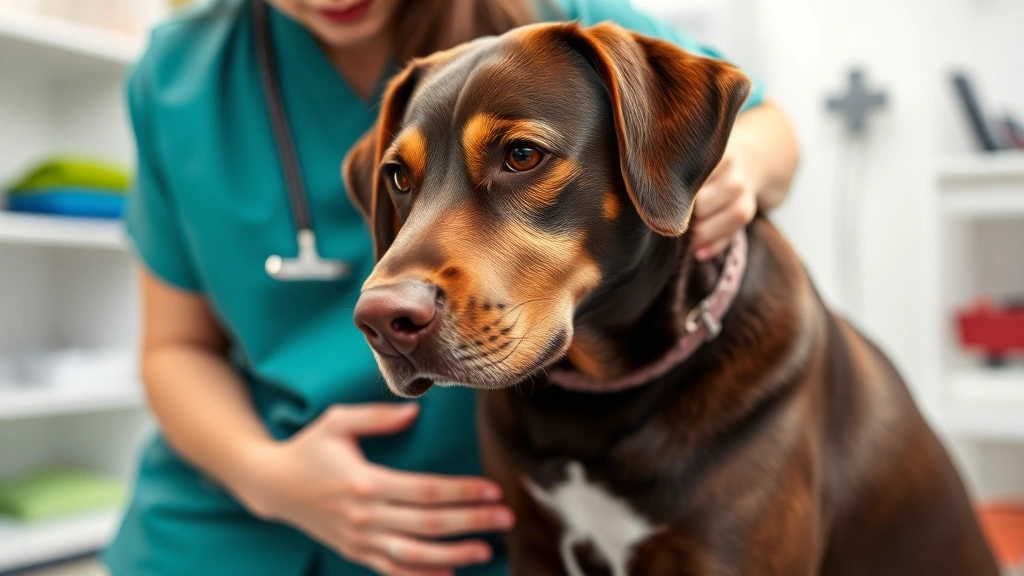
Chronic GI issues often require ongoing management with prescription diets, supplements, or medications. The good news is that with proper diagnosis and care, most dogs with chronic conditions can live comfortably.
Frequently Asked Questions
How long should I wait before calling the vet about my dog’s diarrhea?
If diarrhea lasts more than 24 hours, your dog shows signs of dehydration, or there’s blood in the stool, call your vet right away. One episode of loose stools is usually nothing to worry about.
Can I give my dog over-the-counter medications for diarrhea?
Never give your dog medications without veterinary approval. Some human remedies can be harmful to dogs, and the underlying cause needs to be identified first.

Is it normal for dogs to vomit occasionally?
Occasional vomiting can happen, but repeated vomiting within a short timeframe needs veterinary attention. It’s better to be safe and have it checked out.
What’s the difference between food allergies and food sensitivities?
Food allergies involve an immune response and can cause skin or respiratory symptoms, while sensitivities are digestive reactions. Both require dietary management, which your vet can help identify.
How can I prevent my dog from eating things they shouldn’t?
Supervise outdoor time, keep trash secured, avoid leaving toys or bones unattended, and train a strong “leave it” command. Prevention is always easier than treatment.

What To Do Now
If you suspect your dog is experiencing gastrointestinal issues, here’s your action plan:
- Document symptoms: Write down what you’ve noticed—when it started, frequency, what the vomit or stool looks like, and any behavioral changes.
- Check for emergency signs: Review the urgent care list above. If any apply, contact your vet or emergency clinic immediately.
- Schedule a vet appointment: If symptoms are mild but persistent, book an appointment with your regular veterinarian within 24-48 hours.
- Try a telehealth consult: If you need guidance before an appointment, The Pet Vet’s telehealth service can help you decide next steps quickly and affordably.
- Prepare for the visit: Bring a stool sample if possible, and be ready to discuss your dog’s diet, recent changes, and any medications they’re taking.
Summary
Dog gastrointestinal issues symptoms range from mild and temporary to serious and urgent. Vomiting, diarrhea, loss of appetite, abdominal pain, constipation, excessive gas, and lethargy are all signs that your dog’s digestive system needs attention.
The key is catching these symptoms early and getting professional help. While some cases resolve with rest and dietary adjustments, others require veterinary diagnosis and treatment. Trust your instincts—you know your dog best, and if something feels off, it’s worth investigating.
Remember, your vet is your partner in keeping your dog healthy. Whether you need immediate emergency care or a reassuring telehealth check-in, help is available. Your dog is counting on you, and you’re already doing great by learning about these warning signs.