
When your dog is struggling with dog gastrointestinal issues treatment options, it can feel overwhelming—especially when you’re watching them suffer through vomiting, diarrhea, or loss of appetite. The good news? There are multiple effective approaches your veterinarian can recommend, and catching these issues early puts you in a great position to help your pup feel better fast.
Table of Contents
- Understanding Canine Gastrointestinal Problems
- Why Professional Diagnosis Matters First
- Dietary Modification and Prescription Diets
- Probiotics and Digestive Supplements
- Medications for Symptom Management
- Identifying Early Warning Signs
- Hydration and Supportive Care
- When to Consider Telehealth Support
- Long-Term Management Strategies
- Frequently Asked Questions
- What To Do Now
- Summary: Finding the Right Treatment Approach
This article is for informational purposes only and is not a substitute for professional veterinary advice. Always consult a licensed veterinarian for diagnosis and treatment.
Understanding Canine Gastrointestinal Problems
Gastrointestinal issues in dogs are incredibly common. Your dog’s digestive system is sensitive and can be disrupted by everything from dietary indiscretions (like eating something they shouldn’t) to bacterial infections, food allergies, or underlying health conditions.
The symptoms often show up suddenly—your pup might refuse meals, have loose stools, or seem uncomfortable. Understanding what’s happening is the first step toward getting them relief.
Why Professional Diagnosis Matters First
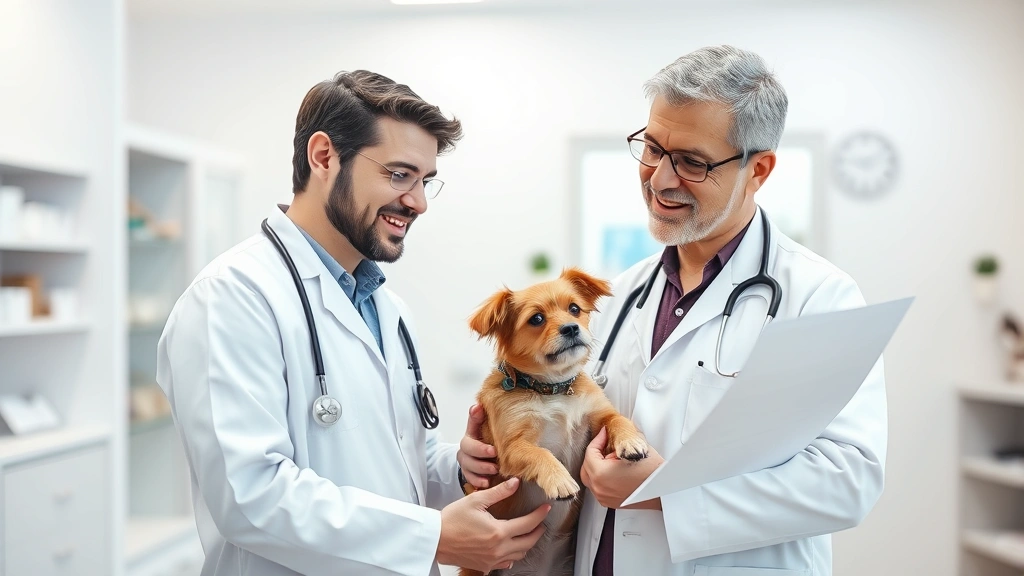
Before exploring treatment options, your vet will need to identify the root cause. They may recommend bloodwork, fecal testing, or imaging to rule out serious conditions like Clostridium infection in dogs or other infections.
This diagnostic step isn’t just important—it’s essential. A bacterial infection requires different treatment than a food sensitivity, which differs entirely from inflammatory bowel disease. Getting it right the first time saves your dog discomfort and you stress.
Dietary Modification and Prescription Diets
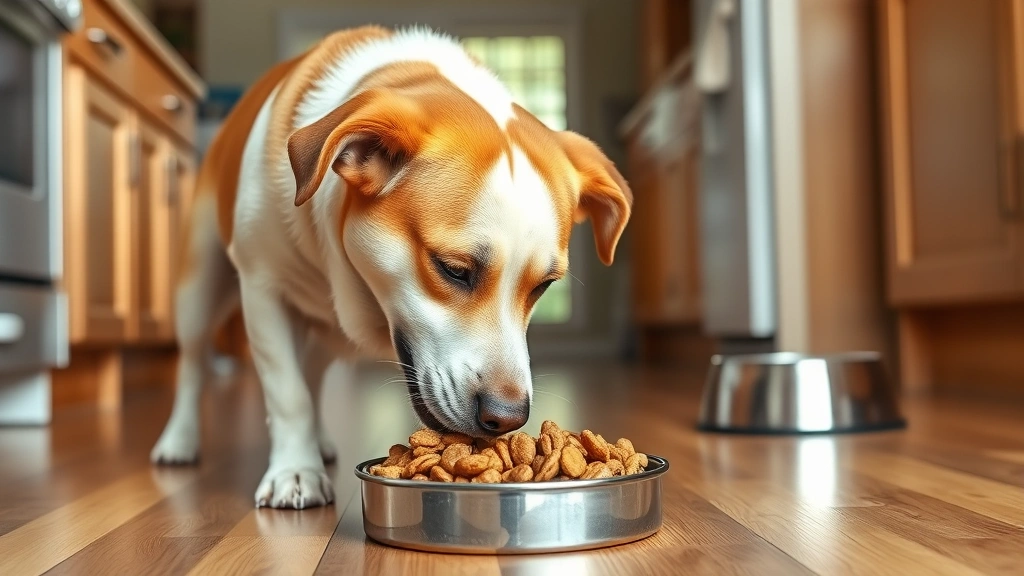
One of the most effective dog gastrointestinal issues treatment options is changing what your dog eats. Many cases resolve simply by switching to a bland, easily digestible diet or a prescription therapeutic food designed for sensitive stomachs.
Your vet might recommend:
- Bland diets (plain chicken and rice) for short-term relief
- Limited ingredient diets to identify food triggers
- Prescription gastrointestinal formulas like Purina Pro Plan Veterinary Diets EN Gastroenteric Dog Food for ongoing management
- Novel protein diets if allergies are suspected
An elimination diet feeding plan can be particularly helpful for identifying food sensitivities. This approach requires patience, but many owners see remarkable improvements within weeks.
Probiotics and Digestive Supplements
Probiotics are beneficial bacteria that support your dog’s gut health. They’re especially useful when your pup’s digestive system needs a reset—whether after antibiotics, dietary changes, or stress.
Quality probiotics designed specifically for dogs can help restore the balance of healthy bacteria in the intestines. Digestive enzymes may also help your dog break down food more efficiently, reducing strain on their system.
These supplements work best as part of a comprehensive approach, not as standalone solutions. Talk to your vet about which formulations they recommend for your dog’s specific situation.
Medications for Symptom Management
Depending on your dog’s symptoms, your veterinarian may recommend medications to manage discomfort while the underlying issue resolves. Anti-nausea medications can help a dog who’s vomiting frequently, while other medications might address diarrhea or abdominal pain.
If your dog is experiencing nausea, dog anti-nausea medication can make a real difference in their comfort level and willingness to eat. Your vet will choose medications based on the underlying cause and your dog’s overall health profile.
Always follow your vet’s guidance on medication use, and report any side effects immediately.
Identifying Early Warning Signs
Knowing what to watch for helps you catch problems before they become serious. Catching gastrointestinal issues early means treatment often works faster and more effectively.
Learn about dog gastrointestinal issues early signs so you can act quickly. Common warning signs include changes in appetite, vomiting, diarrhea lasting more than a day, lethargy, and abdominal tenderness.
Hydration and Supportive Care
When your dog has gastrointestinal issues, maintaining proper hydration is critical. Vomiting and diarrhea can quickly lead to dehydration, which complicates recovery.
Make sure fresh water is always available. In some cases, your vet might recommend bone broth or electrolyte solutions designed for dogs. If your pup is severely dehydrated, they may need IV fluids administered at a veterinary clinic.
Supportive care—like rest, a calm environment, and small, frequent meals—helps their digestive system heal naturally.
When to Consider Telehealth Support
If you’re unsure whether your pet needs urgent care, a quick telehealth check-in can give you peace of mind—no appointment needed. The Pet Vet telehealth services let you consult with a licensed veterinarian from home, perfect for initial assessments or follow-up questions about your dog’s treatment plan.
Telehealth is especially helpful when you need quick guidance about whether symptoms warrant an emergency visit or if home management is appropriate.
Long-Term Management Strategies
Once your dog recovers from acute gastrointestinal issues, the focus shifts to prevention. Many dogs prone to digestive problems benefit from ongoing dietary management and preventive care.
Work with your vet to develop a long-term plan that might include:
- Maintaining a consistent, high-quality diet
- Limiting treats and table scraps
- Regular probiotic supplementation
- Monitoring for early signs of problems
- Managing stress and ensuring adequate exercise
Consistency is key—dogs with sensitive stomachs thrive on routine and predictability.
Frequently Asked Questions
How long does it typically take for dog gastrointestinal issues to resolve?
Recovery time varies widely depending on the cause. Mild cases from dietary indiscretion may improve in 24-48 hours, while infections or food sensitivities might take weeks to fully resolve with proper treatment.
Are prescription diets really necessary, or can I just feed plain chicken and rice?
Plain chicken and rice works great for short-term relief, but prescription diets are formulated to provide complete nutrition while being gentle on the digestive system. Your vet can advise whether long-term dietary management requires prescription food.
Can I give my dog over-the-counter digestive aids without consulting a vet?
While many over-the-counter products are safe, it’s best to get your vet’s approval first. They can recommend products appropriate for your dog’s specific condition and ensure they won’t interfere with other treatments.
When should I take my dog to an emergency vet for gastrointestinal issues?
Seek emergency care if your dog is vomiting repeatedly, has bloody stools, seems in severe pain, is unable to keep water down, or shows signs of dehydration. These could indicate serious conditions requiring immediate attention.
Will my dog always have digestive issues after one episode?
Not necessarily. Many dogs have one gastrointestinal episode and never experience problems again. Others are prone to sensitivity and benefit from ongoing dietary management and preventive care.
What To Do Now
- Schedule a veterinary appointment if your dog shows signs of gastrointestinal distress lasting more than a few hours. Bring notes about symptoms, diet changes, and recent activities.
- Document your dog’s symptoms in detail—when they started, frequency of vomiting or diarrhea, appetite changes, and any other unusual behavior. This information helps your vet narrow down the cause.
- Prepare a list of your dog’s current diet and any recent food changes to discuss with your vet. Include treats, table scraps, and any new foods introduced recently.
- Keep your dog hydrated by ensuring constant access to fresh water. If they’re not drinking, contact your vet immediately.
- Consider a telehealth consultation if you need quick guidance about whether symptoms warrant an urgent in-person visit or if home management is appropriate while you wait for an appointment.
Summary: Finding the Right Treatment Approach
Dog gastrointestinal issues treatment options range from simple dietary changes to targeted medications, and the best approach depends entirely on what’s causing your dog’s symptoms. The encouraging news is that most cases respond well to proper diagnosis and appropriate treatment—your dog can feel better soon.
Work closely with your veterinarian to identify the underlying cause, implement the right treatment strategy, and develop a long-term management plan if needed. Whether through dietary modification, probiotics, medications, or supportive care, there’s almost always an effective solution.
Your dog is counting on you to help them feel better, and reaching out for professional guidance is exactly the right move. With proper treatment and care, most dogs with gastrointestinal issues go on to live happy, comfortable lives.