
Watching your senior dog struggle with dog heart disease in senior pets can feel overwhelming—but you’re not alone, and catching this early puts you in a great position to help. Heart disease is one of the most common conditions affecting older dogs, yet many pet owners don’t realize their beloved companion may be experiencing it until symptoms become obvious.
Table of Contents
- What Is Heart Disease in Senior Dogs?
- Early Warning Signs Your Senior Dog May Have Heart Disease
- How Vets Diagnose Heart Disease in Aging Dogs
- Understanding Medication Options for Senior Dogs With Heart Disease
- ACE Inhibitors: Reducing Heart Workload
- Diuretics: Managing Fluid Buildup
- Inotropic Agents: Strengthening Heart Contractions
- Beta-Blockers: Slowing Heart Rate and Reducing Strain
- Aldosterone Antagonists: Additional Heart Protection
- Anti-Arrhythmic Medications: Regulating Heart Rhythm
- Positive Inotropic Medications: Supporting Heart Function
- Creating a Medication Plan That Works for Your Senior Dog
- Beyond Medication: Supporting Your Senior Dog’s Heart Health
- Managing Side Effects and Medication Adjustments
- When to Seek Urgent Care
- Quality of Life and Realistic Expectations
- Summary: Taking Action for Your Senior Dog’s Heart
- Frequently Asked Questions
- What To Do Now
This article is for informational purposes only and is not a substitute for professional veterinary advice. Always consult a licensed veterinarian for diagnosis and treatment.
The good news? Modern veterinary medicine offers several medication options that can significantly improve your dog’s quality of life and extend their years with you. In this guide, we’ll walk through what you need to know about heart disease in aging dogs, the signs to watch for, and the medications that vets commonly recommend.
What Is Heart Disease in Senior Dogs?
Heart disease in older dogs typically develops when the heart’s chambers weaken or valves begin to fail. This means the heart can’t pump blood as efficiently as it should, forcing other organs to work harder to compensate.
The most common form in senior dogs is degenerative valve disease, where the heart valves gradually thicken and leak. This is different from congenital heart problems that dogs are born with—age-related heart disease develops over time.
As your dog ages, the risk increases significantly. Dogs over 10 years old have a much higher chance of developing some degree of heart disease, even if they’ve been healthy their whole lives.
Early Warning Signs Your Senior Dog May Have Heart Disease
Recognizing early symptoms can make a real difference in your dog’s outcome. Here are the most common signs pet owners notice:
- Persistent coughing: Especially during rest or at night. This happens because fluid backs up into the lungs.
- Difficulty breathing or shortness of breath: Your dog may pant heavily after minimal activity or seem to struggle during exercise.
- Lethargy and reduced activity: Your once-active senior may tire quickly on walks or seem reluctant to play.
- Fainting or collapse: Episodes where your dog suddenly loses consciousness, even briefly.
- Swollen abdomen: Fluid accumulation in the belly can make your dog look bloated.
- Loss of appetite: Some dogs eat less when their heart isn’t working efficiently.
- Restlessness at night: Difficulty sleeping or frequent position changes trying to get comfortable.
Catching these signs early puts you in a strong position to start treatment before the condition progresses. If you notice any of these symptoms, a veterinary evaluation is important—and if you’re unsure whether your pet needs urgent care, a quick telehealth check-in can give you peace of mind without waiting for an appointment.
How Vets Diagnose Heart Disease in Aging Dogs
Your veterinarian will use several tools to confirm heart disease and determine its severity. A physical exam where they listen to your dog’s heart with a stethoscope is usually the first step—they’re listening for irregular rhythms or heart murmurs.
From there, your vet may recommend chest X-rays to see if the heart is enlarged or if fluid is present in the lungs. An ultrasound (echocardiogram) gives the most detailed picture of how well the heart chambers are functioning and how the valves are working.
Blood work can also reveal how well the kidneys and liver are handling the strain, which helps your vet choose the safest medications for your individual dog.
Understanding Medication Options for Senior Dogs With Heart Disease
Several classes of medications work together to help your senior dog’s heart function better and feel more comfortable. Your vet will choose which ones based on your dog’s specific situation, age, and kidney function.
These medications don’t cure heart disease, but they can slow its progression, reduce uncomfortable symptoms, and help your dog enjoy more good days. Let’s explore the main types:
ACE Inhibitors: Reducing Heart Workload
ACE inhibitors are often the first medication prescribed for heart disease in senior dogs. These drugs help relax blood vessels, which lowers blood pressure and makes it easier for the heart to pump blood throughout the body.
By reducing the workload on a failing heart, ACE inhibitors can slow the progression of valve disease and help prevent fluid buildup in the lungs. Many dogs tolerate these medications very well, and they’re often used alongside other heart medications.
Your vet will monitor kidney function periodically since these medications affect how the kidneys filter blood. This is especially important in senior dogs who may already have some kidney changes, which is why understanding dog kidney disease symptoms matters for your aging pet’s overall health.
Diuretics: Managing Fluid Buildup
When a weakened heart can’t pump blood efficiently, fluid backs up into the lungs and abdomen. Diuretics help the kidneys remove excess fluid, making it easier for your dog to breathe.
You’ll often notice improvement quickly—your dog may cough less and seem more comfortable within days of starting a diuretic. However, these medications require regular monitoring because they affect electrolyte balance and kidney function.
Your vet will likely want to check blood work periodically to ensure the medication is working safely. Some senior dogs may also experience increased thirst and urination, which is a normal response to these medications.

Inotropic Agents: Strengthening Heart Contractions
These medications help the heart muscle contract more forcefully, improving its ability to pump blood. They’re particularly useful when the heart chambers have become enlarged and weakened.
Inotropic agents can help restore energy and improve your dog’s exercise tolerance. However, they’re typically used when other medications alone aren’t providing enough relief, and they require careful monitoring.
Your vet will determine if your senior dog is a good candidate based on their specific type of heart disease and overall health status.
Beta-Blockers: Slowing Heart Rate and Reducing Strain
Beta-blockers help slow your dog’s heart rate and reduce the force of contractions, which lowers the heart’s oxygen demand. This is especially helpful for dogs with certain types of arrhythmias or those whose hearts are racing too fast.
By reducing strain on the heart, these medications can improve your dog’s comfort and exercise tolerance. They work well in combination with other heart medications and are generally safe for senior dogs.
Some dogs may initially seem a bit more tired when starting beta-blockers, but this usually improves as their body adjusts.
Aldosterone Antagonists: Additional Heart Protection
These medications provide extra protection by blocking a hormone that causes fluid retention and heart muscle thickening. They’re often added to other heart medications for dogs with moderate to advanced heart disease.
Aldosterone antagonists can help slow disease progression and improve survival time in senior dogs with heart failure. Like other heart medications, they require periodic blood work monitoring to ensure safety.
Anti-Arrhythmic Medications: Regulating Heart Rhythm
When heart disease causes irregular heartbeats, anti-arrhythmic medications help restore a normal rhythm. An irregular heartbeat can make your dog feel dizzy or faint and puts extra strain on the heart.
Stabilizing the heart rhythm often improves your dog’s energy level and reduces fainting episodes. Your vet will determine if your dog needs this type of medication based on their specific heart rhythm patterns.
Positive Inotropic Medications: Supporting Heart Function
Some medications work by improving how efficiently the heart muscle contracts without increasing heart rate. These are helpful for dogs whose hearts are weakened but aren’t necessarily beating too fast.
These medications can improve your senior dog’s stamina and quality of life, particularly in the middle stages of heart disease. Your vet will recommend them if they’re appropriate for your dog’s specific condition.
Creating a Medication Plan That Works for Your Senior Dog
Your vet likely won’t prescribe all these medications at once. Instead, they’ll start with one or two based on your dog’s symptoms and test results, then adjust as needed.
Here’s how a typical approach works:
- Start with an ACE inhibitor to reduce heart workload and slow disease progression.
- Add a diuretic if your dog is showing signs of fluid buildup (coughing, difficulty breathing).
- Include additional medications as your dog’s condition changes or if symptoms aren’t well-controlled.
- Monitor regularly with blood work and physical exams to adjust doses and medications as needed.
- Watch for side effects and report any changes in appetite, energy, or behavior to your vet.
Your senior dog’s heart disease is unique to them, so medication plans are customized. What works beautifully for one dog might need adjustment for another.
Beyond Medication: Supporting Your Senior Dog’s Heart Health
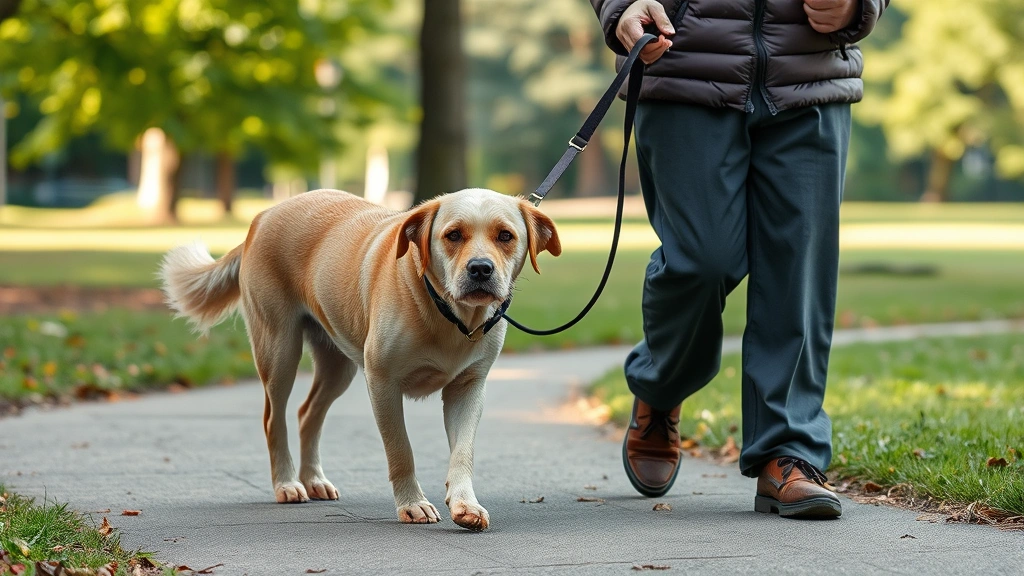
Medications are crucial, but they work best when combined with lifestyle changes. Moderate, gentle exercise—like short daily walks—helps keep your dog’s heart strong without overexerting it.
Diet matters too. A lower-sodium diet can help reduce fluid retention, and your vet may recommend a heart-healthy food formulation. Keep your senior dog at a healthy weight, as extra pounds put strain on a failing heart.
Stress reduction also helps. Keeping your dog calm and comfortable, maintaining a consistent routine, and minimizing loud noises or chaotic situations can reduce strain on their heart. Some pet owners find that their senior dog’s heart disease improves when they’re in a calm, stable environment.
Don’t overlook other age-related conditions either. Senior dogs with heart disease often develop other issues like kidney disease or liver disease, so your vet will monitor these closely. Some dogs also experience cognitive changes as they age, which can affect how they respond to their environment and medication routine.
Managing Side Effects and Medication Adjustments
Most heart medications are well-tolerated, but some dogs may experience side effects. Increased thirst and urination are common with diuretics, while some dogs on certain medications may seem less interested in food.
If your dog experiences nausea or vomiting—which can happen with some heart medications—talk to your vet. They may recommend anti-nausea medication or adjusting when medications are given relative to meals.
Never stop or adjust your dog’s heart medications without veterinary guidance, even if you notice side effects. Your vet needs to know about any changes so they can modify the treatment plan safely.
When to Seek Urgent Care
While heart disease develops gradually in most senior dogs, some situations require immediate veterinary attention. If your dog is fainting repeatedly, struggling severely to breathe, or showing signs of shock, get emergency care right away.
Sudden worsening of coughing, extreme lethargy, or refusal to eat for more than a few hours also warrant prompt evaluation. Trust your instincts—you know your dog best, and if something feels wrong, it’s worth getting checked.
Quality of Life and Realistic Expectations
The goal of heart disease treatment isn’t to cure the condition but to give your senior dog more comfortable, active days. Many dogs on appropriate medication regimens live happily for months or even years after diagnosis.
Your vet will help you understand what to expect based on your dog’s specific type and stage of heart disease. Some dogs respond dramatically to medication, while others show more gradual improvement. Both outcomes are normal.
Regular check-ins with your vet—whether in-person or through telehealth—help ensure your dog’s medication plan stays optimized. As your dog ages and their condition changes, adjustments keep them as comfortable as possible.
Summary: Taking Action for Your Senior Dog’s Heart
Dog heart disease in senior pets is serious, but it’s also manageable. Modern medications can significantly improve your dog’s comfort and quality of life, slowing disease progression and giving you more precious time together.
The key is early detection and consistent, customized treatment. Work closely with your veterinarian to find the right medication combination for your individual dog, monitor regularly, and make lifestyle adjustments that support heart health.
Your senior dog is counting on you, and the fact that you’re learning about this condition shows you’re committed to giving them the best care possible. With the right approach, many dogs with heart disease enjoy a good quality of life for a long time.
Frequently Asked Questions
Can dog heart disease be cured with medication?
No, heart disease cannot be cured, but medications can slow progression, reduce symptoms, and significantly improve quality of life. The goal is to help your dog feel better and extend their healthy years.
How often does my senior dog need blood work while on heart medication?
Most vets recommend blood work every 3-6 months initially, then annually once your dog is stable on medication. This ensures the medications are working safely and not affecting kidney or liver function.
Can I give my dog heart medication at home?
Yes, most heart medications are given orally at home. Your vet will provide clear instructions on dosing and timing. Using a pill organizer or setting phone reminders helps you stay consistent.
What’s the average lifespan for a senior dog with heart disease?
This varies widely depending on the type and stage of heart disease, your dog’s age, and how well they respond to treatment. Some dogs live months, while others live several years after diagnosis with proper medication and care.
Should I restrict exercise for my dog with heart disease?
Not completely—gentle, moderate exercise is actually beneficial. Avoid strenuous activity or overexertion, but short daily walks help maintain muscle tone and circulation. Your vet can advise what’s appropriate for your dog’s specific condition.
What To Do Now
- Schedule a veterinary evaluation: If you’ve noticed any symptoms like coughing, difficulty breathing, or lethargy in your senior dog, contact your vet to arrange an examination. If you’re unsure whether your pet needs urgent care, a quick telehealth check-in can give you peace of mind—no appointment needed.
- Gather your dog’s medical history: Compile any previous test results, medications, and health records to share with your vet. This helps them understand your dog’s baseline health and make better treatment decisions.
- Discuss medication options: Once your vet confirms heart disease, ask specifically about which medications they recommend for your dog’s situation and why. Understand the expected benefits and potential side effects.
- Set up a medication routine: Create a clear system for giving medications on schedule—use a pill organizer, set phone reminders, or keep a medication log to ensure consistency.
- Plan for regular monitoring: Schedule follow-up appointments and blood work as recommended by your vet. Regular check-ins ensure your dog’s treatment plan stays optimized as their condition changes.