
If your dog is showing signs of lethargy, vomiting, or yellowing of the eyes and gums, dog liver disease when to see a vet becomes an urgent question that deserves immediate attention. Liver disease in dogs can develop quietly, and by the time symptoms appear, the condition may already be affecting your pet’s quality of life. As a devoted pet parent, knowing what warning signs demand a veterinary visit—and when that visit should be urgent—can make all the difference in your dog’s health outcome.
Table of Contents
- Understanding Canine Liver Disease
- Sign #1: Persistent Vomiting and Loss of Appetite
- Sign #2: Yellowing of the Skin, Eyes, and Gums (Jaundice)
- Sign #3: Extreme Lethargy and Weakness
- Sign #4: Changes in Bathroom Habits and Urine Color
- Sign #5: Abdominal Swelling or Distension
- Sign #6: Behavioral Changes and Confusion
- Sign #7: Excessive Thirst and Weight Loss
- Understanding Liver Disease Emergency Signs
- What Your Vet Will Do
- Managing Liver Disease at Home
- When Telehealth Can Help
- Frequently Asked Questions
- What To Do Now
- Summary: Taking Action on Liver Health
This article is for informational purposes only and is not a substitute for professional veterinary advice. Always consult a licensed veterinarian for diagnosis and treatment.
Understanding Canine Liver Disease
Your dog’s liver is one of the hardest-working organs in their body. It filters toxins, produces essential proteins, stores energy, and supports digestion—all happening silently in the background. When liver function begins to decline, the effects ripple through your dog’s entire system.
Liver disease in dogs isn’t always a single condition; it’s an umbrella term covering various problems, from chronic hepatitis to fatty liver disease to liver disease causes like infections or toxin exposure. Some dogs are born with conditions like liver shunts, while others develop disease over years of aging or environmental stress.
The tricky part? Early liver disease often shows no symptoms at all. This is why regular wellness checks matter so much.
Sign #1: Persistent Vomiting and Loss of Appetite
One of the first red flags pet owners notice is that their dog suddenly loses interest in meals or vomits shortly after eating. This happens because a struggling liver can’t process nutrients efficiently or eliminate toxins that irritate the stomach.
If your dog skips a single meal, that’s usually not alarming. But if vomiting occurs repeatedly over several days, or if your normally enthusiastic eater turns away from their favorite treats, it’s time to call your vet. Catching this early puts you in a great position to help.
When to see a vet: Same-day or next-day appointment if vomiting happens more than twice in 24 hours, or if appetite loss lasts beyond one meal cycle.
Sign #2: Yellowing of the Skin, Eyes, and Gums (Jaundice)
Jaundice is one of the most visible signs of liver trouble. When the liver can’t process bilirubin properly, this yellow pigment builds up in your dog’s tissues, creating a telltale yellow tint to the whites of their eyes, their gums, and even the skin on their ears and belly.
This sign should never be ignored. Jaundice indicates that liver function has declined significantly and needs immediate veterinary evaluation.
When to see a vet: Emergency visit today. Don’t wait for an appointment—go to an emergency clinic if your regular vet isn’t available. This is one of those moments where speed matters.
Sign #3: Extreme Lethargy and Weakness
A dog with liver disease may seem unusually tired, reluctant to play, or unable to climb stairs they once bounded up easily. This fatigue stems from the liver’s inability to produce energy-storing compounds and process nutrients that fuel muscles and the brain.
Some owners describe it as their dog “just not being themselves”—a subtle shift in personality and energy that’s hard to pinpoint but unmistakable once you notice it. Your instinct matters here; you know your dog better than anyone.
When to see a vet: Schedule a vet visit within 24-48 hours if lethargy is new and persistent, especially if paired with other symptoms on this list.
Sign #4: Changes in Bathroom Habits and Urine Color
A dog experiencing liver trouble may urinate more frequently or in larger volumes. You might also notice their urine is darker or more orange-colored than usual—a sign that the liver isn’t filtering waste products as it should.
Similarly, diarrhea or pale, clay-colored stools can indicate that bile isn’t flowing properly through the digestive system. These changes in bathroom habits are your dog’s way of telling you something internal is off.

When to see a vet: Call for an appointment within 24 hours if you notice persistent changes in urination frequency, urine color, or stool consistency.
Sign #5: Abdominal Swelling or Distension
Fluid buildup in the abdomen—a condition called ascites—can develop when liver disease progresses. You might notice your dog’s belly looks bloated or feels hard when you gently press it, or their back legs seem swollen.
This is a sign that the liver may be struggling to maintain proper protein levels and fluid balance. It’s uncomfortable for your dog and warrants prompt attention.
When to see a vet: Schedule an appointment within 24 hours. If your dog is having difficulty breathing or seems in acute pain, go to an emergency clinic instead.
Sign #6: Behavioral Changes and Confusion
When liver disease advances, toxins can accumulate in the bloodstream and cross into the brain, causing a condition called hepatic encephalopathy. Signs include disorientation, pacing, circling, or acting “drunk.”
Your dog might stare blankly at walls, fail to recognize familiar people, or seem confused about where they are. These neurological symptoms develop because the liver isn’t filtering ammonia and other harmful substances effectively.
When to see a vet: Emergency visit today. Behavioral changes and confusion suggest advanced liver disease that needs immediate professional care.
Sign #7: Excessive Thirst and Weight Loss
A dog drinking far more water than usual and losing weight despite eating may be experiencing liver dysfunction. The liver regulates metabolism and nutrient absorption; when it fails, your dog can’t maintain healthy weight even with adequate food intake.
Excessive thirst often accompanies metabolic stress as your dog’s body tries to flush out accumulated toxins. Over time, this combination leads to visible weight loss and muscle wasting.
When to see a vet: Call for an appointment within 24-48 hours if you notice both increased thirst and weight loss occurring together.
Understanding Liver Disease Emergency Signs
Some symptoms demand immediate emergency care rather than a routine appointment. Knowing the difference can save your dog’s life. Vomiting blood, severe lethargy where your dog can barely stand, seizures, or loss of consciousness are dog liver disease emergency signs that require emergency veterinary care right now.
Additionally, if your dog shows any combination of the symptoms above—especially jaundice plus vomiting, or behavioral changes plus abdominal swelling—treat it as urgent rather than routine.
What Your Vet Will Do
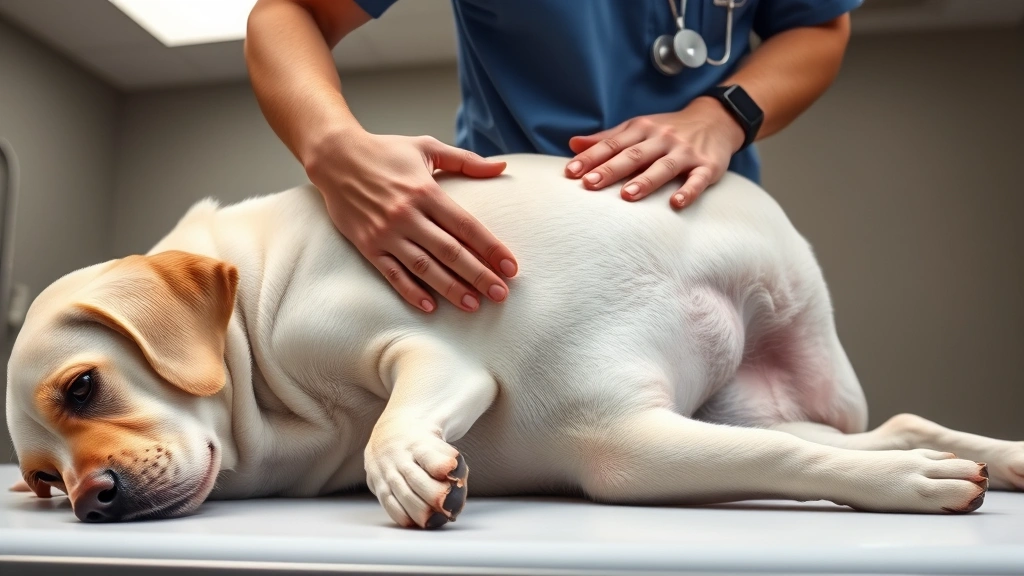
During your visit, your veterinarian will perform a physical exam, ask detailed questions about when symptoms started, and likely recommend blood work and imaging. These tests measure liver enzymes, bilirubin levels, and albumin to assess how well your dog’s liver is functioning.
Ultrasound or X-rays can reveal structural changes, fluid buildup, or masses. In some cases, your vet might recommend a liver biopsy to identify the specific type of liver disease and guide treatment decisions.
Understanding your dog’s specific diagnosis helps create a targeted treatment plan, whether that involves dietary changes, medications, supplements, or liver failure in dogs management strategies.
Managing Liver Disease at Home
Once diagnosed, many cases of liver disease can be managed with proper care. Your vet may recommend a special diet formulated for liver support, typically lower in protein and higher in easily digestible carbohydrates and healthy fats.
Supplements like milk thistle, SAMe, or omega-3 fatty acids may support liver health, though always check with your vet before starting any supplement. Regular monitoring through follow-up blood work helps track your dog’s progress and adjust treatment as needed.
Stress reduction, consistent exercise appropriate to your dog’s energy level, and maintaining proper hydration all play roles in supporting liver function. Your vet may also recommend limiting exposure to toxins like certain medications, pesticides, or household chemicals.
When Telehealth Can Help
If you are unsure whether your pet needs urgent care, a quick telehealth check-in can give you peace of mind—no appointment needed. The Pet Vet’s telehealth service lets you describe your dog’s symptoms to a licensed veterinarian from home, helping you determine whether an in-person emergency visit is necessary or if a routine appointment will suffice.
This is especially valuable at night or on weekends when your regular vet’s office is closed. A vet can help you triage symptoms and guide your next steps without the stress of wondering if you’re overreacting.
Frequently Asked Questions
Can liver disease in dogs be cured?
Liver disease outcomes depend on the underlying cause and how advanced the condition is. Some causes like acute hepatitis may respond well to treatment, while chronic liver disease is typically managed long-term with diet, supplements, and monitoring.
How quickly does dog liver disease progress?
Progression varies widely. Some dogs develop symptoms over weeks, while others may have slow, gradual decline over months or years. Early detection and treatment can significantly slow progression.
Is liver disease painful for dogs?
Dogs may experience discomfort from abdominal swelling or nausea, though they often hide pain well. Your vet can recommend pain management if needed.
Can diet alone treat liver disease?
Diet is crucial for managing liver disease, but it’s rarely a complete treatment on its own. Most cases require a combination of dietary changes, supplements, medications, and veterinary monitoring.
What’s the difference between liver disease and liver failure?
Liver disease is a broad term for any condition affecting liver function. Liver failure in dogs refers to advanced disease where the liver can no longer perform essential functions, requiring urgent intervention.
What To Do Now
- Observe your dog closely. Over the next 24 hours, note any symptoms from the seven signs above, including changes in appetite, energy level, bathroom habits, or appearance. Write them down so you can share details with your vet.
- Schedule a veterinary appointment. If your dog shows any of these symptoms, call your vet today for an appointment. If symptoms include jaundice, behavioral changes, or vomiting blood, seek emergency care immediately.
- Prepare your dog’s medical history. Gather records of any previous illnesses, medications, or toxin exposures. This information helps your vet narrow down potential causes of liver disease.
- Consider a telehealth consultation. If you’re unsure about the urgency of your dog’s symptoms or need guidance before an in-person visit, a quick telehealth check-in with The Pet Vet can help you make the right decision.
- Plan for follow-up care. Once your vet evaluates your dog, commit to any recommended follow-up blood work or imaging. Regular monitoring helps catch disease progression early.
Summary: Taking Action on Liver Health
Your dog’s liver works tirelessly behind the scenes, and recognizing when it needs help is one of the most important things you can do as a pet parent. Vomiting, appetite loss, jaundice, lethargy, bathroom changes, abdominal swelling, behavioral shifts, and excessive thirst are all signals that a veterinary visit is overdue.
The good news? Many cases of liver disease respond well to early intervention. By staying alert to these seven critical signs and knowing when to see a vet, you’re giving your dog the best chance at a longer, healthier life. Don’t second-guess your instincts—if something feels wrong, it probably is. Your vet is there to help, and catching liver disease early makes all the difference.
Trust yourself, trust your vet, and take action today. Your dog is counting on you.