
If your dog has started showing signs of stumbling, trembling, or unusual behavior, you might be wondering about dog neurological disorder treatment options and what comes next. Neurological issues in dogs can be frightening to witness, but the good news is that many conditions are manageable with the right approach and veterinary guidance.
Table of Contents
- Understanding Canine Neurological Disorders
- Common Signs Your Dog May Be Experiencing Neurological Issues
- Diagnostic Steps Your Vet Will Take
- Medical Management and Medications
- Physical Therapy and Rehabilitation
- Nutritional Support and Dietary Adjustments
- Environmental Modifications at Home
- Surgical Options When Appropriate
- Managing Specific Neurological Conditions
- Monitoring Progress and Adjusting Treatment
- When to Seek Emergency Care
- Frequently Asked Questions
- Summary: Moving Forward with Confidence
- What To Do Now
This article is for informational purposes only and is not a substitute for professional veterinary advice. Always consult a licensed veterinarian for diagnosis and treatment.
Understanding Canine Neurological Disorders
Neurological disorders in dogs affect the brain, spinal cord, and nerves. These conditions can range from mild to severe, and symptoms vary widely depending on which part of the nervous system is involved. Some dogs experience seizures, while others show coordination problems or behavioral changes.
The causes are equally diverse—from infections and injuries to genetic predispositions and age-related degeneration. Understanding what’s happening is the first step toward finding effective treatment.
Common Signs Your Dog May Be Experiencing Neurological Issues
Recognizing symptoms early can make a real difference in your dog’s outcome. Watch for stumbling or loss of coordination, especially in the hind legs. Tremors, involuntary muscle twitching, or unusual head tilting are also red flags.
Other warning signs include sudden behavioral changes, difficulty swallowing, circling in one direction, or seizures. Some dogs become overly sensitive to light or sound. If you notice any of these signs, reaching out to your veterinarian promptly is important. Catching this early puts you in a great position to help your dog.
Diagnostic Steps Your Vet Will Take
Before recommending treatment, your veterinarian will perform a thorough neurological examination. This typically includes testing reflexes, coordination, and muscle strength. Your vet will also ask detailed questions about when symptoms started and how they’ve progressed.
Advanced imaging like MRI or CT scans may be recommended to get a clearer picture of what’s happening inside your dog’s nervous system. Blood work and cerebrospinal fluid analysis can help rule out infections or other underlying causes. These diagnostic tools help pinpoint the exact condition so treatment can be targeted and effective.
Medical Management and Medications
Depending on the diagnosis, your veterinarian may recommend medications to manage symptoms or address the underlying condition. Anti-seizure medications, for example, can significantly reduce the frequency and severity of seizures in dogs with epilepsy.
For inflammatory conditions affecting the nervous system, anti-inflammatory medications may help reduce swelling and improve function. Pain management is also crucial—many neurological conditions cause discomfort, and proper pain relief improves quality of life. Your vet will work with you to find the right medication regimen with minimal side effects.
Physical Therapy and Rehabilitation
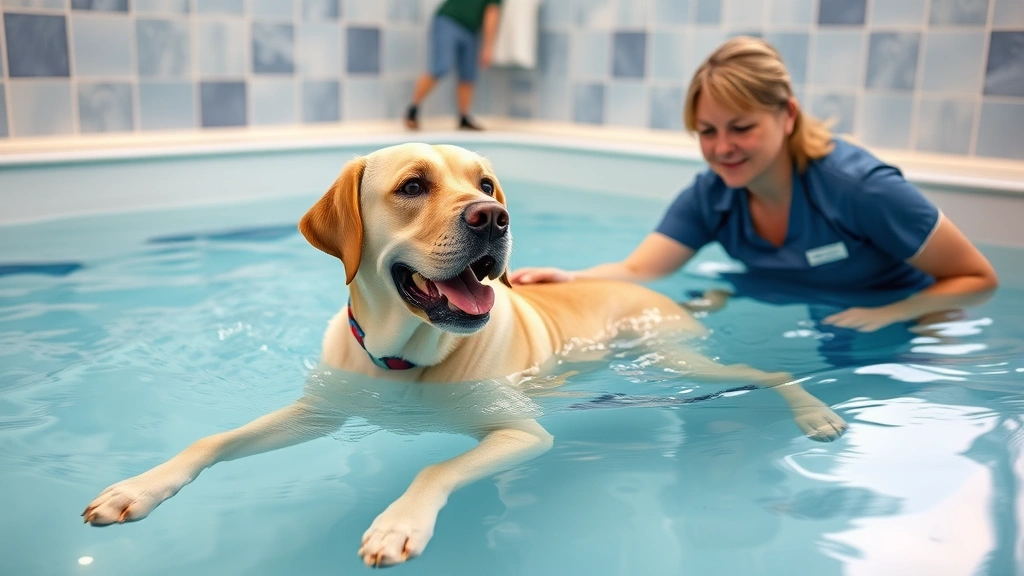
Physical therapy is a powerful tool for dogs recovering from neurological injury or managing degenerative conditions. Therapeutic exercises help rebuild strength, improve coordination, and restore confidence in dogs that have lost mobility.
Hydrotherapy—exercise in water—is particularly beneficial because it supports your dog’s weight while allowing movement. Massage, stretching, and controlled walking routines can also make a meaningful difference. Many dogs show remarkable improvement with consistent rehabilitation, even when the underlying condition can’t be fully reversed.
Nutritional Support and Dietary Adjustments
What your dog eats plays a role in neurological health. Omega-3 fatty acids support brain function and reduce inflammation. Antioxidants like vitamins E and C may help protect nerve cells from damage.
Some dogs benefit from permanent feeding routine adjustments tailored to their specific condition. Your veterinarian may recommend prescription diets formulated to support neurological function. Additionally, maintaining a healthy weight reduces stress on the nervous system and improves overall mobility.
Environmental Modifications at Home
Simple changes around your home can make life safer and more comfortable for a dog with neurological issues. Use non-slip rugs or mats on hardwood floors to prevent slipping and falling. Ramps or steps can help dogs with mobility challenges access favorite spots without jumping.
Keep food, water, and bedding on the same level to minimize navigation challenges. Reduce clutter to prevent tripping hazards. A calm, quiet environment helps dogs with sensitivity to stimulation. These adjustments, combined with other treatments, create a supportive space where your dog can thrive.
Surgical Options When Appropriate
Some neurological conditions benefit from surgical intervention. For example, dogs with spinal stenosis in dogs may experience relief through decompressive surgery. Tumors affecting the nervous system might be candidates for removal if caught early.
Surgery isn’t always the right choice, and your veterinarian will carefully weigh the risks and benefits based on your dog’s age, overall health, and specific condition. When surgery is recommended, it’s because the potential benefits outweigh the risks—and many dogs see significant improvement afterward.
Managing Specific Neurological Conditions
Different conditions require different approaches. Dogs with laryngeal paralysis in dogs may need surgical correction to restore normal breathing. Dogs with degenerative myelopathy benefit most from physical therapy and supportive care to maintain quality of life as long as possible.
Seizure disorders typically respond well to medication, while inflammatory conditions may require immunosuppressive therapy. Your veterinarian will tailor the treatment plan to your dog’s specific diagnosis and needs. Some conditions resolve completely, while others require long-term management—but either way, treatment can significantly improve your dog’s quality of life.
Monitoring Progress and Adjusting Treatment
Neurological treatment isn’t always a one-time fix. Your veterinarian will want to monitor your dog’s progress regularly, adjusting medications or therapies as needed. Keep detailed notes about your dog’s symptoms, behavior, and response to treatment—this information is invaluable during follow-up visits.
Some dogs improve dramatically, while others show gradual progress. Regular check-ins help your vet catch any complications early and optimize the treatment plan. If you notice changes—positive or concerning—don’t wait for the next scheduled appointment; reach out to your veterinarian.
When to Seek Emergency Care
While many neurological issues develop gradually, some require urgent attention. If your dog experiences repeated seizures without recovery between episodes, this is a medical emergency. Sudden paralysis, severe disorientation, or difficulty breathing also warrant immediate veterinary care.

If you’re unsure whether your pet needs urgent care, a quick telehealth check-in with The Pet Vet can give you peace of mind—no appointment needed. Our veterinarians can help you determine whether your dog needs to be seen immediately or if symptoms can wait for a scheduled appointment.
Frequently Asked Questions
Can neurological disorders in dogs be cured?
Some neurological conditions can be fully resolved with proper treatment, while others are manageable but chronic. Your veterinarian will discuss the prognosis for your dog’s specific condition.
How much do neurological treatments typically cost?
Costs vary widely depending on the condition, diagnostics needed, and treatment approach. Discuss financial options and payment plans with your veterinarian upfront.
Are there alternative or complementary therapies that help?
Acupuncture, herbal supplements, and other complementary approaches may support conventional treatment, but always discuss these with your veterinarian before starting.
How long does recovery take?
Recovery timelines vary significantly based on the condition and treatment. Some dogs improve within weeks, while others require months of consistent management.
Will my dog’s neurological disorder get worse over time?
This depends on the underlying cause. Some conditions are progressive, while others stabilize with treatment. Your veterinarian can discuss the expected trajectory for your dog’s specific diagnosis.
Summary: Moving Forward with Confidence
A diagnosis of neurological disorder can feel overwhelming, but you have more options than you might think. From medications and physical therapy to surgical interventions and supportive care, modern veterinary medicine offers multiple pathways to help your dog feel better and maintain quality of life.
The key is working closely with your veterinarian, staying observant about your dog’s progress, and making adjustments as needed. Many dogs with neurological conditions go on to live happy, comfortable lives with the right treatment plan in place. Your dedication to seeking help and exploring treatment options shows how much you care.
What To Do Now
- Schedule a comprehensive veterinary examination if you haven’t already, bringing detailed notes about when symptoms started and how they’ve progressed.
- Ask your veterinarian about diagnostic imaging (MRI or CT scans) if initial exams don’t reveal a clear diagnosis—advanced imaging can be crucial for pinpointing the condition.
- Request a referral to a veterinary neurologist if your regular veterinarian recommends it, especially for complex or unusual cases.
- Discuss all treatment options openly, including medications, physical therapy, dietary changes, and any surgical possibilities that might apply to your dog’s situation.
- Consider a telehealth consultation with The Pet Vet if you want a second opinion or need guidance on managing your dog’s condition between in-person appointments.
Remember: you’re not alone in this journey. Your veterinary team is here to help, and many dogs with neurological disorders thrive with the right support and care.