
Finding out your beloved dog has parasites can feel like a punch to the gut—but the good news is that dog parasites home treatment options exist, and many are highly effective when combined with professional guidance. Whether your pup is scratching constantly, showing signs of digestive upset, or you’ve spotted something unusual in their stool, knowing what you can do at home (alongside veterinary care) gives you real power to help them feel better fast.
Table of Contents
- Understanding Common Dog Parasites
- Why Home Treatment Alone Isn’t Enough
- Proven Home Remedies for Dog Parasite Support
- Signs Your Dog Might Have Parasites
- When to Call Your Vet Immediately
- Supporting Your Dog During Treatment
- Prevention: Your Best Defense
- Natural Supplements That Support Parasite Prevention
- The Role of Diet in Parasite Recovery
- Frequently Asked Questions
- What To Do Now
- Summary: Taking Action on Dog Parasites Home Treatment
This article is for informational purposes only and is not a substitute for professional veterinary advice. Always consult a licensed veterinarian for diagnosis and treatment.
Understanding Common Dog Parasites
Dogs can pick up parasites from almost anywhere—contaminated soil, other animals, or even through their mother’s milk. The most common culprits are fleas, ticks, roundworms, hookworms, tapeworms, and giardia. Each type behaves differently and requires a slightly different approach.
The tricky part? Many parasites don’t show obvious symptoms right away. Your dog might seem perfectly fine while playing host to unwanted guests. That’s why regular vet check-ups matter so much, even when everything looks normal.
Why Home Treatment Alone Isn’t Enough
Let’s be honest: home remedies can support your dog’s recovery, but they work best alongside professional veterinary treatment. Your vet can identify exactly which parasite your dog has through testing, then recommend the most effective medication or protocol. Home treatments are fantastic for prevention, comfort, and recovery support—but they’re not replacements for diagnosis and prescription care.
Think of it this way: your vet is the quarterback, and home care is your supporting team.
Proven Home Remedies for Dog Parasite Support
1. Diatomaceous Earth (Food-Grade)
Food-grade diatomaceous earth is a fine powder made from fossilized algae. Many pet owners add it to their dog’s food as a supportive measure for parasite management. The theory is that it may help with certain external parasites, though research is still evolving on its effectiveness for internal parasites.
If your vet gives the green light, sprinkle a small amount into their regular food. Always use food-grade only—never pool-grade, which is harmful to pets. Start with a tiny amount and watch for any digestive changes.
2. Pumpkin Seeds and Pumpkin Puree
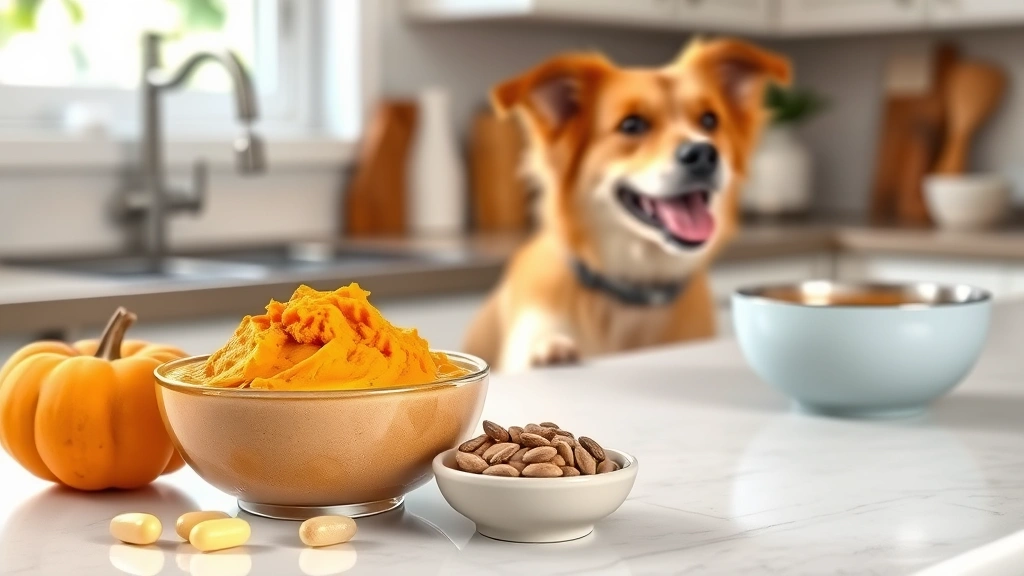
Pumpkin is a gentle, natural addition to your dog’s diet that supports digestive health. It’s rich in fiber and may help with digestive comfort during parasite recovery. Plus, dogs generally love the taste.
Mix a tablespoon or two of plain pumpkin puree into their food, or offer pumpkin seeds as a treat. This is especially helpful if your dog is experiencing gastrointestinal issues alongside parasite concerns.
3. Garlic and Turmeric (In Moderation)
Garlic and turmeric have been used in traditional pet care for centuries. Garlic contains compounds that may support the immune system, while turmeric’s curcumin is known for anti-inflammatory properties. However, garlic should only be given in very small amounts, and some dogs shouldn’t have it at all.
Always check with your vet before adding these to your dog’s diet, especially if they’re on medications. These work best as supportive measures, not primary treatments.
4. Apple Cider Vinegar
A small amount of raw, unfiltered apple cider vinegar added to your dog’s water may support overall digestive health. The theory is that it creates an environment less hospitable to certain parasites. Some pet owners report success, though scientific evidence is limited.
Use only a teaspoon per water bowl, and never give it undiluted. If your dog refuses water with vinegar, skip it—hydration is more important.
5. Probiotics and Fermented Foods
Parasites can damage your dog’s gut lining and beneficial bacteria. Adding dog-safe probiotics or fermented foods like plain kefir helps restore healthy gut flora. A healthier gut means better digestion and stronger immune response.
Look for probiotics specifically formulated for dogs, or ask your vet for recommendations. This is one of the safest and most evidence-backed home supports you can offer.
6. Increased Hydration and Bone Broth
Keeping your dog well-hydrated helps flush parasites and their byproducts from the system. Bone broth (unsalted, made at home or from a pet-safe brand) adds nutrients and encourages drinking. It’s comforting, tasty, and genuinely supportive during recovery.
Offer bone broth as a treat or mixed into regular food. Make sure it contains no onions, garlic, or excessive salt.
7. Environmental Cleaning and Prevention
This might sound basic, but it’s powerful: clean your dog’s bedding, toys, and living spaces regularly. Wash bedding in hot water weekly, vacuum thoroughly, and disinfect food and water bowls daily. Preventing re-infestation is just as important as treating the initial infection.
For outdoor areas, pick up waste immediately and avoid letting your dog play in areas where other infected animals have been.
Signs Your Dog Might Have Parasites
Catching parasites early puts you in a great position to help your dog recover quickly. Watch for these common signs:
- Excessive scratching, biting, or licking at skin
- Visible fleas, flea dirt, or ticks
- Diarrhea or constipation (see our guide on dog gastrointestinal issues for more details)
- Vomiting or loss of appetite
- Weight loss despite normal eating
- Visible worms or segments in stool
- Lethargy or decreased activity
- Dry, dull coat
- Scooting across the floor
If you notice any of these, a vet visit is your next step. Your vet can run tests and confirm what you’re dealing with.
When to Call Your Vet Immediately
Some situations need urgent attention. Contact your vet right away if your dog shows signs of severe dehydration, bloody stool, signs of shock, or if they’re very young, elderly, or already dealing with health conditions. Parasites can become serious quickly in these cases.
If you’re unsure whether your pet needs urgent care, a quick telehealth check-in can give you peace of mind—no appointment needed. Sometimes just describing what you’re seeing to a vet can help you decide on next steps.
Supporting Your Dog During Treatment
Once your vet prescribes treatment, your home care routine becomes even more important. Keep your dog comfortable, maintain the cleaning schedule, and watch for any side effects from medications. Some dogs feel a bit tired or have mild digestive changes during treatment—this usually passes quickly.
Continue offering supportive foods like pumpkin and probiotics. Keep them hydrated and give them extra rest. Your presence and care matter more than you might realize.
Prevention: Your Best Defense
The easiest parasites to treat are the ones your dog never gets. Regular preventative medications (as recommended by your vet) are the gold standard. Monthly flea and tick prevention and regular deworming schedules are worth their weight in gold.

Beyond medications, practice good hygiene: wash your hands after outdoor play, clean up after walks, and keep your home and yard clean. Avoid letting your dog drink from stagnant water sources or eat raw meat.
Natural Supplements That Support Parasite Prevention
While no supplement replaces veterinary prevention, certain additions may support your dog’s natural defenses. Omega-3 fatty acids support skin and immune health. Vitamin E is an antioxidant. Coconut oil has antimicrobial properties (use sparingly—it’s calorie-dense).
These work best as part of a whole-health approach, not as standalone treatments. Your vet can recommend quality supplements that fit your dog’s specific needs.
The Role of Diet in Parasite Recovery
A high-quality, nutrient-dense diet supports your dog’s immune system while fighting parasites. Look for foods with real protein, healthy fats, and whole vegetables. Some vets recommend a temporary shift to a bland, easily digestible diet during active treatment—ask yours what they recommend.
Avoid feeding raw meat during parasite treatment, as it can complicate recovery. Stick with cooked proteins and whole foods your dog’s system can easily process.
Frequently Asked Questions
Can I treat my dog’s parasites at home without seeing a vet?
Home remedies can support recovery, but professional diagnosis and prescription treatment are essential. Your vet needs to identify the exact parasite type to recommend the right approach. Home care alone rarely eliminates parasites completely.
How long does it take for dog parasites home treatment to work?
With proper veterinary treatment plus home support, most dogs show improvement within 1-2 weeks. Complete elimination may take 4-6 weeks depending on the parasite type and your dog’s health. Patience and consistency matter.
Are essential oils safe for treating dog parasites?
Most essential oils are not safe for dogs, even diluted. Many can damage their liver or cause neurological issues. Stick with food-based remedies and vet-approved options instead. If you’re interested in natural approaches, ask your vet which are actually safe.
Can my family catch parasites from my dog?
Some parasites can affect humans, though it’s rare with proper hygiene. Wash your hands after handling your dog, don’t let them lick your face, and keep their living areas clean. Most human parasite infections are mild and easily treated by a doctor.
How often should I give my dog parasite prevention?
This depends on your dog’s age, lifestyle, and local parasite prevalence. Most vets recommend monthly flea and tick prevention year-round, plus regular deworming (often 2-4 times yearly for puppies, then annually for adults). Ask your vet what schedule fits your dog best.
What To Do Now
- Schedule a vet appointment if you haven’t already. Bring a stool sample if possible—it helps your vet identify parasites quickly. If you can’t get in soon, ask about online vet advice to get guidance while you wait.
- Start environmental cleaning today. Wash your dog’s bedding in hot water, vacuum thoroughly, and disinfect their food and water bowls. This prevents re-infestation and shows immediate results.
- Add one supportive food to your dog’s diet—pumpkin puree or probiotics are safe, gentle starting points. Wait for vet clearance before trying garlic, diatomaceous earth, or other remedies.
- Document symptoms with dates and details. Note when you first noticed signs, what they look like, and any changes. This information helps your vet tremendously.
- Stock up on parasite prevention for the future. Once your dog is treated, ask your vet about the best monthly or quarterly prevention plan to keep parasites away for good.
Summary: Taking Action on Dog Parasites Home Treatment
Finding parasites in your dog is stressful, but it’s absolutely treatable. The combination of professional veterinary care and thoughtful home support gives your dog the best chance at a full, quick recovery. Home remedies like pumpkin, probiotics, and environmental cleaning are powerful tools—but they work alongside, not instead of, vet-prescribed treatment.
Your dog is lucky to have an owner who cares enough to research solutions. By taking action today—scheduling that vet visit, cleaning your home, and adding supportive foods—you’re already making a real difference. Most dogs bounce back beautifully once parasites are addressed, and yours will too.
Don’t hesitate to reach out if you have questions. Your vet is there to help, and if you need quick guidance, telehealth options make it easier than ever to get answers fast.