
Noticing your dog coughing or wheezing shortly after a vaccination appointment can feel alarming, and the concern that a dog respiratory infection after vaccination might be connected is completely understandable. Many pet owners worry whether their pup’s new symptoms are a coincidence or a direct reaction to the vaccine itself. The truth is more nuanced than you might think, and understanding what’s happening—and what you can do about it—will help you feel more confident in supporting your dog’s recovery.
Table of Contents
- Understanding the Connection Between Vaccination and Respiratory Issues
- Common Signs Your Dog May Have a Respiratory Infection
- Is It Really a Respiratory Infection, or Just Post-Vaccine Sensitivity?
- When to Seek Veterinary Care
- Understanding the Full Picture of Respiratory Infection Symptoms
- Supportive Care at Home While You Wait for Vet Guidance
- What Vets Look For During an Examination
- Treatment Options Your Vet Might Discuss
- Preventing Future Post-Vaccination Respiratory Issues
- Related Vaccine Reactions to Watch For
- When Should You Contact Your Vet Immediately?
- Frequently Asked Questions
- What To Do Now
- Summary: Taking Care of Your Dog Through Respiratory Recovery
This article is for informational purposes only and is not a substitute for professional veterinary advice. Always consult a licensed veterinarian for diagnosis and treatment.
Understanding the Connection Between Vaccination and Respiratory Issues
Vaccines work by stimulating your dog’s immune system, which means the body is actively building defenses. During this process, your pup’s immune response is heightened, and this can occasionally leave them more vulnerable to secondary infections in the short term. It’s not that the vaccine itself causes a respiratory infection—rather, the timing can sometimes coincide with when a dog picks up a virus or bacterial infection.
The stress of a vet visit, combined with immune system activation, can create a temporary window where your dog is slightly more susceptible. Think of it like your own body after a long, stressful day—you might catch a cold more easily when your defenses are down.
Common Signs Your Dog May Have a Respiratory Infection
Recognizing the early warning signs helps you act quickly. If your dog is experiencing any of these symptoms in the days following vaccination, it’s worth monitoring closely:
- A dry, hacking cough that sounds like they’re trying to clear their throat
- Sneezing or nasal discharge (clear, cloudy, or slightly colored)
- Lethargy or unusual tiredness beyond normal post-vaccine rest
- Loss of appetite or reluctance to eat their usual meals
- Wheezing or labored breathing, especially during play
- Runny nose or watery eyes
For a deeper dive into early warning signs, check out our guide on dog respiratory infection early signs. Catching these symptoms early puts you in a great position to help your pup recover faster.
Is It Really a Respiratory Infection, or Just Post-Vaccine Sensitivity?
Not every cough after vaccination means your dog has an infection. Some dogs experience mild inflammation in their airways as part of their immune response, which can cause temporary coughing without an actual infection being present. The key difference is how long symptoms persist and whether they worsen over time.
A mild cough lasting 1–2 days might simply be your dog’s body reacting to the vaccine. However, if symptoms continue beyond a few days or get worse, a veterinary evaluation becomes important. Your vet can listen to your dog’s lungs and determine whether bacteria, viruses, or just inflammation is at play.
When to Seek Veterinary Care
Timing matters when it comes to respiratory issues. Here’s a practical guide to help you decide whether an immediate check-in is necessary:
- Within 24 hours: If your dog is having difficulty breathing, seems extremely lethargic, or shows signs of distress, contact your vet or emergency clinic right away.
- Within 48–72 hours: Mild coughing or sneezing that doesn’t improve warrants a call to your veterinarian to discuss next steps.
- Ongoing monitoring: If symptoms persist beyond a week or your dog seems uncomfortable, schedule a full examination.
If you are unsure whether your pet needs urgent care, a quick telehealth check-in can give you peace of mind — no appointment needed. This is especially helpful when you want to describe symptoms to a vet without rushing to a clinic.
Understanding the Full Picture of Respiratory Infection Symptoms
Respiratory infections in dogs can progress through different stages, and knowing what to expect helps you stay ahead of the curve. For a comprehensive breakdown, our article on dog respiratory infection stages explained walks through exactly what happens as the infection develops.
Early-stage infections might show only mild coughing, while mid-stage infections often involve increased mucus production and more frequent coughing fits. Late-stage infections can lead to labored breathing and more serious complications. Understanding these stages helps you recognize when your dog needs intervention sooner rather than later.
Supportive Care at Home While You Wait for Vet Guidance
While your dog recovers, there are several things you can do to make them more comfortable and support their immune system naturally:
- Keep your dog in a calm, quiet environment. Stress slows recovery, so minimize loud noises and overstimulation.
- Ensure fresh water is always available. Hydration helps loosen mucus and supports overall immune function.
- Use a humidifier in the room where your dog sleeps. Moist air can ease airway irritation and reduce coughing.
- Avoid smoke, strong perfumes, and household chemicals. These irritants can worsen respiratory symptoms.
- Consider gentle, short walks only. Strenuous exercise can trigger coughing fits during recovery.
Additionally, proper nutrition plays a role in immune recovery. Our guide on feeding for immune support offers practical dietary tips to strengthen your dog’s defenses during this time.
What Vets Look For During an Examination
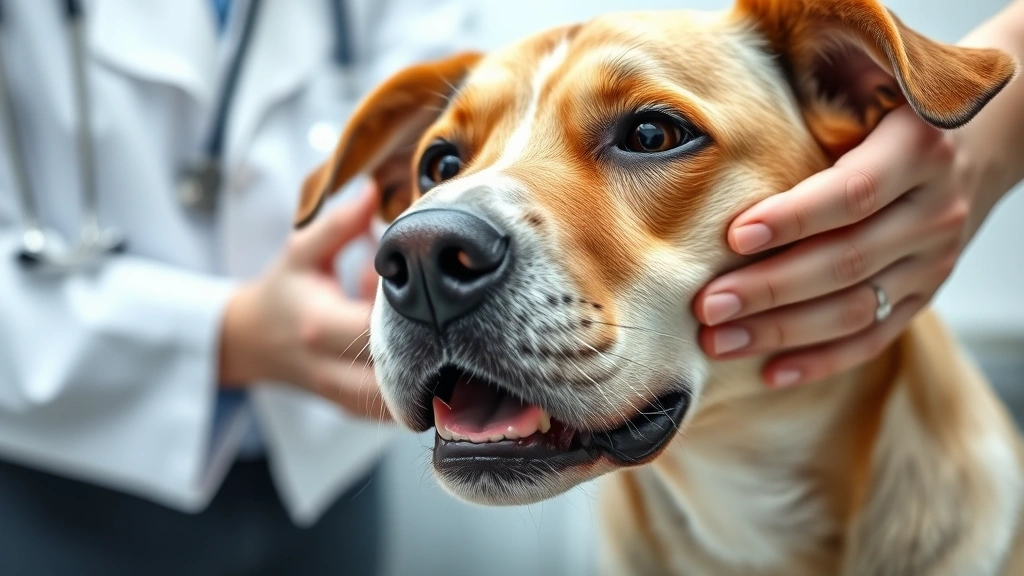
When you bring your dog in for a respiratory evaluation, your veterinarian will perform a thorough assessment. They’ll listen to your dog’s lungs with a stethoscope to detect abnormal sounds like crackles or wheezes. They may also ask about the exact timing of symptoms relative to the vaccination, your dog’s vaccination history, and any previous respiratory issues.
In some cases, your vet might recommend additional diagnostics like chest X-rays or swab tests to identify the specific cause. This information guides treatment decisions and helps rule out more serious conditions.
Treatment Options Your Vet Might Discuss
Treatment depends entirely on what your veterinarian finds during the examination. If a bacterial infection is present, your vet may discuss appropriate antimicrobial options. For viral infections, treatment is often supportive—meaning the focus is on keeping your dog comfortable while their immune system fights the virus naturally.
Your vet may also recommend anti-inflammatory support to reduce airway irritation and make breathing easier. The specific approach will be tailored to your individual dog’s age, health status, and the severity of symptoms. Always follow your vet’s guidance closely and report any changes in your dog’s condition.
Preventing Future Post-Vaccination Respiratory Issues
While you can’t eliminate the risk entirely, several strategies can reduce the likelihood of respiratory infections after vaccination:
- Schedule vaccinations during low-stress periods. Avoid vaccinating if your dog is already under stress or recovering from another illness.
- Keep your dog away from other dogs for a few days post-vaccination. This reduces exposure to contagious viruses while their immune system is ramping up.
- Maintain good hygiene practices. Regular handwashing and avoiding shared toys with other dogs helps prevent viral transmission.
- Ensure your dog’s overall health is strong. A well-nourished, regularly exercised dog bounces back faster from immune challenges.
- Ask your vet about spacing vaccines. In some cases, spacing out vaccines rather than giving multiple on the same day may be an option.
Related Vaccine Reactions to Watch For
Respiratory infections aren’t the only post-vaccine reaction pet owners should monitor. Some dogs experience other sensitivities after vaccination. If you’re curious about other potential reactions, our article on dog skin allergies after vaccination explores allergic responses that can occur. Additionally, some dogs may experience gastrointestinal issues in the days following vaccination.
Most post-vaccine reactions are mild and resolve on their own, but knowing what to watch for gives you confidence in distinguishing normal responses from those requiring veterinary attention.

When Should You Contact Your Vet Immediately?
Certain symptoms warrant urgent veterinary care and shouldn’t wait for a regular appointment. If your dog shows any of these signs, contact your vet or emergency clinic right away:
- Severe difficulty breathing or gasping for air
- Blue-tinged gums or tongue (sign of oxygen deprivation)
- Collapse or loss of consciousness
- High fever (over 103°F or 39.4°C)
- Severe lethargy or unresponsiveness
- Coughing up blood or bloody mucus
These symptoms indicate a serious situation that needs immediate professional evaluation. Don’t hesitate to seek emergency care—your quick action could make a significant difference in your dog’s outcome.
Frequently Asked Questions
Can the vaccine itself cause a respiratory infection?
No, the vaccine itself doesn’t cause infections. However, the immune stimulation from vaccination can temporarily make your dog slightly more susceptible to picking up viruses or bacteria from their environment during the first few days post-vaccine.
How long after vaccination can respiratory symptoms appear?
Most post-vaccine respiratory symptoms appear within 24–72 hours, though some can develop up to a week later. If symptoms appear more than 2 weeks after vaccination, they’re likely unrelated to the vaccine itself.
Is it safe to give another vaccine if my dog had a respiratory infection after the last one?
This depends on the specifics of your dog’s situation. Your vet will consider the type of infection, your dog’s overall health, and the importance of the vaccine before deciding on timing for future vaccinations.
Can I treat my dog’s respiratory infection at home without seeing a vet?
While supportive care helps, a veterinary evaluation is important to determine the cause and appropriate treatment. Some respiratory infections resolve on their own, but others require professional intervention to prevent complications.
Should I delay my dog’s next vaccination if they had respiratory issues after the last one?
Not necessarily. Talk with your veterinarian about what happened and whether spacing out vaccines or adjusting the vaccination schedule might be beneficial for your specific dog.
What To Do Now
- Monitor your dog closely for the next 7–10 days post-vaccination. Keep a simple log of any symptoms, their timing, and severity to share with your vet if needed.
- Contact your veterinarian if symptoms persist beyond 48–72 hours or worsen. Describe what you’ve observed and ask whether an in-person exam or telehealth consultation would be helpful.
- Create a calm recovery environment at home. Reduce stress, use a humidifier, ensure fresh water access, and limit strenuous activity while your dog recovers.
- Keep your dog separated from other dogs for a few days. This prevents spreading any potential infection and reduces exposure to additional pathogens while their immune system is busy.
- Review your dog’s overall health and nutrition with your vet. A strong immune system is your best defense against post-vaccine complications.
Summary: Taking Care of Your Dog Through Respiratory Recovery
A dog respiratory infection after vaccination is a concern that deserves attention, but it’s also manageable with the right approach. By understanding the connection between vaccination and temporary immune vulnerability, recognizing early symptoms, and knowing when to seek help, you’re already taking the best steps to protect your pup.
Remember that most post-vaccine respiratory issues resolve quickly with supportive care and, when necessary, professional treatment. Your attentiveness to your dog’s health and willingness to reach out to a veterinarian when needed are exactly what your furry friend needs right now.
If you ever feel uncertain about your dog’s symptoms or recovery, don’t hesitate to connect with a veterinarian—whether through a quick telehealth chat or an in-person visit. Your peace of mind matters, and your dog’s health is always worth the conversation.