
Watching your senior dog struggle to breathe or develop a persistent cough is heartbreaking, and a dog respiratory infection in senior pets is more common than you might think. Older dogs have weaker immune systems, making them vulnerable to infections that younger pups shake off easily. The good news? Catching it early and understanding your options puts you in a great position to help your beloved companion feel better.
Table of Contents
- Why Senior Dogs Are More Vulnerable to Respiratory Infections
- Common Signs Your Senior Dog Has a Respiratory Infection
- Types of Respiratory Infections in Older Dogs
- How Vets Diagnose Respiratory Infections in Senior Pets
- Understanding Treatment Options for Senior Dogs
- The Role of Supportive Care at Home
- When to Seek Emergency Care
- Preventing Respiratory Infections in Senior Dogs
- Special Considerations for Senior Dogs with Comorbidities
- Recovery Timeline and What to Expect
- When Respiratory Issues Become Chronic
- Frequently Asked Questions
- What To Do Now
- Summary
This article is for informational purposes only and is not a substitute for professional veterinary advice. Always consult a licensed veterinarian for diagnosis and treatment.
Why Senior Dogs Are More Vulnerable to Respiratory Infections
As dogs age, their immune system naturally weakens, making them less able to fight off bacterial, viral, and fungal invaders. Senior dogs also spend more time indoors and may have less mobility, which can affect lung function and clearance of mucus.
Additionally, older dogs often have underlying conditions like heart disease or kidney issues that complicate respiratory health. These comorbidities mean a simple cough in a senior dog deserves more attention than the same symptom in a younger pet.
Common Signs Your Senior Dog Has a Respiratory Infection
The most obvious sign is a persistent cough—especially one that sounds dry, hacking, or wet. You might also notice your senior dog:
- Breathing heavily or laboring to catch their breath
- Showing lethargy or reluctance to play
- Losing appetite or eating less
- Sneezing or nasal discharge
- Running a fever or feeling warm to the touch
- Wheezing or rattling sounds when breathing
Catching these signs early puts you in a great position to prevent complications. If your senior dog shows any of these symptoms, don’t wait—reach out to your vet.
Types of Respiratory Infections in Older Dogs
Respiratory infections in senior dogs fall into a few categories. Bacterial infections like pneumonia are common and often develop after a viral illness weakens the lungs. Viral infections such as canine influenza or kennel cough spread quickly, especially if your senior dog has been around other pets.
Fungal infections are less common but serious, particularly in certain geographic regions. Your vet can run tests to pinpoint exactly what’s causing your senior dog’s symptoms, which guides the right treatment approach.
How Vets Diagnose Respiratory Infections in Senior Pets
Your veterinarian will start with a physical exam, listening carefully to your dog’s lungs with a stethoscope. They may recommend chest X-rays to see if fluid or infection is present in the lungs.
Blood work and cultures help identify the specific bacteria or virus responsible. In some cases, your vet might suggest a tracheal wash or bronchoalveolar lavage to get samples directly from the respiratory tract. These diagnostic steps ensure your senior dog receives the most effective treatment.
Understanding Treatment Options for Senior Dogs
Treatment depends on the type and severity of infection. Most bacterial respiratory infections respond well to a course of antibiotics prescribed by your vet—never use leftover medications or guess at dosing. Your veterinarian will determine the appropriate medication and duration based on your dog’s age, weight, kidney and liver function, and other health conditions.
For viral infections, antibiotics won’t help, but supportive care—rest, fluids, and sometimes cough suppressants—can ease discomfort. Some senior dogs benefit from anti-inflammatory medications to reduce airway swelling and improve breathing.
The Role of Supportive Care at Home
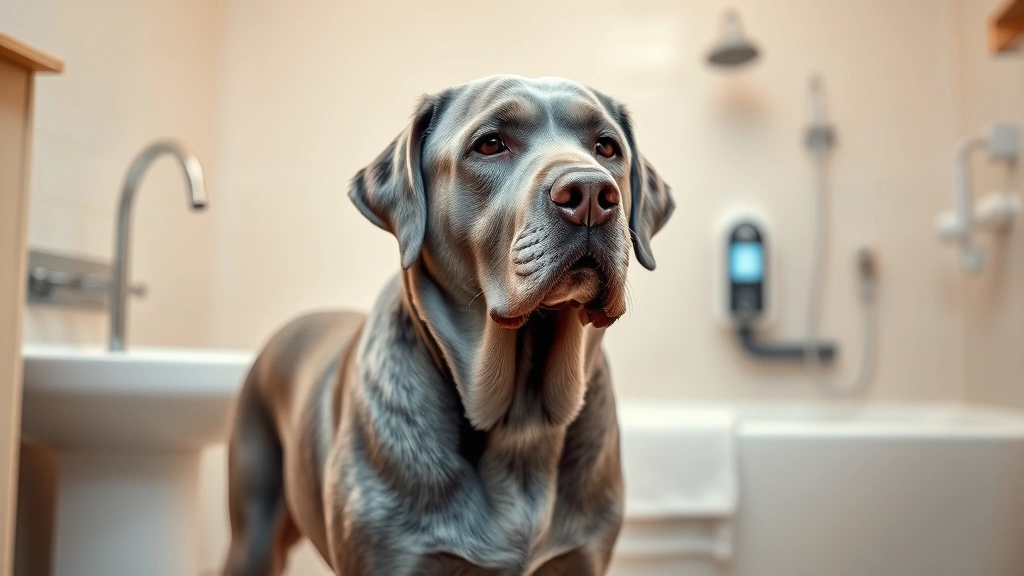
While medication is crucial, what you do at home matters just as much. Keep your senior dog in a warm, humid environment—a humidifier or steamy bathroom can help loosen mucus and ease coughing. Make sure fresh water is always available, as hydration is essential for recovery.
Limit strenuous exercise while your dog recovers. A short, gentle walk is fine, but running or playing should wait until your vet gives the all-clear. Monitor your dog’s appetite and energy levels, and report any worsening symptoms immediately.
When to Seek Emergency Care
Some respiratory infections escalate quickly. Seek emergency care if your senior dog shows severe difficulty breathing, blue-tinged gums, collapse, or extreme lethargy. These signs suggest pneumonia or another serious complication that needs immediate intervention.
If you’re uncertain whether your pet needs urgent care, a quick telehealth check-in can give you peace of mind—no appointment needed. The Pet Vet makes it easy to connect with a licensed veterinarian from home, which is especially helpful when your senior dog isn’t feeling well.
Preventing Respiratory Infections in Senior Dogs
Prevention is always easier than treatment. Keep your senior dog’s vaccinations current, including the bordetella vaccine if they spend time around other dogs. Minimize exposure to sick pets and crowded environments like dog parks or boarding facilities.
Maintain good dental hygiene, since oral bacteria can travel to the lungs. Regular vet checkups catch early signs of respiratory issues before they become serious. If your senior dog has heart disease or other chronic conditions, managing those well reduces respiratory infection risk.
Special Considerations for Senior Dogs with Comorbidities
Many senior dogs have heart disease or other chronic conditions that complicate respiratory infections. A dog with heart disease may develop fluid in the lungs, making a respiratory infection harder to treat. Your vet will take these factors into account when choosing medications and monitoring your dog’s progress.
Dogs with liver disease or kidney issues may need adjusted medication dosing. This is why a thorough veterinary exam and honest discussion about your dog’s health history is so important. Your vet needs to see the whole picture to keep your senior dog safe.
Recovery Timeline and What to Expect
Mild respiratory infections in senior dogs often improve within 7–10 days of starting treatment. More serious cases like pneumonia may take 3–4 weeks of medication and supportive care. Your vet will likely recommend a follow-up exam to confirm your dog’s lungs have cleared.
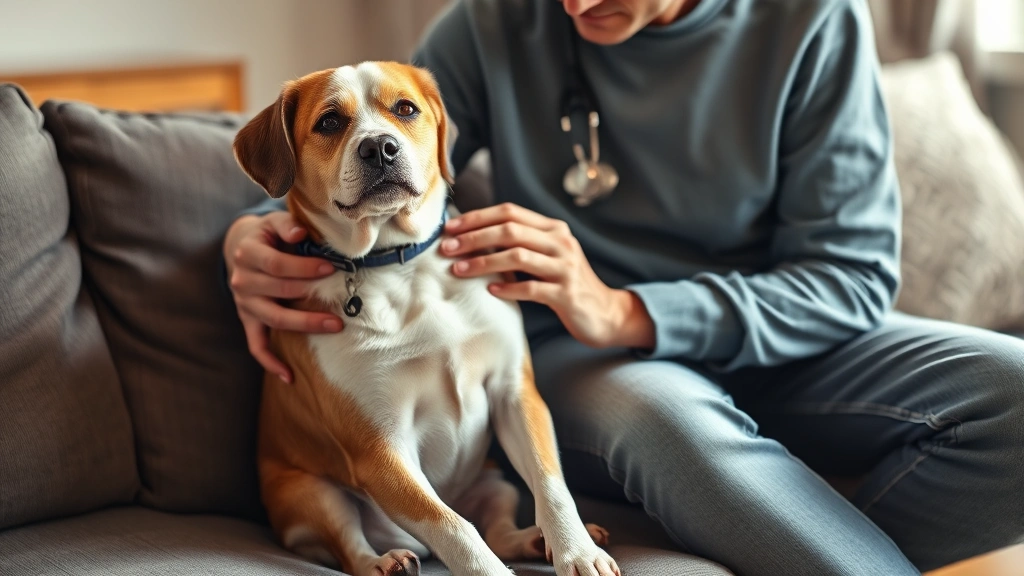
Don’t be surprised if your senior dog seems tired during recovery—that’s normal. Rest is healing. Continue all prescribed medications for the full duration, even if your dog seems better, to prevent relapse.
When Respiratory Issues Become Chronic
Some senior dogs develop chronic coughing that persists even after treatment. This can happen if the respiratory infection caused lasting inflammation or if your dog has an underlying condition like collapsing trachea or heart disease. Chronic respiratory issues need ongoing management and regular vet monitoring.
Your vet may recommend long-term medications, dietary adjustments, or lifestyle modifications to help your senior dog breathe easier. Many dogs live comfortably with chronic respiratory conditions when properly managed.
Frequently Asked Questions
Can I use over-the-counter cough medicine for my senior dog?
Never give your senior dog any medication without vet approval. Some human cough medicines are toxic to dogs, and others can mask serious symptoms. Your vet will recommend safe, appropriate options if needed.
How long does it take for antibiotics to work?
Most dogs show improvement within 3–5 days of starting antibiotics, but the full course typically lasts 7–14 days. Completing the entire course is crucial, even if your dog seems better.
Is kennel cough serious in senior dogs?
Kennel cough is usually mild in healthy dogs but can become serious in seniors, especially those with heart or lung disease. Always have a senior dog with kennel cough evaluated by a vet.
Can respiratory infections in senior dogs be prevented?
While you can’t prevent all infections, keeping vaccinations current, minimizing exposure to sick pets, and maintaining overall health significantly reduces risk. Regular vet checkups catch early problems before they escalate.
Should I be worried if my senior dog has a mild cough?
Any persistent cough in a senior dog warrants a vet visit. Even a mild cough can indicate early infection or an underlying condition. Early evaluation gives you the best chance at quick recovery.
What To Do Now
- Schedule a vet appointment immediately if your senior dog shows signs of respiratory infection. If your regular vet is booked, consider a telehealth consultation with The Pet Vet for a quick assessment and guidance.
- Document your dog’s symptoms before the appointment—note when the cough started, how often it happens, whether it’s dry or wet, and any other changes in behavior or appetite. This information helps your vet diagnose faster.
- Set up a comfortable recovery space at home with a humidifier, fresh water, and a quiet area away from other pets. Keep your senior dog calm and avoid strenuous activity until cleared by your vet.
- Keep all follow-up appointments and give medications exactly as prescribed. Don’t stop treatment early, even if your dog seems better.
- Monitor your dog closely during recovery and contact your vet immediately if symptoms worsen, your dog stops eating, or breathing becomes labored.
Summary
A dog respiratory infection in senior pets is serious but highly treatable when caught early. Your senior dog’s weaker immune system makes them more vulnerable, but prompt veterinary care and supportive home care lead to recovery in most cases. Watch for persistent coughs, labored breathing, and lethargy—these are your cues to act.
Work closely with your vet, follow medication instructions carefully, and provide a comfortable recovery environment. With proper treatment and monitoring, your senior dog can bounce back and enjoy their golden years. If you’re ever unsure whether your pet needs urgent care, reach out to The Pet Vet for a quick telehealth consultation—we’re here to help you feel confident in caring for your aging companion.