
If your dog is constantly scratching, licking their paws, or dealing with red, inflamed skin, you’re likely searching for answers—and a dog skin allergies best diet might be exactly what your pup needs to feel better. Skin allergies in dogs are incredibly common, and the frustrating truth is that many pet owners don’t realize how much food choices can impact their dog’s comfort and healing.
Table of Contents
- Understanding Dog Skin Allergies and Diet Connection
- High-Quality Protein: The Foundation of Healing
- Omega Fatty Acids: Nature’s Anti-Inflammatory
- Probiotics and Gut Health: The Hidden Connection
- Antioxidant-Rich Vegetables and Fruits
- Grains vs. Grain-Free: What the Science Says
- Foods to Avoid When Managing Skin Allergies
- Feeding for Coat Health: A Comprehensive Approach
- Transitioning to a New Diet Safely
- Working with Your Vet: The Elimination Diet Approach
- Supplements That Support Skin Healing
- Real Results: Timeline for Improvement
- Managing Environmental Factors Alongside Diet
- Frequently Asked Questions
- What To Do Now
- Summary: Building Your Dog’s Healing Diet
This article is for informational purposes only and is not a substitute for professional veterinary advice. Always consult a licensed veterinarian for diagnosis and treatment.
The good news? Nutrition plays a powerful role in managing skin allergies. By choosing the right foods and understanding what triggers your dog’s symptoms, you can help reduce itching, support skin barrier function, and even prevent flare-ups. Let’s dive into the science-backed strategies that actually work.
Understanding Dog Skin Allergies and Diet Connection
Skin allergies in dogs stem from three main culprits: environmental allergens, parasites, or food sensitivities. While you can’t always control pollen or dust mites, food is one factor you absolutely can manage. When a dog’s immune system reacts to certain ingredients, inflammation builds up—and that shows up as itching, redness, and discomfort.
The connection between diet and skin health is direct. Poor-quality proteins, excessive fillers, and inflammatory ingredients can trigger or worsen allergic responses. Meanwhile, nutrient-dense foods rich in omega fatty acids, antioxidants, and essential vitamins actively support skin healing and reduce inflammation from the inside out.
Many vets recommend starting with an elimination diet or switching to novel protein sources to identify triggers. This approach gives you real data about what works for your individual dog.
High-Quality Protein: The Foundation of Healing
Protein is non-negotiable for skin repair. Your dog’s skin cells, hair follicles, and immune defenses all depend on adequate, high-quality protein. The key is choosing sources that are less likely to trigger allergies.
Look for single-source, whole-food proteins rather than meat by-products or meals. Here are proteins often well-tolerated by dogs with allergies:
- Venison – A novel protein that many allergic dogs tolerate well
- Duck – Less common than chicken, making it ideal for elimination diets
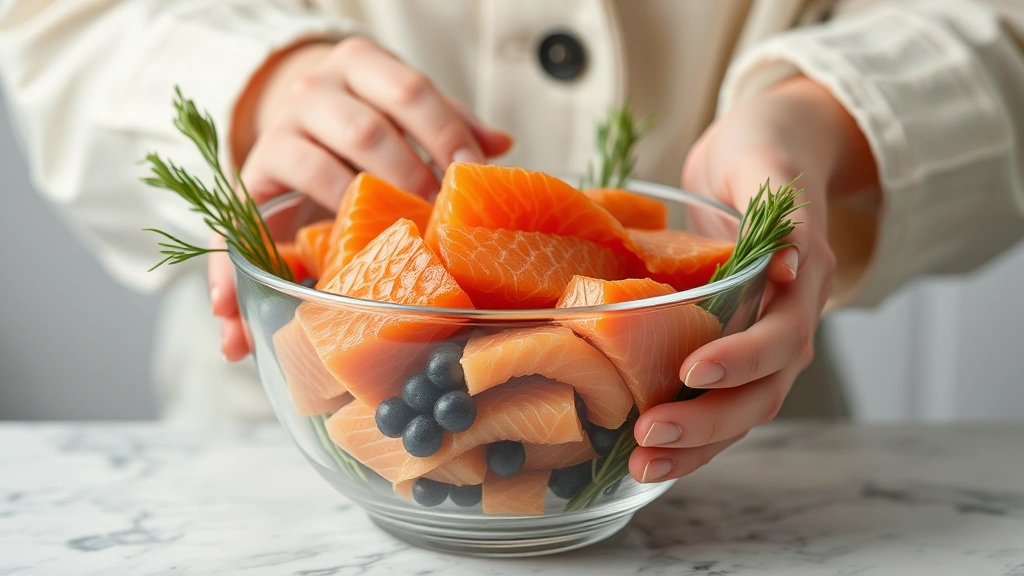
- Salmon – Rich in omega-3s AND a quality protein source
- Lamb – Historically used in limited-ingredient diets
- Turkey – Leaner than chicken and often better tolerated
- Beef – If not previously a trigger, can be an excellent protein base
Consider trying a rotating protein feeding schedule to prevent your dog from developing new sensitivities while keeping meals interesting. Rotation also helps identify which specific proteins work best for your pup’s unique system.

Omega Fatty Acids: Nature’s Anti-Inflammatory
If there’s one supplement category that consistently helps dogs with skin allergies, it’s omega fatty acids. These essential nutrients reduce inflammation, strengthen the skin barrier, and promote a healthier coat from within.
Omega-3 and omega-6 fatty acids work together to calm immune overreactions. When your dog’s skin is inflamed, these fats help restore balance and reduce itching—often noticeably within 4-6 weeks of consistent feeding.
The best dietary sources include:
- Fatty fish (salmon, mackerel, sardines)
- Fish oil supplements (consult your vet on dosing)
- Flaxseed and flaxseed oil
- Chia seeds
- Algae-based supplements
Foods rich in these fats are game-changers. When you’re evaluating a new food, check the ingredient list for fish oil or fish meal listed in the first five ingredients. This signals a diet specifically formulated to support skin health.
Probiotics and Gut Health: The Hidden Connection
Here’s something many pet owners miss: gut health directly influences skin health. About 70% of your dog’s immune system lives in their gut, so a healthy microbiome is essential for managing allergies.
When your dog’s digestive system is balanced, their immune response is more regulated. This means fewer false alarms and less inflammation—including on the skin.
Include probiotic-rich foods in your dog’s diet:
- Plain, unsweetened yogurt (if your dog tolerates dairy)
- Kefir
- Fermented vegetables (in small amounts)
- Bone broth with added probiotics
Many premium dog foods now include added probiotics specifically for this reason. Look for labels mentioning “live beneficial bacteria” or named strains like Lactobacillus or Bifidobacterium.

Antioxidant-Rich Vegetables and Fruits
Vegetables and fruits aren’t just filler—they’re packed with antioxidants that fight inflammation and support immune balance. The right produce can significantly boost your dog’s skin-healing potential.
The best options for allergic dogs include:
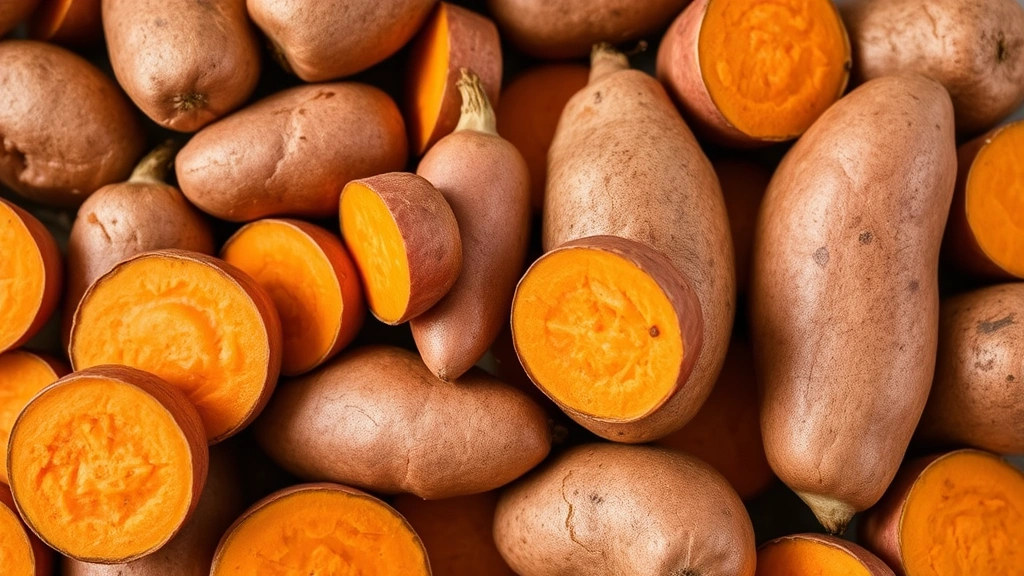
- Sweet potato – Nutrient-dense and easily digestible
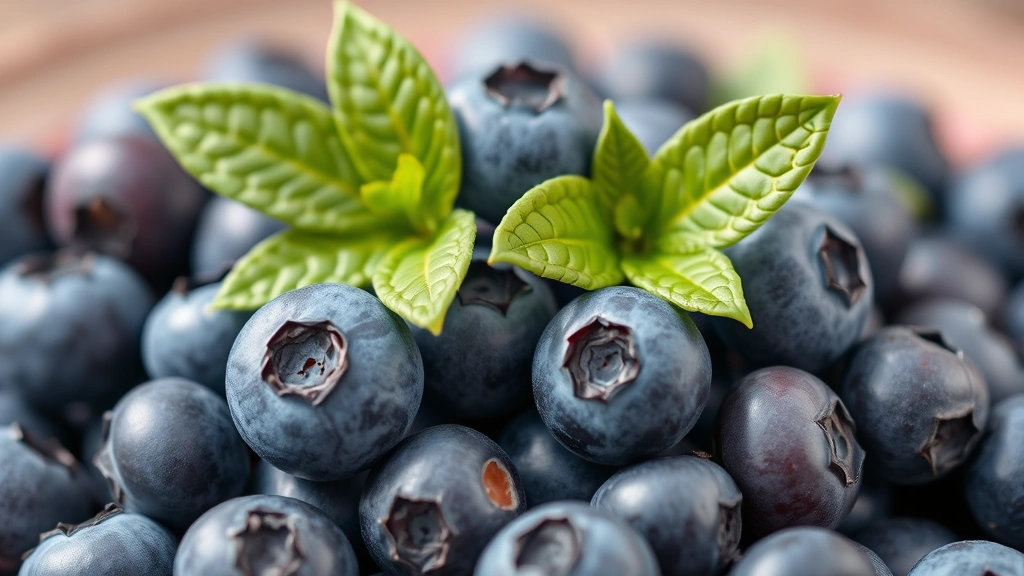
- Blueberries – Powerful antioxidants, safe for dogs
- Pumpkin – Supports digestion AND skin health
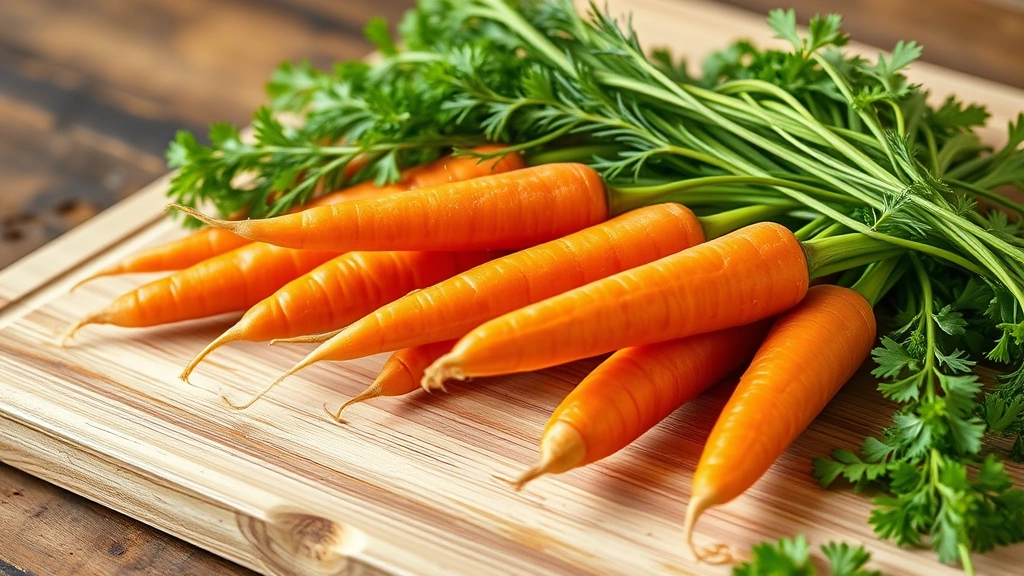
- Carrots – Crunchy, low-allergen, and soothing
- Green beans – Mild and nutrient-rich
- Spinach – Iron and antioxidants (in moderation)
- Apples – Remove seeds; great for variety
Aim for vegetables to make up about 10% of your dog’s daily calories. Raw or lightly cooked options preserve more nutrients, though some dogs digest cooked vegetables more easily.
Grains vs. Grain-Free: What the Science Says
The grain-free trend swept pet nutrition, but the science is more nuanced than marketing suggests. For most dogs with skin allergies, grains aren’t the primary culprit—protein sensitivity is.

That said, some dogs do react to grains like wheat, corn, or soy. If you suspect a grain sensitivity, try eliminating one grain at a time to identify the trigger rather than jumping straight to grain-free.
Good grain options for dogs with allergies include:
- Brown rice – Easily digestible and low-allergen
- Oats – Soothing and nutrient-dense
- Barley – Mild and well-tolerated by most dogs
- Sweet potato – Technically a root, not a grain, but grain-free friendly
Work with your vet to determine whether grains are actually triggering your dog’s symptoms. An elimination diet provides the clearest answers.
Foods to Avoid When Managing Skin Allergies
Just as important as knowing what to feed your dog is knowing what to avoid. Certain ingredients commonly trigger or worsen allergic responses.

Watch out for:
- Chicken – One of the most common allergens in dogs (despite being in most foods)
- Beef – If previously exposed and reacted to
- Corn, wheat, soy – Common fillers that trigger sensitivities
- Artificial colors and preservatives – Can increase inflammation
- By-products and meat meals – Low-quality protein sources
- Excessive treats
- Table scraps – Often high in salt, fat, and allergens
Reading ingredient labels carefully is your first line of defense. If you can’t pronounce an ingredient or don’t know what it is, your dog probably doesn’t need it.
Feeding for Coat Health: A Comprehensive Approach
Healthy skin starts with a comprehensive nutrition strategy. It’s not just about one ingredient—it’s about building a diet that supports every aspect of skin function.
Feeding for coat health means balancing protein, fats, vitamins, and minerals in every meal. Look for foods that list these components clearly and consider adding targeted supplements under veterinary guidance.
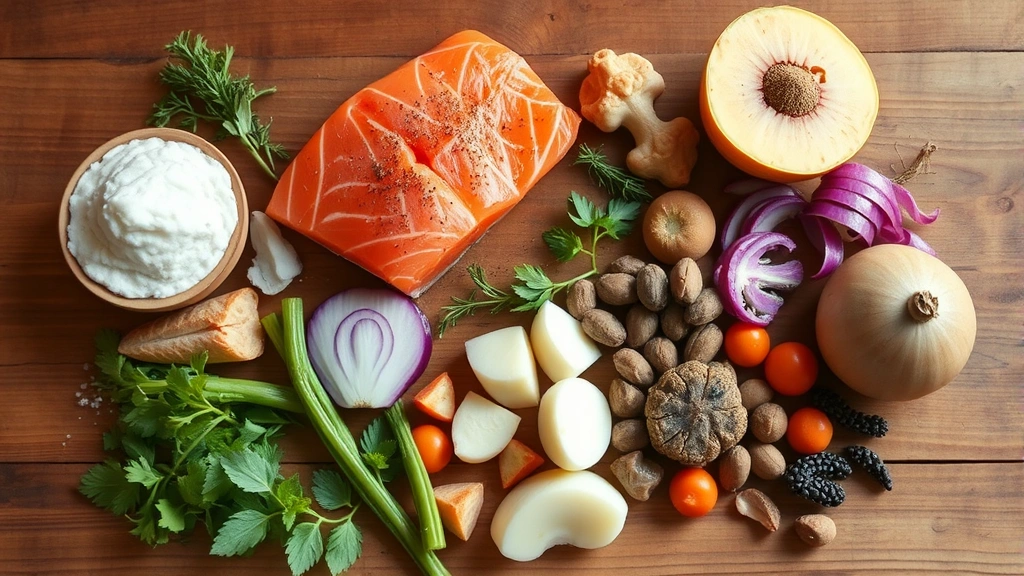
A truly healing diet should include:
- High-quality, novel proteins
- Omega-3 and omega-6 fatty acids
- Probiotics for gut health
- Antioxidant-rich vegetables
- Essential vitamins and minerals (zinc, vitamin E, vitamin A)
When you combine these elements, you’re not just treating symptoms—you’re addressing the root cause of inflammation.
Transitioning to a New Diet Safely
Switching foods too quickly can upset your dog’s digestive system and mask which foods actually trigger allergies. A gradual transition is essential.
Follow this timeline:
- Days 1-3: Mix 25% new food with 75% old food
- Days 4-6: Mix 50% new food with 50% old food
- Days 7-9: Mix 75% new food with 25% old food
- Day 10+: 100% new food
Watch for digestive upset or skin changes during this period. If you notice vomiting, diarrhea, or increased itching, slow the transition or consult your vet. Catching issues early puts you in a great position to find the right diet for your pup.
Working with Your Vet: The Elimination Diet Approach
The most reliable way to identify food triggers is through an elimination diet under veterinary supervision. This means feeding a limited ingredient diet for 8-12 weeks, then gradually introducing ingredients to pinpoint reactions.
Your vet might recommend prescription elimination diets or specific over-the-counter brands formulated for this purpose. The goal is to remove all suspected allergens, let your dog’s skin heal, then carefully reintroduce ingredients to identify triggers.
This process requires patience, but it provides concrete answers about what your individual dog can and cannot tolerate. If you’re unsure whether your pet needs professional guidance, a quick telehealth check-in with a vet can give you peace of mind—no appointment needed.
Supplements That Support Skin Healing
Beyond whole foods, certain supplements can accelerate healing and reduce itching. Always discuss supplements with your vet before adding them to your dog’s routine.
Evidence-backed options include:
- Fish oil – Reduces inflammation and supports skin barrier
- Coconut oil – Anti-inflammatory; use sparingly due to calorie content
- Quercetin – Natural antihistamine from plants
- Zinc – Essential for skin repair and immune function
- Vitamin E – Antioxidant that protects skin cells
- Probiotics – Restore gut balance and reduce allergic response
Quality matters enormously with supplements. Choose brands that third-party test their products and clearly list active ingredients and concentrations.
Real Results: Timeline for Improvement
When you switch to a healing diet, improvement doesn’t happen overnight. Understanding realistic timelines helps you stay committed to the process.
What to expect:
- Weeks 1-2: Digestive adjustment; skin may look unchanged
- Weeks 3-4: Mild reduction in itching; coat may look slightly healthier
- Weeks 6-8: Noticeable improvement in skin appearance and reduced scratching
- Weeks 8-12: Significant healing; most dogs show substantial improvement
If you see zero improvement after 12 weeks, environmental allergies or parasites might be the primary cause rather than food. This is when working closely with your vet becomes crucial.
Managing Environmental Factors Alongside Diet
Diet is powerful, but it’s not the whole picture. Environmental allergies often coexist with food sensitivities, and managing both gives your dog the best chance at relief.
Complement your diet strategy with:

- Regular bathing with hypoallergenic shampoo (weekly if needed)
- Frequent paw soaks to remove allergens
- Washing bedding in hypoallergenic detergent
- Minimizing exposure to known environmental triggers
- Regular parasite prevention (fleas are a common hidden culprit)
A multi-pronged approach addressing both nutrition and environment gives you the best results.
Frequently Asked Questions
How long does it take for diet changes to help with skin allergies?
Most dogs show noticeable improvement within 6-8 weeks of dietary changes. However, some take up to 12 weeks to fully heal, so patience is essential.
Is chicken bad for all dogs with skin allergies?
Chicken is a common allergen, but not all dogs react to it. An elimination diet helps identify whether your specific dog is sensitive to chicken or other proteins.
Can I manage skin allergies with diet alone?
Diet is powerful, but environmental allergies or parasites may require additional treatment. Work with your vet to identify all contributing factors.

What’s the best dog food for skin allergies?
The “best” food is the one your individual dog tolerates without triggering reactions. Novel proteins, high omega content, and minimal fillers are good starting points, but trial and adjustment are often needed.
Are grain-free diets necessary for dogs with skin allergies?
Not necessarily. Most allergic dogs react to proteins, not grains. An elimination diet helps determine whether grains are actually a trigger for your dog.
What To Do Now
- Schedule a vet consultation – Discuss your dog’s symptoms and get professional guidance on whether an elimination diet is appropriate. If you need a quick initial assessment, a telehealth visit can help you get started.
- Review your dog’s current food – Check the ingredient list for common allergens (chicken, beef, corn, wheat, soy). Note which proteins and fillers are currently in their diet.
- Research limited-ingredient or novel protein options – Look for foods featuring venison, duck, salmon, or lamb as the primary protein. Ensure omega fatty acids are listed in the first five ingredients.
- Plan a gradual food transition – Use the 10-day transition timeline to switch foods slowly and monitor your dog’s response to digestive changes.
- Track improvements over 8-12 weeks – Keep notes on itching frequency, skin appearance, and coat quality. This data helps your vet determine if the diet is working and guides next steps.
Summary: Building Your Dog’s Healing Diet
A dog skin allergies best diet is built on high-quality proteins, omega fatty acids, probiotics, and antioxidant-rich whole foods. By eliminating common triggers and focusing on nutrient density, you can significantly reduce inflammation and support your dog’s skin healing from the inside out.
Remember: every dog is unique. What works beautifully for one pup might not work for another. The elimination diet approach, combined with patience and careful observation, is your best tool for finding exactly what your dog needs.
Your dog’s constant scratching and discomfort don’t have to be permanent. With the right nutritional foundation and professional veterinary guidance, most dogs show remarkable improvement. Start today, stay consistent, and give your pup the gift of healthy, comfortable skin.
For more insights on optimizing your dog’s nutrition, explore skin infections in dogs and dog gastrointestinal issues home treatment to understand the broader picture of your dog’s health. If digestive concerns are present, check out dog liver disease foods to avoid for additional dietary guidance.