
If your dog is constantly scratching, licking, or dealing with red, inflamed skin, you’re not alone—and you’re probably wondering how to finally bring relief. Dog skin allergies chronic management is one of the most common challenges pet owners face, but the good news is that with the right approach, you can significantly reduce your dog’s discomfort and improve their quality of life.
Table of Contents
- Understanding Chronic Dog Skin Allergies
- Solution 1: Identify and Eliminate Dietary Triggers
- Solution 2: Optimize Omega-3 and Omega-6 Balance
- Solution 3: Establish a Regular Bathing and Grooming Routine
- Solution 4: Control Environmental Allergens
- Solution 5: Use Targeted Topical Treatments
- Solution 6: Address Secondary Infections Promptly
- Solution 7: Consider Immunotherapy or Allergy Testing
- Managing Flare-Ups: A Practical Action Plan
- The Role of Patience and Consistency
- Summary: Your Dog Skin Allergies Chronic Management Toolkit
- Frequently Asked Questions
- What To Do Now
This article is for informational purposes only and is not a substitute for professional veterinary advice. Always consult a licensed veterinarian for diagnosis and treatment.
Chronic skin allergies in dogs aren’t something you have to just accept or manage with endless trips to the vet. While there’s no magic cure-all, there are evidence-based strategies that work. Let’s walk through seven proven solutions that can help your furry friend feel better—starting today.
Understanding Chronic Dog Skin Allergies
Before jumping into solutions, it helps to understand what’s actually happening with your dog’s skin. Chronic skin allergies develop when your dog’s immune system overreacts to substances in their environment or diet. This overreaction causes inflammation, itching, and secondary infections that can spiral into a frustrating cycle.
Unlike acute allergies that come and go, chronic allergies persist for weeks or months. Your dog may be experiencing itching year-round, or it could flare up seasonally. Either way, the constant discomfort affects their sleep, mood, and overall well-being.
Solution 1: Identify and Eliminate Dietary Triggers
One of the most effective ways to manage dog skin allergies is through diet. Food allergies and sensitivities are a major culprit, and the good news is you can control what goes in your dog’s bowl.
Common food triggers include:
- Beef, chicken, and dairy (the top three allergens)
- Wheat, corn, and soy
- Artificial additives and preservatives
- High-omega-6 ingredients that promote inflammation
Work with your vet to consider an elimination diet, where you remove suspected allergens for 8-12 weeks and monitor your dog’s skin. Many pet owners see dramatic improvements during this period. You might also explore dog gastrointestinal issues and foods to avoid to understand how diet impacts overall health.
Catching dietary triggers early puts you in a great position to help your dog long-term without relying solely on medications.
Solution 2: Optimize Omega-3 and Omega-6 Balance
The ratio of omega-3 to omega-6 fatty acids matters tremendously for skin health. Most commercial dog foods are heavy on omega-6, which can amplify inflammation. Adding omega-3 sources helps calm the immune response and reduce itching.
Consider incorporating:
- Fish oil supplements (ask your vet for appropriate dosing)
- Salmon or sardines as occasional treats
- Flaxseed oil in their food
- Dog foods formulated with higher omega-3 ratios
Many dogs show noticeable improvement in coat quality and skin irritation within 4-6 weeks of consistent omega-3 supplementation. It’s a gentle, natural approach that complements other management strategies.
Solution 3: Establish a Regular Bathing and Grooming Routine
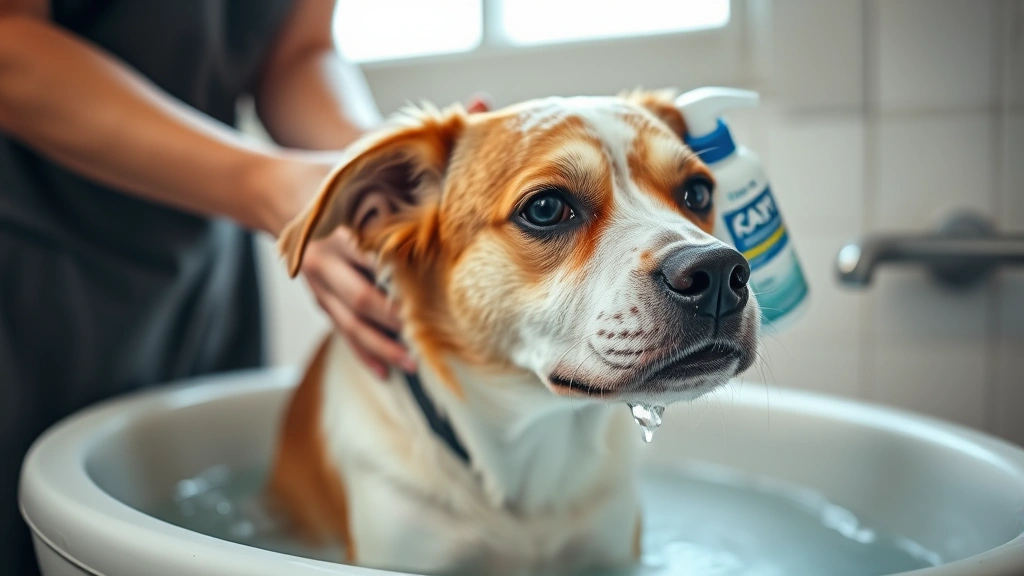
Bathing isn’t just about keeping your dog clean—it’s a therapeutic tool for managing chronic skin allergies. Regular baths remove allergens, soothe inflamed skin, and prevent secondary bacterial or yeast infections.
Here’s what works best:
- Frequency: Bathe every 1-2 weeks with a gentle, hypoallergenic or medicated shampoo
- Water temperature: Use lukewarm water, not hot (hot water strips natural oils)
- Duration: Let the shampoo sit for 5-10 minutes to allow ingredients to work
- Post-bath: Dry thoroughly, especially in skin folds, to prevent yeast overgrowth
Between baths, wipe your dog’s paws and belly with a damp cloth after outdoor time to remove environmental allergens. This simple habit prevents allergens from being tracked through the house and onto your dog’s skin.
Solution 4: Control Environmental Allergens
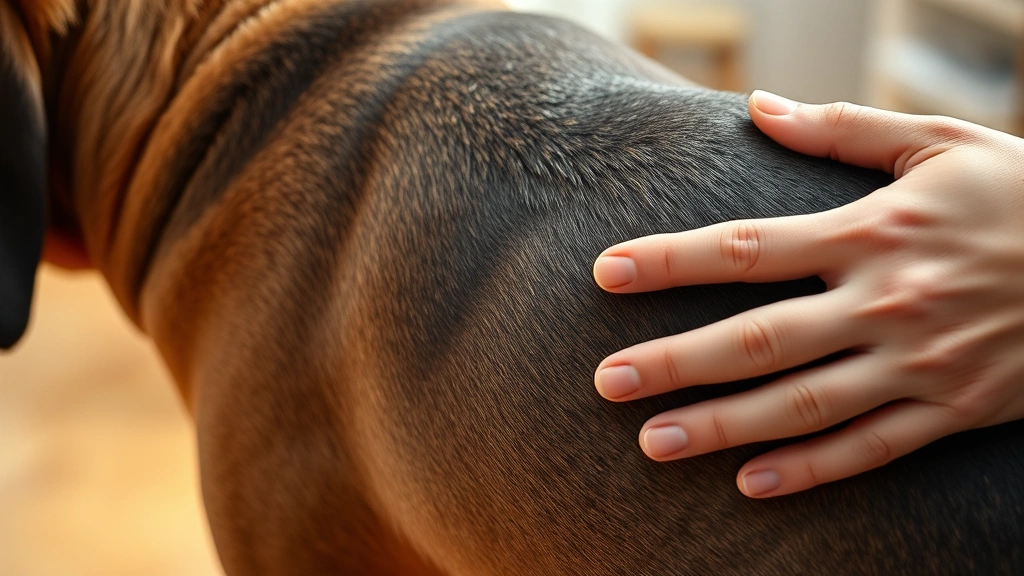
Your home environment plays a huge role in chronic skin allergy management. Dust mites, pollen, mold, and other environmental triggers accumulate in bedding, carpets, and furniture.
Take these practical steps:
- Wash your dog’s bedding weekly in hot water
- Vacuum frequently, preferably with a HEPA filter
- Use air purifiers in rooms where your dog spends the most time
- Keep humidity levels between 30-50% to discourage mold and dust mites
- Minimize exposure to cigarette smoke and strong chemical cleaners
If your dog’s allergies worsen during certain seasons, you may be dealing with environmental triggers like pollen or ragweed. Keeping your dog indoors more during peak allergy season and wiping their coat when they come inside can help.
Solution 5: Use Targeted Topical Treatments
While oral medications have their place, topical treatments offer localized relief without systemic side effects. These work especially well for managing specific itchy spots or preventing secondary infections.
Effective options include:
- Medicated sprays and wipes designed for allergic skin
- Hydrating creams and balms for dry patches
- Antihistamine or anti-inflammatory sprays
- Protective paw balms (especially helpful if your dog is licking their feet)
Topical treatments are often overlooked, but they can significantly reduce your dog’s urge to scratch and lick, which prevents the itch-scratch-infection cycle from worsening.
Solution 6: Address Secondary Infections Promptly
One of the trickiest parts of chronic skin allergy management is dealing with secondary infections. When your dog scratches and licks constantly, bacteria and yeast thrive on inflamed skin, creating a vicious cycle of itching and infection.
Signs of secondary infection include:
- Foul odor from the skin
- Yellow or green discharge
- Crusty or scaly patches
- Sudden worsening of itching
If you notice these signs, don’t wait—secondary infections need prompt attention to prevent them from spreading. Your vet may recommend medicated shampoos, topical treatments, or oral medications to clear the infection while you address the underlying allergy.
Catching secondary infections early prevents them from complicating your long-term management plan.
Solution 7: Consider Immunotherapy or Allergy Testing
If your dog’s allergies are severe or haven’t improved with the above strategies, immunotherapy (allergy shots) or allergy testing might be worth exploring. These approaches work differently than symptom management—they actually help desensitize your dog’s immune system to specific allergens.
Allergy testing can identify exactly what your dog is reacting to, whether it’s dust mites, specific pollens, or mold. From there, your vet can recommend targeted immunotherapy tailored to your dog’s specific allergies.
This approach takes time (usually 6-12 months to see full benefits), but many dogs experience dramatic long-term improvement. Learn more about when professional help is needed by reading our guide on dog skin allergies: when to see a vet.
Managing Flare-Ups: A Practical Action Plan
Even with solid management strategies, flare-ups happen. Having a plan in place helps you respond quickly and prevent things from spiraling.
When you notice increased scratching or itching:
- Increase bathing frequency to 2-3 times per week with medicated shampoo
- Apply topical treatments to affected areas immediately
- Review recent diet changes or environmental changes that might trigger the flare
- Consider a telehealth check-in if symptoms persist beyond a few days
- Keep detailed notes about what preceded the flare to identify patterns
If you are unsure whether your pet needs urgent care, a quick telehealth check-in can give you peace of mind—no appointment needed.
The Role of Patience and Consistency
Here’s something important: chronic skin allergy management isn’t about finding a quick fix. It’s about building a sustainable routine that works for your individual dog. What works beautifully for one dog might not be the answer for another.
The most successful pet owners we see are those who:
- Stay consistent with bathing and grooming routines
- Track which strategies make the biggest difference
- Work closely with their vet to adjust the plan as needed
- Remain patient—improvements often take 4-8 weeks to become noticeable
Your dedication to managing your dog’s skin allergies is already making a difference in their comfort and happiness.
Summary: Your Dog Skin Allergies Chronic Management Toolkit
Managing chronic skin allergies in dogs requires a multi-pronged approach. There’s no single solution, but combining dietary adjustments, environmental control, regular grooming, targeted treatments, and professional guidance creates a powerful framework for relief.
The seven solutions we’ve covered—dietary optimization, omega-3 supplementation, regular bathing, environmental allergen control, topical treatments, infection management, and immunotherapy—work best when tailored to your individual dog’s needs.
Start with the strategies that feel most manageable for your lifestyle, track what works, and build from there. Your dog’s comfort and quality of life are absolutely worth the effort.
Frequently Asked Questions
How long does it take to see improvement with dietary changes?
Most dogs show noticeable improvement within 8-12 weeks of eliminating food triggers. Some respond faster, while others need the full timeframe. Consistency is key—any accidental exposure to the allergen can reset the progress.
Can I use human moisturizers on my dog’s dry, itchy skin?
No—human products often contain ingredients that are irritating or toxic to dogs. Always use products specifically formulated for dogs, and ask your vet for recommendations tailored to your dog’s skin condition.
Is it normal for my dog’s allergies to get worse in spring and fall?
Yes, seasonal flare-ups are very common, especially if environmental allergens like pollen are involved. Increasing bathing frequency and topical treatments during these seasons can help manage symptoms.
What’s the difference between food allergies and food sensitivities?
Food allergies involve an immune response and cause itching and skin symptoms, while food sensitivities typically cause digestive upset. Both can affect skin health, which is why diet is so important in chronic management.
Should I use cone or elizabethan collar to prevent scratching?
Cones can help prevent damage from constant licking and scratching, but they’re a short-term solution. Focus on addressing the underlying itch with bathing, topical treatments, and dietary changes rather than relying on cones long-term.
What To Do Now
- Schedule a vet consultation: Discuss your dog’s specific symptoms and get a professional assessment. If you prefer starting with a telehealth option, The Pet Vet can connect you with a licensed veterinarian for a convenient initial consultation.
- Start a symptom journal: Track when itching worsens, what your dog ate, environmental changes, and which treatments provided relief. This data is invaluable for identifying patterns.
- Introduce one dietary or supplement change at a time: Whether it’s switching to a new food or adding omega-3 supplements, change one variable at a time so you can clearly see what helps.
- Establish a weekly bathing routine: Choose a gentle, hypoallergenic shampoo and commit to weekly baths for at least 4 weeks to see if it improves your dog’s symptoms.
- Deep clean your home: Wash all bedding, vacuum thoroughly, and consider an air purifier to reduce environmental allergen exposure while you work on other management strategies.
Your dog’s chronic skin allergies are manageable. With consistency, patience, and the right combination of strategies, you can help your furry friend feel significantly better. You’ve got this.