
If your senior dog is scratching more than usual, losing fur, or developing red, inflamed patches on their skin, you’re likely dealing with dog skin allergies in senior pets—a frustratingly common issue that affects older dogs at higher rates than their younger counterparts. The good news? You’re not alone, and there are effective solutions available.
Table of Contents
- Why Senior Dogs Develop Skin Allergies More Often
- Common Signs of Skin Allergies in Aging Dogs
- Understanding the Three Main Types of Allergies
- Medication Solution 1: Antihistamines for Mild to Moderate Allergies
- Medication Solution 2: Topical Corticosteroids and Anti-Inflammatory Creams
- Medication Solution 3: Oral Corticosteroids for Severe Flare-Ups
- Medication Solution 4: Immunosuppressants for Chronic Allergies
- Medication Solution 5: Antibiotics and Antifungals for Secondary Infections
- Medication Solution 6: Omega-3 Fatty Acid Supplements
- Medication Solution 7: Prescription Allergy Medications and Biologics
- Supporting Medication with Lifestyle and Dietary Changes
- When to Seek Veterinary Care for Your Senior Dog
- Managing Expectations: Timeline for Improvement
- Preventing Future Flare-Ups in Senior Dogs
- Summary: A Path Forward for Your Senior Dog
- Frequently Asked Questions
- What To Do Now
This article is for informational purposes only and is not a substitute for professional veterinary advice. Always consult a licensed veterinarian for diagnosis and treatment.
Senior dogs are particularly vulnerable to skin allergies because their immune systems naturally weaken with age, and their skin barrier becomes more fragile. Understanding what’s causing your dog’s discomfort and knowing which medication approaches work best can help you ease their suffering and improve their quality of life in their golden years.
Why Senior Dogs Develop Skin Allergies More Often
As dogs age, their bodies undergo significant changes. Their immune system becomes less efficient at distinguishing between harmless substances and genuine threats, which can lead to overreactions—like allergic responses to foods, environmental triggers, or parasites.
Additionally, senior dogs often have compromised skin health due to reduced oil production and decreased cellular turnover. This makes their skin thinner and more susceptible to irritation and infection.
Catching skin allergies early in your senior dog puts you in a great position to manage symptoms effectively and prevent secondary infections.
Common Signs of Skin Allergies in Aging Dogs
Recognizing the symptoms early is crucial. Your senior dog may be experiencing skin allergies if you notice:
- Excessive scratching, licking, or biting at their skin
- Red, inflamed patches or hives
- Hair loss or thinning coat
- Scaly or flaky skin
- Ear infections or waxy buildup in ears
- Paw chewing or swollen paws
- A musty or yeasty odor on their skin
- Hot spots or oozing sores from constant licking
These signs can develop suddenly or gradually, and they often worsen during certain seasons or after dietary changes. If your senior dog shows any combination of these symptoms, a veterinary evaluation is important to rule out other conditions and identify the underlying cause.
Understanding the Three Main Types of Allergies
Not all skin allergies are created equal. Understanding which type your senior dog has will help determine the best treatment approach.
Environmental allergies occur when your dog reacts to pollen, dust mites, mold, or other airborne particles. These are often seasonal but can become year-round in some climates.
Food allergies develop when your senior dog’s immune system reacts to a specific protein or ingredient in their diet. Common culprits include chicken, beef, wheat, and dairy.
Contact allergies happen when your dog’s skin directly touches an irritating substance like certain fabrics, cleaning products, or plants. These are less common but still worth considering.
Your veterinarian can help determine which type your senior dog has through observation, elimination diets, or allergy testing—each requiring a different management strategy.
Medication Solution 1: Antihistamines for Mild to Moderate Allergies
Antihistamines are often the first line of defense for senior dogs experiencing mild to moderate itching. These medications work by blocking histamine receptors in the body, reducing the allergic response.
The advantage of antihistamines is that they’re generally well-tolerated in older dogs and have fewer side effects compared to other options. However, they work best when started early in the allergic response and may take several days to show full effect.
Your veterinarian will recommend the appropriate choice and frequency for your senior dog’s specific situation, as different antihistamines have varying effectiveness across individual dogs.
Medication Solution 2: Topical Corticosteroids and Anti-Inflammatory Creams
For localized skin irritation, topical treatments can provide quick relief without systemic side effects. Corticosteroid creams, sprays, and ointments reduce inflammation directly at the affected area.
These are particularly useful for senior dogs with isolated hot spots or small patches of irritation. They work rapidly—often within hours—and allow your dog to stop the constant licking that can worsen the condition.
The key is using these treatments under veterinary guidance to ensure proper application and to monitor for any skin thinning that can occur with long-term use in older dogs.

Medication Solution 3: Oral Corticosteroids for Severe Flare-Ups
When allergies become severe or widespread, oral corticosteroids may be necessary to control inflammation throughout the body. These powerful anti-inflammatory medications can provide dramatic relief during acute flare-ups.
Veterinarians typically prescribe these at the lowest effective dose for the shortest duration necessary, as senior dogs are more susceptible to side effects like increased thirst, hunger, and urination with long-term use.
Your vet will monitor your senior dog closely if these medications are needed regularly, adjusting dosages and exploring other options to minimize long-term exposure.
Medication Solution 4: Immunosuppressants for Chronic Allergies
For senior dogs with persistent allergies that don’t respond well to other treatments, immunosuppressant medications may be considered. These drugs modulate the immune system’s overreaction without completely suppressing immunity.
These medications are typically reserved for chronic cases because they require careful monitoring through blood work. However, they can be life-changing for older dogs suffering from relentless itching.
The benefit is that they often allow for reduction or elimination of corticosteroids, which is particularly important for long-term health in senior dogs.
Medication Solution 5: Antibiotics and Antifungals for Secondary Infections
Constant scratching and licking create open doors for bacterial and yeast infections. Your senior dog may be experiencing a secondary infection on top of the primary allergy.
Addressing these infections is essential because they perpetuate the itch-scratch cycle. Your veterinarian may prescribe oral antibiotics or antifungals, often combined with medicated shampoos or topical treatments.
Treating the infection can provide significant relief while you work on managing the underlying allergy. This often results in noticeable improvement within one to two weeks.
Medication Solution 6: Omega-3 Fatty Acid Supplements
While technically a supplement rather than a medication, omega-3 fatty acids have documented anti-inflammatory properties that support skin health. These can work synergistically with other treatments to reduce overall inflammation.
Senior dogs benefit particularly from omega-3 supplementation because it supports not only skin health but also joint function and cognitive health. Many veterinarians recommend fish oil or algae-based supplements as part of a comprehensive allergy management plan.
Results typically take 4-8 weeks to become noticeable, so patience is important, but the long-term benefits for your senior dog’s overall health make this a worthwhile addition.
Medication Solution 7: Prescription Allergy Medications and Biologics
Newer prescription medications specifically designed for canine allergies have revolutionized treatment for senior dogs with severe, chronic allergies. These targeted biologics work differently than traditional medications, offering relief with fewer systemic side effects.
These newer options are particularly valuable for senior dogs because they can provide excellent allergy control while minimizing the risks associated with long-term corticosteroid or immunosuppressant use.
Your veterinarian can discuss whether your senior dog might benefit from these advanced options, which have shown impressive results in clinical studies.
Supporting Medication with Lifestyle and Dietary Changes
Medications work best when combined with environmental management and dietary adjustments. Here’s what you can do alongside medication:
- Identify and eliminate triggers: If your senior dog has food allergies, work with your vet on an elimination diet to pinpoint the culprit
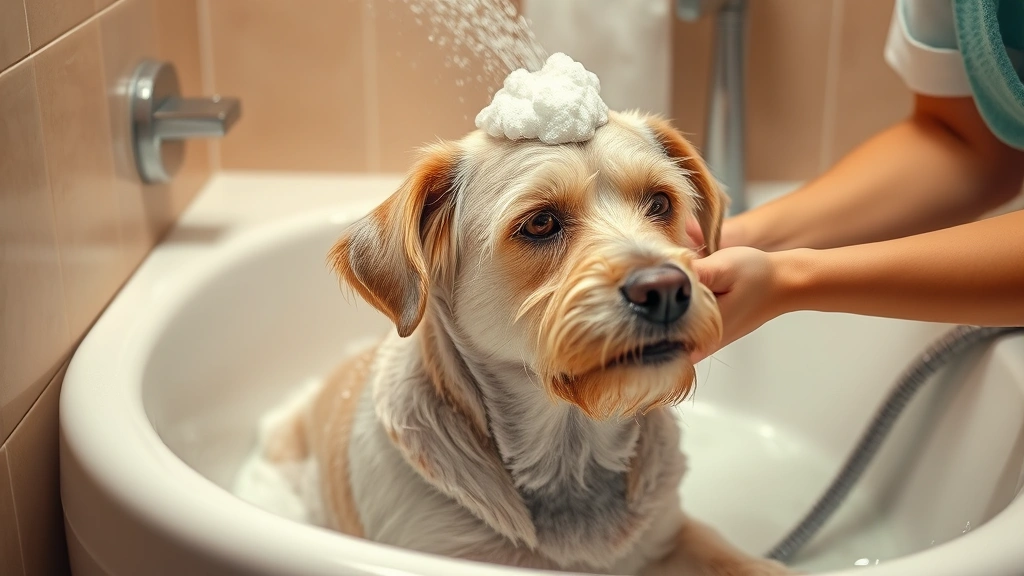
- Maintain regular bathing: Bathing with hypoallergenic shampoos removes allergens from the skin and coat
- Clean bedding frequently: Wash your dog’s bedding weekly to reduce dust mites and environmental allergens
- Optimize nutrition: A high-quality diet with appropriate nutrition for coat health supports your senior dog’s skin barrier function
- Reduce stress: Stress can worsen allergies, so maintain calm routines and adequate exercise for your senior dog
When to Seek Veterinary Care for Your Senior Dog
Don’t wait if your senior dog is showing signs of skin allergies. Early intervention prevents secondary infections and reduces your dog’s suffering. Learn more about when to see a vet for dog skin allergies.
Seek immediate veterinary attention if your senior dog develops:
- Severe swelling of the face or throat
- Open sores or bleeding from excessive scratching
- Signs of infection like pus or foul odor
- Sudden worsening of symptoms
If you’re unsure whether your pet needs urgent care, a quick telehealth check-in can give you peace of mind—no appointment needed. The Pet Vet can help you assess whether your senior dog requires immediate evaluation or if home management strategies might provide initial relief.
Managing Expectations: Timeline for Improvement
Understanding realistic timelines helps you stay patient and consistent with treatment. Different medication approaches show results on different schedules.
Antihistamines may help within 24-48 hours. Topical treatments work within hours. Oral medications typically show improvement within 3-7 days. Supplements and dietary changes require 4-8 weeks for full benefit.
Your senior dog’s improvement depends on the underlying cause, the severity of the allergy, and how well they respond to the chosen medication. Some dogs improve dramatically with one approach, while others require combination therapy.
Preventing Future Flare-Ups in Senior Dogs
Once your senior dog’s allergies are under control, maintaining that control requires consistency. Continue preventive measures year-round, even during symptom-free periods.
Regular grooming, consistent bathing schedules, and environmental management help prevent flare-ups. Some senior dogs benefit from seasonal medication adjustments, particularly during high pollen or humidity months.
Working closely with your veterinarian to establish a maintenance plan ensures your senior dog enjoys maximum comfort throughout their golden years.
Summary: A Path Forward for Your Senior Dog
Dog skin allergies in senior pets are challenging but highly manageable with the right approach. The seven medication solutions outlined here—from antihistamines to newer biologics—provide multiple pathways to relief depending on your dog’s specific situation.
The most important step is getting a proper diagnosis from your veterinarian, who can determine the underlying cause and recommend the most appropriate treatment plan. Combined with lifestyle adjustments and consistent care, medication can dramatically improve your senior dog’s quality of life.
Your senior dog deserves comfort in their golden years, and effective allergy management makes that possible.
Frequently Asked Questions
Can senior dogs outgrow skin allergies?
Unfortunately, dogs typically don’t outgrow allergies as they age; allergies often worsen with time. However, effective management can keep symptoms well-controlled throughout your senior dog’s life.
Are natural remedies effective for senior dog skin allergies?
Some natural approaches like oatmeal baths and coconut oil can provide supplementary relief, but they’re most effective combined with veterinary-recommended medications for significant allergies.
How much does allergy treatment cost for senior dogs?
Costs vary widely depending on the medication chosen and your dog’s specific needs, ranging from $20-200+ monthly. Your veterinarian can discuss budget-friendly options that work for your situation.
Will my senior dog need allergy medication forever?
Many senior dogs require ongoing allergy management, though some may have seasonal-only needs. Your vet can help determine if your dog needs year-round treatment or seasonal adjustments.
Can diet changes alone cure my senior dog’s skin allergies?
Diet changes can be very effective if food allergies are the primary cause, but environmental and contact allergies require additional management strategies and often medication for full control.
What To Do Now
- Schedule a veterinary appointment: Get a professional diagnosis to identify whether your senior dog has environmental, food, or contact allergies, and rule out parasites or infections.
- Document symptoms: Keep notes on when itching worsens, which body areas are affected, and any patterns you notice—this information helps your vet make better treatment recommendations.
- Discuss medication options: Work with your veterinarian to select the most appropriate medication based on your senior dog’s health status, age, and the severity of allergies.
- Implement environmental changes: Start bathing your senior dog with hypoallergenic shampoo, wash bedding weekly, and reduce potential allergens in your home while medication takes effect.
- Consider related health issues: Learn about gastrointestinal issues in senior pets, as digestive health often connects to skin health and overall allergy management.
Remember, your senior dog’s comfort matters. With proper medication, consistent care, and veterinary guidance, you can help your aging companion enjoy their golden years with significantly less itching and irritation.