
Understanding dog skin allergies stages explained can help you catch problems early and give your furry friend the relief they deserve. If you’ve noticed your dog scratching more than usual, developing red patches, or experiencing persistent skin issues, you’re likely worried about what’s happening beneath that fur—and rightfully so.
Table of Contents
- What Are Dog Skin Allergies?
- Stage 1: The Early Warning Signs
- Stage 2: Progressive Inflammation and Visible Changes
- Stage 3: Severe Skin Damage and Infection Risk
- Identifying Your Dog’s Allergy Type
- The Role of Secondary Infections
- Treatment Approaches at Each Stage
- Nutritional Support for Allergic Dogs
- Home Care Strategies to Manage Symptoms
- When to Seek Professional Help
- Frequently Asked Questions
- What To Do Now
- Summary: Taking Control of Your Dog’s Skin Health
This article is for informational purposes only and is not a substitute for professional veterinary advice. Always consult a licensed veterinarian for diagnosis and treatment.
What Are Dog Skin Allergies?
Dog skin allergies occur when your pet’s immune system overreacts to a substance it perceives as a threat. This could be anything from pollen and dust mites to specific proteins in food or contact allergens like certain fabrics or cleaning products. The result? Inflammation, itching, and discomfort that can seriously impact your dog’s quality of life.
The tricky part is that skin allergies in dogs don’t always announce themselves loudly. Sometimes they creep up gradually, and by the time you notice something’s wrong, your pup may already be in an advanced stage. That’s why learning to recognize the stages early makes all the difference.

Stage 1: The Early Warning Signs
In the initial stage of dog skin allergies, symptoms are often subtle and easy to miss. Your dog might scratch a bit more than usual, or you may notice occasional licking of their paws or ears. Some pet owners describe this as their dog being “a little itchier than normal.”
During this stage, the skin typically looks relatively normal to the naked eye. However, your dog is clearly uncomfortable, and their immune system is already reacting to an allergen. This is actually the ideal time to intervene—catching allergies in stage one puts you in a great position to prevent progression and keep your pup comfortable.
Watch for these early indicators:

- Increased scratching, especially in specific areas like ears, paws, or face
- Occasional licking or chewing at the skin
- Mild ear redness or head shaking
- Slight changes in behavior or restlessness
If you’re noticing these signs, a quick telehealth check-in with a vet can give you peace of mind and help you understand what’s happening with your dog’s skin.
Stage 2: Progressive Inflammation and Visible Changes
As allergies progress, inflammation becomes more noticeable. Your dog’s skin may start to show visible redness, and you might observe small bumps or patches developing. The itching intensifies, and your pup may spend significantly more time licking, chewing, or scratching at affected areas.
At this stage, you’ll likely notice behavioral changes too. Your dog might seem restless, have trouble sleeping, or become irritable due to constant discomfort. Some dogs develop secondary infections because their scratching breaks the skin barrier, allowing bacteria to take hold.
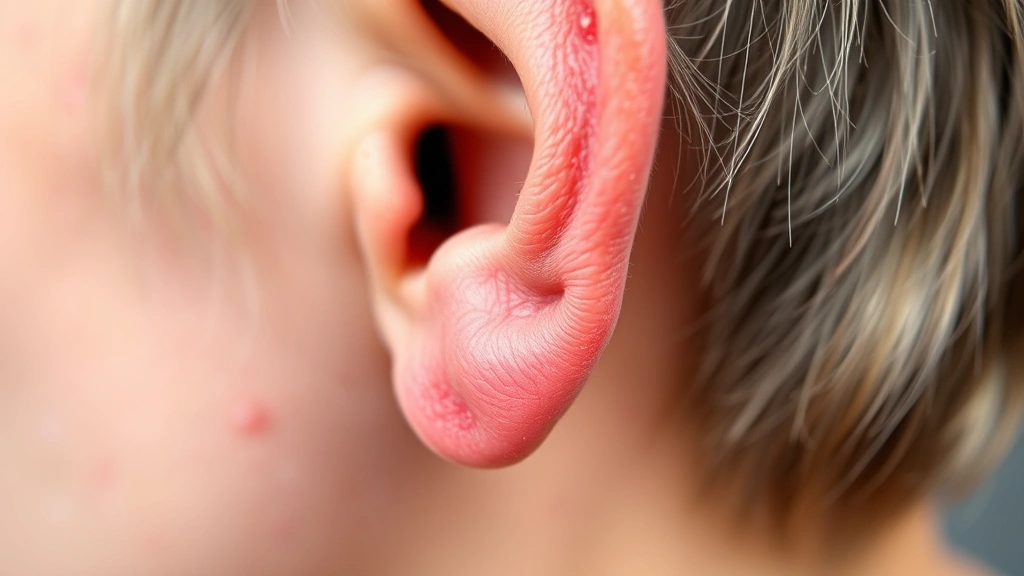
Common signs in stage two include:
- Visible redness and inflammation on the skin
- Small bumps, welts, or hive-like formations
- Hair loss in affected areas from excessive licking or scratching
- Odor or discharge from the skin
- Frequent ear infections or waxy ear buildup
- Behavioral changes like increased anxiety or restlessness
Understanding the dog skin allergies causes becomes increasingly important at this stage. Identifying the trigger—whether it’s environmental, food-related, or contact-based—can help prevent further progression.
Stage 3: Severe Skin Damage and Infection Risk
By stage three, dog skin allergies have caused significant damage. The skin is visibly compromised with open sores, scabs, and sometimes bleeding from intense scratching. Your dog’s coat may appear dull and patchy, with substantial hair loss in affected regions. The constant scratching and broken skin create the perfect environment for bacterial or yeast infections to flourish.
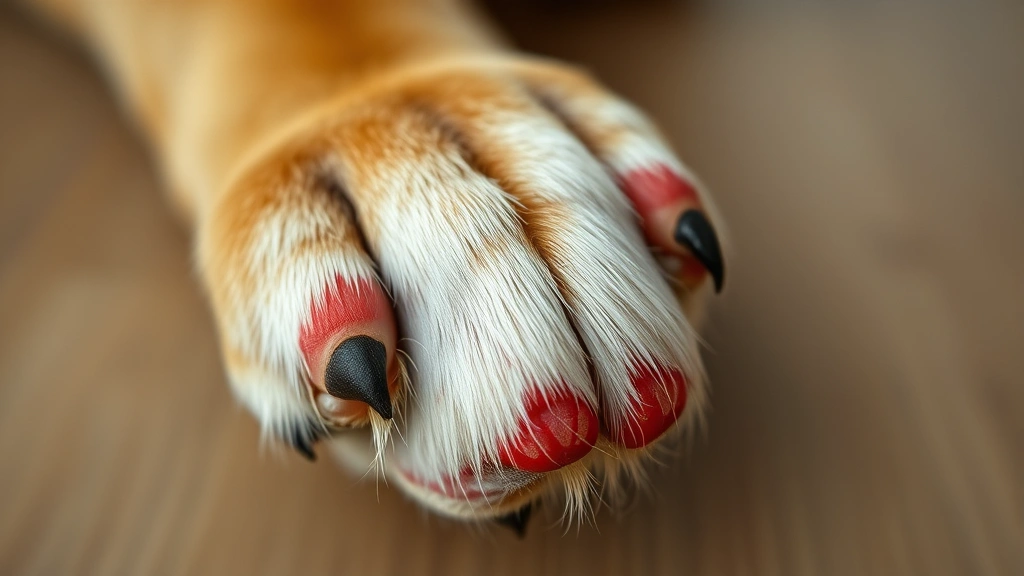
At this advanced stage, your dog is experiencing real pain and distress. Many dogs develop behavioral issues like aggression or extreme anxiety due to chronic discomfort. If left untreated, secondary infections can become serious and require intensive medical intervention. Catching this early puts you in a great position to avoid reaching this stage.
Severe stage three symptoms typically include:
- Open wounds, sores, and scabs covering affected areas
- Significant hair loss and bald patches
- Crusting or thickened skin
- Foul odor indicating infection
- Pus or abnormal discharge
- Extreme behavioral changes and signs of pain
- Possible fever if infection has spread systemically
At this point, professional veterinary care is essential. Your vet may recommend dog skin allergies foods to avoid if food is a contributing factor, along with other targeted treatments.

Identifying Your Dog’s Allergy Type
Dog skin allergies fall into three main categories, and identifying which type your pup has is crucial for effective treatment. Environmental allergies (atopy) develop when dogs react to airborne substances like pollen, mold, or dust mites. These are often seasonal but can become year-round in some cases.
Food allergies are another common culprit. Unlike food sensitivities, true food allergies trigger an immune response. The most common food allergens for dogs include beef, chicken, wheat, and dairy. If you suspect food allergies, your vet might recommend an elimination diet or food trial.
Contact allergies occur when your dog’s skin reacts to direct contact with a substance—think certain shampoos, fabrics, or cleaning products. This type is less common than the other two but still worth investigating.

Understanding which type affects your dog helps guide treatment decisions and lifestyle adjustments that can dramatically improve their comfort.
The Role of Secondary Infections
One of the most important aspects of understanding dog skin allergies stages is recognizing how secondary infections complicate the picture. When your dog scratches broken skin repeatedly, bacteria and yeast can move in and establish infections that are actually separate from the original allergy.
These secondary infections can make symptoms worse and require their own targeted treatment approach. Your vet may need to address the infection before fully tackling the underlying allergy. This is why early intervention matters so much—preventing your dog from reaching the stage where secondary infections develop keeps treatment simpler and recovery faster.
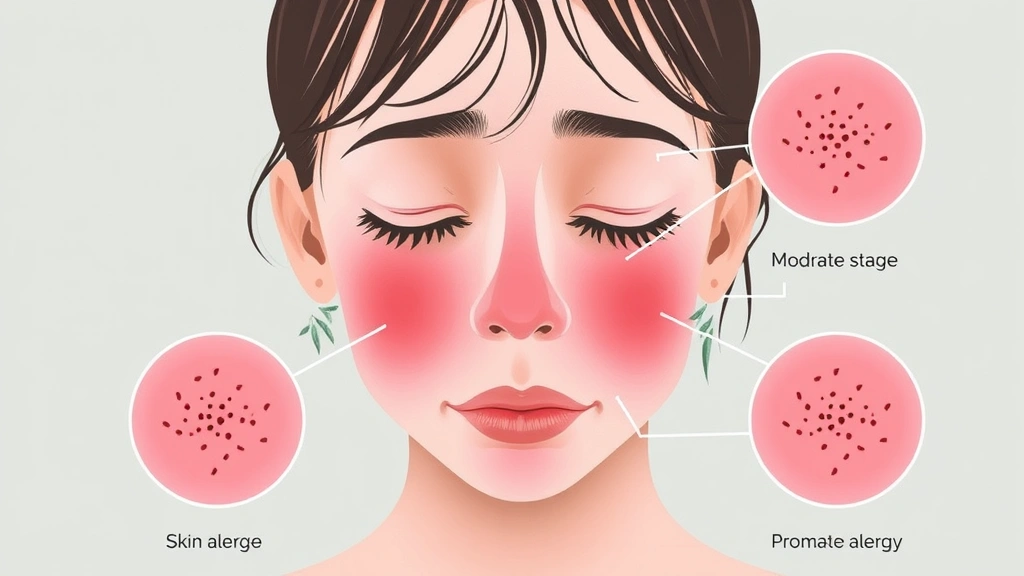
Signs of secondary infection include unusual odor, discharge, crusting, and sometimes systemic symptoms like fever or lethargy.
Treatment Approaches at Each Stage
Treatment varies depending on which stage your dog is in. In stage one, management often focuses on identifying and eliminating the allergen. Environmental controls, dietary adjustments, and regular bathing with hypoallergenic products can provide relief without medication.
Stage two typically requires more active intervention. Your vet might recommend antihistamines, omega-3 supplements to support skin health, or topical treatments to reduce inflammation. Identifying food triggers through elimination diets becomes more important at this stage.

Stage three almost always requires professional veterinary care. Your vet may prescribe medications to manage inflammation and itching, antibiotics if infection is present, and possibly other therapies to heal damaged skin. The goal shifts to damage control and preventing further deterioration.
If you’re unsure whether your pet needs urgent care or which treatment path makes sense for your situation, a quick telehealth check-in can give you peace of mind and professional guidance—no appointment needed.
Nutritional Support for Allergic Dogs
Nutrition plays a significant role in managing dog skin allergies at every stage. A high-quality diet rich in omega-3 and omega-6 fatty acids supports skin barrier function and reduces inflammation. Many vets recommend adding fish oil supplements to help manage allergy symptoms.

If food allergies are suspected, elimination diets can help identify problematic ingredients. This involves feeding your dog a limited ingredient diet for several weeks, then gradually reintroducing foods to identify triggers. Working with your vet on a food trial feeding schedule ensures you’re doing this correctly.
Avoiding common allergens is also key. Understanding which safe human foods for dogs work best for allergic pups helps you make informed choices about treats and table scraps.
Home Care Strategies to Manage Symptoms
Beyond professional treatment, several home care strategies can significantly reduce your dog’s discomfort. Regular bathing with hypoallergenic or medicated shampoos prescribed by your vet helps remove allergens and soothe irritated skin. However, over-bathing can strip natural oils, so follow your vet’s recommendations on frequency.

Keeping your home environment clean reduces exposure to dust mites and mold. Regular vacuuming, washing bedding in hot water, and using air filters can help, especially for dogs with environmental allergies. Some pet parents find that wiping their dog’s paws after outdoor time reduces environmental allergen exposure.
Practical management tips include:
- Use hypoallergenic bedding and wash it weekly
- Apply paw balms or booties to protect against contact allergens
- Keep nails trimmed to minimize damage from scratching
- Use humidifiers during dry seasons to prevent skin dryness
- Avoid harsh cleaning products around your home
- Consider an Elizabethan collar if your dog’s scratching is severe
When to Seek Professional Help
Knowing when to contact your vet is crucial. If your dog shows stage one symptoms that persist beyond a few weeks, or if you notice progression to stage two, professional evaluation is important. Any signs of infection—odor, discharge, or behavioral changes—warrant immediate attention.

Don’t wait until your dog reaches stage three to seek help. Early intervention prevents suffering and typically results in faster, more effective treatment. Your vet can perform skin scrapings, fungal cultures, or allergy testing to pinpoint the exact cause and recommend targeted solutions.
If you’re uncertain about whether your dog’s symptoms require urgent care, telehealth options can provide quick professional guidance without the stress of a clinic visit.
Frequently Asked Questions
How long does it take for dog skin allergies to progress through stages?
Progression varies greatly depending on the allergen and your dog’s individual immune response. Some dogs may progress from stage one to stage two in weeks, while others take months. Early intervention can significantly slow or halt progression.
Can dog skin allergies be cured permanently?
Most dog skin allergies are manageable but not permanently curable. The goal is identifying triggers and managing symptoms to keep your dog comfortable. Many dogs live happily with well-managed allergies.
Are certain dog breeds more prone to skin allergies?
Yes, breeds like Bulldogs, Golden Retrievers, Labradors, and West Highland White Terriers are genetically predisposed to allergies. However, any dog can develop skin allergies regardless of breed.
What’s the difference between food allergies and food sensitivities?
Food allergies trigger an immune response and can cause skin symptoms, while food sensitivities typically cause digestive issues. Your vet can help distinguish between the two through testing and elimination diets.
Can I treat dog skin allergies at home without seeing a vet?
While home care strategies can help manage mild symptoms, professional diagnosis is important to rule out infections and identify specific triggers. Attempting to treat without veterinary guidance may allow allergies to progress to more severe stages.
What To Do Now
- Observe and document symptoms: Note when itching occurs, which areas are affected, and any environmental or dietary patterns you notice. This information helps your vet identify triggers.
- Schedule a veterinary consultation: Whether through traditional appointment or telehealth, get a professional evaluation to determine which stage your dog is in and what’s causing the allergies.
- Start an elimination diet if food allergies are suspected: Work with your vet to implement a controlled feeding plan that can help identify food triggers without guessing.
- Implement environmental controls: Begin reducing allergen exposure at home through regular cleaning, air filtration, and adjusting bedding materials.
- Begin a treatment plan: Follow your vet’s recommendations for bathing, supplements, and any medications needed to manage your dog’s specific stage of allergies.
Summary: Taking Control of Your Dog’s Skin Health
Understanding dog skin allergies stages explained gives you the knowledge to act quickly and effectively. From the subtle early signs of stage one to the serious complications of stage three, recognizing where your dog falls on this spectrum helps guide your response. Early intervention—whether through identifying and eliminating triggers, adjusting diet, or seeking professional help—makes an enormous difference in your dog’s comfort and quality of life.
Remember that skin allergies are incredibly common in dogs and highly manageable when caught early. You’re not alone in dealing with this, and professional support is just a consultation away. Your dog depends on you to notice changes and take action, and by educating yourself about these stages, you’re already doing exactly that.
The path to relief starts with recognition and action. Whether your pup is in the early stages or already struggling with more severe symptoms, it’s never too late to seek help and make meaningful improvements to their skin health and overall wellbeing.