
When your dog suddenly starts scratching like crazy, it’s alarming—and you’re probably wondering what’s causing dog skin allergies sudden onset and what you can do to help right now. One day your pup is fine, and the next, they’re chewing their paws raw or developing red, inflamed patches that seem to appear out of nowhere. This sudden change can feel overwhelming, especially when you’re not sure if it’s an emergency or something you can manage at home.
Table of Contents
- Understanding Sudden-Onset Skin Allergies in Dogs
- Common Triggers for Sudden Allergic Reactions
- Remedy #1: Soothing Oatmeal Baths
- Remedy #2: Identify and Eliminate Food Triggers
- Remedy #3: Increase Omega-3 Fatty Acids
- Remedy #4: Use Hypoallergenic or Medicated Shampoos
- Remedy #5: Apply Topical Soothing Treatments
- Remedy #6: Manage Environmental Allergens
- Remedy #7: Address Secondary Skin Infections
- When to Seek Veterinary Care
- Creating a Long-Term Allergy Management Plan
- Frequently Asked Questions
- What To Do Now
- Summary
This article is for informational purposes only and is not a substitute for professional veterinary advice. Always consult a licensed veterinarian for diagnosis and treatment.
The good news? Sudden-onset skin allergies in dogs are more common than you might think, and there are effective strategies to bring your furry friend relief. Let’s walk through what’s happening, why it’s happening, and what you can do about it.
Understanding Sudden-Onset Skin Allergies in Dogs
Skin allergies don’t always develop gradually. Sometimes they appear suddenly, catching pet owners completely off guard. This happens because allergic reactions can be triggered by a new exposure—a new food, environmental allergen, or even a change in your home environment.
When your dog’s immune system encounters something it perceives as a threat, it overreacts, leading to inflammation, itching, and discomfort. The sudden nature of these allergies often makes owners worry they’ve done something wrong, but that’s rarely the case. Catching this early puts you in a great position to help your dog feel better faster.
Understanding the root cause is the first step toward relief. Is it food-related? Environmental? Or something else entirely? That’s what we’ll explore together.
Common Triggers for Sudden Allergic Reactions
Several factors can trigger a sudden allergic response in dogs. Environmental allergens like pollen, mold, or dust mites can spike during certain seasons. A new food or treat might be the culprit, especially if it contains ingredients your dog’s system hasn’t encountered before.
Other common triggers include:
- New grooming products or shampoos
- Changes in laundry detergent (dogs sleep on bedding too)
- Flea treatments or medications
- Contact allergens like certain plants or materials
- Stress-related immune responses
- Yeast or bacterial overgrowth secondary to environmental changes
Think back to what changed in your dog’s routine or environment in the past few weeks. That detective work can help your vet narrow down the cause.
Remedy #1: Soothing Oatmeal Baths
One of the gentlest and most effective first-line remedies is an oatmeal bath. Colloidal oatmeal (finely ground oatmeal) has anti-inflammatory properties that calm irritated skin without harsh chemicals.
To give your dog an oatmeal bath:
- Use lukewarm water (not hot, which can irritate skin further)
- Mix colloidal oatmeal into the water until it becomes milky
- Soak your dog for 10-15 minutes, letting the mixture coat their skin
- Rinse thoroughly with clean water
- Pat dry gently (avoid rubbing)
You can do this 2-3 times per week during acute flare-ups. Many dogs find this incredibly soothing, and it often provides noticeable relief within a day or two.
Remedy #2: Identify and Eliminate Food Triggers
Food allergies are a major culprit in sudden-onset skin issues. If the allergic reaction coincided with a diet change or a new treat, that’s often the answer. Common food allergens for dogs include beef, chicken, wheat, corn, and soy.
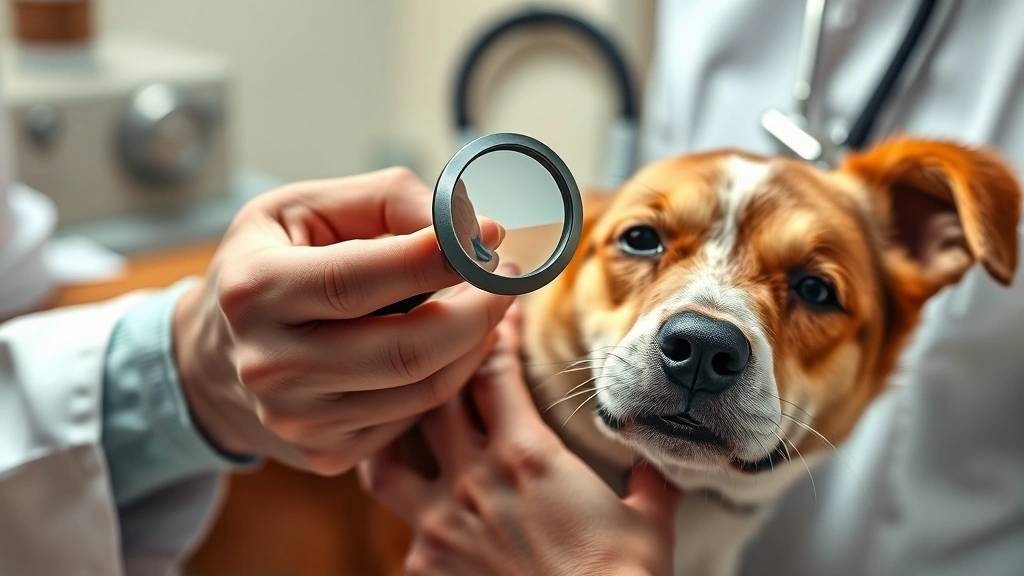
Start by reviewing what your dog has eaten recently. Did you switch brands? Introduce a new treat? Add table scraps? If you suspect a food trigger, your vet might recommend an elimination diet or a limited-ingredient food. For detailed guidance on what to avoid, check out our article on Dog Skin Allergies: Foods to Avoid.
An elimination diet typically takes 8-12 weeks to show results, but it’s one of the most reliable ways to identify food sensitivities.
Remedy #3: Increase Omega-3 Fatty Acids
Omega-3 fatty acids are powerful anti-inflammatory agents that support skin health from the inside out. They help strengthen the skin barrier and reduce the severity of allergic reactions.
You can boost omega-3s through:
- Fish oil supplements (ask your vet about appropriate dosages)
- Foods rich in omega-3s like salmon or sardines
- Flaxseed added to meals
Many pet owners notice improvements in coat quality and reduced itching within 2-4 weeks of adding omega-3s. For more on supporting skin health through nutrition, read our guide on Feeding for Coat Health.
Remedy #4: Use Hypoallergenic or Medicated Shampoos
Not all shampoos are created equal. Switching to a hypoallergenic or medicated shampoo can make a huge difference during an allergic flare-up. These products are formulated to be gentle and often contain soothing ingredients like aloe, chamomile, or salicylic acid.
When bathing your dog, use lukewarm water and let the shampoo sit on their skin for 5-10 minutes before rinsing. This allows the active ingredients to work effectively. Avoid human products or heavily fragranced shampoos, which can worsen inflammation.
Your vet can recommend specific brands suited to your dog’s particular skin condition.
Remedy #5: Apply Topical Soothing Treatments
Between baths, topical treatments can provide targeted relief. Hydrocortisone sprays or creams designed for dogs can reduce itching and inflammation on specific problem areas. Aloe vera gel (ensure it’s dog-safe and doesn’t contain xylitol) can also soothe irritated patches.
Some pet owners find success with coconut oil applied directly to affected areas, though this works better for some dogs than others. Always patch-test new topical treatments on a small area first to ensure your dog doesn’t have a reaction.
Remedy #6: Manage Environmental Allergens
If environmental allergens are the trigger, reducing exposure is key. During high pollen seasons, limit outdoor time during peak pollen hours (early morning and late evening). Wash your dog’s bedding weekly in hypoallergenic detergent, and consider using air purifiers in your home.
Regular wiping of your dog’s paws and face when they come inside removes allergen particles before they can irritate skin. This simple habit often provides noticeable relief within days.

Remedy #7: Address Secondary Skin Infections
Intense scratching can lead to bacterial or yeast infections, which worsen the problem. If you notice oozing, crusting, or a foul smell, a secondary infection may be present. These require professional treatment, but understanding the connection helps explain why relief feels slow sometimes.
Our article on Skin Infections in Dogs provides more detail on recognizing and addressing these complications. Early intervention prevents the itch-scratch-infection cycle from spiraling.
When to Seek Veterinary Care
While many mild allergic reactions respond well to home remedies, certain situations require professional evaluation. If your dog’s symptoms worsen despite home care, involve the face or ears, or are accompanied by lethargy or loss of appetite, contact your vet promptly.
Signs that warrant urgent attention include severe swelling, difficulty breathing, or signs of systemic infection. If you’re unsure whether your pet needs urgent care, a quick telehealth check-in with The Pet Vet can give you peace of mind—no appointment needed. Our vets can assess your dog’s condition, recommend next steps, and even prescribe treatment if necessary.
Creating a Long-Term Allergy Management Plan
Once you’ve identified the trigger, prevention becomes your best tool. If it’s food-related, stick with the right diet consistently. If it’s environmental, seasonal management strategies help reduce flare-ups. Keep detailed records of when symptoms appear and what changes preceded them—this information is gold for your vet.
Some dogs benefit from regular preventive treatments or supplements even during symptom-free periods. Your vet can help you develop a personalized plan that keeps your dog comfortable year-round.
Frequently Asked Questions
How quickly do sudden-onset skin allergies develop?
Allergic reactions can appear within hours to a few days of exposure to a new trigger. Some dogs show signs within 24 hours, while others take longer depending on the allergen type.
Can stress cause sudden skin allergies in dogs?
Yes, stress can trigger or worsen allergic responses by suppressing immune function. Major changes like moving, new pets, or schedule disruptions can coincide with sudden skin flare-ups.
Is it safe to use human anti-itch products on my dog?
No, human products often contain ingredients that are harmful to dogs. Always use veterinary-formulated products designed specifically for canine skin.
How long does it take for remedies to work?
Soothing baths and topical treatments may provide relief within 24-48 hours. Dietary changes and supplements typically take 2-4 weeks to show full effects.
Could sudden skin allergies indicate something more serious?
In most cases, sudden allergies are straightforward to manage. However, severe or rapidly worsening symptoms warrant professional evaluation to rule out other conditions like mange or infections.
What To Do Now
- Schedule a vet appointment within the next few days to get a professional diagnosis and rule out infections or other underlying issues.
- Start a symptom journal noting when itching is worst, what your dog ate, and any environmental changes—this helps identify the trigger.
- Give your dog an oatmeal bath today to provide immediate soothing relief while you wait for your vet visit.
- Review recent diet changes and consider switching back to your dog’s previous food if you made a recent change.
- Increase omega-3 intake by adding fish oil or salmon to meals to support skin health from within.
Summary
Dog skin allergies sudden onset can be stressful, but they’re manageable with the right approach. Start with soothing remedies like oatmeal baths and omega-3 supplementation while investigating potential triggers. Whether it’s food, environment, or a new product, identifying the cause is key to preventing future flare-ups.
Don’t hesitate to reach out to your vet—they’re your partner in keeping your dog comfortable and healthy. With patience and the right strategy, your pup will be back to their happy, itch-free self soon.