
If your dog has been diagnosed with a thyroid disorder, you’re probably wondering what you can do at home to support their health—and the answer starts with their bowl. A dog thyroid disorder best diet can make a real difference in how your pup feels day-to-day, from their energy levels to their coat quality. The good news? You don’t need to feel helpless. With the right nutritional approach, many pet owners see meaningful improvements in their dog’s symptoms within weeks.
Table of Contents
- Understanding Canine Thyroid Disorders and Nutrition
- The Role of Iodine in Thyroid Health
- Food #1: Lean Protein Sources (Chicken, Turkey, Fish)
- Food #2: Sweet Potatoes and Complex Carbohydrates
- Food #3: Leafy Greens and Cruciferous Vegetables
- Food #4: Eggs and Selenium-Rich Foods
- Food #5: Bone Broth and Collagen Sources
- Food #6: Zinc-Rich Foods (Beef, Pumpkin Seeds)
- Food #7: Probiotics and Fermented Foods
- Foods to Limit or Avoid
- Creating a Thyroid-Supportive Feeding Schedule
- Working With Your Vet on Diet Transitions
- Signs Your Dog Is Responding to Dietary Changes
- Frequently Asked Questions
- What To Do Now
- Final Thoughts: You’re Doing Great
This article is for informational purposes only and is not a substitute for professional veterinary advice. Always consult a licensed veterinarian for diagnosis and treatment.
Understanding Canine Thyroid Disorders and Nutrition
The thyroid gland is like your dog’s metabolic engine. When it’s not working properly—whether it’s producing too much or too little hormone—everything from weight to mood can shift. The fascinating part? Diet plays a bigger role in managing thyroid health than many pet owners realize.
Hypothyroidism, the most common thyroid disorder in dogs, slows metabolism and can leave your pup feeling sluggish and gaining weight despite normal eating habits. A thoughtfully designed diet can support thyroid function and help stabilize your dog’s metabolism. If you’re noticing symptoms like weight gain, lethargy, or a dull coat, learning about dog thyroid disorder early signs can help you catch problems sooner.
The Role of Iodine in Thyroid Health
Iodine is the building block your dog’s thyroid needs to produce hormones. Without adequate iodine, the thyroid simply can’t do its job. Most commercial dog foods contain iodine, but the amount varies widely.
Here’s what matters: your dog needs the right amount of iodine—not too much, not too little. Too much iodine can actually worsen thyroid function in some cases. This is why working with your vet to understand your dog’s specific iodine needs is crucial. A quality diet formulated for thyroid support will balance iodine carefully.
Food #1: Lean Protein Sources (Chicken, Turkey, Fish)
Protein is non-negotiable for dogs with thyroid disorders. It supports muscle maintenance, which becomes especially important when metabolism slows down. Lean proteins like chicken breast, turkey, and fish are ideal because they’re nutrient-dense without excess fat.
Fish deserves special mention. Fatty fish like salmon contains omega-3 fatty acids that reduce inflammation—something many dogs with thyroid issues experience. Aim for protein to make up about 20-25% of your dog’s daily calories. Cooking these proteins plainly (no seasoning) makes them easier for your dog to digest.
Food #2: Sweet Potatoes and Complex Carbohydrates
Unlike simple carbs that spike blood sugar, complex carbohydrates like sweet potatoes provide steady energy. Dogs with hypothyroidism often struggle with weight gain, and complex carbs help maintain stable blood sugar without causing energy crashes.
Sweet potatoes are also rich in fiber, which supports digestive health. A healthy gut means better nutrient absorption—something your thyroid-challenged pup needs. Include small portions (about 10-15% of meals) to provide sustained energy without overfeeding.
Food #3: Leafy Greens and Cruciferous Vegetables
Here’s where it gets interesting: some vegetables contain compounds called goitrogens that can interfere with thyroid function when eaten in very large amounts. But don’t panic—cooking these vegetables significantly reduces goitrogen content, and moderate amounts are perfectly fine.
Leafy greens like spinach and kale (cooked) provide essential vitamins and minerals. Broccoli and Brussels sprouts, when cooked and given in moderation, offer nutritional benefits that outweigh concerns for most dogs. The key is balance and cooking method.
Food #4: Eggs and Selenium-Rich Foods
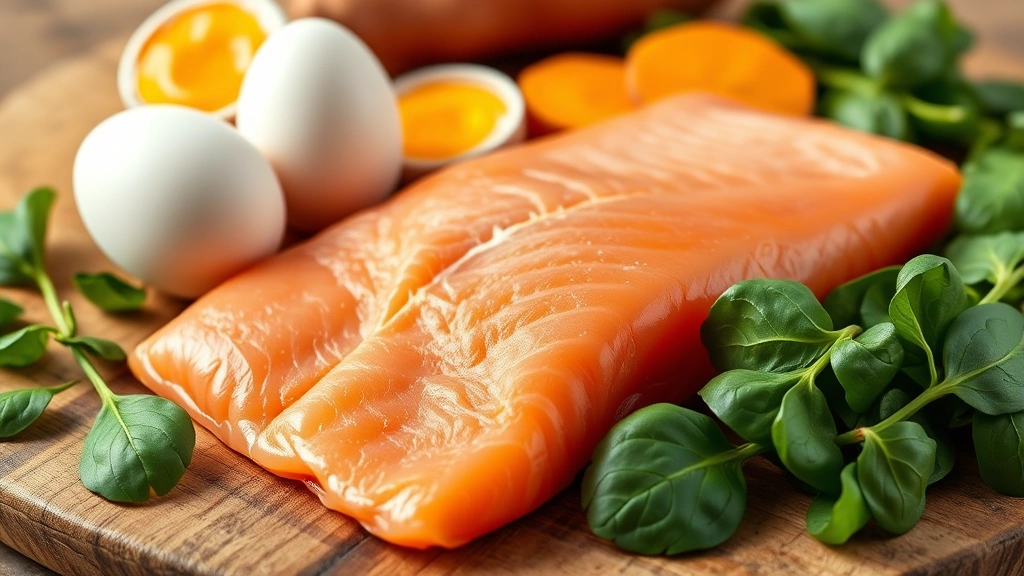
Eggs are nutritional powerhouses for dogs with thyroid disorders. They contain selenium, a mineral that helps convert thyroid hormones into their active form. Without adequate selenium, your dog’s body can’t use thyroid hormones efficiently.
One or two eggs per week (cooked, no seasoning) can provide meaningful selenium support. Other selenium sources include fish, poultry, and whole grains. This mineral often gets overlooked, but it’s genuinely important for thyroid hormone metabolism.
Food #5: Bone Broth and Collagen Sources
Bone broth isn’t just trendy—it’s genuinely helpful for dogs with thyroid disorders. It provides amino acids that support gut health, and a healthy gut lining means better nutrient absorption. Since thyroid disorders can affect digestion, this matters.
You can add small amounts of homemade bone broth (made without onions or garlic) to your dog’s meals. It’s also an excellent way to increase hydration. Many dogs find it palatable, making it easier to encourage eating when appetite dips.
Food #6: Zinc-Rich Foods (Beef, Pumpkin Seeds)
Zinc deficiency can impair thyroid function and immune response—both concerns for dogs with thyroid disorders. Lean beef provides bioavailable zinc that your dog’s body can readily use. Small portions of cooked, unseasoned beef a few times weekly can help.
Pumpkin (plain, not pie filling) is another zinc source that also supports digestive health. Many vets recommend pumpkin for dogs with metabolic concerns. A tablespoon or two mixed into meals provides both zinc and fiber.
Food #7: Probiotics and Fermented Foods
The gut-thyroid connection is real. A healthy microbiome supports nutrient absorption and immune function. Probiotic-rich foods or supplements designed for dogs can make a meaningful difference. Plain, unsweetened yogurt (if your dog tolerates dairy) contains beneficial bacteria.
Many vets now recommend canine-specific probiotic supplements alongside dietary changes. These aren’t just nice-to-have—they’re increasingly recognized as important for dogs managing chronic conditions like thyroid disorders.
Foods to Limit or Avoid
Certain foods can complicate thyroid management. Ultra-processed commercial diets often contain fillers and excessive iodine. Soy products contain goitrogens and should be minimized. High-fat foods can worsen weight gain associated with hypothyroidism.
For a comprehensive guide on what to keep out of your dog’s bowl, check out our article on foods dogs should avoid. Understanding what to exclude is just as important as knowing what to include.
Creating a Thyroid-Supportive Feeding Schedule
Timing matters. Dogs with thyroid disorders often benefit from consistent meal schedules that support steady metabolism. Most vets recommend two meals daily rather than one large meal. This approach helps maintain energy levels and prevents the blood sugar dips that can worsen lethargy.
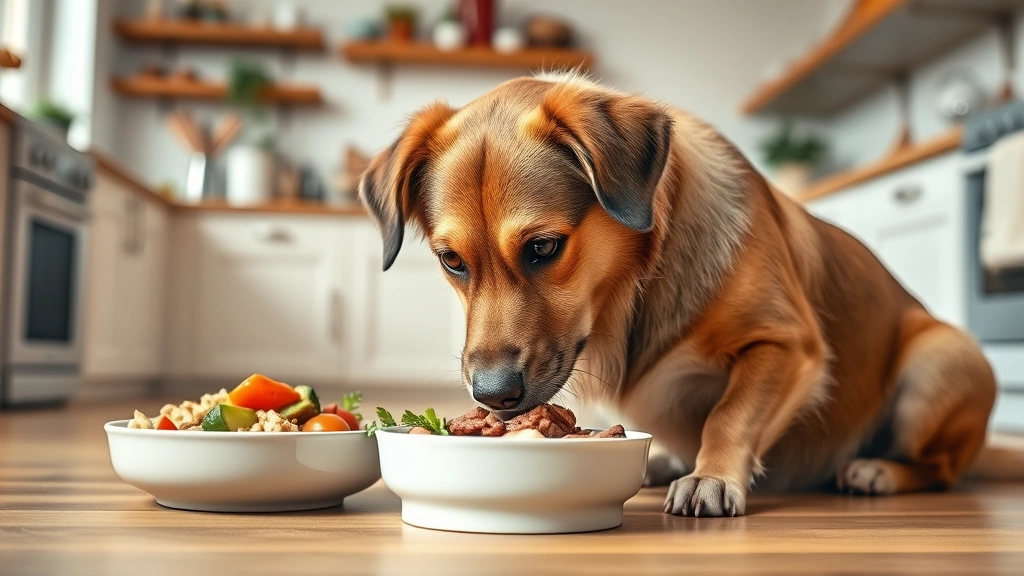
Portion control becomes especially important. Since hypothyroidism slows metabolism, your dog needs fewer calories than a healthy dog of the same size. Your vet can help calculate appropriate portions. For more detailed guidance, explore our metabolic feeding schedule resource.
Working With Your Vet on Diet Transitions
Never switch your dog’s diet abruptly. A gradual transition over 7-10 days prevents digestive upset and allows you to monitor how your dog responds. Start by mixing 25% new food with 75% old food, gradually increasing the new food proportion.
Your vet might recommend specific commercial diets formulated for thyroid support, or they might suggest a home-cooked approach. Both can work—what matters is consistency and proper nutritional balance. If you’re unsure whether your pet needs urgent guidance on diet changes, a quick telehealth check-in can give you peace of mind—no appointment needed.
Signs Your Dog Is Responding to Dietary Changes
Improvement doesn’t happen overnight, but you should start noticing changes within 3-6 weeks. Look for increased energy, a shinier coat, and gradual weight stabilization. Some dogs also show improved mood and alertness. Catching these positive shifts early keeps you motivated to maintain the dietary plan.
Weight loss should be gradual—about 1-2% of body weight per week is healthy. Rapid weight loss can indicate other issues, so track progress and share observations with your vet during check-ins.
Frequently Asked Questions
Can diet alone cure my dog’s thyroid disorder?
Diet is a crucial support tool, but most dogs with hypothyroidism also need medication prescribed by a vet. The right diet enhances medication effectiveness and improves overall quality of life.
How long before I see improvements from dietary changes?
Most owners notice changes within 3-6 weeks, though some improvements like coat quality take longer. Patience and consistency are key.
Is homemade food better than commercial thyroid diets?
Both can work well. Homemade food offers control over ingredients, but requires careful nutritional balance. Commercial thyroid-support diets are formulated by nutritionists and are convenient. Discuss options with your vet.
Should I give my dog supplements alongside food changes?
Some dogs benefit from supplements like probiotics, omega-3s, or selenium. Your vet can recommend appropriate supplements based on your dog’s specific needs and current diet.
Can certain foods worsen thyroid function?
Yes—excessive iodine, soy, and high-fat processed foods can complicate management. Focus on whole, nutrient-dense foods and work with your vet to avoid problematic ingredients.
What To Do Now
- Schedule a vet consultation to discuss your dog’s specific thyroid status and get personalized dietary recommendations. Bring a list of foods your dog currently eats.
- Review your dog’s current diet against the seven foods mentioned above. Identify which nutritious foods you can gradually introduce.
- Plan a gradual food transition over 7-10 days, mixing new foods slowly with current food to avoid digestive upset.
- Track your dog’s response by noting energy levels, weight changes, and coat quality weekly. Share these observations with your vet at follow-up appointments.
- Consider a telehealth check-in if you have questions during the transition. Quick guidance can prevent costly mistakes and keep your dog comfortable.
Final Thoughts: You’re Doing Great
A thyroid disorder diagnosis can feel overwhelming, but the fact that you’re researching dietary support shows you’re committed to your dog’s wellbeing. Diet is one of the few things you control completely, and that’s genuinely powerful. The right nutritional approach, combined with veterinary care and medication if needed, puts your dog in the best position to thrive.
Your dog’s thyroid challenges don’t define their quality of life. With the right dog thyroid disorder best diet, most pups go on to live happy, energetic years ahead. Be patient with the process, celebrate small wins, and lean on your vet when you need guidance. You’ve got this.