
If you’ve ever wondered which dog toxicity foods to avoid, you’re not alone—and your concern shows how much you care about keeping your furry best friend safe. As a pet owner, you’re likely aware that not everything humans eat is safe for dogs, but the list of toxic foods might surprise you. Some everyday items sitting in your kitchen right now could pose serious risks to your dog’s health, from mild digestive upset to life-threatening emergencies.
Table of Contents
- Why Some Foods Are Toxic to Dogs
- Chocolate: A Sweet Danger
- Grapes and Raisins: Surprisingly Serious
- Onions and Garlic: Kitchen Staples to Keep Away
- Avocado: More Than Just Guacamole
- Xylitol: The Hidden Sweetener Threat
- Macadamia Nuts: A Tropical Toxin
- Alcohol and Caffeine: Stimulants to Avoid
- Fatty Foods and Bones: Digestive Hazards
- Salt, Sugar, and Artificial Sweeteners
- Mushrooms, Nuts, and Other Toxic Plants
- What To Do If Your Dog Eats Something Toxic
- Prevention Strategies for a Safer Home
- Safe Treat Alternatives
- Understanding Your Dog’s Individual Risk Factors
- Frequently Asked Questions
- Summary: Keeping Your Dog Safe
This article is for informational purposes only and is not a substitute for professional veterinary advice. Always consult a licensed veterinarian for diagnosis and treatment.
Why Some Foods Are Toxic to Dogs
Dogs metabolize food differently than humans do. Their digestive systems lack certain enzymes, and their bodies process compounds in ways that can lead to poisoning or severe reactions. What’s perfectly safe for you might accumulate in your dog’s system and cause damage over time—or trigger an immediate emergency.
Understanding the science behind food toxicity helps you make informed decisions about what your dog eats. Some toxins affect the nervous system, while others damage the liver, kidneys, or heart. The severity often depends on your dog’s size, age, and overall health.
Chocolate: A Sweet Danger
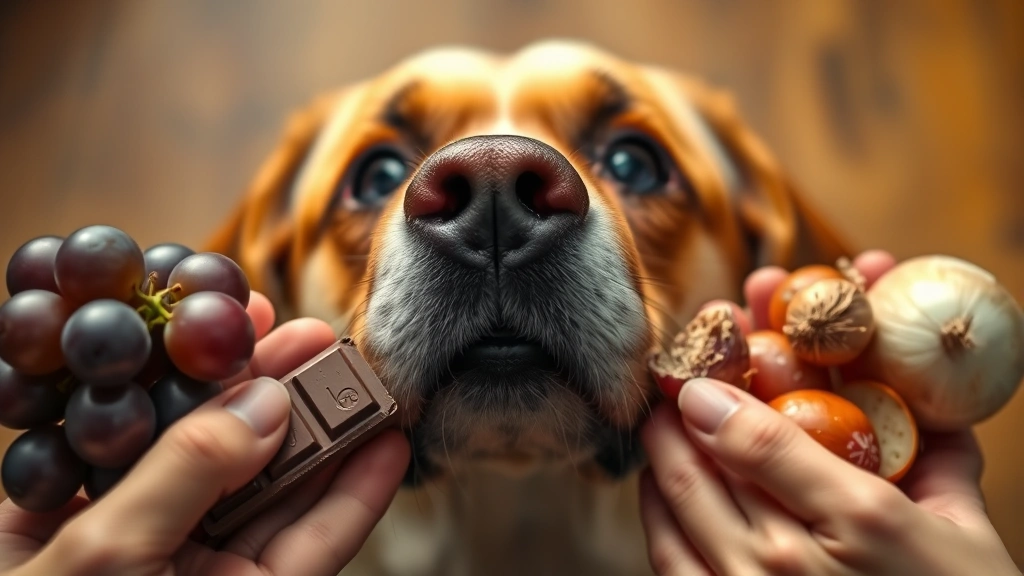
Chocolate contains theobromine, a compound similar to caffeine that dogs cannot metabolize efficiently. Dark chocolate and baking chocolate are far more dangerous than milk chocolate because they contain higher concentrations of this toxic substance.
Even a small amount of dark chocolate can cause symptoms like vomiting, diarrhea, rapid heart rate, and tremors. In severe cases, chocolate toxicity may lead to seizures or heart problems. Catching this early puts you in a great position to help your dog recover.
- Dark chocolate: Most toxic
- Baking chocolate: Highly dangerous
- Milk chocolate: Lower risk but still harmful in large quantities
- White chocolate: Contains minimal theobromine but isn’t recommended
Grapes and Raisins: Surprisingly Serious
One of the most mysterious toxins on the list, grapes and raisins can cause acute kidney failure in dogs. The exact compound responsible remains unknown, which makes prevention even more critical. Some dogs show no reaction to small amounts, while others become severely ill from just a few grapes.
Symptoms may appear within 24 to 72 hours and include loss of appetite, vomiting, diarrhea, lethargy, and abdominal pain. The unpredictable nature of this toxin means avoiding grapes and raisins entirely is the safest approach. If your dog accidentally consumed grapes, contact your veterinarian immediately—early intervention can prevent kidney damage.
Onions and Garlic: Kitchen Staples to Keep Away
Both onions and garlic contain compounds called thiosulfates that damage red blood cells in dogs, leading to hemolytic anemia. This includes raw, cooked, powdered, and dehydrated forms. Garlic is more concentrated than onions, making it particularly dangerous.
Signs of onion or garlic toxicity develop gradually and may include weakness, lethargy, pale gums, reduced appetite, and brown-colored urine. Your dog might not show symptoms immediately, but cumulative exposure over time can cause serious problems. Keep all forms of these vegetables away from your dog’s reach, and check ingredient lists on treats and human foods.
Avocado: More Than Just Guacamole
Avocados contain persin, a fungicidal toxin that can cause vomiting, diarrhea, and pancreatitis in dogs. The highest concentration of persin is found in the fruit itself and the pit, though leaves and stems are also toxic. Even if your dog doesn’t eat the avocado, the pit poses a serious choking and blockage risk.
While some dogs tolerate small amounts without obvious symptoms, the safest choice is complete avoidance. The unpredictable nature of individual reactions makes this a food best left off your dog’s menu entirely.
Xylitol: The Hidden Sweetener Threat
Xylitol is an artificial sweetener found in sugar-free gum, candy, baked goods, and some peanut butters. It causes a rapid release of insulin in dogs, leading to severe hypoglycemia (dangerously low blood sugar) and potential liver failure. Even small amounts can be life-threatening.
Symptoms appear quickly—within 15 to 30 minutes—and include vomiting, lethargy, loss of coordination, seizures, and collapse. This is a true emergency requiring immediate veterinary care. Always check ingredient labels on any human food before sharing with your dog, especially peanut butter and sugar-free treats.
Catching xylitol poisoning early puts you in an excellent position to save your dog’s life through prompt medical intervention.
Macadamia Nuts: A Tropical Toxin
Macadamia nuts contain an unknown toxin that affects the nervous system and muscles in dogs. Even small quantities can cause weakness, tremors, vomiting, and hyperthermia (elevated body temperature). Some dogs recover within 24 to 48 hours, while others experience prolonged symptoms.
The good news is that macadamia nut toxicity is rarely fatal, but it’s still uncomfortable and stressful for your dog. Prevention is simple: keep these nuts and any foods containing them away from your pet.
Alcohol and Caffeine: Stimulants to Avoid
Both alcohol and caffeine affect the nervous and cardiovascular systems in dogs much more severely than in humans. Even small amounts of beer, wine, or liquor can cause intoxication, disorientation, and respiratory problems. Caffeine from coffee, tea, energy drinks, and chocolate multiplies the risk of toxicity.
Symptoms include restlessness, rapid heart rate, muscle tremors, and in severe cases, seizures or collapse. Never leave alcoholic beverages or caffeinated drinks within your dog’s reach, and supervise social gatherings where these items might be accessible.
Fatty Foods and Bones: Digestive Hazards
While not always immediately toxic, fatty foods and certain bones pose serious risks to your dog’s digestive health. High-fat foods can trigger pancreatitis, a painful inflammation of the pancreas that requires emergency care. Cooked bones splinter easily and can perforate the intestines or cause blockages.
Raw bones are safer than cooked ones, but they still carry risks. Fatty cuts of meat, bacon, and greasy table scraps should be avoided entirely. If your dog has a history of gastrointestinal issues, be especially cautious about introducing any new foods.
Salt, Sugar, and Artificial Sweeteners
Excessive salt can lead to sodium ion poisoning, causing vomiting, diarrhea, tremors, and seizures. Sugar contributes to obesity, dental disease, and diabetes in dogs. Artificial sweeteners beyond xylitol can also cause digestive upset and other health issues.
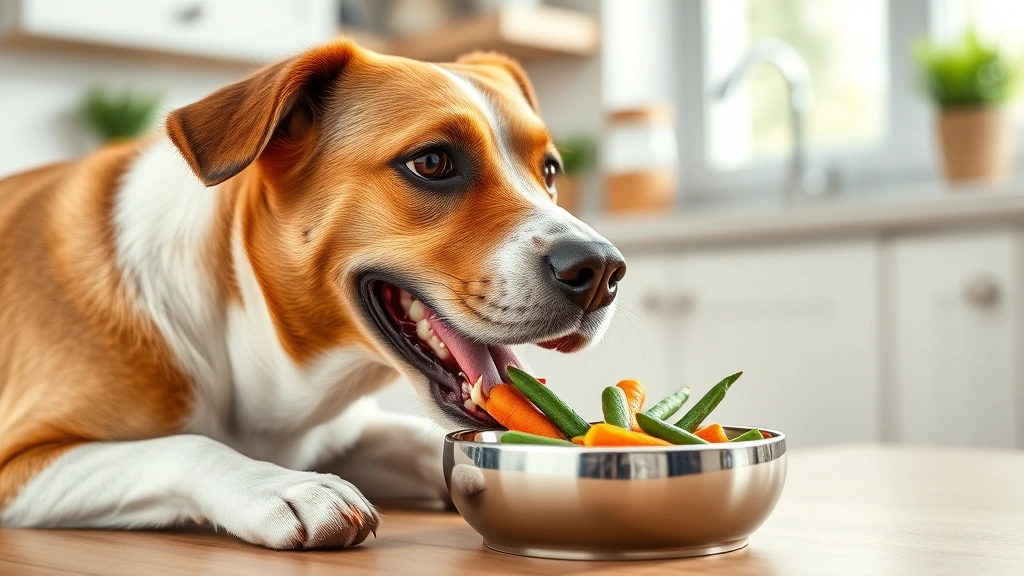
Keep your dog’s diet simple and wholesome. Avoid sharing salty snacks, sugary treats, and processed human foods. If you want to give your dog a special treat, stick to dog-safe options like plain carrots, green beans, or small amounts of plain pumpkin.
Mushrooms, Nuts, and Other Toxic Plants
Certain wild mushrooms contain toxins that cause severe liver damage and neurological problems. While not all mushrooms are toxic, the risk of misidentification is too high. Similarly, some nuts like black walnuts and hickory nuts are dangerous, while others like plain almonds and cashews are generally safe in moderation.
The safest approach is to prevent your dog from eating any mushrooms found outdoors or in your yard. If mushroom ingestion occurs, collect a sample to bring to your veterinarian, as identification helps determine treatment. For nuts, stick to vet-approved varieties and keep portions small.
What To Do If Your Dog Eats Something Toxic
- Stay calm and act quickly: Note the time of ingestion and the amount consumed. The faster you respond, the better the outcome.
- Identify what was eaten: If possible, determine exactly what your dog consumed. Keep the packaging or a photo of the food item.
- Contact your veterinarian or emergency clinic immediately: Don’t wait to see if symptoms develop. Many toxins cause damage before obvious signs appear.
- Provide details to your vet: Share your dog’s weight, age, the toxic substance, approximate amount, and time of ingestion. This information guides treatment decisions.
- Consider telehealth for non-emergencies: If you’re unsure whether your pet needs urgent care, a quick telehealth check-in can give you peace of mind—no appointment needed. For true emergencies (difficulty breathing, seizures, unconsciousness), go directly to an emergency veterinary hospital.
Prevention Strategies for a Safer Home
The best approach to dog toxicity foods to avoid is prevention. Store toxic foods in secure cabinets or high shelves where your dog cannot access them. Train family members and guests not to feed your dog table scraps or human treats.
Keep your dog away from the kitchen during meal preparation, when toxic foods are most accessible. Use baby gates or closed doors to create boundaries. Supervise outdoor time to prevent your dog from eating wild mushrooms, berries, or other potentially toxic plants.
Consider keeping the ASPCA Animal Poison Control Center number (888-426-4435) and your emergency veterinary clinic’s number posted prominently. Quick access to these resources during a crisis can save your dog’s life.
Safe Treat Alternatives
Your dog doesn’t need fancy human foods to feel loved and rewarded. Many dog-safe alternatives are nutritious and delicious:
- Plain, cooked chicken or turkey (no seasoning)
- Carrots (raw or cooked)
- Green beans
- Plain pumpkin puree
- Apples (seeds removed)
- Watermelon (seeds removed)
- Plain yogurt (unsweetened and xylitol-free)
- Peanut butter (xylitol-free varieties only)
Always introduce new foods gradually and in small amounts. If your dog has liver disease or other health conditions, consult your veterinarian before offering any new treats.
Understanding Your Dog’s Individual Risk Factors
Some dogs are more vulnerable to toxic foods than others. Puppies and senior dogs have less efficient detoxification systems. Small breeds require smaller amounts of toxins to experience serious effects. Dogs with pre-existing liver or kidney disease are at higher risk for complications.
If your dog has eaten something toxic, provide your veterinarian with complete health history information. Medications, allergies, and previous health issues all influence how your dog’s body processes toxins and responds to treatment.
Frequently Asked Questions
Can a small amount of chocolate really hurt my dog?
Yes, even small amounts of dark or baking chocolate can be harmful, especially for small dogs. The severity depends on the type of chocolate and your dog’s weight, but it’s best to avoid it entirely.
What should I do if my dog ate grapes an hour ago?
Contact your veterinarian or emergency clinic immediately. Early intervention is crucial for preventing kidney failure, and your vet may recommend inducing vomiting or other treatments depending on the amount consumed.
Is peanut butter safe for dogs?
Most peanut butter is safe, but always check the ingredient label for xylitol. Many brands now offer xylitol-free options specifically marketed for dogs. When in doubt, choose a brand labeled as dog-safe.
What are the first signs my dog ate something toxic?
Early symptoms often include vomiting, diarrhea, lethargy, loss of appetite, or drooling. Some toxins cause neurological signs like tremors or seizures. Don’t wait for symptoms—call your vet immediately if you know your dog ate something toxic.
Are all nuts dangerous for dogs?
No, but some nuts are more dangerous than others. Macadamia nuts and black walnuts are toxic. Plain almonds, cashews, and peanuts are generally safe in small amounts, but they’re high in fat and should be given sparingly.
Summary: Keeping Your Dog Safe
Understanding which foods are toxic and taking active steps to prevent accidental ingestion is one of the most important responsibilities of dog ownership. The dog toxicity foods to avoid list includes chocolate, grapes, onions, garlic, avocado, xylitol, macadamia nuts, alcohol, caffeine, fatty foods, and certain mushrooms and nuts.
Prevention through careful storage, supervision, and education of family members is far more effective than dealing with a poisoning emergency. If your dog does ingest something toxic, immediate veterinary care can make the difference between a full recovery and serious complications.
Your vigilance and knowledge protect your dog every single day. By staying informed and acting quickly in emergencies, you’re giving your beloved pet the best chance at a long, healthy, and happy life together.