
If your cat is having trouble swallowing, drooling excessively, or seems reluctant to eat, you may be dealing with dysphagia in cats—a condition that affects their ability to move food or water from the mouth to the stomach safely. This is understandably scary to witness, but the good news is that with proper veterinary care and the right treatment approach, many cats improve significantly.
Table of Contents
- What Is Dysphagia in Cats?
- Common Causes of Swallowing Difficulty in Felines
- Why Medication Matters for Your Cat’s Recovery
- 7 Medications Commonly Used to Treat Dysphagia in Cats
- How Your Vet Diagnoses the Underlying Cause
- Dietary Adjustments Work Alongside Medication
- What to Expect During Treatment
- When to Seek Urgent Care
- Supporting Your Cat’s Recovery at Home
- Prevention and Long-Term Management
- Frequently Asked Questions
- What To Do Now
- Summary
This article is for informational purposes only and is not a substitute for professional veterinary advice. Always consult a licensed veterinarian for diagnosis and treatment.
What Is Dysphagia in Cats?
Dysphagia refers to difficulty swallowing. In cats, this condition can range from mild discomfort to severe impairment that prevents normal eating and drinking. Your cat might show signs like excessive drooling, head tilting, repeated attempts to swallow, or even food falling out of the mouth.
The condition isn’t a disease itself—it’s a symptom of an underlying problem. Understanding what’s causing the swallowing difficulty is the first step toward effective treatment.
Common Causes of Swallowing Difficulty in Felines
Several conditions can lead to dysphagia in cats. Oral injuries, throat inflammation, neurological issues, or even tumors can interfere with normal swallowing. Some cats develop this after dental disease, while others may experience it due to muscle weakness or nerve damage.
Your veterinarian will need to perform a thorough examination—sometimes including imaging—to pinpoint the exact cause before recommending medication.
Why Medication Matters for Your Cat’s Recovery
While dietary adjustments and supportive care are important, the right medications can address the underlying cause and reduce inflammation or pain that makes swallowing difficult. Medications work best when combined with a comprehensive treatment plan tailored to your cat’s specific diagnosis.
Catching this early puts you in a great position to help your cat return to normal eating habits quickly.
7 Medications Commonly Used to Treat Dysphagia in Cats
1. Anti-Inflammatory Medications
When swallowing is painful due to throat or esophageal inflammation, anti-inflammatory drugs can provide relief. These medications reduce swelling and discomfort, making it easier for your cat to eat and drink. Your vet will determine the appropriate type and duration based on your cat’s condition.
2. Antibiotics
If dysphagia stems from a bacterial infection—such as an infected throat or mouth wound—antibiotics become essential. They target the infection directly and allow healing to begin. The specific antibiotic chosen depends on the type of infection and your cat’s medical history.
3. Antacids and Gastric Protectants
Some cats with swallowing difficulties also experience acid reflux in cats, which can worsen throat irritation. Gastric protectants help reduce stomach acid and protect the esophageal lining, allowing tissues to heal more comfortably.
4. Pain Relief Medications
Pain is often a major factor preventing cats from eating normally. Pain relief medications make swallowing less uncomfortable and encourage your cat to resume eating, which supports overall recovery and strength.
5. Muscle Relaxants
When dysphagia involves muscle tension or spasms in the throat, muscle relaxants can help. These medications ease muscle tightness and allow smoother swallowing movements, particularly helpful in certain neurological cases.
6. Prokinetic Agents
These medications help improve the movement of food through the esophagus and into the stomach. They’re especially useful when dysphagia involves weak esophageal contractions or delayed gastric emptying.
7. Immunosuppressive Medications
In cases where dysphagia results from autoimmune or inflammatory conditions, immunosuppressive medications may be prescribed. These help calm the immune response and reduce inflammation affecting swallowing function.
How Your Vet Diagnoses the Underlying Cause
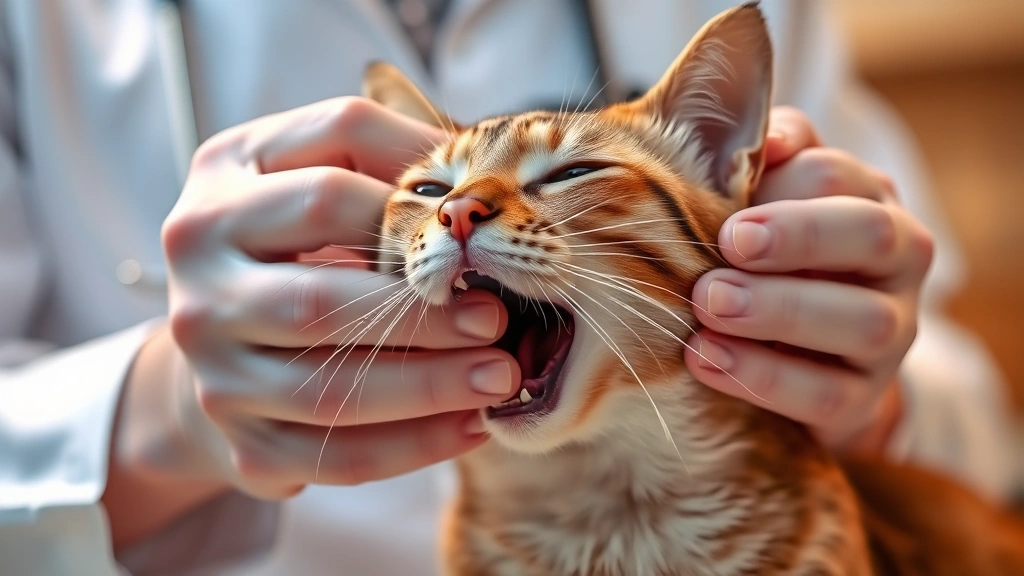
Your veterinarian will start with a detailed history and physical examination. They’ll ask about when the swallowing difficulty began, what symptoms you’ve noticed, and your cat’s overall health. Next comes a careful oral and throat exam.
Depending on findings, your vet might recommend:
- X-rays or ultrasound to visualize the throat and esophagus
- Blood work to rule out systemic conditions
- Endoscopy to directly visualize the throat and esophagus
- Barium studies to assess swallowing mechanics
This diagnostic process ensures the medication prescribed actually targets the root problem.
Dietary Adjustments Work Alongside Medication
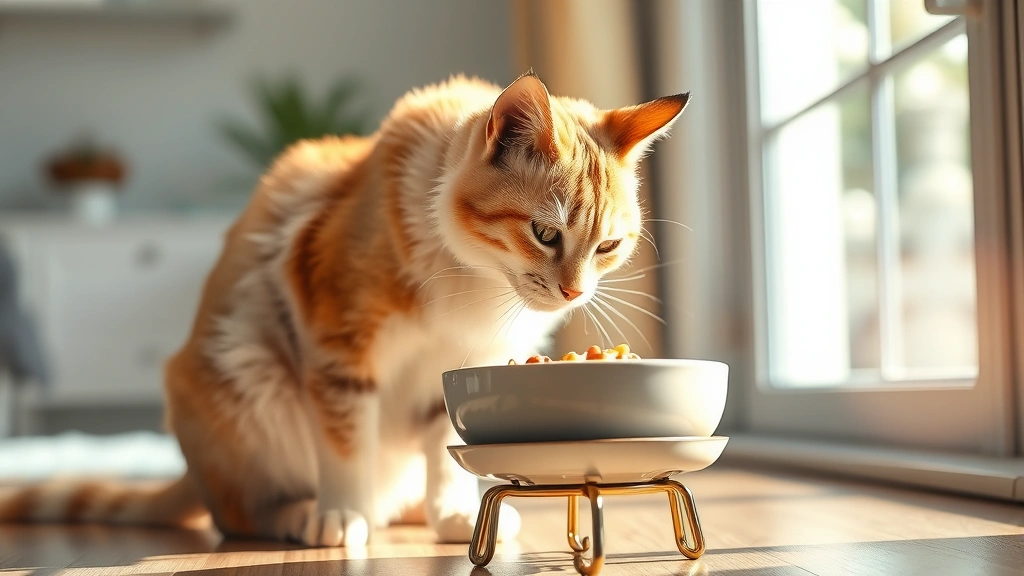
Medication alone isn’t always enough. Your cat may need temporary dietary changes while healing. Softer foods, smaller meal portions, and sometimes elevated feeding bowls can make eating easier during recovery.
Check out our guide on safe human foods for cats for gentle options, and review foods cats should avoid to prevent complications. Some cats benefit from wet food or specially formulated liquid diets during acute phases.
What to Expect During Treatment
Recovery timelines vary depending on the cause. Some cats show improvement within days of starting medication, while others need weeks. Your vet will likely schedule follow-up exams to monitor progress and adjust treatment if needed.
Keep detailed notes about your cat’s eating habits, drooling, and overall behavior. These observations help your vet gauge whether the current medication plan is working effectively.
When to Seek Urgent Care
While many cases of dysphagia respond well to outpatient treatment, certain situations require immediate veterinary attention. If your cat stops eating entirely, shows signs of respiratory distress, or appears to be aspirating food into the lungs, contact your vet right away.
If you’re unsure whether your pet needs urgent care, a quick telehealth check-in can give you peace of mind—no appointment needed. The Pet Vet makes it easy to get professional guidance when you need it most.
Supporting Your Cat’s Recovery at Home
Beyond medication, your care at home makes a real difference. Keep your cat calm and stress-free, as stress can worsen swallowing difficulties. Ensure fresh water is always available in shallow bowls.
Monitor your cat closely for any changes in appetite or behavior. Administer medications exactly as prescribed, even if your cat seems to be improving—stopping early can allow the underlying condition to return.
Prevention and Long-Term Management
While not all causes of dysphagia are preventable, maintaining good dental health and regular veterinary checkups can catch problems early. Keep your cat’s environment safe from objects that could cause throat injuries.
If your cat has a chronic condition causing dysphagia, your vet may recommend ongoing medication or dietary management. Long-term monitoring helps prevent flare-ups and keeps your cat comfortable.
Frequently Asked Questions
Can dysphagia in cats go away on its own?
Some mild cases may improve with time, but most require veterinary treatment to address the underlying cause. Without proper care, dysphagia can lead to malnutrition and aspiration pneumonia.
Is dysphagia in cats painful?
Yes, swallowing difficulty is often associated with pain or discomfort. This is why pain relief and anti-inflammatory medications are frequently part of the treatment plan.
How long does it take for medication to work?
Some cats show improvement within 24-48 hours, while others take 1-2 weeks. The timeline depends on the underlying cause and your cat’s individual response to treatment.
Can my cat eat normal food while being treated for dysphagia?
It depends on the severity and cause. Many cats need softer or modified diets during treatment. Your vet will advise on appropriate feeding options for your specific cat.
What happens if dysphagia isn’t treated?
Untreated dysphagia can lead to malnutrition, dehydration, aspiration pneumonia, and weight loss. Early treatment prevents these serious complications.
What To Do Now
- Schedule a veterinary appointment as soon as possible if you notice signs of swallowing difficulty. Early diagnosis makes treatment more effective.
- Document your cat’s symptoms in detail—when they started, what foods trigger difficulty, and any other changes you’ve noticed. This information helps your vet tremendously.
- Prepare your cat’s environment by setting up a quiet, comfortable eating area with soft food options and shallow water bowls readily available.
- Ask your vet about medication options and expected recovery timelines. Understanding the treatment plan helps you stay committed to your cat’s care.
- Consider a telehealth consultation with The Pet Vet if you need guidance before your in-person appointment or want a second opinion on your cat’s condition.
Summary
Dysphagia in cats is a treatable condition when caught early and managed properly. The right medication, combined with dietary adjustments and supportive care, can help your cat return to normal eating and drinking. While the specific medications used depend on the underlying cause, anti-inflammatory drugs, antibiotics, pain relief, and other targeted treatments all play important roles in recovery.
Your veterinarian is your best partner in this process. They’ll diagnose the root cause, prescribe appropriate medications, and monitor your cat’s progress. With patience and proper care, most cats with dysphagia make a full recovery and enjoy many more happy, healthy years with you.