
If you’ve noticed your cat shaking their head more than usual or scratching at their ears, ear polyps in cats might be the culprit—and while it sounds concerning, catching this early puts you in a great position to help your furry friend feel better.
Table of Contents
- What Are Ear Polyps in Cats?
- Common Signs Your Cat May Have Ear Polyps
- How Vets Diagnose Ear Polyps
- Treatment Options for Ear Polyps
- Medications Your Vet Might Recommend
- What to Expect During Recovery
- Preventing Recurrence and Future Polyps
- When to Seek Urgent Care
- Related Conditions to Know About
- Frequently Asked Questions
- What to Do Now
- The Bottom Line
This article is for informational purposes only and is not a substitute for professional veterinary advice. Always consult a licensed veterinarian for diagnosis and treatment.
Ear polyps are benign growths that develop in the ear canal or middle ear. They’re more common in cats than you might think, and the good news is that they’re typically treatable. Understanding what causes them, how to spot the signs, and what your treatment options look like can help you advocate for your cat’s health with confidence.
What Are Ear Polyps in Cats?
Ear polyps are smooth, fleshy growths that originate from the lining of the ear canal or middle ear. Think of them as small, benign tumors that grow inward. Unlike malignant cancers, polyps are generally non-cancerous and slow-growing, though they can still cause significant discomfort if left untreated.
These growths are thought to develop as a response to chronic inflammation in the ear. Some cats seem more predisposed to them than others, and they can occur in one ear or both. Young to middle-aged cats are most commonly affected, though polyps can develop at any age.
Common Signs Your Cat May Have Ear Polyps
Recognizing the early warning signs can make a real difference. Here are the most common symptoms cat owners notice:
- Head shaking and tilting – Your cat may shake their head frequently or tilt it to one side
- Excessive ear scratching – Persistent scratching or rubbing at the affected ear
- Discharge from the ear – You might see yellowish, brownish, or bloody discharge
- Odor – A foul smell coming from the ear canal
- Hearing changes – Your cat may not respond to sounds as quickly
- Balance issues – If the polyp affects the inner ear, your cat might seem unsteady or dizzy
- Behavioral changes – Increased irritability or reluctance to be touched on the head
If your cat is showing any of these signs, don’t panic—many ear conditions are highly treatable. A quick telehealth check-in with a vet can help you understand what’s happening and what comes next.
How Vets Diagnose Ear Polyps
Your veterinarian will start with a thorough physical exam, looking inside your cat’s ear with an otoscope—a special magnifying instrument. This allows them to visualize the ear canal and spot any unusual growths or discharge.
If a polyp is suspected, your vet may recommend imaging like X-rays or CT scans to see the full extent of the growth and whether it extends into the middle ear. In some cases, a small sample (biopsy) may be taken to confirm that the growth is benign. These diagnostic steps help your vet create the most effective treatment plan for your specific situation.
Treatment Options for Ear Polyps
Treatment depends on the size, location, and how much the polyp is bothering your cat. Your veterinarian will discuss the best approach with you.
Surgical Removal
Surgery is the most common and often the most effective treatment for ear polyps. The procedure involves removing the polyp under general anesthesia, which allows your vet to access the ear canal safely. Many cats recover well and experience significant relief from symptoms within days.
The specific surgical technique depends on whether the polyp is in the external or middle ear. Your vet will explain the procedure and what recovery will look like for your cat.
Medical Management
In some cases, especially if the polyp is small and not causing severe symptoms, your vet may recommend a wait-and-see approach combined with ear cleaning and topical treatments. Anti-inflammatory medications may help reduce swelling and discomfort while you monitor the situation.
Regular ear cleaning can prevent secondary infections and keep your cat more comfortable. Your vet will show you the proper technique or may recommend professional cleanings.
Addressing Underlying Infection
Polyps often develop alongside chronic ear infections. Your vet may prescribe treatments to address bacterial or yeast overgrowth, which can reduce inflammation and sometimes slow polyp growth. Treating the underlying cause is just as important as addressing the polyp itself.
Medications Your Vet Might Recommend
While surgery is often the definitive solution, several medications can help manage symptoms and reduce discomfort:
- Topical ear medications – Antibiotic or antifungal drops to treat secondary infections and reduce inflammation
- Anti-inflammatory medications – These may be prescribed to ease pain and swelling in the ear canal
- Oral antibiotics – If a bacterial infection is present alongside the polyp
- Pain relief – To keep your cat comfortable during treatment and recovery
Your veterinarian will determine which medications are appropriate based on your cat’s specific situation. If you’re unsure about any medication or its purpose, don’t hesitate to ask your vet for clarification.
What to Expect During Recovery
If your cat undergoes surgery, recovery is usually straightforward. Most cats bounce back within 1–2 weeks, though complete healing may take a bit longer. During this time, you’ll want to keep the surgical site clean and prevent your cat from scratching or shaking their head excessively.
Your vet will likely prescribe pain relief and antibiotics to prevent infection. It’s important to follow all post-operative instructions carefully, including activity restrictions and ear care guidelines. Many cats show dramatic improvement in comfort and behavior once the polyp is removed.
Preventing Recurrence and Future Polyps
While you can’t always prevent polyps from developing, managing your cat’s ear health can reduce the risk:
- Regular ear checks – Examine your cat’s ears weekly for signs of discharge, odor, or redness
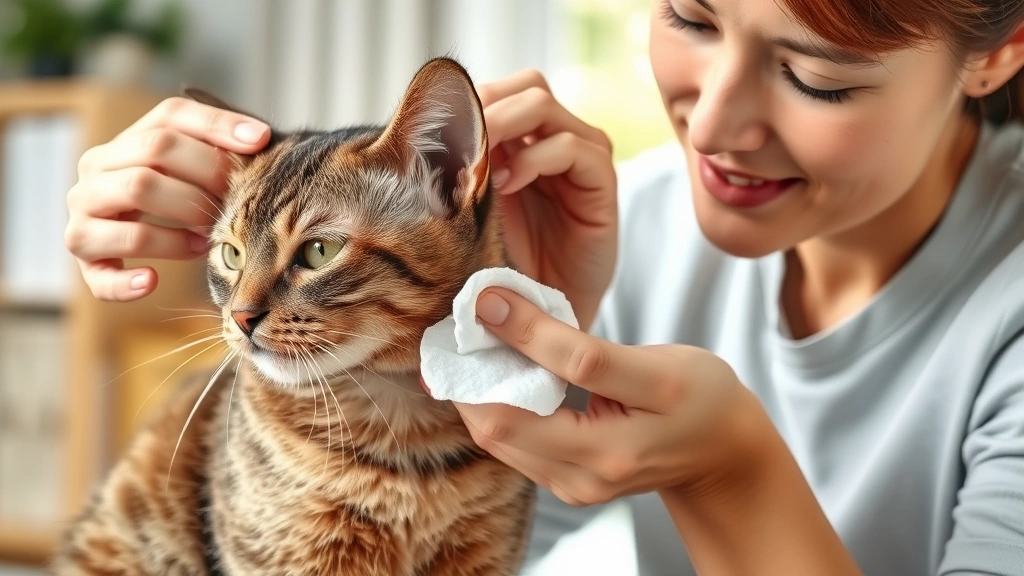
- Keep ears clean and dry – Gently wipe the outer ear with a soft cloth; avoid getting water deep in the canal
- Address infections promptly – Don’t let ear infections linger; they can contribute to polyp formation
- Monitor for allergies – Chronic allergies can lead to ear inflammation; work with your vet to identify and manage triggers
- Maintain overall health – A strong immune system helps prevent chronic infections
Think of ear maintenance as preventive care—small, consistent efforts can save your cat from future discomfort.
When to Seek Urgent Care
Most ear polyps develop slowly and aren’t emergencies, but certain situations warrant prompt veterinary attention. If your cat shows sudden hearing loss, severe balance problems, or signs of extreme pain, contact your vet right away.
Additionally, if you notice pus, blood, or a foul odor coming from the ear, or if your cat is running a fever, these could indicate a serious secondary infection. If you are unsure whether your pet needs urgent care, a quick telehealth check-in can give you peace of mind—no appointment needed.
Related Conditions to Know About
Ear polyps sometimes occur alongside other feline health issues. Nasal congestion in cats can be related, as can hyperkeratosis in cats, which involves abnormal skin growth. Your vet may screen for these conditions during your cat’s evaluation to ensure a comprehensive treatment plan.
Frequently Asked Questions
Are ear polyps in cats cancerous?
No, ear polyps are benign growths, not cancerous. However, they should still be evaluated and treated by a vet to prevent complications and relieve your cat’s discomfort.
Can ear polyps go away on their own?
Ear polyps rarely shrink or disappear without treatment. While some may grow very slowly, surgical removal is usually the most effective solution for long-term relief.
How much does surgery for ear polyps cost?
Costs vary depending on your location, the complexity of the polyp, and your veterinary clinic. It’s best to discuss pricing with your vet during the consultation.
Will my cat’s hearing return after polyp removal?
In many cases, yes. If the polyp was causing hearing loss by blocking the ear canal, removal often improves hearing. However, if there’s underlying damage to the inner ear structures, some hearing loss may persist.
How long does recovery take after ear polyp surgery?
Most cats recover within 1–2 weeks, though complete healing may take 3–4 weeks. Your vet will provide specific post-operative care instructions tailored to your cat’s needs.
What to Do Now
If you suspect your cat may have ear polyps, here are the next steps:
- Schedule a veterinary exam – Contact your regular vet or use a telehealth service to get a professional evaluation of your cat’s ears
- Document symptoms – Note when head shaking, scratching, or discharge started and how frequently you observe these signs
- Prepare questions – Ask your vet about diagnostic options, treatment recommendations, and what recovery will look like
- Discuss all options – Make sure you understand the pros and cons of surgery versus medical management for your cat’s specific situation
- Follow post-treatment care instructions – Whether your cat has surgery or receives medication, stick to your vet’s recommendations for the best outcome
The Bottom Line
Ear polyps in cats are treatable, and with the right care, your cat can return to a comfortable, happy life. The key is recognizing the signs early and working with your veterinarian to develop a treatment plan that works for your cat’s needs. While it can feel overwhelming at first, remember that you’re taking an important step toward your cat’s wellness by seeking answers. Your vet is there to guide you through each stage of diagnosis and treatment, so don’t hesitate to ask questions and express any concerns.