
Elbow dysplasia in Bernese Mountain Dogs is one of the more common joint conditions affecting this large, heavy-boned breed, and it can quietly shape how comfortably your dog moves for the rest of their life. Because Bernese Mountain Dogs grow so fast and carry so much weight on their front end, their elbows take on tremendous stress during the critical growth months. Knowing the early warning signs, how vets diagnose the condition, and what long-term management looks like can help you give your dog the best possible chance at a comfortable, active life.
Table of Contents
- What Elbow Dysplasia Actually Is
- Why Bernese Mountain Dogs Are Especially Prone
- Early Signs to Watch For
- How Vets Diagnose the Condition
- Treatment Options Your Vet May Discuss
- Living with a Dog Who Has Elbow Dysplasia
- The Role of Weight Management
- Exercise Guidelines for Joint Health
- Puppyhood Prevention Strategies
- Supplements and Joint Support
- When Surgery Might Be Recommended
- Long-Term Outlook
- When to Call Your Vet
- Final Thoughts
What Elbow Dysplasia Actually Is
Elbow dysplasia is not a single disease but a group of developmental abnormalities that affect how the three bones of the elbow joint fit together. In a healthy elbow, the humerus, radius, and ulna line up and grow at matched rates so the joint surfaces glide smoothly against each other. When growth rates are mismatched or the cartilage does not develop normally, the joint surfaces end up uneven, and over time this leads to abnormal wear, inflammation, and eventually arthritis.
Bernese Mountain Dogs are considered one of the breeds genetically predisposed to this condition, largely because of their rapid growth, large frame, and the amount of weight their front legs are asked to support from puppyhood onward. The condition usually begins during the first several months of life, even though visible lameness may not show up until later. By the time many owners notice something is wrong, changes inside the joint may have already been developing for a while.
Because elbow dysplasia often affects both front legs rather than just one, dogs can sometimes compensate well enough that the limp is subtle or easy to miss at first. This is part of why regular veterinary checkups during puppyhood matter so much for this breed, since a vet may pick up on subtle gait changes before they become obvious to you at home.
Why Bernese Mountain Dogs Are Especially Prone
Large and giant breeds that gain weight quickly during their growth phase are at higher risk for developmental joint problems, and Bernese Mountain Dogs fit that pattern closely. Their genetics, rapid bone growth, and substantial adult size all combine to put extra mechanical stress on the elbow joints before the cartilage and bone have fully matured. This is a breed-specific vulnerability rather than something caused by anything you did wrong as an owner.
Breeding practices also play a role, since elbow dysplasia has a hereditary component. Reputable breeders typically screen parent dogs for joint health before breeding, which can lower the risk in puppies but does not eliminate it entirely. If you got your Bernese Mountain Dog from a breeder, it can be worth asking whether the parents had their elbows evaluated, though this information alone cannot guarantee a puppy will be unaffected.
Environmental factors layer on top of genetics as well. Overfeeding during puppyhood, excessive high-impact exercise like repeated jumping or long runs on hard surfaces, and rapid weight gain can all put added strain on elbows that are already working hard to develop normally.
Early Signs to Watch For
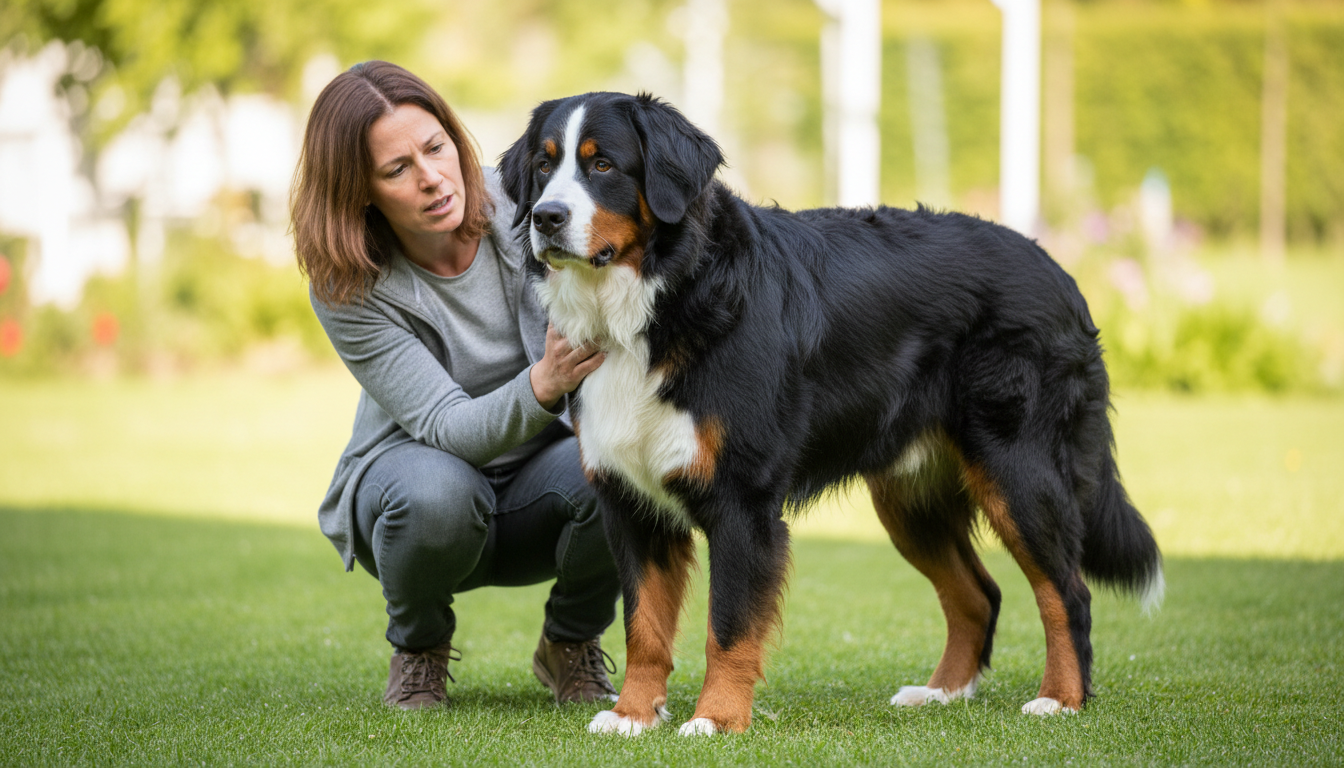
The earliest signs of elbow dysplasia are often subtle and easy to write off as puppy clumsiness or a normal day of rough play. Many owners first notice their dog seems a little stiff after resting, or hesitant to fully extend into a run. Because Bernese Mountain Dogs are naturally calm and tolerant, they may not vocalize discomfort the way a more dramatic breed might, which makes it even more important to watch how they move rather than wait for signs of pain.
If you notice any combination of these signs, especially in a puppy between four and eight months old, it is worth having your vet take a look sooner rather than later. Early intervention tends to offer more options than waiting until the lameness becomes constant or severe.
- Lameness in one or both front legs that may come and go
- Stiffness after naps or first thing in the morning that improves with gentle movement
- Reluctance to go up or down stairs, or hesitation before jumping into a car
- A shortened stride or odd head bob while walking or trotting
- Swelling or thickening around the elbow joint
- Decreased interest in play or exercise compared to before
How Vets Diagnose the Condition
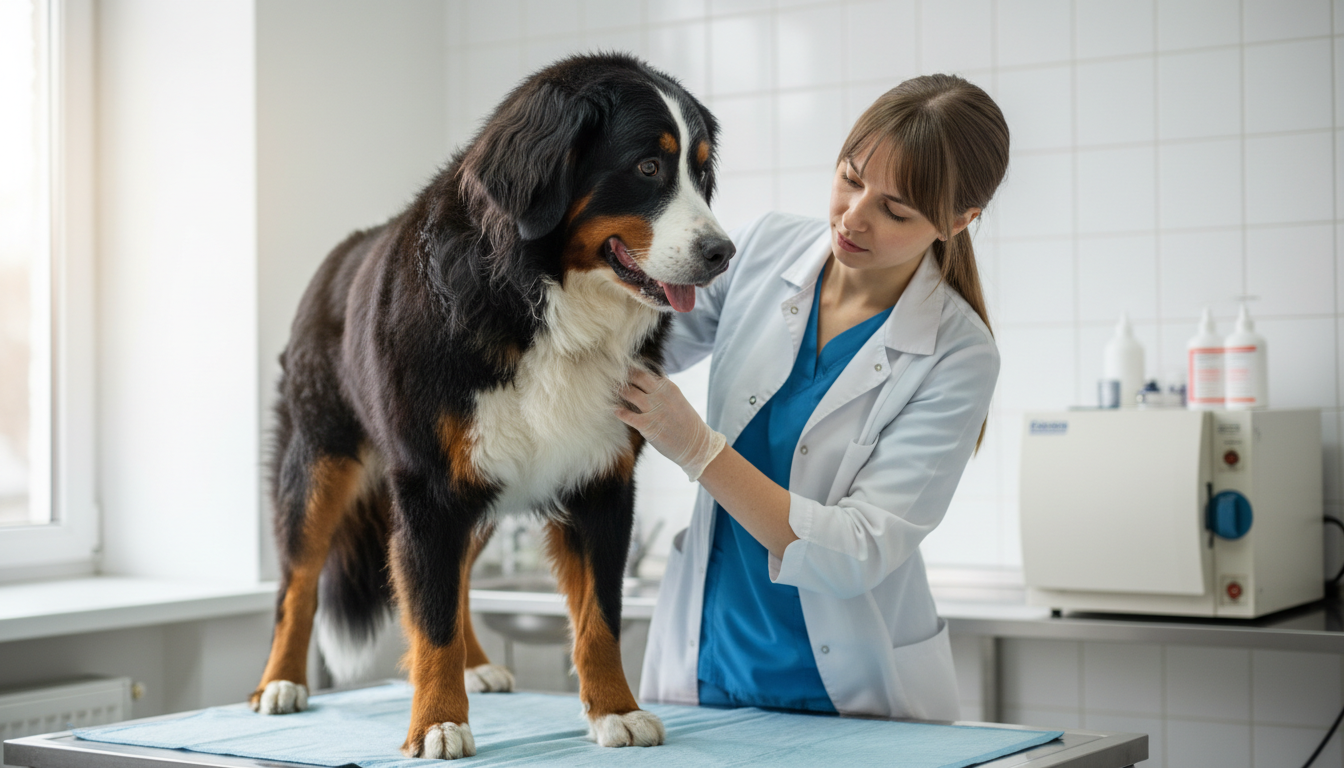
Diagnosing elbow dysplasia usually starts with a thorough physical exam, where your vet will watch your dog walk and trot, feel the elbow joints for swelling or pain, and check the range of motion in each leg. Because front-leg lameness can stem from several different causes, your vet will also rule out other possibilities like soft tissue injuries, growth plate issues, or other joint diseases that can look similar on the surface.
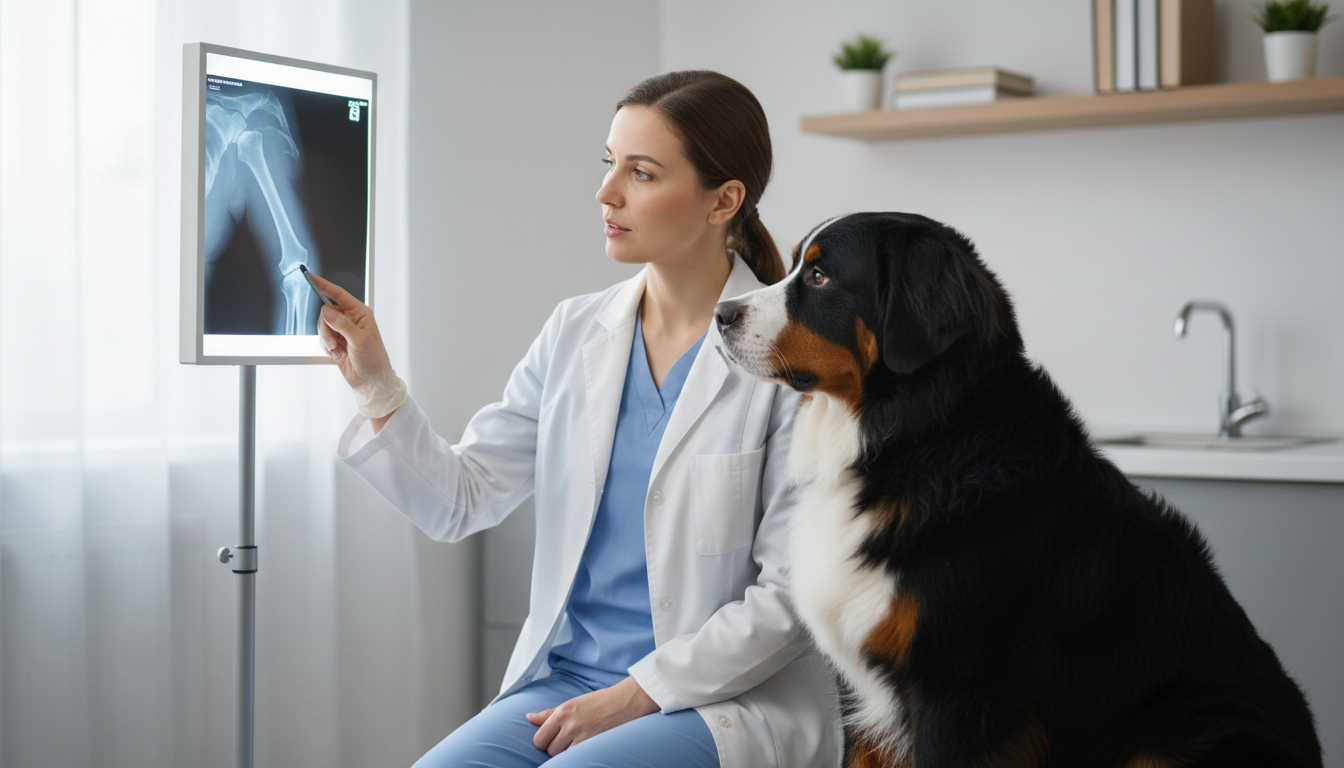
Imaging is typically the next step, and X-rays are the standard tool used to look at the structure of the elbow joint. In some cases, especially when X-rays are inconclusive or more detail is needed, your vet may refer you to a specialist for advanced imaging such as a CT scan, which can show subtle changes in the joint surfaces more clearly than standard X-rays alone.
Your vet will use these findings to determine not just whether elbow dysplasia is present, but how advanced the joint changes already are. This matters because the stage of the disease at diagnosis often influences which treatment path makes the most sense for your individual dog.
Treatment Options Your Vet May Discuss
There is no single treatment that fits every dog with elbow dysplasia, and your vet will tailor recommendations based on your dog’s age, the severity of the joint changes, and overall health. Some mild cases are managed successfully with a combination of weight control, activity modification, and joint support, while more advanced cases may benefit from surgical intervention to address damaged cartilage or improve joint alignment.
Because every dog’s situation is different, it’s important not to guess at treatment on your own or rely on what worked for another dog. Your vet is the right person to walk you through the pros and cons of each option for your Bernese Mountain Dog specifically.
- Weight management to reduce the load placed on the joints
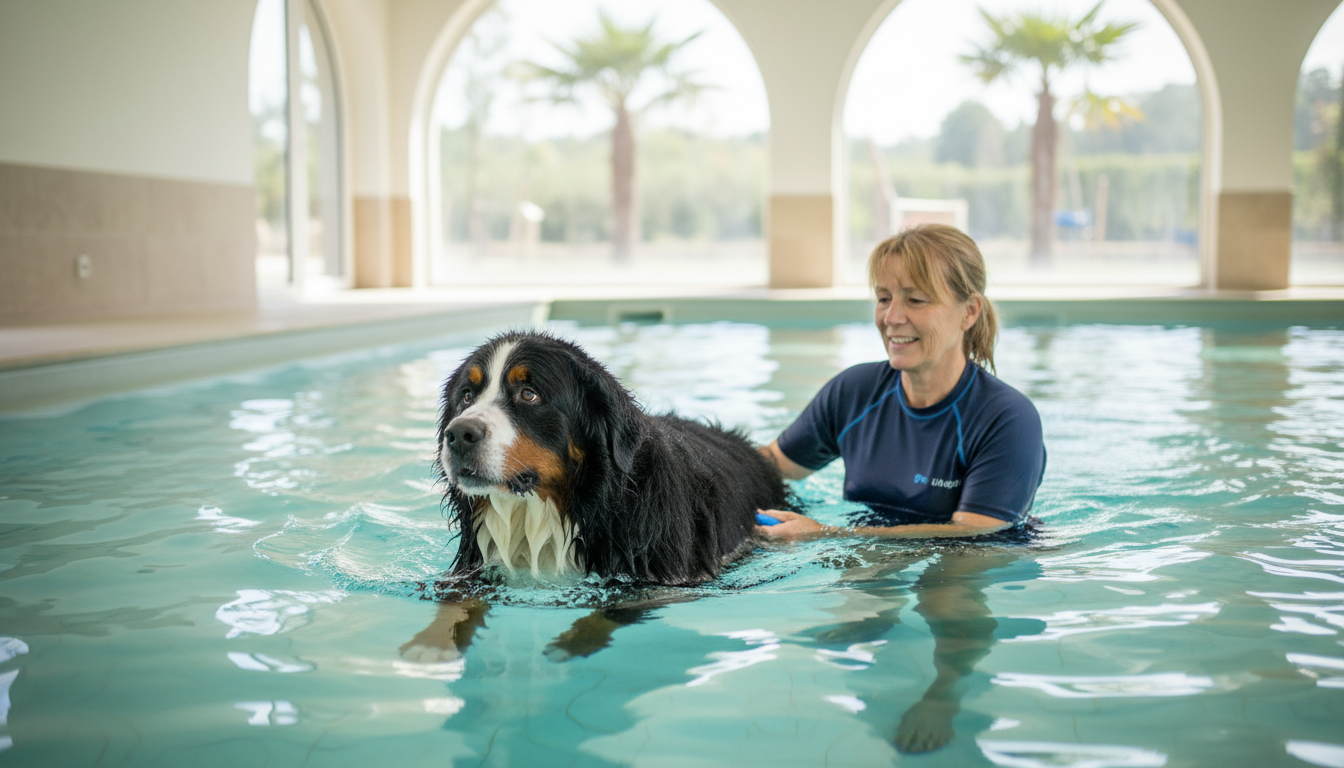
- Controlled, low-impact exercise such as leash walks or swimming instead of high-impact activity
- Joint supplements that your vet recommends based on your dog’s specific needs
- Pain and inflammation management prescribed and monitored by your vet
- Surgical options in certain cases, which your vet or a veterinary surgeon can explain in detail
- Physical rehabilitation therapy to maintain strength and mobility around the joint
Living with a Dog Who Has Elbow Dysplasia
A diagnosis of elbow dysplasia does not mean your dog’s quality of life has to suffer. Many dogs live long, happy lives with this condition when it is managed consistently, especially when owners stay attentive to weight, activity levels, and any changes in comfort over time. Bernese Mountain Dogs are generally easygoing and adaptable, which can work in your favor as you adjust routines to protect their joints.
Daily life may look a little different than it would for a dog without joint issues. You might swap vigorous games of fetch for gentler walks, add ramps instead of stairs for furniture or the car, and keep a closer eye on your dog’s weight than you otherwise would. These adjustments are not about restricting your dog’s happiness, but about protecting the joints so your dog can stay comfortable and mobile for as long as possible.
Regular check-ins with your vet become part of the routine too, since elbow dysplasia tends to progress over time and management plans sometimes need to be adjusted as your dog ages. Staying in close communication with your vet helps you catch any changes early and adapt before discomfort becomes significant.
The Role of Weight Management
Keeping your Bernese Mountain Dog at a healthy weight is one of the most powerful things you can do to protect their elbows, both before and after a diagnosis. Extra weight places additional mechanical stress on joints that may already be compromised, which can accelerate pain and further joint damage. Because this breed tends to be large-framed and can gain weight easily, weight management often requires deliberate, ongoing attention rather than a one-time fix.
Work with your vet to determine an appropriate target weight and feeding plan for your individual dog, since ideal weight can vary based on build, age, and activity level. Measuring food portions carefully, limiting high-calorie treats, and avoiding table scraps can all help keep your dog within a healthy range without sacrificing their enjoyment of mealtime.
Your vet can also help you track your dog’s weight over time using objective measures like body condition scoring, which looks at how easily you can feel the ribs and see a waistline rather than relying on the number on a scale alone. This kind of ongoing monitoring makes it easier to catch small weight gains before they become a bigger problem for the joints.
Exercise Guidelines for Joint Health
Exercise is still important for a dog with elbow dysplasia, but the type and intensity matter a great deal. High-impact activities like jumping from heights, sprinting, or repetitive rough play on hard surfaces can aggravate already stressed joints, while gentler, consistent movement helps maintain muscle tone and circulation around the joint without adding excessive strain.
Your vet or a veterinary rehabilitation specialist can help you design an exercise plan tailored to your dog’s specific stage of joint disease. What works well for a young dog recently diagnosed may look quite different from what’s appropriate for an older dog managing more advanced arthritis.
- Leash walks at a steady pace on flat, even ground
- Swimming, which offers excellent low-impact conditioning for the whole body
- Short, frequent walks rather than one long strenuous outing
- Avoiding repeated jumping on and off furniture, into vehicles, or over obstacles
- Warm-up time before more active play, especially in colder weather
Puppyhood Prevention Strategies
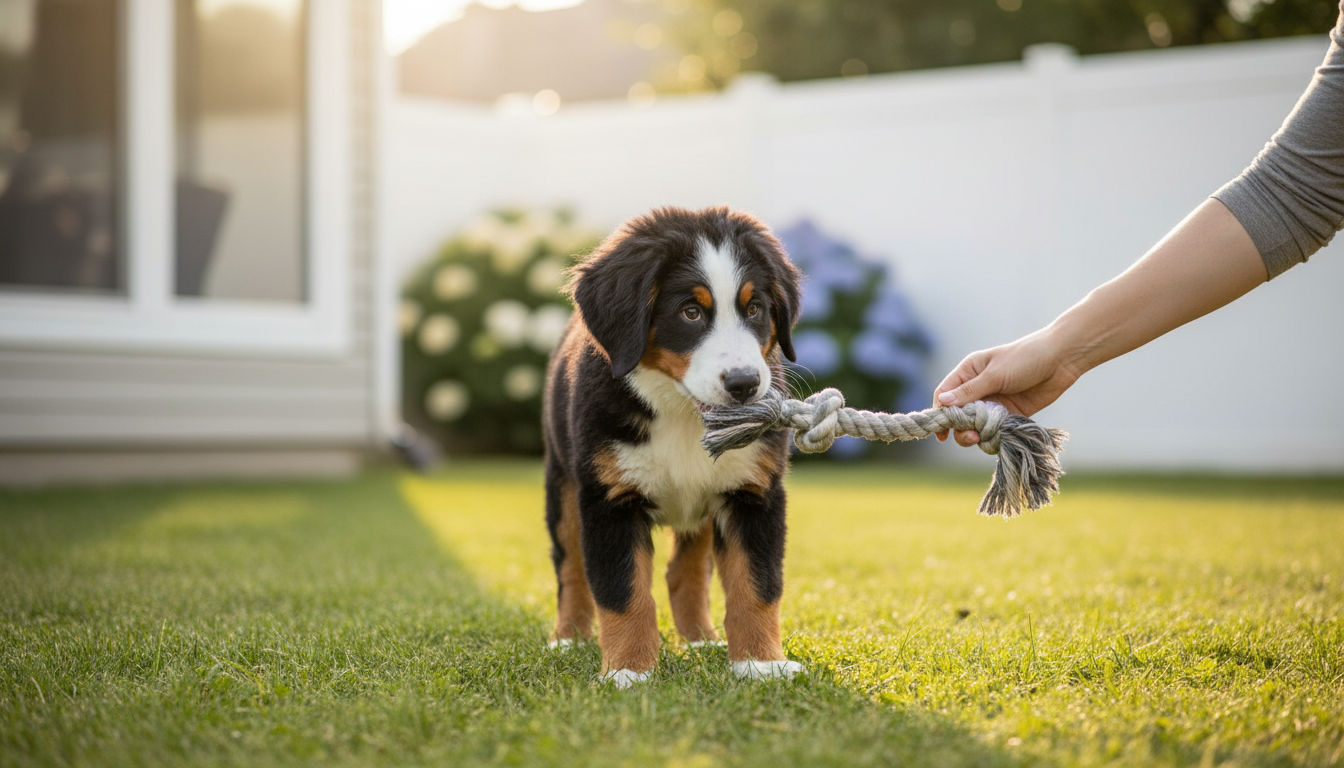
While elbow dysplasia has a genetic basis that can’t be fully controlled, there are steps you can take during puppyhood that may help reduce additional strain on developing joints. Because Bernese Mountain Dog puppies grow so quickly, the months between eight weeks and about a year of age are especially important for protecting joint health.
Feeding a diet formulated for large-breed puppies, rather than a standard puppy food, can help support slower, more controlled bone growth, which may reduce stress on developing joints. Avoiding excessive high-impact exercise, like long runs or repeated jumping, during this rapid growth period is another commonly recommended strategy, since growing joints are more vulnerable to injury and abnormal stress than fully mature ones.
Talk with your vet early about an appropriate growth and nutrition plan for your specific puppy, since factors like current weight, activity level, and family history can all influence what’s recommended. Getting this foundation right during the first year can make a meaningful difference even though it can’t eliminate genetic risk entirely.
Supplements and Joint Support
Many owners ask about joint supplements for dogs at risk of or already diagnosed with elbow dysplasia, and there are a number of products marketed for this purpose. While some supplements may offer supportive benefits for joint comfort, it’s important to talk with your vet before starting anything, since not all products are backed by the same level of evidence and some may interact with other medications or health conditions your dog has.
Your vet can recommend specific products appropriate for your dog’s size, age, and overall health, and can help you understand realistic expectations for what a supplement may or may not do. Supplements are generally considered a supportive part of a broader management plan rather than a standalone treatment, so they work best alongside other strategies like weight control and appropriate exercise rather than in place of them.
Never start a new supplement or adjust dosing on your own, particularly if your dog is already taking other medications for joint pain or inflammation. Your vet can help you avoid any unwanted interactions while still giving your dog the joint support they may benefit from.
When Surgery Might Be Recommended
For some dogs, particularly those with more significant joint changes or certain specific types of elbow dysplasia, your vet may discuss surgical options as part of the treatment plan. Surgery is generally considered on a case-by-case basis, taking into account the dog’s age, the severity and specific pattern of joint changes, and how the dog is responding to non-surgical management.
If surgery is recommended, your vet will likely refer you to a veterinary orthopedic surgeon who specializes in these procedures and can walk you through what to expect before, during, and after the operation. Recovery typically involves a structured rehabilitation period with activity restrictions, which can feel like a big commitment, but many dogs show meaningful improvement in comfort and function afterward.
It’s natural to have a lot of questions if surgery comes up as an option. Don’t hesitate to ask your vet or the surgeon about success rates for your dog’s specific situation, what recovery realistically looks like, and what the alternative outcomes might be if you choose non-surgical management instead.
Long-Term Outlook
Elbow dysplasia is considered a lifelong condition, which means that even with successful treatment, most dogs will need some form of ongoing management for the rest of their lives. This doesn’t mean your Bernese Mountain Dog can’t enjoy an active, happy life, but it does mean staying consistent with the strategies that help protect their joints over time.
Arthritis often develops in joints affected by elbow dysplasia, even after successful treatment, simply because the joint surfaces were never perfectly normal to begin with. Your vet will likely want to monitor your dog’s joints periodically throughout their life, adjusting the management plan as needed based on how your dog is doing and how the joints look on follow-up imaging if that becomes necessary.
Staying proactive rather than reactive tends to produce the best long-term outcomes. Regular vet visits, consistent weight management, and attentiveness to any changes in your dog’s comfort or mobility all contribute to giving your Bernese Mountain Dog the best quality of life possible despite this diagnosis.
When to Call Your Vet
Certain signs warrant a prompt call to your vet rather than a wait-and-see approach, especially if your dog has already been diagnosed with elbow dysplasia or is at higher risk because of their breed. Trust your instincts here; you know your dog’s normal patterns of movement better than anyone else.
Your vet would always rather hear from you sooner, even if the issue turns out to be minor, than have you wait until a problem becomes harder to manage. If something feels off with your Bernese Mountain Dog’s front legs or overall mobility, scheduling a visit is always a reasonable and responsible choice.
- Sudden worsening of lameness or a dog who suddenly won’t bear weight on a leg
- New swelling, heat, or visible pain around the elbow
- A noticeable decrease in appetite or energy alongside mobility changes
- Difficulty getting up after lying down that seems to be getting worse
- Any concern at all about how your dog is moving, even if it seems minor
Final Thoughts
Elbow dysplasia can feel like an overwhelming diagnosis, especially for a breed you love as much as your Bernese Mountain Dog. The good news is that with early detection, consistent management, and a strong partnership with your vet, many dogs continue to enjoy full, happy lives even with this condition. Paying close attention to your dog’s gait and comfort throughout their life, especially during the vulnerable puppy growth period, gives you the best chance of catching problems early and keeping your dog as comfortable as possible for years to come.
This article is for general education and is not a substitute for care from your own veterinarian. Learn about The Pet Vet and our editorial policy.