
If your cat is drooling excessively, pawing at their mouth, or refusing to eat, they may be experiencing feline stomatitis in cats—a painful inflammatory condition affecting the mouth and gums. This condition can make mealtimes miserable and significantly impact your cat’s quality of life, but the good news is that with proper diagnosis and care, many cats find relief.
Table of Contents
- What Is Feline Stomatitis?
- Common Symptoms and Early Warning Signs
- Understanding the Root Causes
- How Vets Diagnose Feline Stomatitis
- Medication Options and Treatment Approaches
- Dietary Changes That Support Healing
- Home Care and Comfort Measures
- When to Consider Tooth Extractions
- Long-Term Management and Monitoring
- Frequently Asked Questions
- What To Do Now
- Summary: Taking Action for Your Cat’s Oral Health
This article is for informational purposes only and is not a substitute for professional veterinary advice. Always consult a licensed veterinarian for diagnosis and treatment.
What Is Feline Stomatitis?
Feline stomatitis is a severe inflammatory condition of the mouth, gums, and throat in cats. Unlike simple gum disease in cats, stomatitis involves widespread inflammation and ulceration that can be extremely painful. The condition can affect the soft tissues of the mouth, including the gums, cheeks, lips, and throat.
This isn’t just bad breath or minor irritation—cats with stomatitis often struggle to eat, drink, and groom themselves. The pain can be so severe that some cats lose significant weight or become withdrawn and depressed.
Common Symptoms and Early Warning Signs
Recognizing the signs early makes a real difference in your cat’s comfort. Here are the most common symptoms pet owners notice:
- Excessive drooling or drooling with blood tinges
- Bad breath that’s noticeably worse than typical cat breath
- Difficulty eating, dropping food, or refusing meals
- Pawing at the mouth or face frequently
- Swelling of the gums, cheeks, or lips
- Visible ulcers or sores in the mouth
- Behavioral changes like hiding or irritability
- Difficulty swallowing or reluctance to drink
If you notice any of these signs, catching them early puts you in a great position to help your cat feel better faster. Don’t wait to see if symptoms resolve on their own—mouth pain tends to worsen without intervention.
Understanding the Root Causes
Feline stomatitis can develop from several different triggers, and identifying the underlying cause is crucial for effective treatment. Sometimes it’s infectious, sometimes it’s immune-related, and sometimes it’s connected to diet or other health issues.
Viral infections like feline calicivirus and feline herpesvirus are common culprits. These viruses can trigger severe inflammation in the mouth that persists even after the initial infection clears.
Bacterial and fungal infections can also contribute, especially in cats with weakened immune systems. Additionally, immune system dysfunction may cause the body to overreact to normal oral bacteria, creating chronic inflammation.
Some cats develop stomatitis related to food sensitivities or allergies. Exploring an elimination diet feeding plan with your vet can help identify problematic ingredients. Other potential causes include feline leukemia (FeLV), feline immunodeficiency virus (FIV), kidney disease, and certain medications.
How Vets Diagnose Feline Stomatitis
Your veterinarian will start with a thorough oral examination, often under sedation to get a complete view of the mouth and throat. They may take samples for bacterial or viral testing to identify infectious causes.
Blood work is typically recommended to check for underlying conditions like kidney disease, diabetes, or viral infections. Dental X-rays can reveal bone loss or other dental issues contributing to the inflammation. Your vet may also ask detailed questions about your cat’s diet, vaccination history, and any recent behavioral changes.
Medication Options and Treatment Approaches
Treatment for feline stomatitis often involves a multi-faceted approach tailored to your cat’s specific situation. While there’s no one-size-fits-all medication, several therapeutic options have shown promise in managing this condition.
Anti-inflammatory medications are frequently prescribed to reduce pain and swelling in the mouth. These help make eating more comfortable and can improve your cat’s appetite and quality of life. Your veterinarian will determine the appropriate option based on your cat’s age, kidney function, and overall health.
Antimicrobial treatments may be recommended if bacterial or fungal infections are contributing to the inflammation. These might include oral rinses, topical treatments, or systemic medications depending on the severity and location of the infection.
Immune-modulating therapies have gained attention in recent years for cats whose stomatitis appears to be driven by immune dysfunction. These treatments work differently than traditional medications and may help reset the immune system’s response in the mouth.
Pain management is a critical component of any treatment plan. Cats with stomatitis experience real, significant pain, and addressing this improves their eating, drinking, and overall well-being. Your vet can recommend pain relief options appropriate for long-term use.
Always discuss potential side effects and monitoring requirements with your veterinarian. Some medications require periodic blood work to ensure they’re safe for your cat’s kidneys and liver.
Dietary Changes That Support Healing
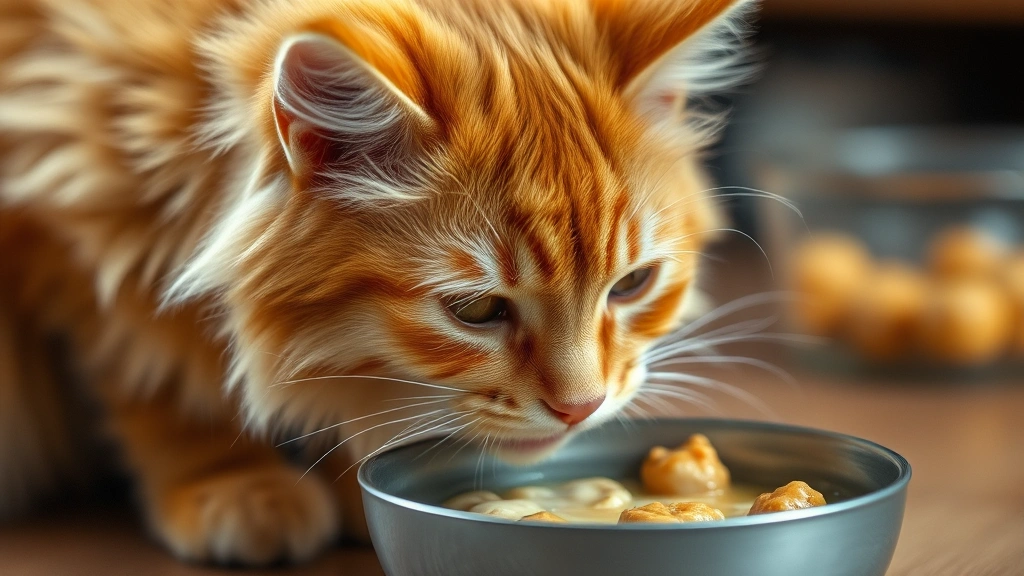
What your cat eats plays a significant role in managing stomatitis. Soft, wet food is typically easier to eat than dry kibble when the mouth is painful and inflamed. Consider warming wet food slightly to enhance palatability and reduce discomfort.
Some cats benefit from elimination diets to identify and remove potential allergens. Common culprits include certain proteins, grains, or food additives. Work with your vet to determine which foods your cat should avoid—you can reference our guide on foods cats should avoid for additional information.
Ensure your cat has constant access to fresh water. Some cats prefer running water from a fountain, which may encourage drinking and help flush the mouth. If kidney issues are present, discuss dietary modifications with your vet, as some cats benefit from a feline kidney support diet.
Avoid human foods cats can eat that might irritate inflamed tissues, such as citrus, spicy foods, or anything hard and crunchy.
Home Care and Comfort Measures
Beyond medications and diet, several home care strategies can ease your cat’s discomfort and support healing:
- Oral rinses: Your vet may recommend gentle saltwater or medicated rinses to keep the mouth clean and reduce bacteria
- Soft bedding: Provide comfortable resting areas since mouth pain can make cats irritable
- Stress reduction: Minimize household stress and maintain a calm environment, as stress can worsen inflammation
- Regular monitoring: Watch for changes in eating, drinking, or behavior that might signal improvement or worsening
- Gentle handling: Avoid touching or examining the mouth unless necessary, as it’s very sensitive
Many cat owners find that creating a quiet, comfortable space helps their cat feel safer and encourages eating and drinking during the healing process.
When to Consider Tooth Extractions
In some cases, particularly severe stomatitis may require tooth extraction. This might sound drastic, but many cats actually experience dramatic improvement in quality of life after extractions, especially if the teeth themselves are contributing to the inflammation.

Cats are remarkably adaptable and can eat well without teeth, particularly with soft food. Your vet will discuss whether extractions are appropriate for your cat’s situation and what to expect during recovery.
Long-Term Management and Monitoring
Feline stomatitis often requires ongoing management rather than a one-time cure. Your cat may need continued medications, dietary adjustments, and regular veterinary check-ups to keep symptoms under control.
Schedule follow-up appointments as recommended by your vet to monitor how your cat is responding to treatment. Be prepared to adjust medications or try different approaches if the initial plan isn’t providing adequate relief. Keeping detailed notes about your cat’s eating, behavior, and any symptoms helps your vet track progress.
Some cats go into remission with proper treatment, while others require lifelong management. Either way, most cats can achieve a good quality of life with the right care plan in place.
Frequently Asked Questions
Is feline stomatitis contagious to other cats?
Stomatitis itself isn’t contagious, but some underlying causes like calicivirus are. Keep affected cats separated from others and practice good hygiene until your vet confirms what’s causing the stomatitis.
Can feline stomatitis go away on its own?
Without treatment, stomatitis typically worsens and causes increasing pain and difficulty eating. Early veterinary intervention offers the best chance for improvement and comfort.
How long does it take to see improvement with treatment?
Some cats show improvement within days to weeks of starting treatment, while others may take several weeks or months. Consistency with medications and dietary changes is key to success.
What’s the difference between stomatitis and regular gum disease?
Gum disease primarily affects the gums and tooth structure, while stomatitis involves widespread inflammation throughout the mouth and soft tissues, typically causing more severe pain and symptoms.
Can diet alone cure feline stomatitis?
Diet is an important part of management, especially if food allergies are involved, but most cats with stomatitis require medication and veterinary care alongside dietary changes for meaningful improvement.
What To Do Now
If you suspect your cat has feline stomatitis, here are your next steps:
- Schedule a veterinary appointment: Contact your vet right away for a thorough oral examination. If you’re unsure whether your pet needs urgent care, a quick telehealth check-in with The Pet Vet can give you peace of mind—no appointment needed.
- Document symptoms: Write down when symptoms started, what you’ve noticed (drooling, reduced eating, bad breath), and any behavioral changes to share with your vet.
- Prepare for diagnostics: Be ready for your vet to potentially recommend blood work, oral cultures, or X-rays to identify the underlying cause.
- Ask about treatment options: Discuss all available medications and management strategies with your vet, including potential side effects and monitoring requirements.
- Plan dietary adjustments: Work with your vet to transition to soft, high-quality food and identify any potential dietary triggers.
Summary: Taking Action for Your Cat’s Oral Health
Feline stomatitis in cats is a serious condition that causes real suffering, but it’s also manageable with proper veterinary care and commitment from you as a pet parent. The combination of appropriate medications, dietary support, home care, and regular monitoring can significantly improve your cat’s comfort and quality of life.
Don’t hesitate to reach out to your veterinarian if you notice signs of mouth pain or inflammation. Early intervention makes a real difference. Remember, your cat is counting on you to help them feel better, and with the right approach, most cats with stomatitis can enjoy eating, playing, and snuggling comfortably again.