
Overview
This guide identifies fifteen common human foods that are toxic to dogs—including chocolate, grapes, onions, xylitol, and macadamia nuts—explaining why each is dangerous, what symptoms to watch for, and how to respond in an emergency. Understanding these risks and recognizing warning signs early can prevent serious health complications, as dogs metabolize certain foods differently than humans, with even small amounts of some substances posing life-threatening dangers.
Table of Contents
- Why Toxic Foods Matter for Your Dog
- How to Spot the Warning Signs
- 15 Foods Dogs Should Avoid
- Chocolate
- Grapes and Raisins
- Onions and Garlic
- Xylitol
- Macadamia Nuts
- Avocado
- Alcohol
- Coffee and Caffeine
- Raw Yeast Dough
- Cooked Bones
- Apple Seeds and Stone Fruit Pits
- Salt
- Nutmeg
- Raw Eggs
- Dairy Products
- What to Do Right Now If You’re Worried
- Keeping Your Dog Safe Every Day
- Safe Human Foods You Can Share
- Conclusion
If your dog just ate something they shouldn’t have — or you’re trying to stay one step ahead — you’re in the right place. Many everyday foods that are perfectly safe for us can be harmful or even dangerous for dogs. The good news is that knowing what to watch for makes a real difference.
This article is for informational purposes only and is not a substitute for professional veterinary advice. Always consult a licensed veterinarian for diagnosis and treatment.
This guide covers fifteen foods dogs should avoid. For each one, you’ll learn why it’s risky, what symptoms may appear, and what to do if your dog gets into it.
Why These Foods Can Be So Dangerous for Dogs
Dogs process food very differently from humans. Their bodies handle certain compounds in ways that can lead to serious harm — even from foods we eat every day without a second thought.
A few important things to understand:
- Symptoms can appear within minutes or take several days to show up
- Smaller dogs are generally at greater risk from the same amount of a harmful food
- Some foods are dangerous even in tiny amounts
- Acting quickly almost always leads to better outcomes
According to the ASPCA Animal Poison Control Center, food items are among the top causes of pet poisoning cases each year. Most of these situations are preventable.
How to Spot the Warning Signs
Different foods affect dogs in different ways. Common warning signs that may suggest your dog has eaten something harmful include:
- Vomiting or diarrhea
- Excessive drooling
- Tremors or seizures
- Difficulty breathing
- Unusual heart rate
- Weakness, collapse, or loss of coordination
If you notice any of these signs and think your dog may have eaten something harmful, contact your vet straight away. Don’t wait to see if things improve on their own.
It is completely normal to feel worried in these moments — catching a problem early puts you in a much better position to help your dog.
15 Foods Dogs Should Avoid
Chocolate
Chocolate contains two compounds — theobromine and caffeine — that dogs break down much more slowly than humans do. This allows them to build up to harmful levels in your dog’s system.
Dark chocolate and baking chocolate tend to be the most concerning because they contain higher concentrations of these compounds. Milk chocolate and white chocolate are less concentrated but still pose a risk.
Signs that may appear include:
- Vomiting
- Rapid or laboured breathing
- Increased heart rate
- Tremors or seizures
If your dog has eaten any amount of chocolate, treat it as urgent and contact your vet right away.
Grapes and Raisins
The exact substance in grapes and raisins that harms dogs has not yet been identified. What is known is that they may cause serious kidney problems in some dogs.
What makes this especially tricky is the unpredictability. Some dogs appear unaffected, while others may develop a severe reaction from just a small amount. There is no known safe quantity.
Symptoms may include:
- Vomiting (often within a few hours)
- Lethargy and reduced appetite
- Decreased urination
Grapes and raisins can also hide in trail mix, raisin bread, and baked goods — so it’s worth checking ingredients carefully.
Onions and Garlic
All members of the allium family — onions, garlic, leeks, chives, and shallots — may damage your dog’s red blood cells over time. This could lead to a condition where the body breaks down red blood cells faster than it can replace them.
All forms are a concern, including:
- Raw and cooked
- Dried and powdered
- As ingredients in sauces, soups, and seasoned foods
Small amounts eaten regularly may accumulate to harmful levels. Symptoms — such as weakness, pale gums, reddish urine, and rapid breathing — may not appear for several days after eating.
Xylitol
Xylitol is an artificial sweetener that can trigger a rapid drop in blood sugar in dogs. It may also affect the liver if enough is consumed. Effects can appear quickly — sometimes within 30 minutes.
You’ll find xylitol in many everyday products, including:
- Sugar-free gum and candy
- Some peanut butter brands
- Toothpaste and mouthwash
- Certain medications and supplements
On labels, it may also appear as “birch sugar.” Always check ingredients before sharing anything with your dog. If you think your dog has eaten a product containing xylitol, contact your vet immediately — do not wait for symptoms.
Macadamia Nuts
The substance in macadamia nuts that affects dogs is not yet known, but the effects are well documented. Dogs who eat these nuts may develop:
- Weakness in the hind legs
- Vomiting
- Tremors and fever
- Joint stiffness or pain
Symptoms often appear within 12 hours and may last up to 48 hours. Most dogs recover with supportive veterinary care. Macadamia nuts are commonly found in cookies, chocolates, and mixed nut products — so it’s worth being mindful of what’s within reach.
Avocado
Avocados contain a substance called persin, which may cause vomiting and diarrhea in dogs. The flesh is the least concentrated source, but the leaves, bark, and pit also contain it.
There are two additional concerns:
- The large pit is a choking hazard and could cause an intestinal blockage
- The high fat content may trigger pancreatitis — a painful inflammation of the pancreas
With avocado appearing in so many dishes, it’s worth being careful about where you set your plate.
Alcohol
Dogs are very sensitive to alcohol. Even a small amount can cause significant effects — far more severe than in humans. Alcohol affects the central nervous system quickly, and this can become life-threatening.
Signs may include:
- Vomiting and disorientation
- Difficulty breathing
- Tremors and poor coordination
- In serious cases, loss of consciousness
Alcohol can also be found in less obvious places — rum-soaked fruitcakes, unbaked bread dough, and some sauces. If your dog has consumed any alcohol, contact your vet straight away.
Coffee and Caffeine
Caffeine affects dogs similarly to chocolate — both contain related compounds that dogs process much more slowly than we do. This allows harmful levels to build up in their system.
Sources of caffeine to keep away from dogs include:
- Coffee and tea (including grounds and bags)
- Energy drinks
- Caffeine tablets or diet pills
- Chocolate-covered coffee beans
- Some ice creams and desserts
Symptoms may include restlessness, rapid breathing, muscle tremors, and in serious cases, seizures. Contact your vet promptly if you think your dog has consumed caffeine.
Raw Yeast Dough
Raw bread dough is dangerous for two reasons. First, your dog’s warm stomach creates ideal conditions for the yeast to keep fermenting. The dough can expand inside the stomach, which may restrict blood flow and cause serious harm to the stomach wall.
Second, fermentation produces alcohol, which can lead to alcohol-related symptoms on top of the physical pressure from the expanding dough.
Signs to watch for include:
- A visibly swollen or distended abdomen
- Vomiting and weakness
- Disorientation or unsteadiness
This is a situation that needs urgent veterinary attention. Do not wait to see if symptoms pass.
Cooked Bones
Cooking changes the structure of bones, making them brittle. They can splinter into sharp fragments that may:
- Pierce the mouth, throat, or digestive tract
- Cause internal bleeding
- Create blockages that may require surgery
Poultry bones are especially prone to splintering, but all cooked bones carry this risk. If you’d like to give your dog a bone, speak to your vet about whether a raw bone of an appropriate size might be a safer option for your dog.
Apple Seeds and Stone Fruit Pits
The seeds of apples and the pits of cherries, peaches, plums, and apricots contain compounds that can release cyanide when digested. Large quantities would be needed to cause serious harm, but there is no reason to take the risk.
Stone fruit pits also present a choking hazard and could cause a blockage in the digestive tract.
If you share fruit with your dog, always remove all seeds and pits first. Small amounts of the flesh are generally fine.
Salt
Too much salt can upset your dog’s electrolyte balance and lead to a range of symptoms, including:
- Excessive thirst and dehydration
- Vomiting and diarrhea
- Tremors or seizures
Highly salty snacks like crisps, pretzels, and processed meats should be kept away from dogs. Also be cautious with salt dough ornaments, rock salt used on icy paths, and ocean water — some dogs have become unwell after drinking seawater at the beach.
Nutmeg
Nutmeg contains a compound called myristicin, which may cause concerning symptoms in dogs. Serious effects tend to require a larger amount, but even smaller quantities can cause discomfort.
Symptoms may include:
- Disorientation and agitation
- Increased heart rate
- Seizures in more serious cases
Signs can take several hours to appear and may last up to 48 hours. Nutmeg is especially common in holiday baking, so it’s worth being extra careful during festive periods.
Raw Eggs
There are two concerns with raw eggs for dogs:
- They may carry bacteria such as Salmonella or E. coli, which can cause illness
- Raw egg whites contain a substance that may interfere with the absorption of biotin, a B vitamin that supports healthy skin and coat
Cooked eggs are generally safe and nutritious for dogs. Cooking removes both of these risks. If you’d like to share eggs with your dog, simply cook them first — plain, with no seasoning.
Dairy Products
Many dogs have difficulty digesting lactose, the sugar found in milk and dairy products. This can lead to:
- Gas and bloating
- Diarrhea and vomiting
- General digestive discomfort
While dairy is not toxic in the same way as chocolate or grapes, the discomfort can be significant. Some dogs tolerate small amounts better than others, and aged cheeses tend to be lower in lactose. That said, it’s generally safer to stick to treats made specifically for dogs.
What to Do Right Now If You’re Worried
If you think your dog has eaten something harmful, try to stay calm. Acting quickly and clearly is the most helpful thing you can do.
- Write down what happened. Note what your dog ate, roughly how much, and when. If there’s packaging available, keep it nearby so you can read out the ingredients.
- Move your dog away from the food source. Prevent them from eating any more of the substance while you gather information.
- Call your vet or an emergency animal clinic straight away. Have your dog’s breed, age, and weight ready — this helps the vet assess the level of risk quickly. The Pet Poison Helpline is available 24/7 at 855-764-7661. The ASPCA Animal Poison Control Center can be reached at 888-426-4435. Please note that consultation fees may apply.
- Do not try to make your dog vomit unless a vet specifically tells you to. In some situations, this can make things worse or cause additional harm.
- Note any symptoms as they appear. Write down what you observe and when — this information will help your vet assess your dog’s condition more accurately.
If you are unsure whether your pet needs urgent care, a quick telehealth check-in can give you peace of mind — no appointment needed.
Keeping Your Dog Safe Every Day
The best way to protect your dog is to make harmful foods hard to reach in the first place. A few simple habits go a long way:
- Store human food in cupboards or on high shelves your dog cannot access
- Use childproof latches on lower cabinets if your dog can open doors
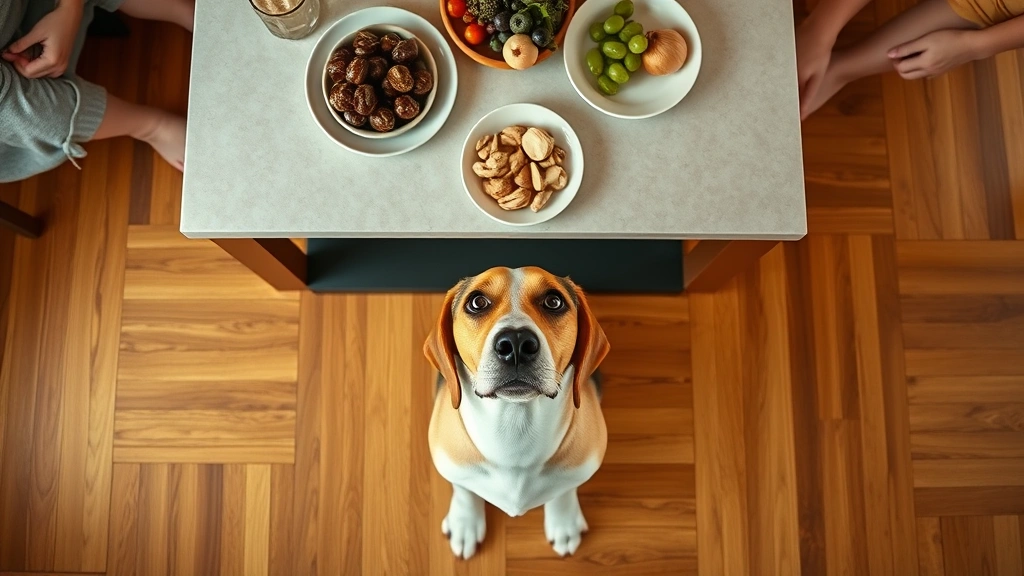
- Never leave food unattended on counters or tables — even briefly
- Make sure everyone in your household knows which foods are off-limits
- Let guests know your rules about feeding your dog — kindly but clearly
- Be extra careful during holidays and gatherings, when more food is around
- Watch for dropped food or discarded items during walks
- Teach a reliable “leave it” command — it can be a lifesaver
During parties or busy gatherings, consider giving your dog a safe, quiet space away from the food. The excitement of a crowd creates plenty of opportunities for a determined dog to sneak something they shouldn’t.
Safe Human Foods You Can Share With Your Dog
Not everything on your plate is off-limits. Plenty of everyday foods make great dog-friendly treats when prepared properly.
Safe fruits and vegetables include:
- Apple slices (seeds removed)
- Bananas and blueberries
- Strawberries and watermelon (seeds removed)
- Carrots, cucumber, and green beans
- Cooked sweet potato
Safe protein options include:
- Plain cooked chicken, turkey, or beef (no seasoning, no bones)
- Plain cooked fish
- Cooked eggs
Plain cooked rice and oatmeal can also be gentle on a sensitive stomach. Peanut butter is a favourite for many dogs — just make sure it contains no xylitol, and offer it in small amounts due to its calorie content.
As a general guide, treats of any kind — even healthy ones — should make up no more than around ten percent of your dog’s daily food intake. Even safe foods can contribute to weight gain if offered too freely.
Conclusion
Knowing which foods to keep away from your dog is one of the most practical things you can do to protect them. The fifteen foods covered in this guide are all common household items — and all of them carry real risks for dogs.
The key is prevention: store food safely, make sure everyone at home is on the same page, and stay alert during meals and social gatherings.
When accidents do happen, acting quickly makes a genuine difference. Keep emergency contact numbers somewhere easy to find, and don’t hesitate to reach out for help. Those pleading eyes at dinner time are hard to resist — but reaching for a dog-safe treat instead means you can share the moment without the worry.
Frequently Asked Questions
What should I do immediately if my dog eats chocolate?
Contact your vet or a pet poison helpline straight away — do not wait for symptoms to appear. Have your dog’s weight ready, along with the type of chocolate and roughly how much they ate. This helps the vet assess how urgent the situation is.
Can a single grape harm my dog?
Possibly, yes. Even small amounts of grapes or raisins may cause serious kidney problems in some dogs. There is no known safe amount, so any grape or raisin ingestion should be treated as urgent. Call your vet right away.
Is peanut butter safe for dogs?
Plain peanut butter with no xylitol is generally safe for dogs in small amounts. Always check the ingredient label carefully before sharing — some brands use xylitol as a sweetener, which can be very harmful to dogs.
Why are cooked bones more dangerous than raw bones?
Cooking makes bones brittle, so they can splinter into sharp pieces that may injure your dog’s mouth, throat, or digestive tract. Raw bones are less likely to splinter in the same way, but speak to your vet before offering any bone to make sure it’s appropriate for your dog’s size and chewing habits.
How quickly will my dog show symptoms after eating something harmful?
It varies widely depending on the food. Some substances may cause symptoms within 30 minutes, while others — such as onions — may take several days to show any signs. Never wait for symptoms to appear before calling your vet if you suspect your dog has eaten something harmful.