
Overview
This guide educates dog owners about common household foods that are dangerous to dogs due to fundamental differences in how canine bodies process certain compounds, lacking enzymes humans have to break down specific substances. The article covers which foods to avoid, warning signs of poisoning, emergency response procedures, and safe food alternatives, emphasizing that many everyday foods can cause serious harm even in small amounts.
Table of Contents
- Why Dogs Digest Food Differently Than We Do
- Foods You Should Never Feed Your Dog
- Highly Dangerous Foods to Keep Away From Your Dog
- Foods That Can Cause Problems Over Time
- Foods That Are a Physical Danger to Dogs
- Surprisingly Risky Foods Many Owners Don’t Know About
- Warning Signs Your Dog May Have Eaten Something Harmful
- What to Do Right Now If You’re Worried
- How to Respond If Your Dog Eats Something Toxic
- Safe and Tasty Food Alternatives Your Dog Will Love
- Conclusion
- Frequently Asked Questions
If you are worried your dog has eaten something harmful — or you just want to know what to keep out of reach — you are in the right place. Many common household foods can seriously hurt dogs, even in small amounts. This guide will walk you through what to avoid, what warning signs to look for, and exactly what to do if something goes wrong.
This article is for informational purposes only and is not a substitute for professional veterinary advice. Always consult a licensed veterinarian for diagnosis and treatment.
The ASPCA Animal Poison Control Center handles thousands of food-related cases every year. Many involve everyday foods that owners never suspected could be dangerous. Knowing which foods to avoid could genuinely save your dog’s life.
Why Dogs Digest Food Differently Than We Do
Your dog’s body handles food very differently from yours. Their liver lacks certain enzymes that humans use to break down specific compounds. When your dog eats something their system cannot process, harmful substances can build up and cause damage.
This is why you can enjoy a chocolate bar with no problem, while the same amount could seriously harm a small dog. It is not about a sensitive stomach — it is a fundamental difference in how their bodies work.
How harmful a food is also depends on several factors:
- Your dog’s size and weight — a smaller dog faces greater risk from the same amount
- Individual sensitivity — dogs vary, just like people do
- How much was eaten and how often
Some harmful substances build up gradually with repeated exposure. Your dog might eat something once without obvious symptoms, but that does not mean it is safe. By the time symptoms appear, internal harm may already have occurred.
Dogs also cannot tell us when they feel unwell until things become serious. That is why knowing this information ahead of time matters so much.
Foods You Should Never Feed Your Dog
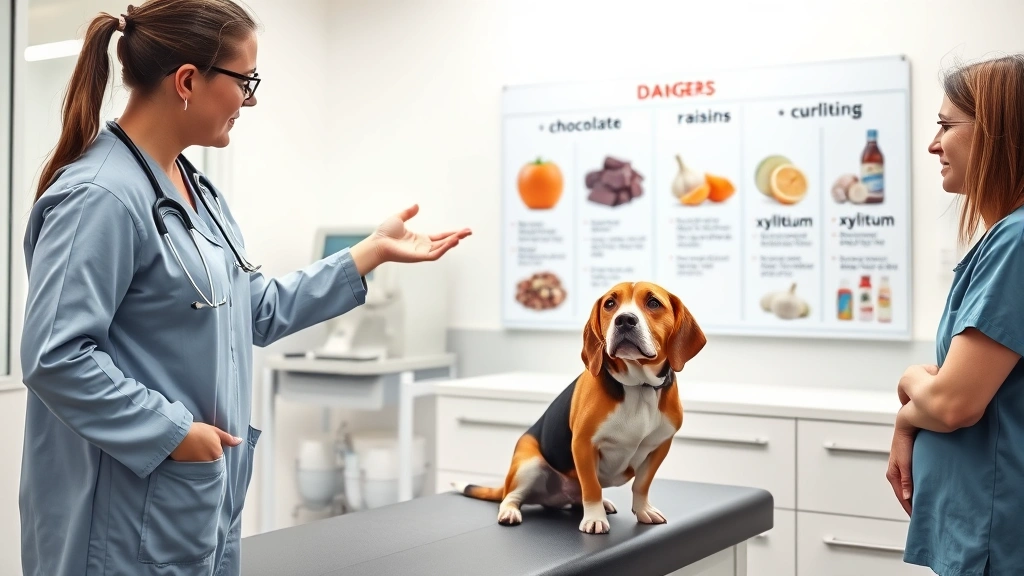
Some foods are so harmful that even small amounts can cause serious illness. These should never be given to your dog under any circumstances.
Chocolate
Chocolate is one of the most well-known dangers for dogs, yet poisoning cases happen all the time. It contains a compound called theobromine, which dogs break down very slowly. As it builds up in their system, it can affect the heart, nervous system, and kidneys.
Not all chocolate carries the same level of risk:
- Dark chocolate and baking chocolate — highest risk
- Milk chocolate — moderate risk
- White chocolate — lower theobromine levels, but still harmful due to fat and sugar content
Signs your dog may be affected include vomiting, diarrhea, rapid breathing, an elevated heart rate, and in serious cases, seizures. Symptoms can appear within a few hours to 24 hours after eating. If your dog eats any amount of chocolate, contact your vet straight away.
Grapes and Raisins
Grapes and raisins can cause kidney failure in dogs. What makes them especially worrying is that no safe amount has been identified. Even a small number of grapes has caused severe reactions in some dogs.
The unpredictability is part of what makes this so dangerous. One dog may eat several with minimal symptoms, while another may experience kidney failure from just a few. There is no way to predict how your dog will react.
Signs may appear within 12 to 24 hours and can include:
- Vomiting
- Lethargy
- Loss of appetite
- Abdominal discomfort
- Reduced urination
This applies to all grape products — juice, raisins in trail mix, and anything made with grapes. There is no safe form of grapes for dogs.
Xylitol
Xylitol is an artificial sweetener found in a growing number of products. You may find it in:
- Sugar-free gum and candy
- Some peanut butter brands
- Toothpaste
- Certain medications and supplements
In dogs, xylitol can trigger a rapid drop in blood sugar and may also cause liver problems. Symptoms can appear quickly — sometimes within 30 minutes of eating it. Warning signs include vomiting, weakness, loss of coordination, and in serious cases, seizures or collapse.
Always read ingredient labels carefully on anything your dog might reach or that you plan to share with them.
Onions and Garlic
Onions and garlic — in all forms — can damage red blood cells and may lead to anaemia. This includes raw, cooked, powdered, and dried versions. Garlic is actually more concentrated than onions, despite myths about it being beneficial for pets.
The danger is especially easy to miss because effects build up over time. Small amounts eaten regularly can accumulate and cause harm. Even foods seasoned with onion or garlic powder are a concern — which rules out most table scraps.
Symptoms can take several days to develop and may include:
- Weakness and lethargy
- Pale gums
- Orange or dark red urine
- Vomiting
- Elevated heart rate
Macadamia Nuts
Macadamia nuts are specifically harmful to dogs, though the exact reason is not yet fully understood. Eating them may cause weakness, low mood, vomiting, tremors, joint discomfort, and a raised body temperature.
Symptoms typically appear within 12 hours and can last up to 48 hours. The risk increases significantly when macadamia nuts are combined with chocolate — as in some cookies or baked goods.
Highly Dangerous Foods to Keep Away From Your Dog
Beyond the most toxic foods, this group also poses serious risks and should be kept well out of your dog’s reach.
Alcohol
Alcohol affects dogs far more severely than it affects humans. Even surprisingly small amounts can cause serious harm, including coma or death from alcohol poisoning.
Raw bread dough is a hidden danger here. It can ferment in your dog’s warm stomach, producing alcohol while also expanding and causing painful bloating. Some cases require emergency surgery.
Signs of alcohol ingestion may include vomiting, disorientation, difficulty breathing, and tremors. Never leave alcoholic drinks where your dog can reach them.
Caffeine
Dogs are highly sensitive to caffeine. It is found in coffee, tea, energy drinks, fizzy drinks, and some medications. The stimulant effect that helps you feel alert can overwhelm your dog’s system entirely.
Signs may include restlessness, rapid breathing, muscle tremors, and seizures. Even coffee grounds or used tea bags contain enough residual caffeine to cause problems — dispose of them in a secured bin.
Avocado
Avocado contains a substance called persin, which can cause vomiting and diarrhoea in dogs. The leaves, pit, and skin contain higher concentrations than the flesh itself.
There is also a serious choking risk if your dog swallows the large pit. The high fat content can also contribute to pancreatitis. Given these multiple concerns, it is best to keep all parts of avocados away from your dog.
Raw Yeast Dough
Raw yeast dough poses two separate dangers. First, it can continue to rise inside your dog’s warm stomach, causing painful bloating and potentially dangerous stomach expansion. Second, the fermentation process produces alcohol, which adds another layer of risk.
Signs may include a visibly swollen abdomen, repeated attempts to vomit, weakness, and difficulty regulating body temperature.
Certain Nuts
Beyond macadamias, walnuts and pecans can develop moulds that produce toxins linked to tremors and seizures. Most nuts also pose choking and blockage risks, especially for smaller dogs.
As a general rule, it is safest to keep all nuts away from your dog.
Foods That Can Cause Problems Over Time
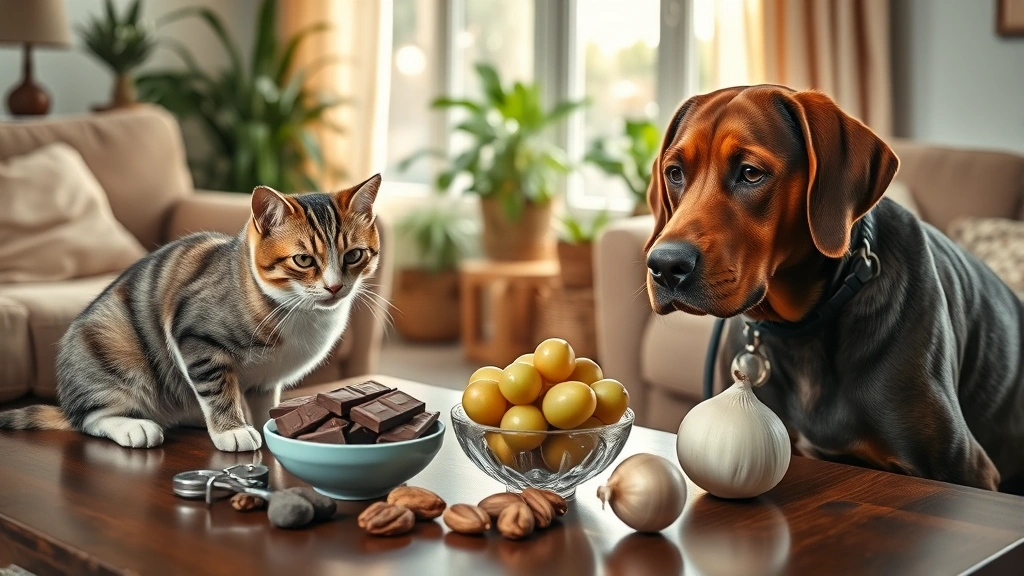
These foods may not cause immediate life-threatening harm in small amounts, but they can lead to health problems — especially with regular feeding or larger quantities.
Dairy Products
Most adult dogs have difficulty digesting lactose, the sugar found in milk. This can lead to gas, diarrhoea, and vomiting. Small amounts of plain yoghurt or hard cheese may be tolerated by some dogs, but milk and ice cream more commonly cause upset. If you do offer dairy, start with a tiny amount and watch for any reaction.
Salt and Salty Snacks
While dogs need a small amount of sodium, too much can be harmful. Large quantities may cause vomiting, diarrhoea, tremors, and in serious cases, seizures.
Common sources of excess salt include:
- Crisps, pretzels, and other salty snacks
- Table salt or rock salt
- Play dough
- Ocean water (if your dog drinks too much at the beach)
Excessive thirst and urination are early signs the body is trying to flush out too much sodium.
Nutmeg and Certain Spices
Nutmeg, in larger amounts, may cause disorientation, an elevated heart rate, and in serious cases, seizures. This is particularly relevant during the holiday season when nutmeg appears in many baked goods.
Cocoa powder carries similar concerns to chocolate. While a small amount of cinnamon is generally considered safe, many festive foods combine several risk factors at once.
Raw Eggs and Raw Meat
Raw eggs and raw meat can carry bacteria such as salmonella or E. coli, which can affect both dogs and the people who handle them. Raw eggs also contain a compound that may interfere with the absorption of an important B vitamin. Cooking eliminates both of these concerns and is the safer option.
Foods That Are a Physical Danger to Dogs
Some foods are not toxic but can still cause serious physical harm.
Cooked Bones
Cooked bones become brittle and can splinter easily. Sharp fragments can cause choking, broken teeth, or puncture the digestive tract. Chicken bones are particularly prone to splintering, but all cooked bones carry this risk. Even raw bones should only be given with supervision and careful size selection.
Corn on the Cob
Corn kernels are not toxic, but dogs often swallow large chunks of the cob — which cannot be digested and can cause a blockage. This typically requires surgical removal. The risk is highest at summer barbecues where cobs may be left on plates or in accessible bins.
Signs of a possible blockage include vomiting, loss of appetite, lethargy, and abdominal discomfort.
Fruit Pits and Seeds
The pits and seeds of stone fruits — including cherries, peaches, apricots, and apples — contain compounds that can release cyanide when digested. Larger pits also pose a serious choking and blockage risk. It is safest to remove all pits and seeds before offering any fruit to your dog.
Fat Trimmings
Fat trimmed from meat may seem like a harmless treat, but the high fat content can trigger pancreatitis — a painful inflammation of the pancreas. Signs may include vomiting, abdominal pain, fever, and lethargy. In serious cases, pancreatitis can require hospitalisation.
Surprisingly Risky Foods Many Owners Don’t Know About
Some of these may genuinely surprise you — they seem harmless or are commonly shared with pets without a second thought.
Ice Cream
Ice cream combines several problems at once. Many varieties now contain xylitol as a sweetener, which is seriously harmful to dogs. Even without xylitol, ice cream is high in sugar and fat. Chocolate ice cream adds yet another layer of risk. It is best not to treat ice cream as a dog-friendly snack.
Baby Food
Baby food is sometimes suggested for unwell dogs or to help with medication, but many varieties contain onion powder for flavouring. Since onion in any form can be harmful to dogs, always check the ingredient list carefully before offering it to your pet.
Baking Powder and Baking Soda
In significant quantities, these common baking ingredients can disrupt your dog’s electrolyte balance, potentially leading to muscle spasms and heart problems. A small amount baked into a treat is unlikely to cause harm, but the containers themselves should be stored out of reach.
Hops
Hops used in home brewing are extremely dangerous to dogs. Ingestion can cause body temperature to rise rapidly and uncontrollably. Symptoms develop quickly and may include panting, restlessness, an elevated heart rate, and seizures. Both fresh and spent hops should be kept completely inaccessible.
Mouldy Foods
Mouldy food can contain toxins produced by fungi, some of which are highly harmful to dogs. Effects can include tremors, seizures, and in serious cases, death. Dogs may encounter mouldy food in compost bins, unsecured bins, or fallen fruit in the garden. Make sure these areas are not accessible to your dog.
Warning Signs Your Dog May Have Eaten Something Harmful
Recognising these signs early gives you the best chance of getting your dog the help they need quickly. It is completely normal to feel worried — catching this early puts you in a great position to help.
Digestive signs are often the first to appear and may include:
- Vomiting or diarrhoea
- Excessive drooling
- Loss of appetite
- Abdominal discomfort — your dog may hunch over or flinch when touched
Neurological signs suggest the nervous system may be affected and are particularly concerning:
- Tremors or muscle twitching
- Seizures
- Loss of coordination or balance
- Disorientation or unusual behaviour
- Sudden weakness
- Extreme hyperactivity or unusual lethargy
Heart and circulation signs require urgent attention:
- Irregular or very rapid heartbeat
- Weak pulse
- Pale or bluish gums
Other signs to watch for include excessive thirst or urination, changes in urine colour, difficulty breathing, and yellowing of the gums, eyes, or skin.
According to the ASPCA Animal Poison Control Center, some harmful substances cause symptoms within minutes, while others take hours or even days. The absence of immediate symptoms does not mean your dog is in the clear. If you suspect your dog has eaten something harmful, contact your vet rather than waiting to see what happens.
What to Do Right Now If You’re Worried
If you think your dog may have eaten something harmful, here are five clear steps to take immediately:
- Write down exactly what your dog ate, how much, and when. Include the brand or product name if you can find it. This information is essential for your vet.
- Check your dog for any immediate symptoms — vomiting, trembling, unusual behaviour, or difficulty breathing — and note what you observe.
- Call your vet or an emergency animal clinic straight away. Do not wait for symptoms to appear. If it is outside regular hours, search for your nearest emergency veterinary service.
- Keep the packaging or product nearby so you can read out the ingredients if asked.
- Do not give your dog food, water, or attempt to make them vomit unless a vet specifically tells you to. Some actions can make things worse depending on what was eaten.
If you are unsure whether your pet needs urgent care, a quick telehealth check-in can give you peace of mind — no appointment needed.
How to Respond If Your Dog Eats Something Toxic
Acting quickly — and calmly — makes a real difference. Here is what to do:
Stay as calm as you can. Your dog picks up on your anxiety. Taking a breath helps you think clearly and give accurate information to the vet.
Gather the key details:
- What was eaten and approximately how much
- When it happened
- Your dog’s weight
- Any symptoms you have noticed
Call for help immediately. Contact your vet, or if it is out of hours, an emergency animal clinic. You can also reach:
- Pet Poison Helpline: 855-764-7661
- ASPCA Animal Poison Control Center: 888-426-4435
Both lines are available 24 hours a day and staffed by veterinary toxicology experts. Please be aware that a consultation fee may apply.
Do not induce vomiting unless a vet tells you to. In some situations, vomiting can cause additional harm — particularly with certain substances or if too much time has passed. This decision should always be made by a professional.
Treatment will depend on what was eaten and how serious the situation is. Options your vet may consider include removing remaining toxins, supportive care, fluids, or medication to manage symptoms. According to the American Veterinary Medical Association, acting quickly significantly improves outcomes.
Safe and Tasty Food Alternatives Your Dog Will Love
There are plenty of human foods your dog can enjoy safely. These make great treats or training rewards:
Dog-safe fruits:
- Blueberries — high in antioxidants and great as small training treats
- Bananas — a good source of potassium, but feed in moderation due to natural sugar
- Watermelon — hydrating and low in calories (remove seeds and rind first)
- Apples — crunchy and nutritious (remove seeds and core first)
- Strawberries — contain fibre and vitamin C
Dog-safe vegetables:
- Carrots — great for dental health and very low in calories
- Green beans — filling and nutritious, useful for dogs watching their weight
- Sweet potatoes — rich in vitamins when cooked plain
- Cucumbers — refreshing and hydrating
- Broccoli — fine in small amounts
Other safe options:
- Plain cooked chicken
- Plain cooked rice
- Plain cooked eggs
- Plain pumpkin (not pie filling)
- Plain peanut butter — always check it does not contain xylitol
Even safe foods should be given in moderation. Treats should make up no more than 10% of your dog’s daily food intake. The rest should come from a nutritionally balanced dog food suited to their age and size. Introduce any new food gradually and in small amounts, and watch for any reaction.
Conclusion
Keeping your dog safe from harmful foods takes a little awareness, but it quickly becomes second nature. Those pleading eyes at dinnertime are hard to resist — but protecting your dog from dangerous foods is one of the most loving things you can do.
The key things to remember:
- Chocolate, grapes, xylitol, onions, and garlic should never be within your dog’s reach
- Many everyday foods pose risks that are not obvious at first glance
- Knowing the warning signs and acting quickly can make all the difference
- Plenty of safe, healthy alternatives exist so you can still share special moments with your dog
Keep your vet’s number and the details of your nearest emergency clinic somewhere easy to find. Do not wait for symptoms to appear if you know your dog has eaten something concerning.
You are clearly someone who cares deeply about their dog. With this information, you are well placed to keep them safe and give them a healthier, happier life.
Frequently Asked Questions
What is the most harmful food for dogs?
Xylitol, grapes, and chocolate are among the most dangerous. Even small amounts may cause severe illness. Xylitol in particular can cause a rapid drop in blood sugar and may affect the liver.
How quickly might poisoning symptoms appear in dogs?
It varies depending on the substance. Some signs may appear within 15 to 30 minutes, while others — such as those linked to onion — can take several days to develop as harm builds up gradually.
Can a small amount of a harmful food really hurt my dog?
Yes, in some cases. Certain substances like xylitol or grapes may cause serious harm even in small quantities. How a dog responds depends on their size, individual sensitivity, and the specific food involved.
Should I make my dog vomit if they eat something toxic?
No — not unless a vet specifically tells you to. In some situations, inducing vomiting can cause additional harm. Always speak to a professional first.
What human foods are safe for dogs?
Good options include plain cooked chicken, carrots, green beans, blueberries, bananas, seedless watermelon, sweet potatoes, and plain peanut butter without xylitol. Always introduce new foods gradually and in small amounts.