
If your senior dog is tossing and turning all night, waking up confused, or sleeping at odd hours, you’re not alone—and understanding geriatric dog sleep patterns is the first step toward helping your aging companion rest better. Many pet owners notice their older dogs struggle with sleep quality, and while some changes are simply part of aging, there are proven strategies and medication options that can make a real difference.
Table of Contents
- Why Senior Dogs Sleep Differently
- Common Sleep Issues in Aging Dogs
- How to Recognize Sleep Problems in Your Senior Dog
- Medication Options for Senior Dog Sleep
- Creating the Perfect Sleep Environment
- Nutrition and Feeding Schedule for Better Sleep
- Exercise and Mental Stimulation for Senior Dogs
- When to Seek Veterinary Help
- Building a Nighttime Routine
- Frequently Asked Questions
- What To Do Now
- Summary
This article is for informational purposes only and is not a substitute for professional veterinary advice. Always consult a licensed veterinarian for diagnosis and treatment.
Why Senior Dogs Sleep Differently
As dogs age, their bodies go through significant changes that directly impact sleep. Senior dogs spend more time sleeping overall—sometimes 16 to 18 hours per day—but the quality of that sleep often declines. They experience lighter, more fragmented sleep cycles, which means they wake more frequently and may struggle to fall back asleep.
Pain from arthritis, cognitive dysfunction, and hormonal shifts all contribute to restless nights. Additionally, older dogs may need to urinate more frequently due to kidney changes or other age-related conditions. Understanding these natural shifts helps you recognize what’s normal aging versus what might need veterinary attention.
Common Sleep Issues in Aging Dogs
Senior dogs commonly experience several sleep-related challenges. Sundowning—confusion and anxiety that worsens in the evening—can keep your dog pacing and restless when you’re trying to wind down for bed.
Chronic pain from conditions like osteoarthritis makes it hard to find a comfortable position. Some older dogs develop cognitive dysfunction, which disrupts their natural sleep-wake cycle entirely. Others may experience sleep apnea or restless leg syndrome, though these are less common in dogs than in humans.
Catching these issues early puts you in a great position to help your senior dog enjoy more restful nights.
How to Recognize Sleep Problems in Your Senior Dog
Watch for these signs that your dog’s sleep may need attention:
- Frequent nighttime waking or inability to settle
- Excessive daytime sleepiness combined with restless nights
- Confusion or disorientation when waking
- Whimpering, pacing, or anxiety at bedtime
- Accidents in the house at night (beyond normal aging incontinence)
- Jerking movements or twitching during sleep
- Excessive snoring or labored breathing while resting
If you notice any combination of these behaviors, a conversation with your vet can help identify the underlying cause and explore solutions.
Medication Options for Senior Dog Sleep
While not every senior dog needs medication, certain options have shown real promise in helping older dogs sleep better. Your veterinarian may recommend one or more of these approaches based on your dog’s specific situation and health profile.
Pain Management Medications: Since arthritis and joint pain are major sleep disruptors, pain relief is often the first step. Anti-inflammatory medications and other pain relievers can help your dog get comfortable enough to rest deeply. When pain is controlled, sleep quality naturally improves.
Anxiety and Cognitive Support: Some senior dogs benefit from medications that calm anxiety and support cognitive function. These can help reduce sundowning behaviors and the confusion that keeps older dogs awake and disoriented.
Sleep-Promoting Options: Certain medications may be recommended to help regulate sleep-wake cycles or promote deeper, more restorative sleep. These work best when combined with environmental changes and a consistent routine.
Melatonin and Natural Supplements: Many vets suggest melatonin or other natural sleep aids as a gentler starting point. These are often well-tolerated and can help reset your dog’s internal clock without the side effects of stronger medications.

Your veterinarian will help determine which option—or combination—makes sense for your dog’s unique health picture. If you are unsure whether your pet needs urgent care or medication adjustment, a quick telehealth check-in can give you peace of mind—no appointment needed.
Creating the Perfect Sleep Environment
Medication works best alongside environmental support. Your senior dog’s bedroom should be quiet, dark, and comfortable. Invest in an orthopedic bed that supports aging joints and reduces pressure points.
Keep the room at a cool, consistent temperature—seniors often sleep better in slightly cooler spaces. Remove distractions and establish a consistent bedtime routine, just like you would for a child. This signals to your dog’s brain that it’s time to wind down.
Consider using a nightlight if your dog experiences confusion or disorientation when waking. This simple addition can reduce anxiety and prevent falls or accidents.
Nutrition and Feeding Schedule for Better Sleep
What and when your senior dog eats directly impacts sleep quality. Heavy meals close to bedtime can cause discomfort and restlessness. Try feeding your older dog earlier in the evening, allowing at least 2-3 hours before sleep time.
Discuss age-appropriate feeding frequency with your vet, as senior dogs often benefit from smaller, more frequent meals. Some older dogs sleep better with a light snack before bed—ask your veterinarian what’s appropriate for your dog’s specific health needs.
Adequate hydration matters too, but be strategic about water timing. Offer water throughout the day and early evening, then reduce intake a couple hours before bedtime to minimize nighttime bathroom trips.
Exercise and Mental Stimulation for Senior Dogs
While your aging dog doesn’t need marathon walks, appropriate daytime activity is crucial for good sleep. Even a 15-20 minute gentle walk in the morning can help regulate your dog’s circadian rhythm and tire them out enough for deeper rest.
Mental stimulation—like puzzle toys or sniff games—engages your senior dog’s brain without stressing their joints. A mentally stimulated dog often sleeps more soundly. However, avoid vigorous play or intense exercise close to bedtime, as this can overstimulate your dog.
Consistency is key. Try to exercise your dog at the same time each day so their body learns to anticipate sleep at predictable hours.
When to Seek Veterinary Help
Schedule a vet visit if your senior dog’s sleep changes happen suddenly or seem severe. Underlying health issues—like kidney disease, vestibular disease, or thyroid problems—can all disrupt sleep and need professional attention.
Also reach out if your dog seems to be in pain, shows signs of cognitive decline, or if home remedies and routine changes aren’t helping after a few weeks. Your vet can run bloodwork to rule out medical causes and recommend targeted medication solutions.
Many senior dogs benefit from a comprehensive geriatric wellness exam at least once or twice yearly. These exams often catch issues early, before they significantly impact quality of life.
Building a Nighttime Routine
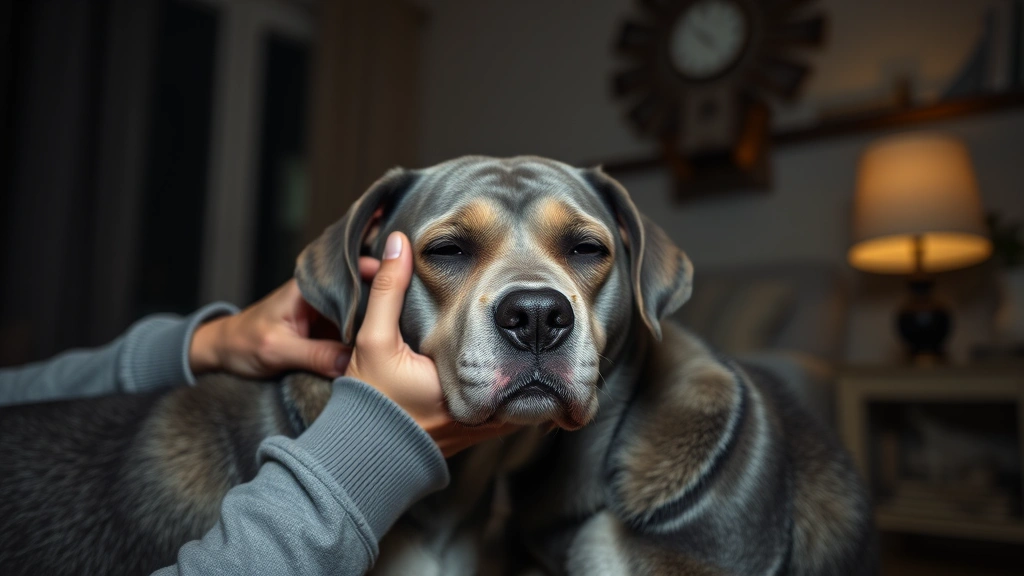
Consistency signals safety to aging dogs. Establish a calming bedtime routine about 30 minutes before sleep. This might include a gentle massage, a short bathroom break, and quiet time in their designated sleep space.
Some dogs respond well to calming music or white noise. Others benefit from the presence of a comfort item—a favorite blanket or a worn piece of your clothing. These simple touches can reduce anxiety and promote deeper sleep.
Avoid sudden schedule changes, as senior dogs thrive on predictability. If you need to adjust your dog’s sleep schedule, do it gradually over several days.
Frequently Asked Questions
Is it normal for senior dogs to sleep 16+ hours a day?
Yes, older dogs naturally sleep more than younger ones. However, if your senior dog is sleeping excessively AND seems confused or disoriented when awake, mention this to your vet to rule out cognitive dysfunction or other health issues.
Can melatonin help my aging dog sleep?
Melatonin may help some senior dogs, especially those with disrupted sleep-wake cycles. Always ask your veterinarian before giving melatonin, as dosing and safety depend on your dog’s specific health profile.
How do I know if my senior dog’s sleep problems are from pain or something else?
Pain typically causes restlessness, difficulty settling, and visible discomfort when moving. Cognitive issues often involve confusion or pacing at night. Your vet can help distinguish between causes through physical exam and bloodwork.
Should I give my senior dog medication for sleep?
Medication is one tool among many. Your vet may recommend it if pain, anxiety, or cognitive issues are significantly disrupting sleep. Often, environmental changes and routine improvements help first.
What if my senior dog wakes up confused at night?
Confusion upon waking can indicate cognitive dysfunction or disorientation from age-related changes. A nightlight, consistent routine, and your calming presence can help. Your vet may recommend supplements or medications to support cognitive function.
What To Do Now
- Schedule a geriatric wellness exam: Contact your veterinarian to discuss your senior dog’s sleep patterns and rule out underlying health issues. Bring notes about when sleep problems started and what you’ve observed.
- Evaluate the sleep environment: Assess your dog’s current sleeping space and upgrade to an orthopedic bed if needed. Ensure the area is quiet, dark, and at a comfortable temperature.
- Establish a consistent bedtime routine: Choose a set bedtime and create a 30-minute wind-down routine that includes a bathroom break, gentle activity, and calm time in the sleep space.
- Adjust feeding and water timing: Move meals earlier in the evening and reduce water intake 2-3 hours before bed to minimize nighttime disruptions.
- Plan daytime activity: Schedule a 15-20 minute gentle walk or play session earlier in the day to support healthy sleep-wake cycles without overstimulating your senior dog.
Summary
Geriatric dog sleep patterns change naturally with age, but that doesn’t mean your senior companion has to suffer through restless nights. By understanding what’s happening in your older dog’s body and combining environmental support with appropriate medical care, you can significantly improve their sleep quality and overall well-being.
Whether it’s managing pain, reducing anxiety, or simply creating a better sleep environment, there are proven solutions available. Work closely with your veterinarian to identify the root cause of your dog’s sleep issues and develop a personalized plan. Your senior dog deserves to spend their golden years sleeping soundly and waking refreshed—and with the right approach, that’s absolutely achievable.
Remember, small changes often lead to big improvements. Start with one or two adjustments this week, give them time to work, and build from there. Your aging dog will thank you with better rest and brighter days ahead.