
If you share your home with a Basset Hound, glaucoma is a condition worth knowing about long before it ever becomes a problem. This breed carries a higher genetic risk for primary glaucoma than many others, and because the disease can progress quietly at first, understanding what to watch for gives you a real chance to protect your dog’s eyes, comfort, and long-term quality of life.
Table of Contents
- What Is Glaucoma in Basset Hounds?
- Why Basset Hounds Are Prone to Glaucoma
- Primary vs Secondary Glaucoma
- Early Warning Signs to Watch For
- Sudden Symptoms That Need Emergency Care
- How Vets Diagnose Glaucoma
- Eye Pressure Testing Explained
- Treatment Options for Basset Hound Glaucoma
- Living with a Blind Basset Hound
- Managing Pain and Comfort
- Preventive Eye Exams and Screening
- The Role of Genetics and Responsible Breeding
- Home Monitoring Tips Between Vet Visits
- Diet, Lifestyle, and Supporting Eye Health
- When to See a Vet Immediately
What Is Glaucoma in Basset Hounds?
Glaucoma is a build-up of pressure inside the eye that happens when fluid isn’t draining the way it should. Under normal circumstances, the eye constantly produces and drains a small amount of fluid to stay healthy and maintain its shape. When drainage slows down or stops, pressure inside the eye climbs, and that pressure can damage the optic nerve and retina surprisingly fast.
In Basset Hounds specifically, this isn’t just bad luck. The breed has an inherited predisposition tied to the structure of the drainage angle inside the eye, meaning some dogs are simply born with plumbing that’s more likely to back up over time. This is why glaucoma shows up in this breed more often than in many others, and why it deserves your attention even if your dog’s eyes look perfectly normal today.
Why Basset Hounds Are Prone to Glaucoma
Basset Hounds are considered one of the breeds genetically predisposed to primary glaucoma, which means the tendency toward poor fluid drainage is often built into the eye’s anatomy rather than caused by an injury or another disease. This type of glaucoma frequently affects both eyes eventually, even if it starts in just one.
The breed’s characteristic loose, droopy facial skin and heavy lids can also make it harder to notice early changes, since a little redness or puffiness can easily be mistaken for normal Basset Hound features. This makes it even more important for owners of this breed to know the subtle signs rather than waiting for something dramatic to appear.
Primary vs Secondary Glaucoma
Primary glaucoma is the inherited form most closely associated with Basset Hounds, and it develops without any other underlying eye disease causing it. Secondary glaucoma, on the other hand, develops as a result of another problem in the eye, such as inflammation, a dislocated lens, a tumor, or trauma.
Your vet will want to understand which type your dog has because it changes the conversation around treatment and prognosis. Primary glaucoma tends to affect both eyes over time and often runs in family lines, while secondary glaucoma may resolve or stabilize once the underlying cause is treated. Either way, only a veterinarian can make this distinction through proper examination and testing.
Early Warning Signs to Watch For
The earliest signs of glaucoma are often easy to miss because they can be mild and easy to explain away. A slightly cloudy or bluish tint to the eye, subtle redness, or squinting more than usual are all worth paying attention to, especially if they seem to come and go.
Because Basset Hounds already have naturally droopy eyes and visible red conjunctiva along the lower lid, it can take a more practiced eye to catch when something is actually changing. That’s exactly why regular at-home checks and routine vet visits matter so much for this breed.
- Mild redness in the white part of the eye
- A slightly cloudy, hazy, or blue-tinted cornea
- Squinting or blinking more than usual
- Watery discharge that wasn’t there before
- One eye appearing subtly larger than the other
- Reluctance to have the face touched or petted
Sudden Symptoms That Need Emergency Care
Unlike the slow-building early signs, an acute glaucoma episode can come on fast and cause real pain. A dog experiencing a sudden spike in eye pressure may paw at the eye, keep it clamped shut, or seem generally distressed and unwell in a way that’s out of character.
This is considered a true eye emergency, not something to monitor overnight and reassess in the morning. Permanent vision loss from acute glaucoma can happen within hours, so if you notice any of the signs below, treat it as urgent and contact a vet or emergency animal hospital right away.
- Sudden, obvious bulging or enlargement of one eye
- Eye that appears very red, cloudy, or hazy overnight
- Dog pawing at or rubbing the eye repeatedly
- Yelping or clear signs of pain around the face
- Sudden clumsiness or bumping into furniture
- Complete closing of the eyelid that won’t open normally
How Vets Diagnose Glaucoma
When you bring your Basset Hound in for a suspected eye problem, your vet will start with a thorough physical exam of both eyes, comparing them for size, clarity, and any visible abnormalities. They’ll also ask about your dog’s history, including whether any relatives have had eye problems, since genetics play such a large role in this breed.
From there, diagnosis usually moves to specialized tools designed specifically to measure what’s happening inside the eye. This isn’t something you can assess at home, which is exactly why professional evaluation is so important the moment you notice anything unusual.
Eye Pressure Testing Explained
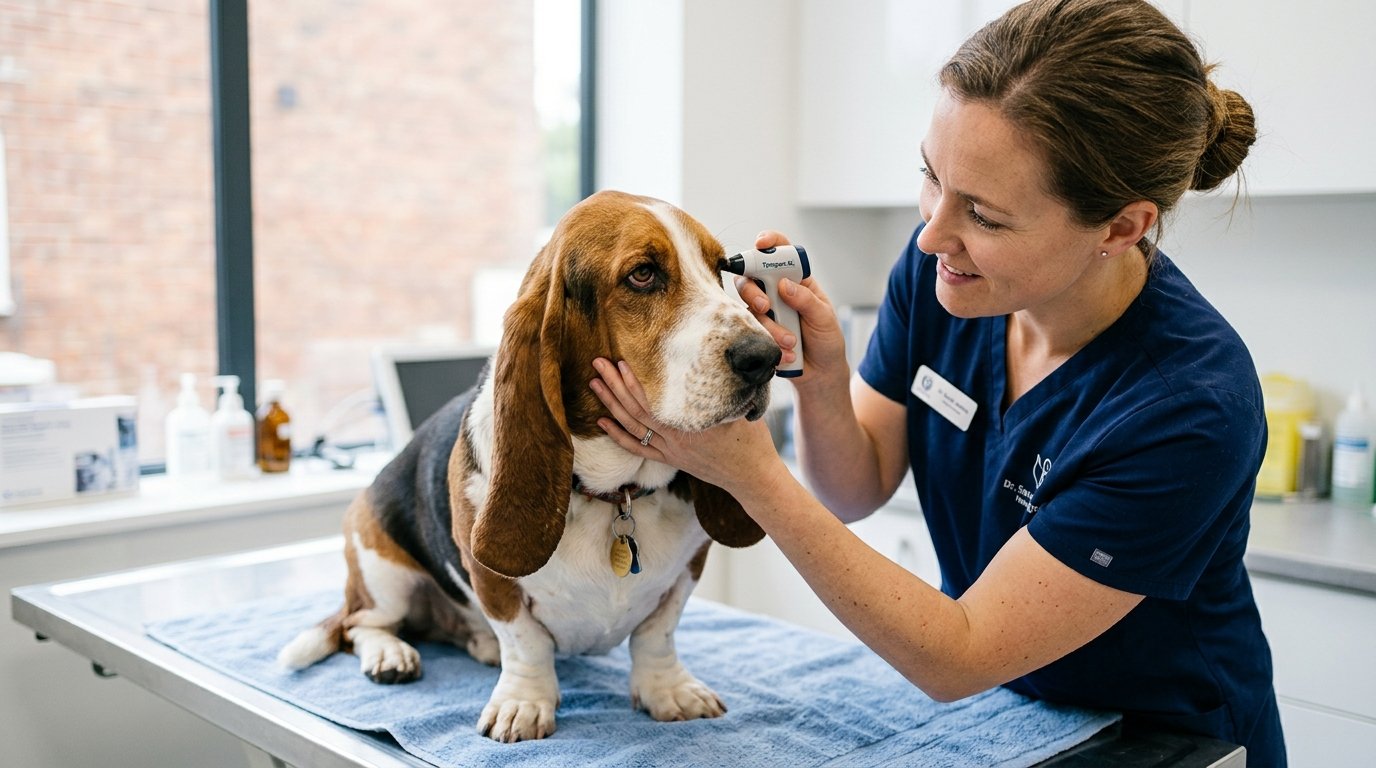
The main tool vets use to check for glaucoma is called tonometry, a quick and generally painless test that measures the pressure inside the eye using a small handheld device. Your vet will typically apply a numbing drop first, then gently touch the device to the surface of the eye to get a reading.
If pressure readings come back elevated, or if there’s a significant difference between the two eyes, your vet may recommend additional testing such as examining the drainage angle or checking for signs of damage to the optic nerve. These extra steps help confirm the diagnosis and guide the treatment plan that follows.
Treatment Options for Basset Hound Glaucoma
Treatment depends heavily on how advanced the condition is and whether one or both eyes are affected. In many cases, vets start with medications aimed at lowering eye pressure and reducing fluid production, and your vet will explain exactly how and when these should be given for your dog’s specific situation.
In more advanced cases, or when medication alone isn’t controlling pressure effectively, surgical options may be discussed, including procedures aimed at improving drainage or, when vision can’t be saved, removing the affected eye to eliminate ongoing pain. This can sound frightening to hear, but for many dogs it leads to a far more comfortable life than living with chronic, painful pressure. Every decision here should be made together with your veterinarian, based on what’s realistic and best for your individual dog.
Living with a Blind Basset Hound
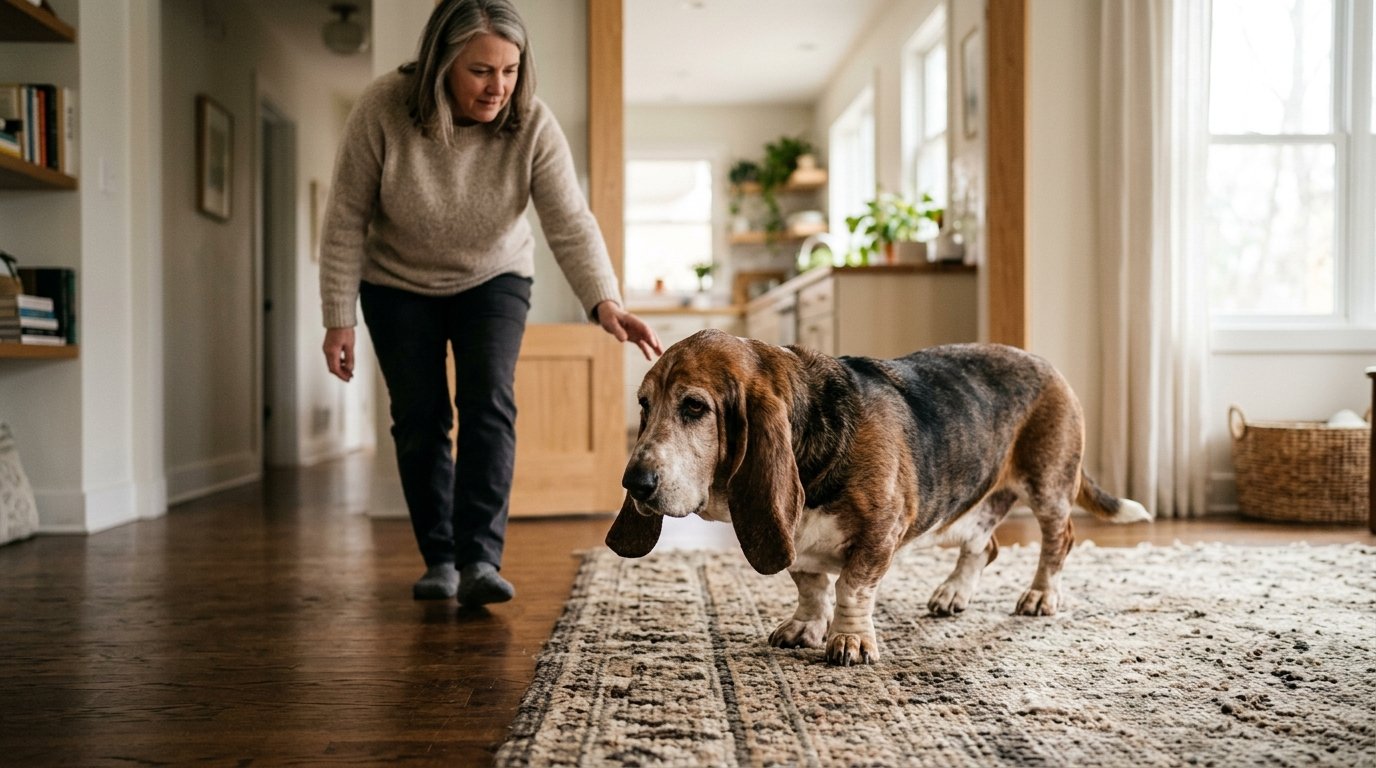
Many owners are surprised at how well dogs adapt to vision loss, and Basset Hounds are no exception. This breed already relies heavily on its incredible sense of smell to navigate the world, which gives them a real advantage when sight becomes limited.
Keeping furniture in consistent places, using verbal cues before touching your dog, and adding textured mats near stairs or doorways can all help a visually impaired Basset Hound move through the home with confidence. Patience during this adjustment period matters, and most dogs settle into a new normal faster than their worried owners expect.
- Keep furniture and food bowls in the same spots
- Use consistent verbal cues before petting or picking up your dog
- Add textured rugs near stairs, doorways, and room transitions
- Avoid rearranging rooms unnecessarily
- Use scent cues, like a certain candle or diffuser, near key areas
Managing Pain and Comfort
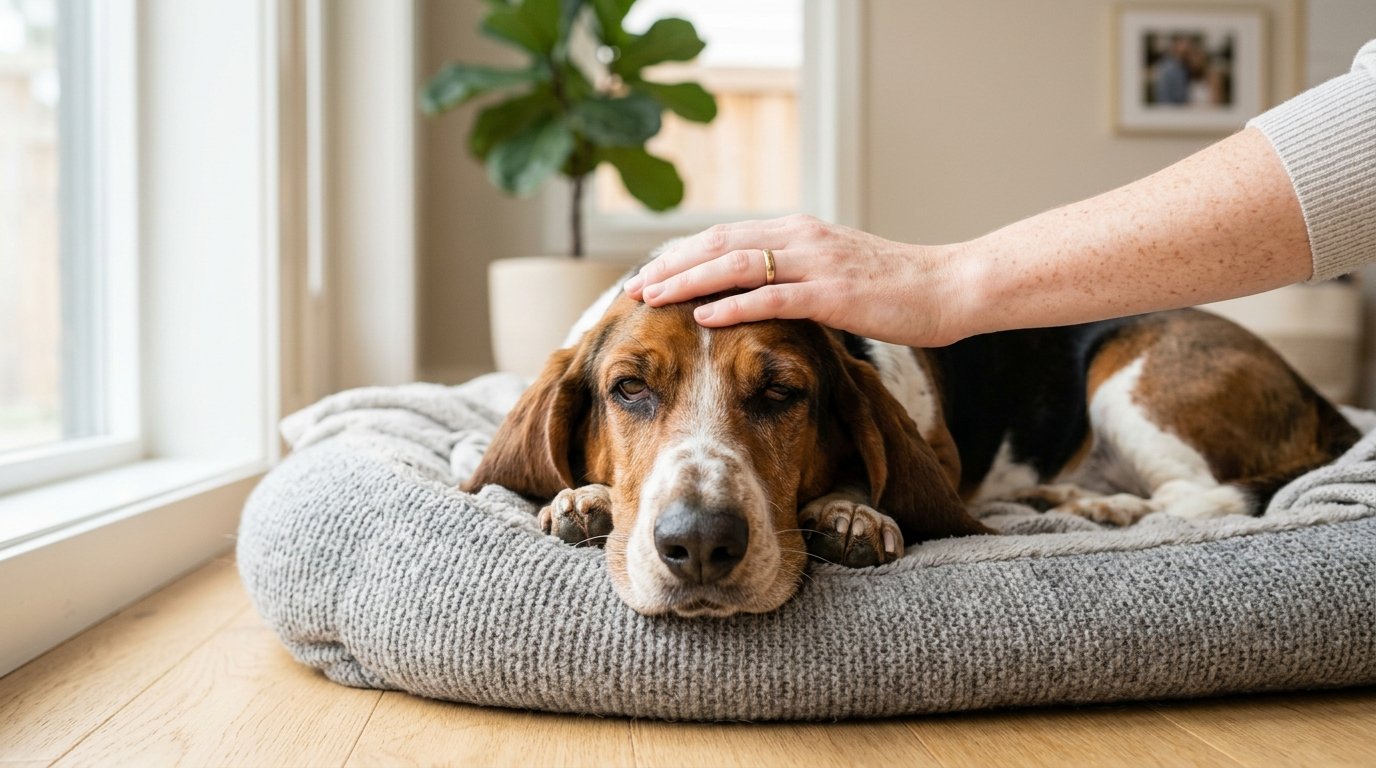
Glaucoma isn’t just about vision, it’s often genuinely painful, even when a dog isn’t showing obvious signs of distress. Dogs are skilled at masking discomfort, so don’t assume your Basset Hound is pain-free just because they’re still eating and wagging their tail.
Your vet may recommend ongoing pain management alongside pressure-lowering treatment, especially in eyes that are no longer visual but still uncomfortable. Never give human pain medications or anything not specifically prescribed for your dog, since many common over-the-counter options are dangerous for dogs. Always follow your vet’s specific guidance on managing your dog’s comfort.
Preventive Eye Exams and Screening
Because Basset Hounds carry a higher genetic risk, many veterinary ophthalmologists recommend baseline eye pressure checks starting in early adulthood, even before any symptoms appear. This gives you a normal reference point for your individual dog, making it easier to spot changes later.
Annual or semi-annual eye exams as part of your dog’s regular wellness visits can catch subtle shifts long before they become emergencies. If your Basset Hound comes from a line with a known history of eye problems, mention this to your vet so they can tailor a monitoring schedule that fits your dog’s specific risk level.
The Role of Genetics and Responsible Breeding
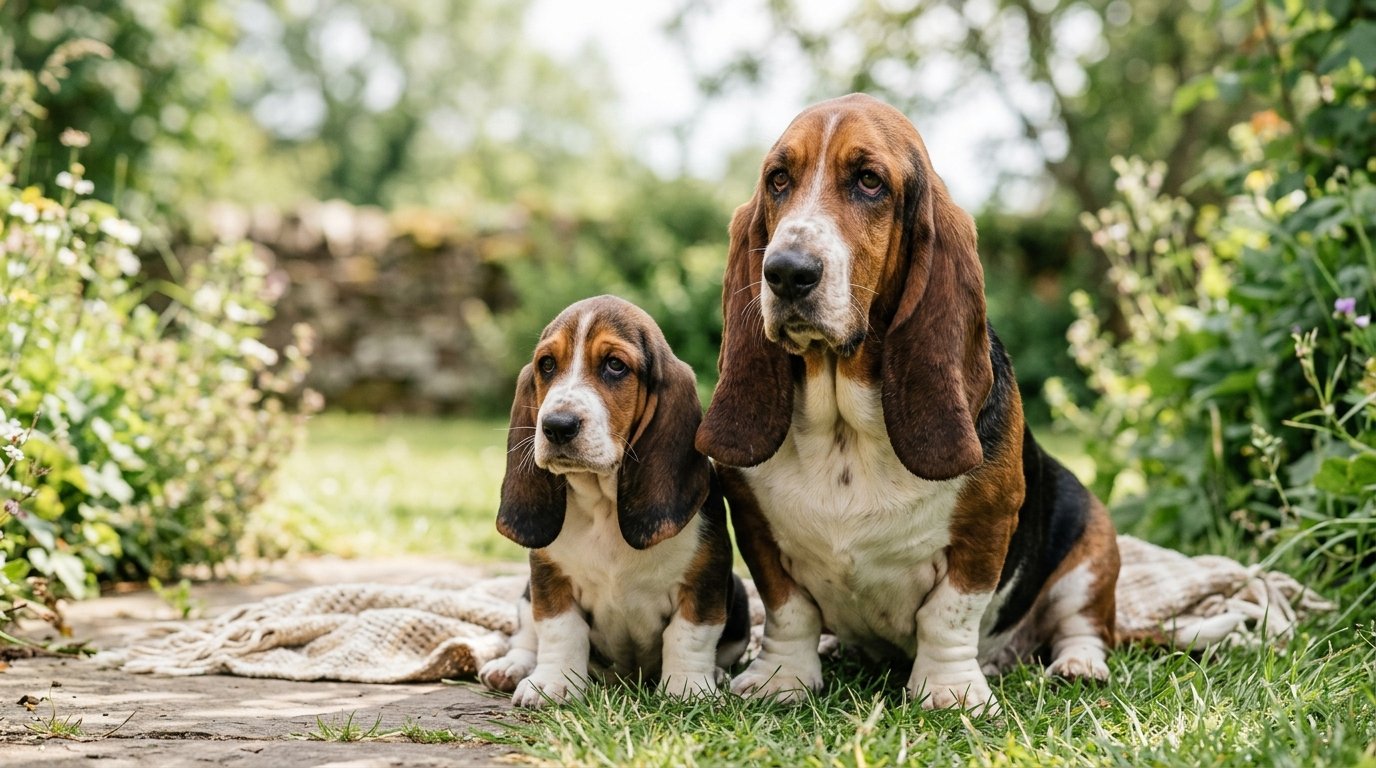
If you’re considering adding another Basset Hound to your family, or if you’re a breeder yourself, understanding the hereditary nature of primary glaucoma matters. Responsible breeders often work with veterinary ophthalmologists to screen breeding dogs and avoid passing on known risk factors.
Asking a breeder about the eye health history of a puppy’s parents and grandparents isn’t overstepping, it’s a reasonable question for a breed with this predisposition. While no screening process can guarantee a puppy will never develop glaucoma, it can meaningfully reduce the odds and gives you more information going in.
Home Monitoring Tips Between Vet Visits
You don’t need special equipment to keep an eye on your Basset Hound’s eye health between appointments. A simple habit of looking closely at both eyes a few times a week, in good lighting, can help you notice small changes before they become bigger problems.
Take a moment to compare both eyes side by side, checking for differences in redness, clarity, or size. Snapping a quick photo periodically can also be genuinely helpful, since it gives you and your vet something concrete to compare against if you ever suspect something has changed.
- Check both eyes in bright, natural light a few times weekly
- Compare size, clarity, and redness side by side
- Watch for excessive tearing, squinting, or pawing at the face
- Take periodic photos to track subtle changes over time
- Note any behavior changes like bumping into objects
Diet, Lifestyle, and Supporting Eye Health
While diet alone can’t prevent or cure glaucoma, general good health supports your dog’s overall resilience, including eye health. Keeping your Basset Hound at a healthy weight, providing regular gentle exercise suited to their long back and short legs, and feeding a balanced diet all contribute to their overall wellbeing.
If your vet has recommended specific supplements or dietary adjustments as part of managing an existing eye condition, follow that guidance closely rather than trying alternative remedies you’ve read about online. What works for one dog’s eye health may not be appropriate for another, and your vet is best positioned to advise on your dog’s specific needs.
When to See a Vet Immediately
Any sudden change in your Basset Hound’s eyes deserves prompt veterinary attention, and when it comes to glaucoma, timing genuinely affects the outcome. The difference between calling your vet the same day symptoms appear versus waiting a few days can be the difference between saving vision and losing it permanently.
If you notice redness, cloudiness, unusual squinting, or any sign that your dog is in eye pain, don’t wait to see if it resolves on its own. Contact your veterinarian or the nearest emergency animal hospital right away, and trust that erring on the side of caution is always the right call when your dog’s eyesight and comfort are on the line.
This article is for general education and is not a substitute for care from your own veterinarian. Learn about The Pet Vet and our editorial policy.