
Discovering that your beloved cat may be experiencing hemorrhoids in cats can feel alarming—but you’re not alone in facing this uncomfortable condition. While hemorrhoids are far less common in felines than in humans, they do occur and can cause genuine discomfort for your furry companion. The good news? With the right understanding and veterinary guidance, you can help your cat feel better quickly.
Table of Contents
- What Are Hemorrhoids and Why Do Cats Get Them?
- Recognizing the Signs: How to Tell if Your Cat Has Hemorrhoids
- When to Seek Veterinary Care for Your Cat
- Dietary Changes: The Foundation of Hemorrhoid Relief
- Medications and Treatment Options for Hemorrhoids in Cats
- Home Care and Comfort Measures
- Nutrition for Long-Term Digestive Health
- Preventing Hemorrhoids in Cats: Proactive Strategies
- When Hemorrhoids Indicate a Bigger Issue
- Frequently Asked Questions
- What To Do Now
- Summary: Supporting Your Cat Through Hemorrhoid Recovery
This article is for informational purposes only and is not a substitute for professional veterinary advice. Always consult a licensed veterinarian for diagnosis and treatment.
What Are Hemorrhoids and Why Do Cats Get Them?
Hemorrhoids are swollen blood vessels in or around the rectal area. In cats, they’re relatively rare compared to other digestive issues, but they can develop when there’s excessive straining during bowel movements or increased pressure in the rectal veins.
The most common culprits behind feline hemorrhoids include chronic constipation, inflammatory bowel disease (IBD), or sudden dietary changes that disrupt normal digestion. Some cats with poor anal gland health may also experience related rectal discomfort that mimics hemorrhoid symptoms.
Understanding the root cause is essential because treating the underlying issue—not just the hemorrhoid itself—is what brings lasting relief to your cat.
Recognizing the Signs: How to Tell if Your Cat Has Hemorrhoids
Your cat can’t tell you where it hurts, so watching for behavioral changes is crucial. If your cat is experiencing hemorrhoid-related discomfort, you might notice:
- Excessive licking or grooming around the rear end
- Straining during litter box visits or difficulty passing stool
- Blood or mucus in the stool or on the litter box
- Scooting across the floor or furniture
- Reluctance to sit or visible discomfort when defecating
- Changes in appetite or lethargy
Catching these early signs puts you in a great position to help your cat before the condition worsens. If you notice any of these symptoms, a veterinary evaluation is your next best step.
When to Seek Veterinary Care for Your Cat
Not every rear-end issue is a hemorrhoid—some symptoms overlap with anal gland problems, parasites, or infections. Your veterinarian can perform a physical exam and, if needed, take a small sample to rule out other conditions.
You should contact your vet promptly if your cat shows signs of rectal bleeding, persistent straining, or behavioral changes lasting more than a day or two. If you’re unsure whether your pet needs urgent care, a quick telehealth check-in with The Pet Vet can give you peace of mind—no appointment needed.
Bloody stools or severe straining warrant same-day evaluation, especially if your cat seems to be in pain or has stopped eating normally.
Dietary Changes: The Foundation of Hemorrhoid Relief
Diet plays a starring role in preventing and managing hemorrhoids in cats. Constipation is often the root cause, and the right nutrition can make a world of difference.
Increasing fiber intake through high-quality wet food or prescription diets designed for digestive health can soften stool and reduce straining. Many cats also benefit from staying well-hydrated—wet food naturally provides more moisture than dry kibble.
If your cat has been eating the same food for years, a gradual transition to a gentler, more digestive-friendly option may help. For cats with inflammatory bowel disease, a specialized IBD diet for cats can address both inflammation and digestive comfort. Avoid foods cats should avoid that might trigger digestive upset, and consider incorporating safe human foods for cats like pumpkin puree for natural fiber support.
Medications and Treatment Options for Hemorrhoids in Cats
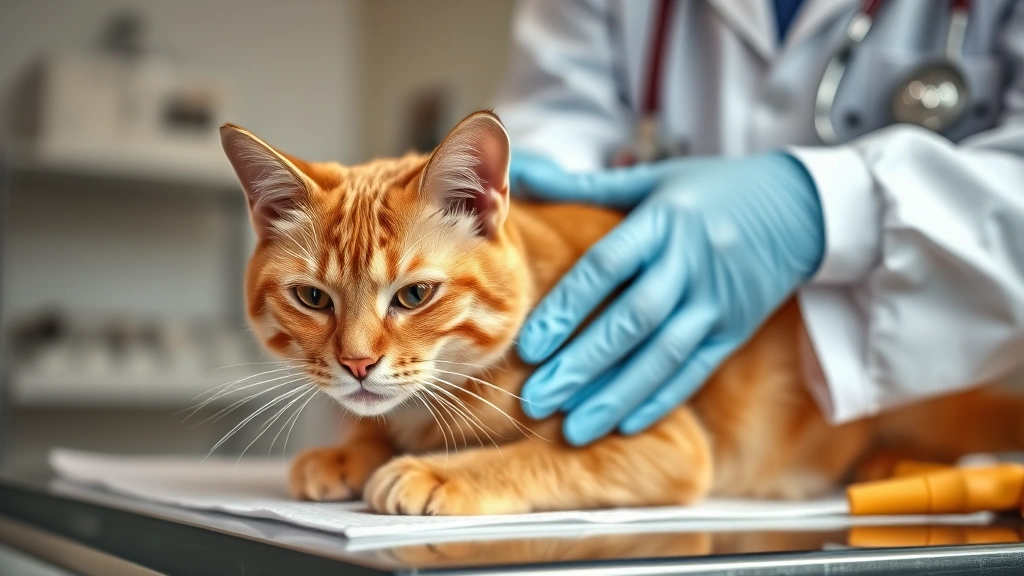
Your veterinarian may recommend various approaches depending on your cat’s specific situation. While topical hemorrhoid creams designed for humans are generally not recommended for cats due to absorption concerns, your vet may suggest feline-safe alternatives.
Anti-inflammatory medications may be prescribed to reduce swelling and discomfort. Stool softeners can ease the strain during bowel movements, making the process less painful. In some cases, addressing an underlying condition—like feline urinary tract infection or anal gland impaction—resolves the hemorrhoid issue entirely.
Your veterinarian will determine the best medication plan based on your cat’s age, overall health, and the severity of symptoms. Never apply human hemorrhoid treatments to your cat without explicit veterinary approval.
Home Care and Comfort Measures
While medications work their magic, several home-based strategies can ease your cat’s discomfort and support healing.
Warm baths (if your cat tolerates them) can soothe the rectal area for 5-10 minutes. Ensure the water is lukewarm, never hot. Keep the litter box clean and easily accessible—a stressed cat that avoids the box will only worsen constipation.
Consider these additional comfort measures:
- Provide multiple litter boxes in quiet, low-stress locations
- Use soft, dust-free litter that won’t irritate sensitive skin
- Encourage gentle play and movement to promote healthy digestion
- Monitor water intake and ensure fresh water is always available
- Maintain a calm home environment, as stress can worsen digestive issues
These simple steps create an environment where your cat’s body can focus on healing.
Nutrition for Long-Term Digestive Health
Beyond treating the immediate hemorrhoid issue, supporting your cat’s digestive system long-term prevents recurrence. Quality protein, balanced nutrients, and appropriate fiber levels are non-negotiable.
Cats with chronic digestive concerns may benefit from low phosphorus cat food if kidney health is a concern, or specialized formulas that support gut flora balance. Additionally, proper nutrition contributes to overall feeding for coat health and immune function, which supports digestive resilience.
Work with your veterinarian to develop a long-term feeding plan that addresses both the hemorrhoid issue and your cat’s unique nutritional needs.
Preventing Hemorrhoids in Cats: Proactive Strategies
Prevention is always easier than treatment. Once your cat recovers from hemorrhoids, implementing these habits reduces the likelihood of recurrence.
Maintain consistent, high-quality nutrition that supports digestive health. Ensure your cat drinks adequate water—consider a cat water fountain, as many felines prefer moving water. Regular veterinary check-ups catch digestive issues early before they escalate into hemorrhoids.

Minimize stress through enrichment, play, and a stable routine. Keep your cat at a healthy weight, as obesity can increase abdominal pressure and digestive strain. Monitor litter box habits and report changes immediately to your vet.
When Hemorrhoids Indicate a Bigger Issue
Sometimes hemorrhoids are a red flag for underlying conditions that need attention. Chronic constipation might signal a thyroid problem or kidney disease. Repeated straining could indicate inflammatory bowel disease or food sensitivities.
Your veterinarian will help determine whether the hemorrhoid is a standalone issue or part of a larger health picture. This is especially important for older cats or those with other health concerns.
Frequently Asked Questions
Can cats get hemorrhoids like humans do?
Yes, cats can develop hemorrhoids, though they’re less common than in humans. They typically result from straining, constipation, or inflammatory conditions affecting the rectal area.
Are hemorrhoids in cats dangerous?
Hemorrhoids themselves are usually not life-threatening, but they indicate an underlying issue that needs addressing. Persistent straining or bleeding warrants veterinary evaluation to rule out serious conditions.
How long does it take for cat hemorrhoids to heal?
With proper treatment and dietary adjustments, most cats show improvement within 1-2 weeks. Complete resolution depends on addressing the root cause and your cat’s individual healing timeline.
Can I use human hemorrhoid cream on my cat?
No, human hemorrhoid products are not recommended for cats without explicit veterinary approval. Your vet can suggest feline-safe alternatives if topical treatment is appropriate.
What should I feed a cat with hemorrhoids?
Focus on high-quality wet food with adequate fiber, proper hydration, and easily digestible ingredients. Your veterinarian may recommend a prescription diet tailored to your cat’s specific digestive needs.
What To Do Now
- Schedule a veterinary appointment to confirm the diagnosis and rule out other conditions causing your cat’s symptoms.
- Discuss dietary adjustments with your vet and gradually transition to a digestive-friendly food that supports healthy bowel movements.
- Implement home comfort measures such as multiple clean litter boxes, soft litter, and increased water availability to ease your cat’s discomfort.
- Monitor your cat’s progress daily, tracking litter box habits and any changes in behavior or symptoms to report back to your veterinarian.
- Consider a telehealth check-in with The Pet Vet if you need guidance between appointments or want peace of mind about your cat’s condition.
Summary: Supporting Your Cat Through Hemorrhoid Recovery
Hemorrhoids in cats are uncomfortable but highly manageable with the right approach. By combining veterinary guidance, dietary adjustments, and home care, you can help your feline friend feel better quickly.
Remember that hemorrhoids often signal an underlying digestive issue—addressing the root cause prevents recurrence and supports your cat’s long-term health. Your veterinarian is your best partner in this journey, and resources like The Pet Vet’s telehealth services make expert guidance accessible whenever you need it.
Your cat depends on you to notice these signs and take action. The fact that you’re reading this article shows you’re already a caring, attentive pet parent. With patience and proper care, your cat will be back to their comfortable, happy self soon.