
Herding behavior in Border Collies is one of the most talked about traits of the breed, and for good reason. That intense stare, the crouching walk, the urge to circle anything that moves, it is all baked into their genetics. But when herding starts to interfere with daily life, nipping at kids, chasing cars, or obsessively stalking the cat, it is worth understanding what is driving it and how you can help.
Table of Contents
- What Herding Instinct Really Is
- Why Border Collies Are Wired This Way
- Normal Herding vs Problem Behavior
- Common Triggers That Set Off Herding
- Herding and Nipping Behavior Around Children
- Herding Cars, Bikes, and Joggers
- Obsessive Eye and Stalking Behavior
- Herding Other Pets in the Home
- The Role of Under-Stimulation
- Physical Exercise Needs
- Mental Enrichment and Jobs to Give Your Dog
- Training Techniques to Redirect Herding
- When Herding Signals Anxiety or Compulsion
- When to See a Vet or Behaviorist
- Building a Better Routine Long Term
What Herding Instinct Really Is
Herding instinct is not a trained skill, it is a modified version of predatory behavior that has been selectively bred into certain dogs for generations. Border Collies were developed specifically to gather, control, and move livestock across large stretches of land, often with very little direction from a handler. That job required a dog who could read movement, anticipate where an animal was going, and react instantly.
In practical terms, this means your dog may naturally want to stare, stalk, chase, circle, and sometimes nip at heels, all without ever being taught to do so. It is simply how the breed is wired. Understanding this helps you respond to the behavior with patience rather than frustration, because you are not dealing with disobedience, you are dealing with instinct that needs an outlet.
Why Border Collies Are Wired This Way
Border Collies are widely considered one of the most intelligent and driven working breeds, and that combination of intelligence and drive is exactly why herding instinct shows up so strongly in this breed compared to others. Their brains are built to problem solve, track movement, and make split second decisions, all skills that were essential for controlling sheep on open hillsides.
This is also why Border Collies tend to struggle more than many other breeds when they are left without a job to do. A dog bred to work eight or more hours a day outdoors does not simply switch that drive off because it now lives in a house or apartment. The instinct is still there, and it will find an outlet one way or another, whether that outlet is appropriate or not.
Normal Herding vs Problem Behavior
Some level of herding behavior is completely normal and even expected in this breed. A Border Collie who occasionally circles the family during a walk, gives an intense stare toward a moving object, or tries to gently guide children into a group is showing typical breed behavior, not a problem that needs fixing.
Herding crosses into problem territory when it becomes repetitive, difficult to interrupt, or when it causes harm or distress. If your dog nips at ankles hard enough to leave marks, cannot stop staring at one object for extended periods, or becomes so fixated on movement that it ignores you completely, that is a sign the behavior needs some structure and redirection.
Common Triggers That Set Off Herding
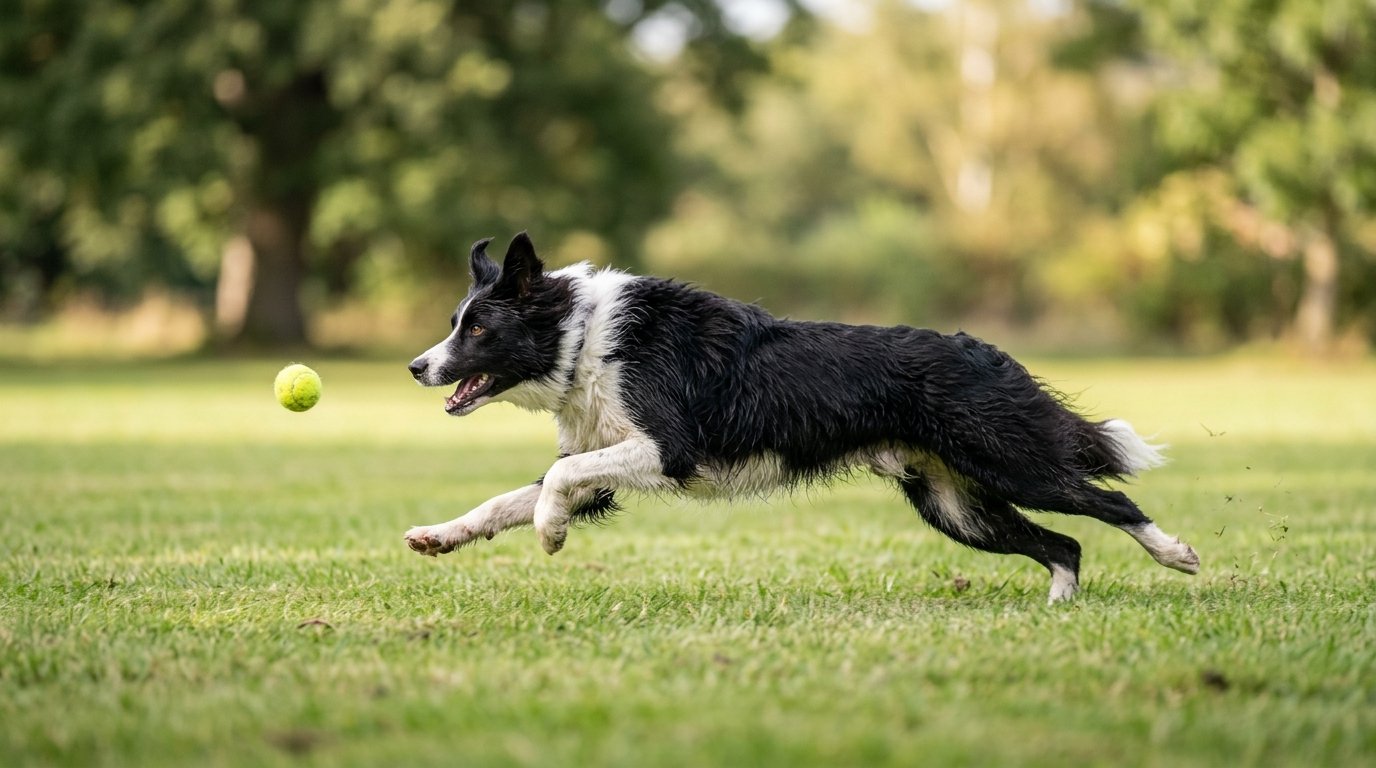
Herding behavior is almost always triggered by movement, and Border Collies are remarkably sensitive to it. Fast moving objects, sudden changes in direction, and groups of moving things, whether that is children playing tag or a flock of birds, tend to activate the instinct most strongly.
Recognizing your dog’s specific triggers is one of the most useful things you can do as an owner, because it allows you to anticipate the behavior before it starts rather than reacting after the fact.
- Children running or playing chase games in the yard
- Bicycles, skateboards, or joggers passing by
- Other pets moving quickly, especially cats or smaller dogs
- Vacuum cleaners, lawnmowers, or other moving household items
- Cars, especially at a distance on quiet streets
Herding and Nipping Behavior Around Children
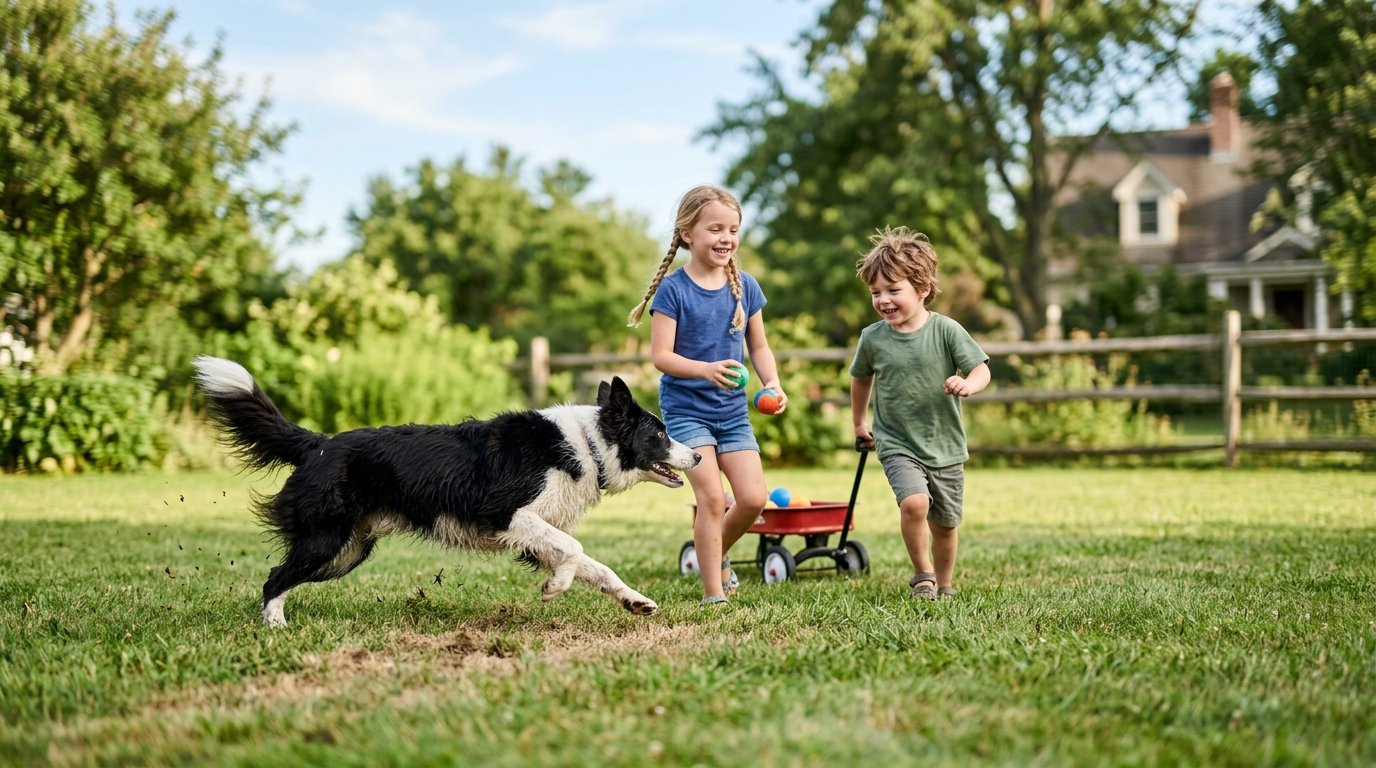
One of the more concerning versions of herding behavior involves nipping, especially around children. Because Border Collies were bred to control livestock with quick nips at the heels, some dogs redirect this same behavior toward fast moving kids, particularly during energetic play like running or tag.
This does not mean your dog is aggressive, but it does mean the behavior needs to be managed closely, especially in homes with young children. Supervision during active play is essential, and it is a good idea to teach children to stop moving and stand still if the dog begins to circle or nip, since sudden stillness often ends the herding response.
Herding Cars, Bikes, and Joggers
Chasing or attempting to herd cars, bicycles, and joggers is a common and genuinely dangerous version of this instinct. A dog fixated on a passing vehicle can bolt into the street without any awareness of traffic, which puts both the dog and nearby people at serious risk.
This behavior usually needs to be managed through a combination of physical safety measures, such as secure fencing and a sturdy leash, along with consistent training that teaches your dog an alternative response when triggering movement appears. Never assume this behavior will simply fade with age, since for many Border Collies it can persist or even intensify without intervention.
Obsessive Eye and Stalking Behavior
The intense stare known in herding circles as eye is a signature Border Collie trait, and in small doses it is completely normal. Some dogs, however, develop a version of this stare that becomes almost impossible to break, locking onto an object or point in space for extended periods without responding to their name or other cues.
When staring and stalking behavior becomes prolonged, repetitive, and hard to interrupt even with strong distractions, it can start to resemble a compulsive pattern rather than simple instinct. This is worth mentioning to your vet, since prolonged fixation of this kind can sometimes be linked to underlying anxiety or a compulsive disorder rather than typical working drive.
Herding Other Pets in the Home
Cats, smaller dogs, and even children’s pet rabbits can become unwilling targets of a Border Collie’s herding instinct. This often shows up as constant circling, blocking the other pet’s path, or nudging and nipping to try to move them in a particular direction.
For most other animals in the household, this behavior is stressful rather than playful, and it can lead to real tension between pets over time. Giving your dog a structured outlet for herding drive, along with clear boundaries about which behaviors are acceptable indoors, can go a long way toward keeping the peace between pets.
The Role of Under-Stimulation
A significant amount of problem herding behavior comes down to a simple issue, not enough physical or mental stimulation for a breed that genuinely needs a lot of both. When a Border Collie’s daily needs are not being met, the dog will often channel that extra energy into whatever moving target is available, whether that is a car, a child, or the family cat.
Owners are sometimes surprised by how much of a difference increasing daily activity makes to problem behaviors. A dog who is mentally and physically tired at the end of the day simply has less leftover drive to direct toward herding household members or fixating on passing traffic.
Physical Exercise Needs
Border Collies generally need substantially more exercise than the average dog breed, and a short walk around the block is rarely enough to satisfy that need. Activities that involve running, changing direction, and using their body athletically tend to be far more effective at burning off herding energy than a slow, steady walk.
It is worth remembering that exercise needs can vary quite a bit between individual dogs depending on age, health, and how they were raised, so it is worth talking with your vet about an appropriate exercise routine for your specific dog rather than assuming more is always better.
- Long off leash runs in a securely fenced area
- Games of fetch that involve sprinting and quick turns
- Structured dog sports like agility or flyball
- Hiking on varied terrain to engage both body and mind
- Swimming, for dogs who enjoy water and have no health restrictions
Mental Enrichment and Jobs to Give Your Dog
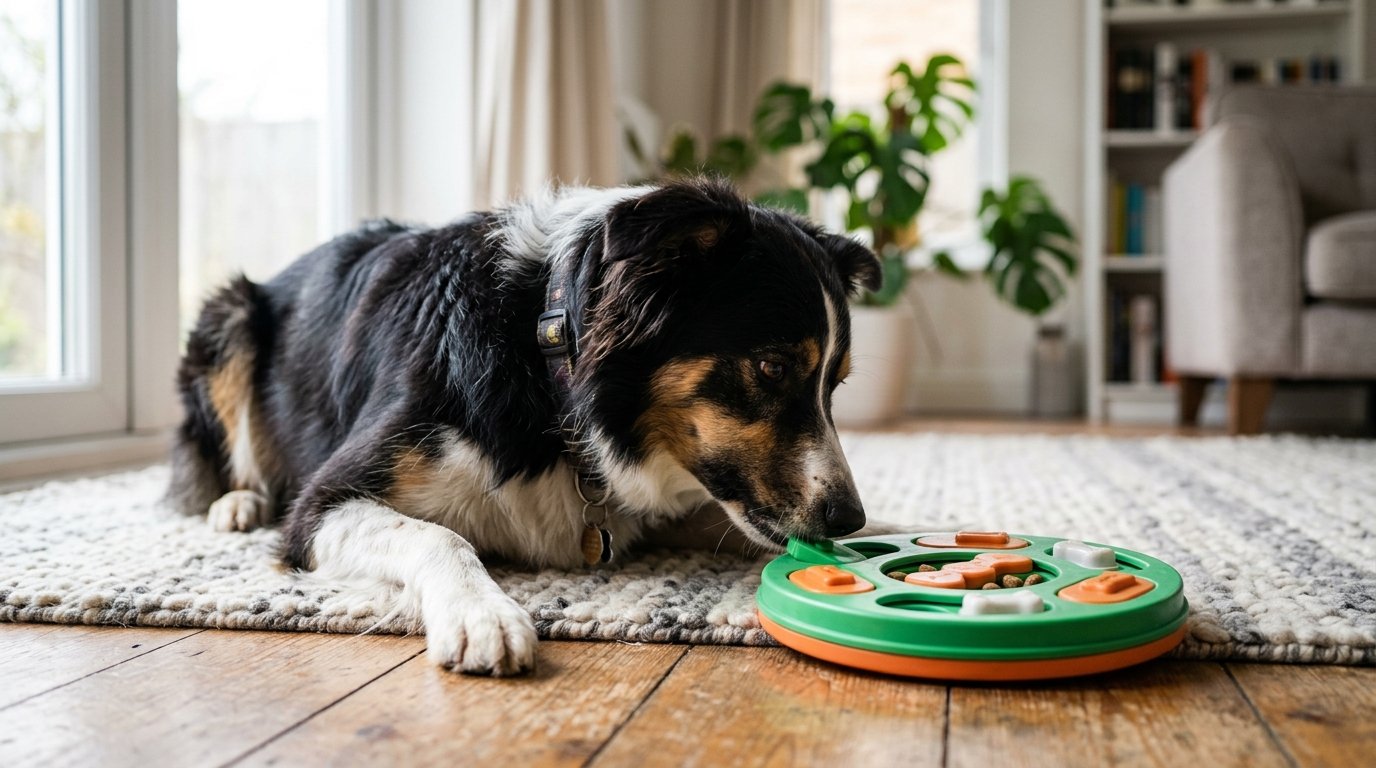
Physical exercise alone often is not enough for this breed, because Border Collies were bred to think and problem solve, not just move. Giving your dog a job, even a simple one, can dramatically reduce the urge to herd inappropriate targets like children or passing cars.
Many owners find that structured tasks give their dog a sense of purpose that channels the herding instinct into something constructive instead of something disruptive.
- Puzzle feeders or scent based games that require problem solving
- Trick training sessions focused on learning new skills
- Herding balls or treibball, which allow dogs to push and move objects
- Teaching useful household tasks, like retrieving specific items by name
- Rotating toys regularly to keep interest and engagement high
Training Techniques to Redirect Herding
Rather than trying to eliminate herding instinct entirely, which is rarely realistic or fair to the dog, most trainers recommend redirecting it toward acceptable outlets. Teaching a strong recall, a reliable stop cue, and an alternative behavior your dog can offer instead of chasing or nipping gives the instinct somewhere productive to go.
Consistency across everyone in the household matters a great deal here. If one family member allows chasing games that trigger herding while another tries to discourage it, your dog will struggle to understand what is actually expected, and the behavior is likely to persist longer than it needs to.
When Herding Signals Anxiety or Compulsion
While most herding behavior is simply instinct looking for an outlet, there are times when it can point to something more concerning, such as underlying anxiety or a compulsive disorder. Signs that suggest this possibility include herding behavior that continues even when the dog seems distressed rather than engaged, an inability to disengage from the behavior even when called firmly, or herding that escalates rather than settling with more exercise and enrichment.
If you notice these patterns, it is important not to assume this is simply a breed quirk that will resolve on its own. A veterinarian or a certified veterinary behaviorist can help determine whether the behavior has an anxiety based component and can recommend an appropriate management plan tailored to your dog.
When to See a Vet or Behaviorist
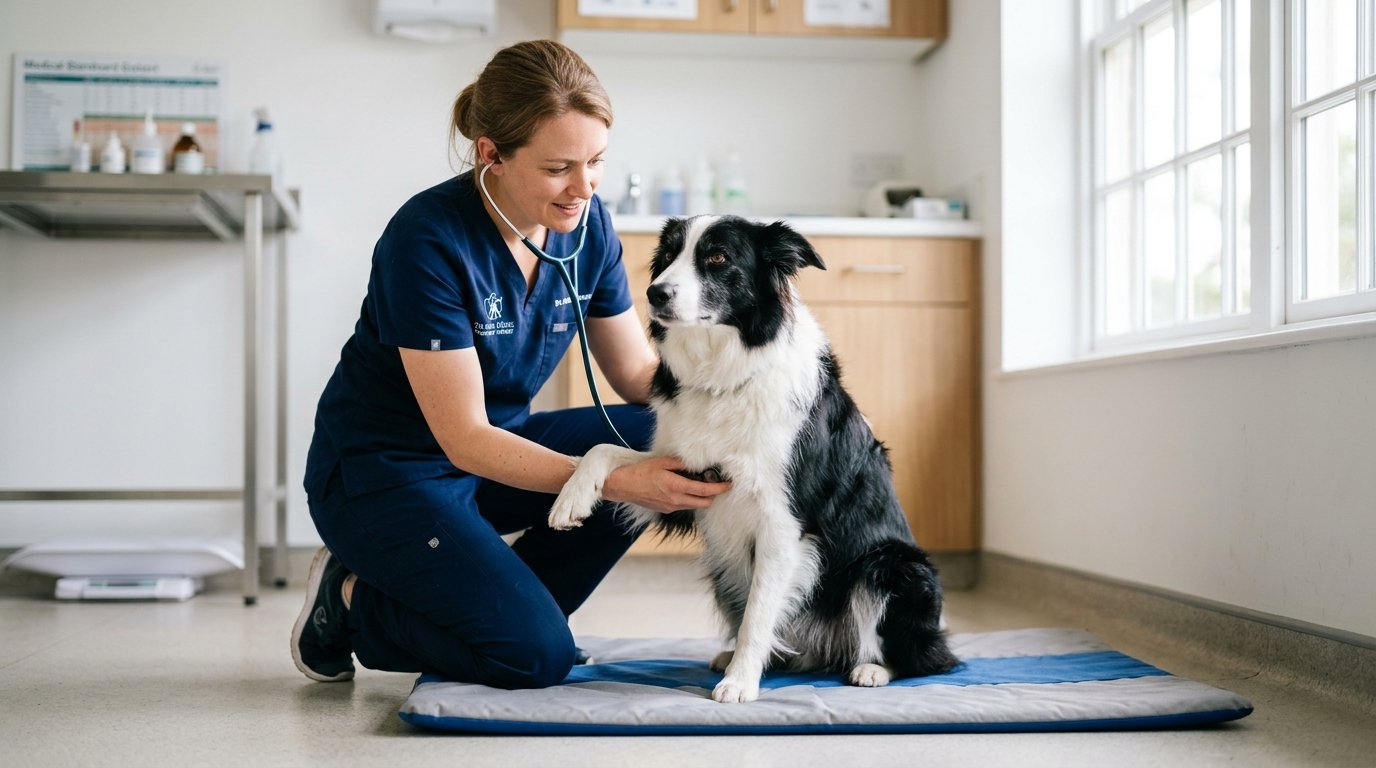
It is worth scheduling a conversation with your vet if herding behavior is causing injury to people or other pets, if it seems to be getting worse over time despite your efforts, or if your dog appears unable to calm down or focus on anything else once triggered. Your vet can also rule out underlying medical issues, since pain, vision changes, or other health conditions can sometimes intensify fixation type behaviors.
From there, your vet may refer you to a certified professional dog trainer or veterinary behaviorist who specializes in working breeds. This kind of specialized guidance can be especially valuable for Border Collies, since generic training advice does not always account for how strong and specific their herding drive can be.
Building a Better Routine Long Term
Managing herding behavior in a Border Collie is rarely a one time fix, it is an ongoing part of living with this breed. The goal is not to suppress the instinct completely, but to build a daily routine that gives your dog enough appropriate physical activity, mental work, and clear guidance that the instinct has a healthy place to go.
With consistency, patience, and support from your vet or a qualified trainer when needed, most families find that herding behavior becomes a manageable and even endearing part of life with their dog, rather than a constant source of stress.
This article is for general education and is not a substitute for care from your own veterinarian. Learn about The Pet Vet and our editorial policy.