
Hip dysplasia in Australian Shepherds is more common than many owners realize, especially given how active and athletic this breed tends to be. Because Aussies are bred to run, herd, and leap with enthusiasm, early joint trouble can be easy to miss until it’s already affecting your dog’s quality of life. This guide walks you through what causes hip dysplasia, the signs to watch for, and how to work with your vet to keep your dog comfortable for years to come.
Table of Contents
- What Hip Dysplasia Actually Is
- Why Australian Shepherds Are at Risk
- Early Warning Signs to Watch For
- How Vets Diagnose the Condition
- Lifestyle Adjustments That Help
- Medical and Surgical Options
- Living With an Aussie Who Has Hip Dysplasia
- The Role of Nutrition in Joint Health
- When to Call the Vet
- Screening Before You Bring Home a Puppy
- Supporting an Active Breed Through Joint Limitations
- Final Thoughts for Worried Owners
What Hip Dysplasia Actually Is
Hip dysplasia is a developmental condition where the ball and socket of the hip joint don’t fit together the way they should. Instead of gliding smoothly, the joint becomes loose or unstable, which causes abnormal wear over time. In a healthy hip, the femoral head sits snugly in the socket and moves with minimal friction. When the fit is poor, every step, jump, and turn puts extra stress on cartilage and bone.
Over months or years, this abnormal wear leads to inflammation, and eventually to arthritis in the joint. The severity can range from mild looseness that causes few symptoms to significant instability that noticeably limits movement. Because Australian Shepherds are a medium-to-large, physically active breed, the condition can show up earlier and more dramatically than it might in a smaller, less active dog.
It’s worth noting that hip dysplasia isn’t something that happens overnight. It develops gradually, often starting in puppyhood even if symptoms don’t appear until adulthood. That gradual timeline is actually good news for owners, because it means there’s often a window to intervene before serious damage sets in.
Why Australian Shepherds Are at Risk
Hip dysplasia has a strong genetic component, and Australian Shepherds are among the breeds where it appears with some regularity. Dogs bred from parents with unknown or poor hip conformation are more likely to inherit the trait, which is why reputable breeders screen their breeding dogs before placing puppies. That said, genetics isn’t the whole story.
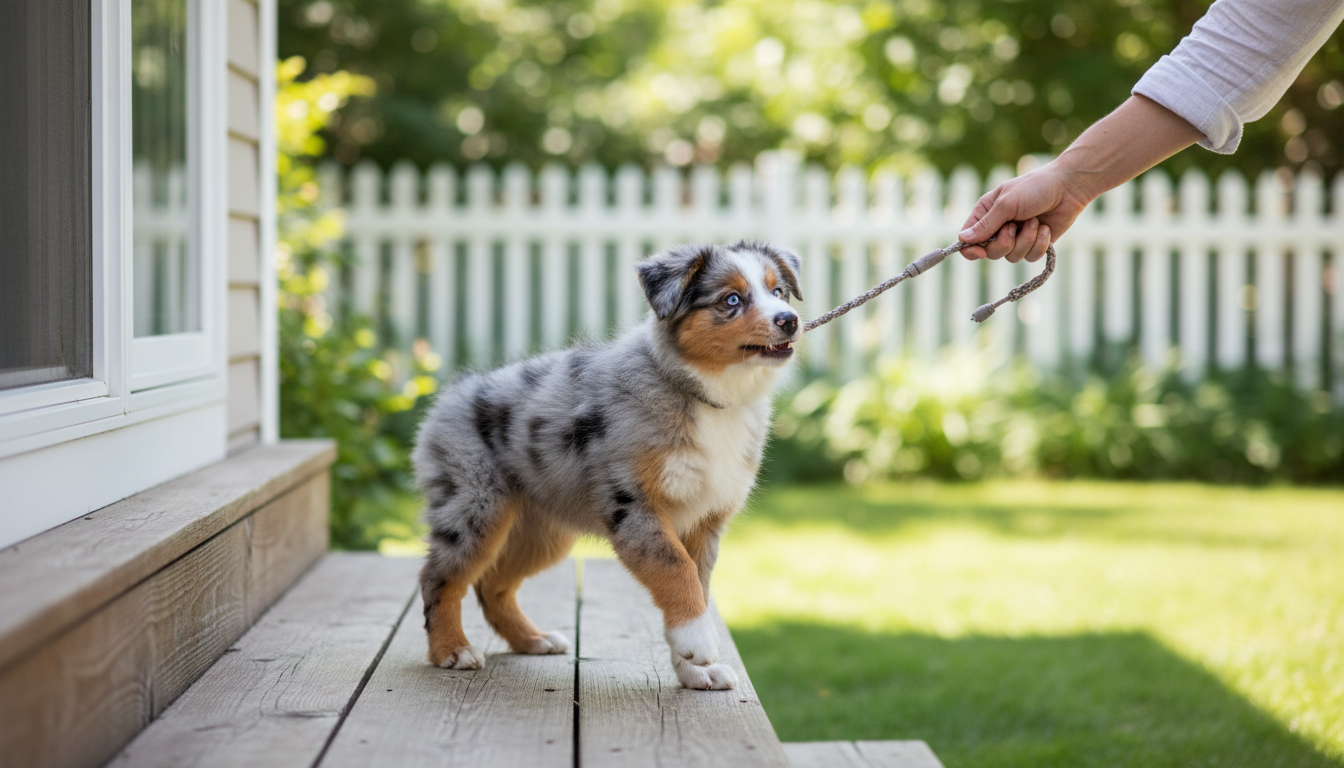
Environmental factors during growth play a real role too. Rapid growth spurts, excess body weight in puppyhood, and high-impact exercise before the growth plates close can all increase the risk of abnormal joint development. Aussie puppies tend to be energetic and eager to run, jump off furniture, and play hard, which can work against healthy hip development if not managed carefully.
- Genetics from one or both parents
- Rapid growth or overfeeding as a puppy
- Excess body weight at any life stage
- High-impact activity before skeletal maturity
- Lack of early screening in breeding lines
Early Warning Signs to Watch For
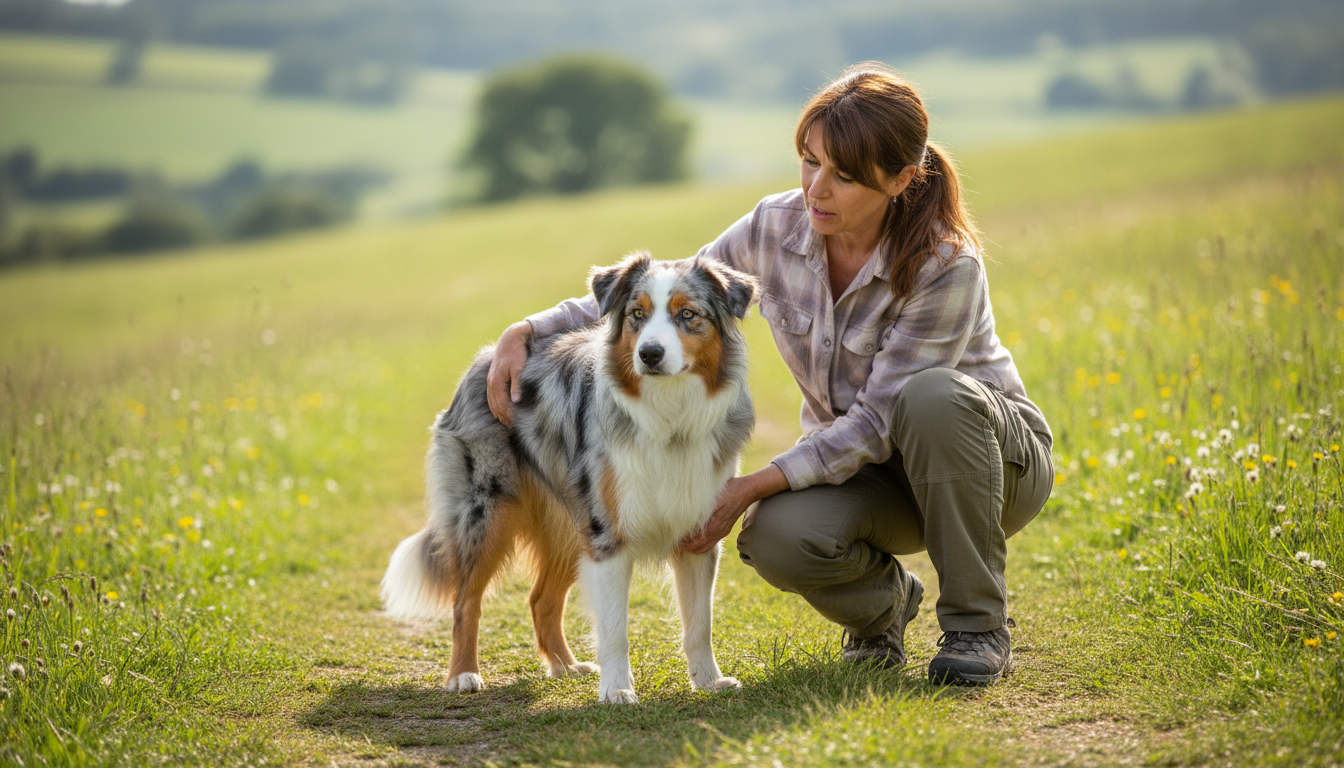
Because Australian Shepherds are so driven and willing to push through discomfort, early signs of hip trouble can be subtle. You might notice your dog seems a little slower to get up in the morning, or that they hesitate before jumping into the car. These small changes are often dismissed as tiredness, but they can be among the first clues that something is off in the hips.
As the condition progresses, you may start to see a “bunny hopping” gait, where both back legs move together instead of alternating normally. Other dogs develop a noticeable sway in the hips when walking, or seem to tire more quickly during activities they used to handle with ease. Watching for these changes over time, rather than expecting a sudden dramatic limp, is the key to catching the problem early.
- Stiffness after rest, especially in the morning
- Reluctance to jump, climb stairs, or run
- A bunny-hop gait when moving quickly
- Noticeable muscle loss in the hind legs
- Lower exercise tolerance than usual
How Vets Diagnose the Condition
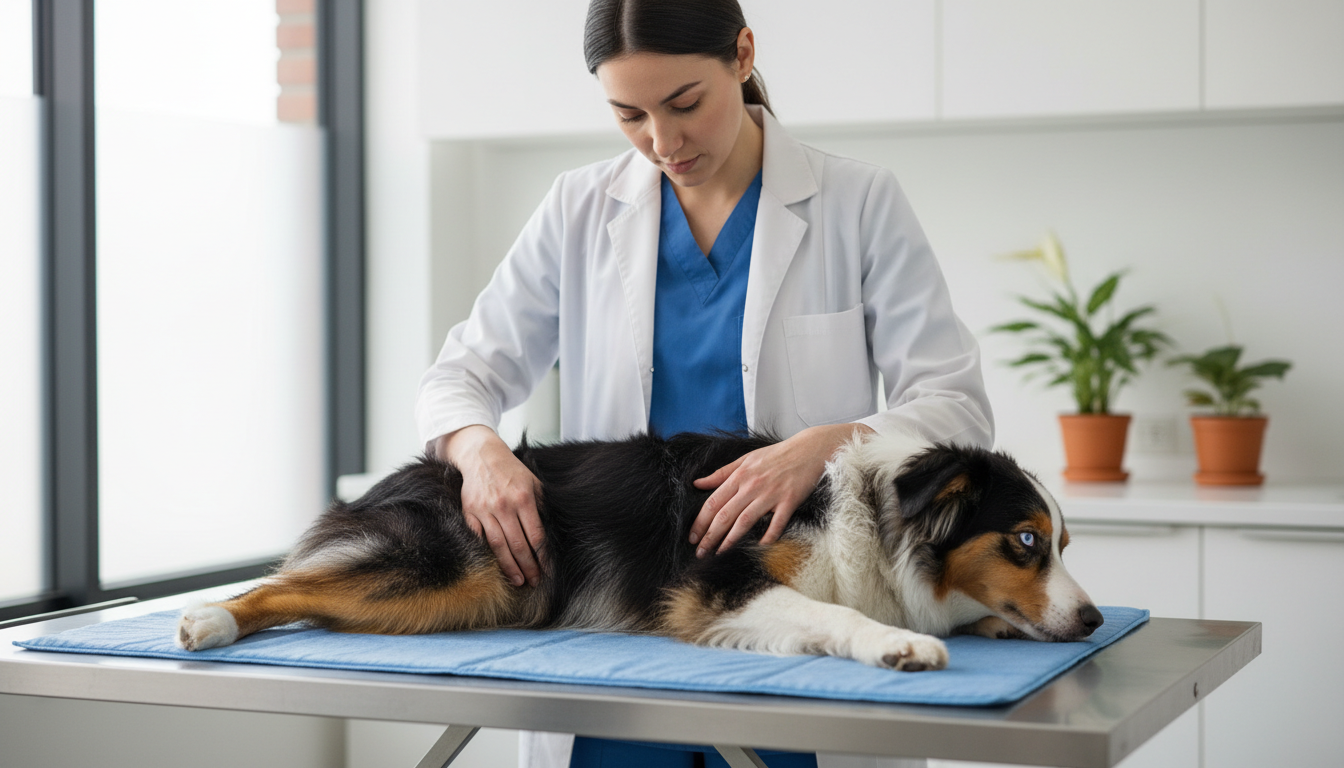
If you bring up concerns about your dog’s mobility, your vet will likely start with a physical exam, checking the range of motion in the hips and feeling for looseness or discomfort. They may also watch your dog walk and trot to assess gait changes that aren’t always obvious when a dog is standing still. This hands-on exam gives a lot of useful information before any imaging is even done.
X-rays are the standard way to confirm hip dysplasia and assess its severity. Your vet may need to sedate your dog for proper positioning, since accurate images require the hips to be perfectly aligned. In some cases, vets refer owners to a specialist for more detailed imaging or certification through established hip-scoring programs, particularly if breeding soundness is also a consideration.
Lifestyle Adjustments That Help
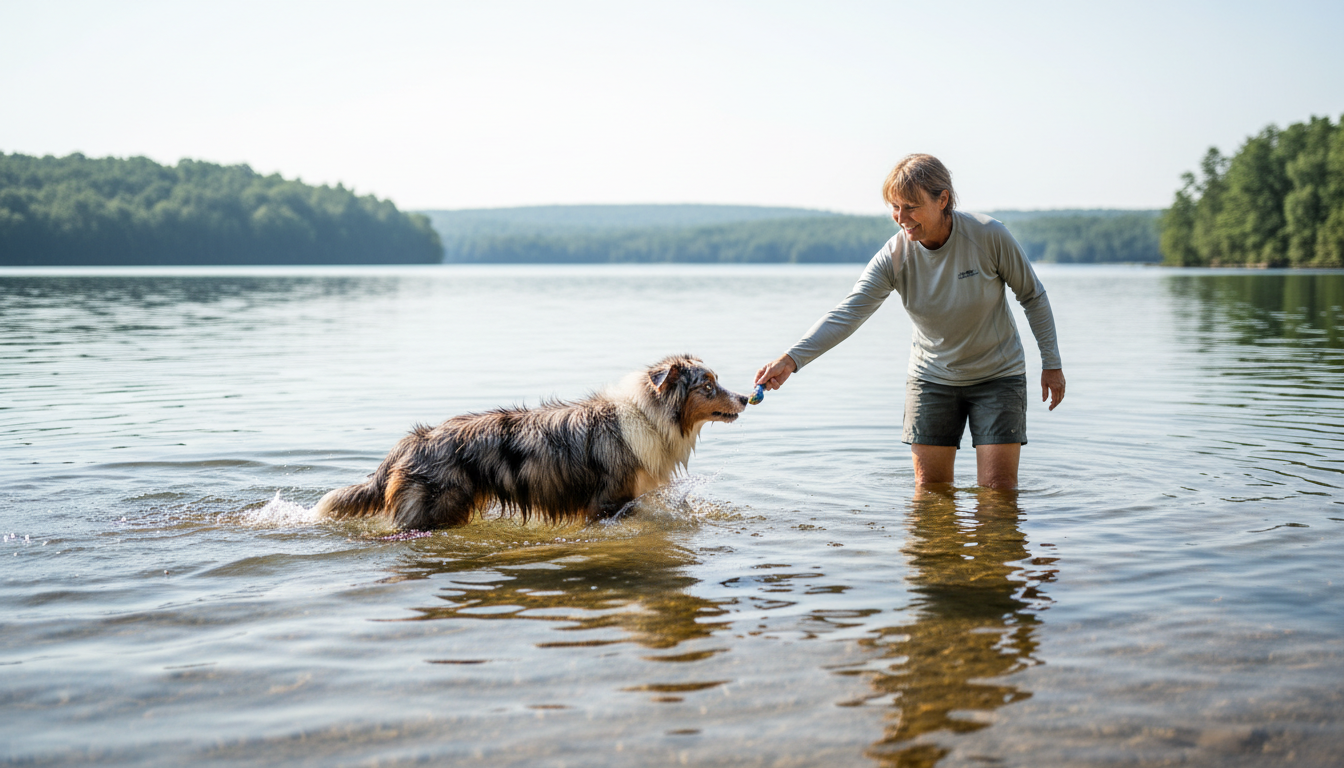
Once hip dysplasia is confirmed or suspected, your vet will likely talk with you about adjusting your dog’s daily routine to reduce stress on the joints. Keeping your Aussie at a lean, healthy body weight is one of the single most impactful things you can do, since every extra pound adds pressure to already compromised joints. Controlled, low-impact exercise like leash walking or swimming can help maintain muscle tone without the jarring impact of running and jumping.
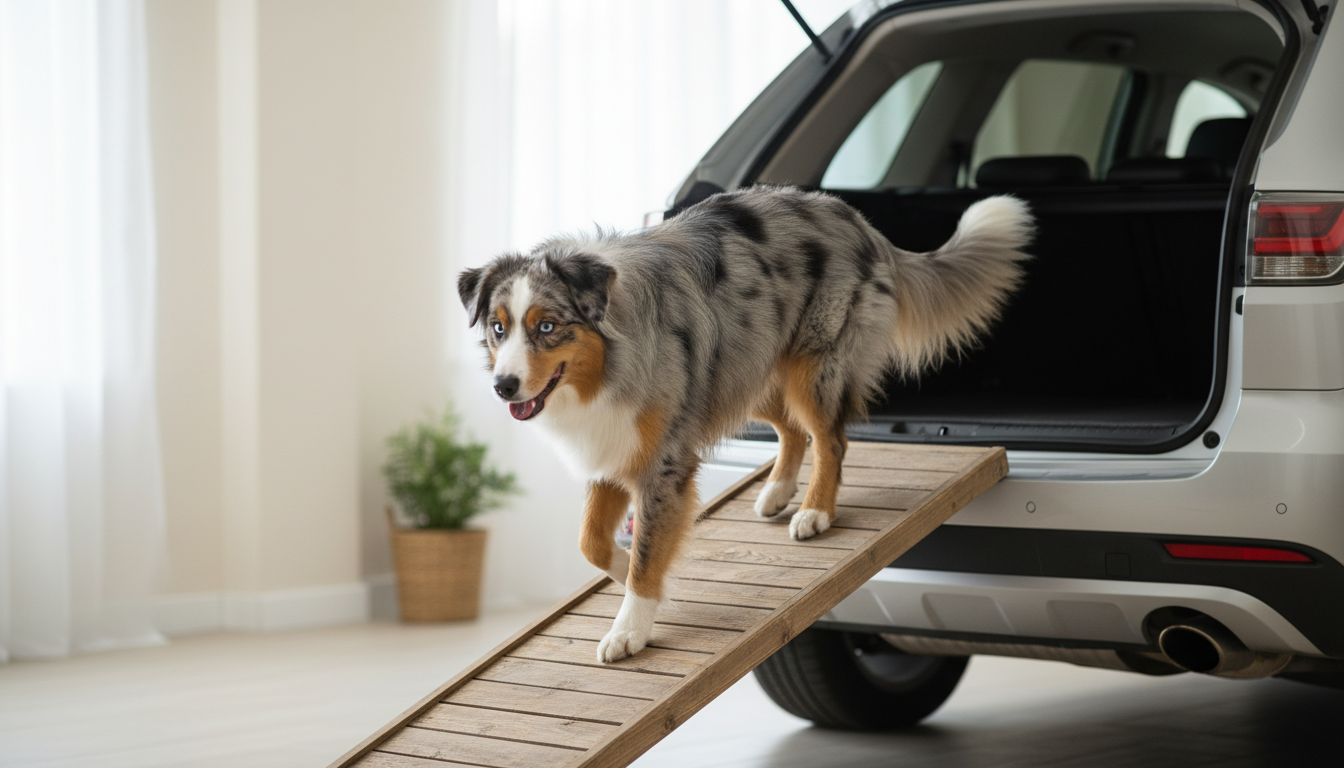
Simple changes around the house can make a difference too. Non-slip rugs on hardwood or tile floors can prevent painful slips, and ramps or steps can replace risky jumps onto furniture or into vehicles. These adjustments won’t cure the underlying joint issue, but they go a long way toward keeping your dog comfortable and confident in daily movement.
- Maintain a lean body weight
- Swap high-impact play for leash walks or swimming
- Add ramps or steps for furniture and vehicles
- Use non-slip flooring in main walkways
- Provide a supportive, orthopedic bed
Medical and Surgical Options
Treatment plans for hip dysplasia vary widely depending on severity, age, and how much the condition is affecting daily life. Your vet may recommend joint supplements, weight management, and physical rehabilitation as a starting point, especially for milder cases. These approaches aim to slow progression and manage discomfort without surgery.
For more severe cases, surgical options exist and your vet can walk you through which ones might fit your dog’s age and activity level. Some procedures are designed for younger dogs to correct joint alignment before arthritis sets in, while others, like hip replacement, are typically reserved for mature dogs with significant joint damage. Because every case is different, this is a conversation to have directly with your veterinarian or a referred orthopedic specialist rather than something to decide based on general information alone.
Living With an Aussie Who Has Hip Dysplasia
Many dogs with hip dysplasia go on to live full, happy lives with the right management plan. Australian Shepherds in particular tend to be mentally resilient and food-motivated, which makes them good candidates for rehabilitation exercises and weight management programs. Owners often find that with some adjustments, their dog can still enjoy modified versions of the activities they love.
It helps to shift expectations rather than eliminate activity altogether. Instead of long runs, a dysplastic Aussie might thrive with shorter, more frequent walks, puzzle toys for mental stimulation, and supervised swim sessions. Keeping your dog engaged mentally and physically, within safe limits, supports both their joint health and their overall wellbeing.
The Role of Nutrition in Joint Health
What your Australian Shepherd eats plays a meaningful role in joint health, particularly during the growth phase. Overfeeding a puppy or encouraging rapid weight gain can accelerate the kind of stress that contributes to joint laxity in the first place. Feeding a diet appropriate for your dog’s life stage, rather than free-feeding or overdoing treats, supports steadier, healthier growth.
In adult dogs with existing joint concerns, weight control becomes even more central. Ask your vet about an appropriate target weight for your individual dog and how to adjust portions accordingly. Some owners also ask about joint-supporting supplements, which should always be discussed with a vet first, since not every product is backed by the same level of evidence or quality control.
When to Call the Vet
Any persistent limping, stiffness, or reluctance to move should prompt a call to your vet rather than a wait-and-see approach. Hip dysplasia tends to progress more comfortably for your dog when caught and managed early, rather than after significant arthritis has already developed. If your Aussie suddenly seems much more painful, won’t bear weight on a leg, or appears distressed, that warrants an urgent visit rather than a routine appointment.
- Persistent limping lasting more than a day or two
- Noticeable difficulty rising or lying down
- Sudden reluctance to walk or play
- Signs of pain when the hips are touched
- Any sudden non-weight-bearing lameness
Screening Before You Bring Home a Puppy
If you’re considering adding an Australian Shepherd puppy to your family, asking about hip health in the parent dogs is a reasonable and responsible question for any breeder. Reputable breeders typically have hip evaluations on file for breeding dogs and should be willing to share that information. While screening doesn’t guarantee a puppy will never develop hip dysplasia, it does meaningfully reduce the odds compared to breeding from unscreened dogs.
If you’ve already adopted or rescued an Aussie without that history available, don’t worry — plenty of dogs without known pedigree information live long, active lives with healthy hips, and plenty with excellent lineage still develop issues. The screening conversation is most useful as one part of a bigger picture that includes your dog’s individual growth, weight, and activity patterns.
Supporting an Active Breed Through Joint Limitations
One of the harder parts of managing hip dysplasia in an Australian Shepherd is reconciling the diagnosis with the breed’s natural drive. These are dogs built for movement, and owners often worry about how to keep their dog fulfilled without aggravating their joints. The good news is that mental engagement can substitute for some physical demands, and many Aussies respond well to scent work, trick training, and puzzle feeders that tire them out without pounding on their hips.
Working closely with your vet or a canine rehabilitation specialist can help you build an exercise plan tailored to your dog’s specific limitations. What works for one dog with mild dysplasia may be too much for another with more advanced joint changes, so individualized guidance matters more than generic advice found online.
Final Thoughts for Worried Owners
Learning that your Australian Shepherd may have or does have hip dysplasia can feel discouraging, especially if you pictured years of hiking, agility, or herding trials together. But a diagnosis isn’t the end of an active life — it’s a signal to adjust how that activity happens. With early recognition, thoughtful management, and regular veterinary guidance, many dogs with hip dysplasia continue to live engaged, comfortable lives well into their senior years.
If you’ve noticed any of the signs discussed here, don’t wait for things to worsen before reaching out to your vet. Early conversations lead to earlier interventions, and earlier interventions tend to mean a better long-term outlook for your dog’s comfort and mobility.
This article is for general education and is not a substitute for care from your own veterinarian. Learn about The Pet Vet and our editorial policy.