
If you’ve noticed your dog’s eye looking a bit droopy or their third eyelid suddenly visible, you might be dealing with Horner’s syndrome in dogs—a condition that can understandably worry any pet parent. The good news? While it looks unsettling, Horner’s syndrome is often manageable with the right approach, and many dogs go on to live completely normal, happy lives.
Table of Contents
- What Is Horner’s Syndrome in Dogs?
- Recognizing the Classic Signs and Symptoms
- Understanding the Root Causes
- How Vets Diagnose Horner’s Syndrome
- Treatment Options for Horner’s Syndrome
- Managing Your Dog’s Comfort During Recovery
- When to Seek Urgent Care
- The Prognosis: What to Expect Long-Term
- Frequently Asked Questions
- What To Do Now
- Summary: Managing Horner’s Syndrome With Confidence
This article is for informational purposes only and is not a substitute for professional veterinary advice. Always consult a licensed veterinarian for diagnosis and treatment.
What Is Horner’s Syndrome in Dogs?
Horner’s syndrome is a neurological condition affecting the nerves that control your dog’s eye and facial muscles. When these nerves are disrupted anywhere along their pathway—from the brain down the spinal cord to the eye—your pup may start showing distinctive eye changes.
The condition itself isn’t a disease but rather a sign that something else is happening in your dog’s nervous system. Think of it like a warning light on your car’s dashboard: it tells you to investigate further, but the light itself isn’t the problem.

Recognizing the Classic Signs and Symptoms
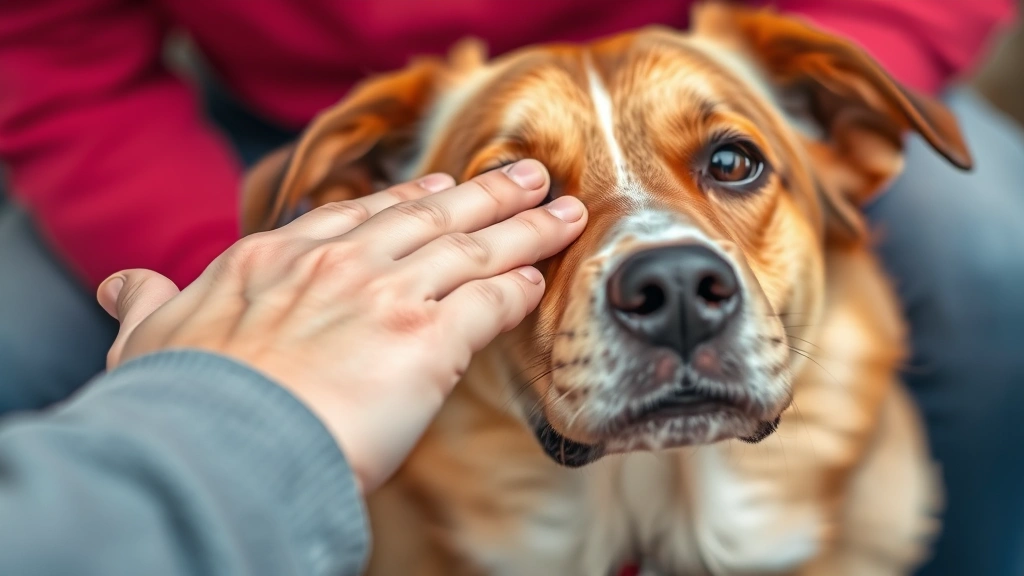
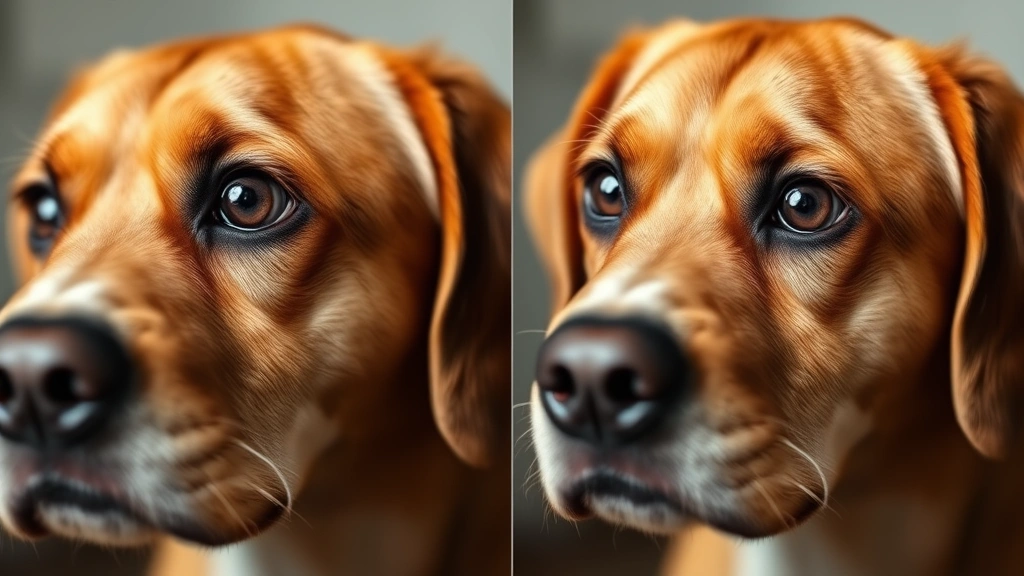
The symptoms of Horner’s syndrome are pretty distinctive once you know what to look for. Your dog might have a droopy eyelid (called ptosis), a smaller-looking pupil on the affected side, or that characteristic third eyelid becoming more visible—sometimes called “cherry eye” when it protrudes.
You may also notice your dog’s eye appears sunken or their face looks asymmetrical. Some owners describe it as their dog looking sleepy or sad on one side. Catching these early changes puts you in a great position to help your pup get the care they need.
Here are the most common signs:
- Drooping upper eyelid on one side of the face
- Constricted pupil (miosis) in the affected eye
- Visible third eyelid (nictitating membrane)
- Apparent sunken appearance of the eye
- Reduced sweating on the affected side of the face or neck (in some cases)
Understanding the Root Causes
Horner’s syndrome can develop for several reasons, and identifying the underlying cause is crucial for proper treatment. In many cases, the cause remains idiopathic—meaning vets can’t pinpoint exactly what triggered it—and these dogs often recover spontaneously within weeks to months.
However, sometimes Horner’s syndrome points to a more serious underlying condition. Nerve damage from trauma, spinal cord issues like intervertebral disc disease in dogs, tumors, or even middle ear infections can all cause the syndrome.
Other potential causes include:

- Idiopathic causes (no identifiable reason—most common)
- Spinal cord injury or disease
- Brachial plexus injury
- Middle or inner ear infections
- Neck trauma or surgery complications
- Brain tumors or lesions
- Syrinx (fluid-filled cavity in the spinal cord)
How Vets Diagnose Horner’s Syndrome
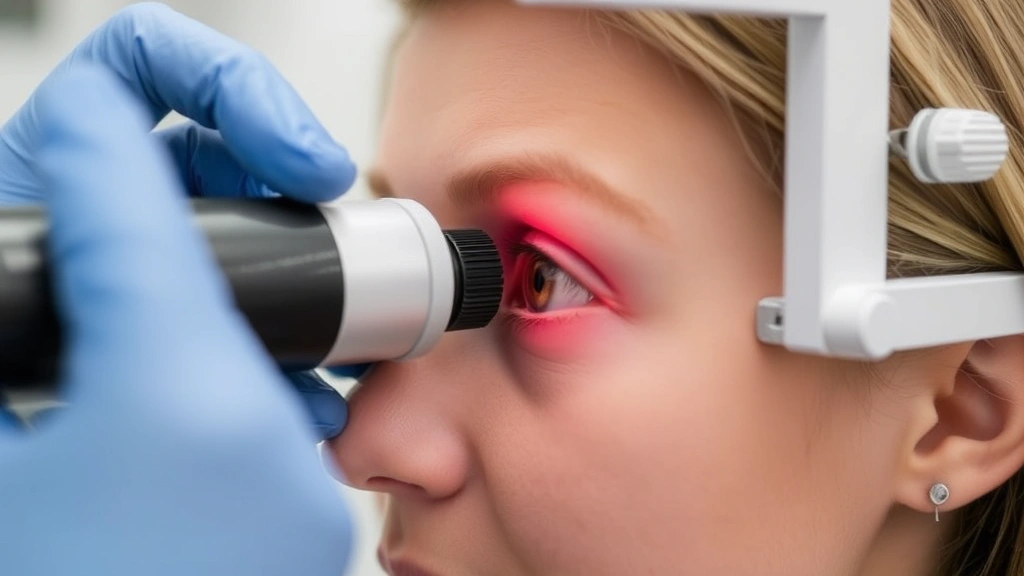
Your veterinarian will start with a thorough physical and neurological examination. They’ll look closely at both of your dog’s eyes and ask detailed questions about when you first noticed the changes and whether there was any recent trauma or illness.
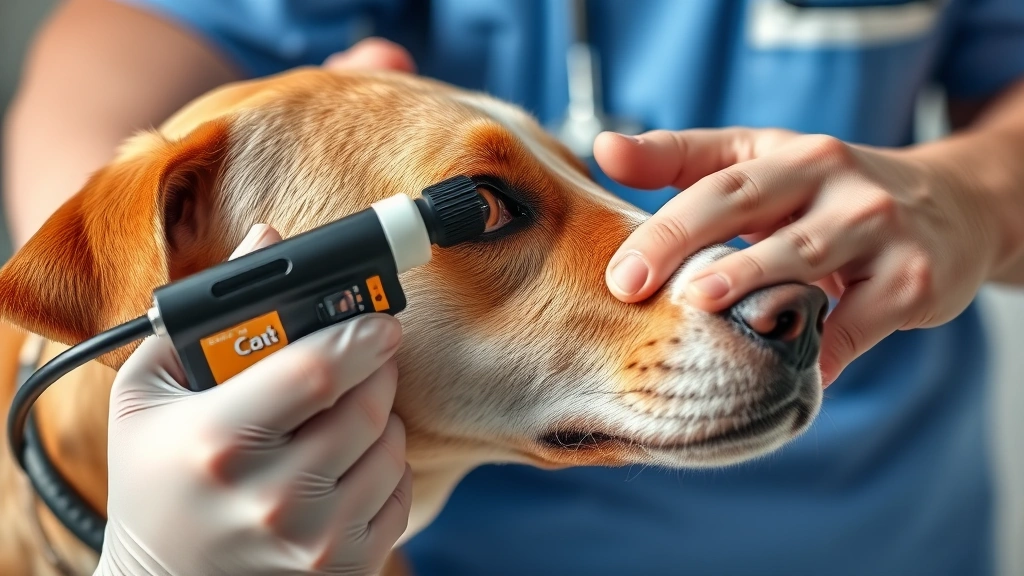
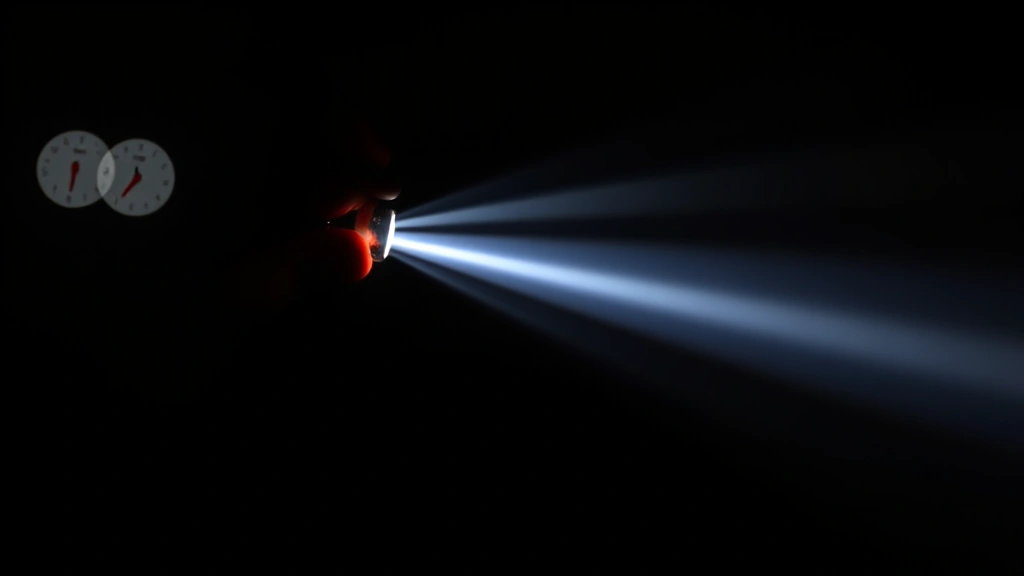
Depending on what they find during the exam, additional diagnostics might include X-rays, MRI, or CT scans to rule out spinal cord disease or other structural problems. Some vets use specialized tests like pharmacological testing with dilating drops to help confirm the diagnosis and locate where along the nerve pathway the problem exists.
The diagnostic approach is individualized—your vet might recommend comprehensive imaging right away, or they might suggest a wait-and-see approach if the presentation suggests idiopathic Horner’s syndrome. If you’re unsure about next steps, a quick telehealth check-in can help clarify what your dog might need.
Treatment Options for Horner’s Syndrome
Here’s where the news gets really encouraging: many cases of Horner’s syndrome resolve on their own without any specific treatment. If your dog’s syndrome is idiopathic, recovery often happens within 4 to 12 weeks as the nerve function spontaneously improves.
When treatment is needed, it focuses on addressing the underlying cause rather than the syndrome itself. If an ear infection is responsible, treating the infection may resolve the eye symptoms. If spinal cord disease is involved, managing that condition becomes the priority.
Your vet may recommend:
- Treating any underlying infections or conditions
- Pain management if nerve damage is involved
- Supportive care while waiting for spontaneous recovery
- Surgical intervention if a tumor or structural lesion is found
- Monitoring and follow-up exams to track progress
Managing Your Dog’s Comfort During Recovery
While your dog recovers, keeping their eye comfortable is important. The affected eye may be more prone to dryness since the eyelid doesn’t close completely, so your vet might recommend lubricating eye drops.
Make sure your dog doesn’t rub or irritate the eye, and keep their environment safe—they might have slightly altered depth perception while the condition is active. Most dogs adapt remarkably well and continue their normal activities without issue.
Simple comfort measures include:

- Using prescribed or recommended eye lubricants as directed
- Keeping the eye clean and free from debris
- Monitoring for any signs of corneal ulceration
- Preventing excessive eye rubbing
- Maintaining regular veterinary follow-up appointments
When to Seek Urgent Care
While Horner’s syndrome itself isn’t an emergency, the underlying cause sometimes is. You should contact your vet promptly if your dog shows these additional signs alongside the eye changes: sudden severe pain, loss of coordination, difficulty walking, or acute behavioral changes.
These could indicate spinal cord disease or another serious condition requiring immediate attention. If you notice the eye symptoms appearing suddenly alongside other concerning signs, don’t wait for a regular appointment.
The Prognosis: What to Expect Long-Term
The outlook for dogs with Horner’s syndrome is generally very positive. Studies show that idiopathic cases—which make up the majority of diagnoses—have excellent spontaneous recovery rates, often within a few weeks to a few months.
Even in cases where an underlying condition is identified and treated, most dogs return to normal eye function once that condition is managed. Your dog’s quality of life is typically not significantly affected during recovery, and they can continue normal activities.
Long-term outcomes depend largely on the underlying cause, which is why proper diagnosis matters. A dog with idiopathic Horner’s syndrome will likely recover fully and never have it recur, while a dog with an underlying neurological condition may need ongoing management of that condition.
Frequently Asked Questions
Is Horner’s syndrome painful for my dog?
Horner’s syndrome itself isn’t painful, but the underlying cause might be. Your vet will assess whether pain management is needed based on what’s actually triggering the nerve disruption.
Can Horner’s syndrome affect both eyes?
Horner’s syndrome typically affects one side of the face, though bilateral cases are rare. If both eyes show symptoms, your vet will want to investigate thoroughly for an underlying systemic condition.
Will my dog’s eye return to normal?
In most idiopathic cases, yes—complete recovery is common within weeks to months. Even in cases with identifiable causes, treating the underlying condition often restores normal eye appearance.
Can my dog go blind from Horner’s syndrome?
Horner’s syndrome doesn’t cause blindness. Vision loss would indicate a different problem, so mention any vision concerns to your vet immediately.
How much does treatment cost?
Costs vary depending on the underlying cause and diagnostics needed. Idiopathic cases requiring only monitoring are inexpensive, while cases needing imaging or treatment of an underlying condition cost more.
What To Do Now
- Schedule a veterinary exam as soon as possible to get a professional evaluation of your dog’s eye changes and rule out urgent conditions.
- Document what you’ve observed—note when you first noticed the symptoms, whether there was any recent trauma, and any other changes in your dog’s behavior or health to share with your vet.
- Keep your dog’s eye clean and protected by avoiding irritants and using any recommended eye drops to maintain comfort while you await diagnosis.
- Ask your vet about the next diagnostic steps—whether that’s imaging, specialized testing, or a wait-and-see approach—so you understand the plan moving forward.
- Plan for follow-up appointments to monitor progress and ensure your dog is recovering as expected, adjusting treatment if needed.
Summary: Managing Horner’s Syndrome With Confidence
Horner’s syndrome in dogs might look alarming at first, but it’s a manageable condition with an encouraging prognosis. The droopy eye and visible third eyelid are your dog’s way of telling you something needs attention—but in many cases, that attention leads to spontaneous recovery without intervention.
The key is getting a proper veterinary evaluation to identify any underlying cause and establish a monitoring plan. Whether your dog has idiopathic Horner’s syndrome or a condition that needs treatment, modern veterinary care gives you excellent tools to support their recovery and maintain their quality of life.
Remember: most dogs with Horner’s syndrome go on to live completely normal lives. Your attentiveness in noticing these changes and seeking care puts your pup in the best possible position for a full recovery. If you’re feeling uncertain about whether your dog needs urgent evaluation, a quick telehealth check-in can give you peace of mind and help guide your next steps—no appointment hassles required.
Stay observant, stay calm, and work closely with your vet. Your dog’s eyes will likely be back to normal before you know it.