
IVDD in Dachshunds is one of the most important health issues to understand if you share your home with this long-backed breed. Because of their unique body shape, Dachshunds are especially prone to spinal disc problems that can range from mild discomfort to sudden paralysis. Knowing the early warning signs, how vets diagnose the condition, and what treatment and prevention look like can help you protect your dog’s back and act quickly if something goes wrong.
Table of Contents
- What Is IVDD
- Why Dachshunds Are So Prone to This Condition
- Early Warning Signs to Watch For
- Signs of a Serious or Emergency Episode
- How Vets Diagnose IVDD
- Treatment Options
- What Recovery Looks Like
- Everyday Habits That Help Protect the Spine
- The Role of Weight Management
- Exercise Guidelines for a Dachshund’s Back
- Age and Lifetime Risk
- Living With a Dog Who Has Had IVDD
- When to Call Your Vet
- A Final Word for Dachshund Owners
What Is IVDD
Intervertebral disc disease, usually shortened to IVDD, happens when the cushioning discs between the bones of the spine start to break down, bulge, or rupture. These discs normally act like shock absorbers, letting your dog bend, twist, and move comfortably. When a disc degenerates or herniates, it can push into the spinal canal and put pressure on the spinal cord itself, which is what causes pain and, in more serious cases, loss of movement.
Dachshunds are considered a chondrodystrophic breed, meaning their genetics affect cartilage development in a way that shortens their legs and elongates their spine. This same genetic trait makes their spinal discs more likely to degenerate earlier in life compared to many other breeds. It is one of the reasons IVDD is discussed so often in connection with Dachshunds specifically, even though other long-backed or short-legged breeds can develop it too.
There are two main types of disc herniation seen in dogs, and Dachshunds are particularly prone to the sudden, explosive type where disc material bursts into the spinal canal quickly. This can happen with surprisingly little warning, sometimes after a jump off the couch or an awkward landing. Understanding this tendency is the first step toward protecting your dog.
Why Dachshunds Are So Prone to This Condition
The Dachshund’s long torso and short legs, the very traits that make the breed so recognizable, place extra mechanical strain on the spine throughout life. Every twist, jump, and stair climb puts more stress on those discs than would be typical for a dog with a more proportional body shape. Over years, this repeated stress combined with the breed’s cartilage genetics accelerates disc degeneration.
Genetics play a significant role as well. Because chondrodystrophy is a defining trait of the breed standard, virtually all Dachshunds carry some degree of predisposition to early disc changes, regardless of how careful their owners are. This does not mean every Dachshund will develop symptomatic IVDD, but it does mean the risk is baked into the breed in a way that owners should take seriously from puppyhood onward.
Body weight compounds the risk considerably. Even a small amount of extra weight adds meaningful strain to a spine that is already working harder than average, which is why weight management is such a frequently repeated piece of advice for this breed.
Early Warning Signs to Watch For
Catching IVDD early can make a real difference in how a dog recovers, so it helps to know what mild symptoms can look like before things become an emergency. Many dogs show subtle changes in the days or weeks before a more serious episode, and owners who know their dog well are often the first to notice something feels off.
If you notice any combination of these signs, it is worth calling your vet promptly rather than waiting to see if things improve on their own. Mild signs can sometimes precede a much more severe episode within days.
- Reluctance to jump onto furniture or climb stairs that were previously no problem
- A hunched or arched back posture, or holding the neck lower than usual
- Yelping or flinching when picked up, touched on the back, or when moving in certain ways
- Noticeable stiffness, especially after resting
- Trembling or shaking that does not seem tied to cold or fear
- Reduced interest in play or a general drop in activity level

Signs of a Serious or Emergency Episode
A serious IVDD episode looks quite different from mild discomfort and requires immediate veterinary attention. Dogs experiencing a significant disc rupture often show sudden, severe pain and may cry out unexpectedly. Some dogs become reluctant to move at all, while others show visible weakness or wobbliness in their back legs.
If your Dachshund shows any of these signs, this is considered an emergency. You should keep your dog as still as possible, avoid letting them jump or climb, and get to a veterinarian or emergency animal hospital right away. Time matters with spinal cord compression, and delays can affect the outcome.
- Sudden inability to stand, walk, or use the back legs normally
- Dragging one or both back feet, or knuckling under while walking
- Loss of bladder or bowel control
- Sudden collapse or partial paralysis
- Crying out in pain with no obvious cause
- Extreme sensitivity to being touched anywhere near the spine
How Vets Diagnose IVDD
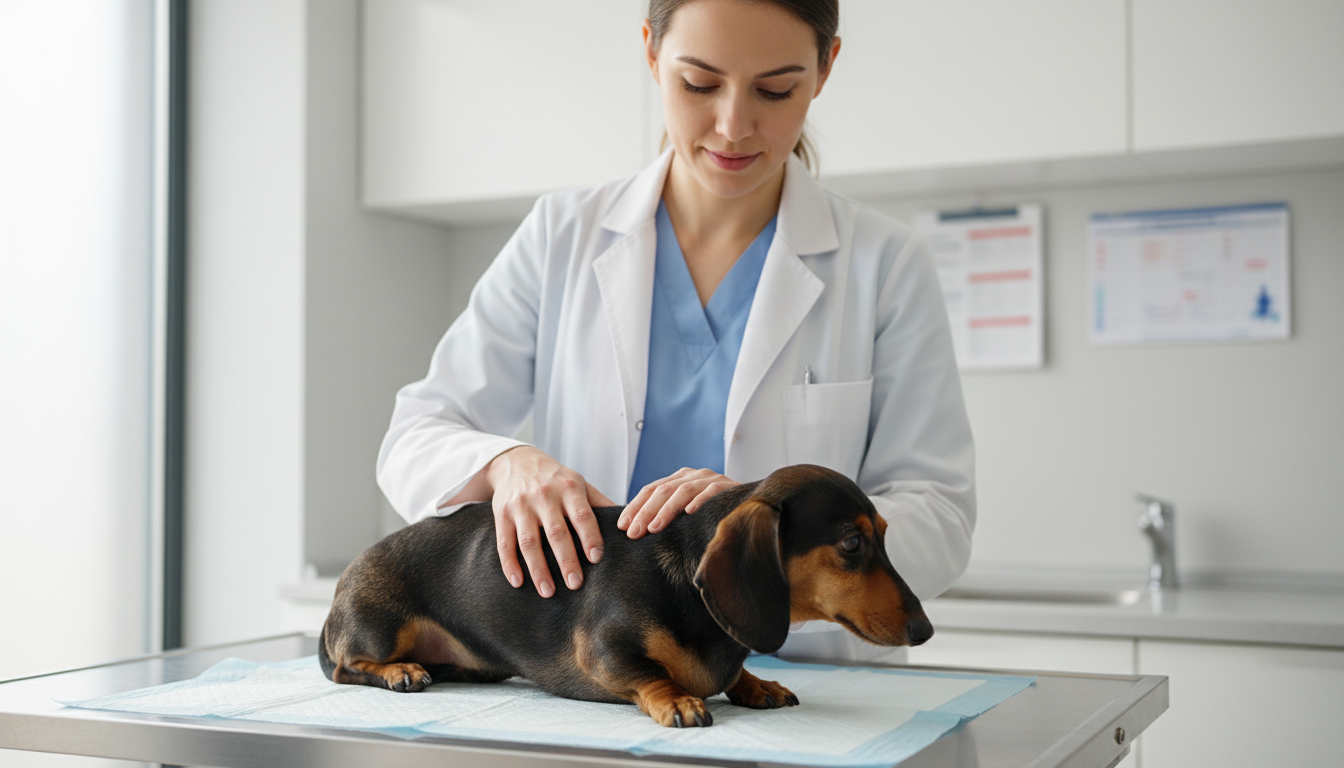
When you bring your dog in for a suspected disc problem, your vet will start with a thorough physical and neurological examination. This typically involves checking your dog’s reflexes, muscle tone, and pain response in different areas of the spine to help pinpoint roughly where along the back the problem may be located. This exam alone often gives a vet a strong suspicion of IVDD, though further testing is usually needed to confirm it and rule out other causes.
Imaging is the key tool for a definitive diagnosis. Plain X-rays can sometimes show narrowed disc spaces or mineralized disc material, but they do not show the spinal cord itself clearly. For that reason, vets often recommend more advanced imaging such as an MRI or CT scan, which give a much clearer picture of exactly where a disc has herniated and how much pressure is being placed on the spinal cord. These scans typically require referral to a specialty or emergency veterinary center equipped with the right equipment.
Your vet may also recommend blood work before any anesthesia-based imaging or surgery, simply to make sure your dog is a good candidate for the procedure. Every case is a little different, so the exact diagnostic path your vet suggests will depend on your dog’s specific symptoms and how quickly they came on.
Treatment Options
Treatment for IVDD depends heavily on how severe the symptoms are and how quickly they developed. Dogs with mild pain and no significant loss of movement are sometimes managed conservatively, which generally involves strict crate rest, pain control prescribed and monitored by a vet, and a very slow, structured return to activity over several weeks. This approach only works well when symptoms are caught early and there is no significant neurological deficit.
For dogs with more severe symptoms, especially those who have lost the ability to walk or control their bladder, surgery is often recommended to relieve pressure on the spinal cord. Surgical decompression can offer the best chance of recovery for dogs with significant nerve damage, and the timing of surgery relative to when symptoms started can influence the outcome. This is a conversation to have directly with your vet or a veterinary neurologist, since every case carries its own set of considerations.
Rehabilitation therapy often plays an important role after either treatment path, helping dogs rebuild strength and coordination safely. Your vet can refer you to a rehabilitation specialist if this is appropriate for your dog’s recovery plan.
What Recovery Looks Like
Recovery from an IVDD episode, whether managed medically or surgically, takes patience and close attention to your vet’s instructions. Strict rest is almost always part of the early recovery period, meaning your dog needs to be kept calm, confined, and prevented from jumping, running, or climbing stairs, even if they start to feel better and seem eager to move around.
Many dogs show gradual improvement over weeks, though the exact timeline and extent of recovery varies a great deal depending on the severity of the original episode and how promptly it was treated. Some dogs recover full mobility, while others may need ongoing support such as physical therapy, mobility aids, or in some cases a wheelchair-style cart for dogs with lasting hind-leg weakness. Your vet is the best resource for understanding what recovery realistically looks like for your individual dog’s situation.
Regular follow-up appointments during recovery let your vet track progress and catch any setbacks early. It is important to resist the temptation to let your dog return to normal activity levels too soon, since re-injury during the healing period is a real risk.
Everyday Habits That Help Protect the Spine
While you cannot change your Dachshund’s genetics, there is a lot you can do day to day to reduce strain on their back and lower the risk of a disc problem. Small, consistent habits add up over a dog’s lifetime and are far easier to maintain than they might sound.
These adjustments are especially worth building into your routine from puppyhood, since prevention habits are much easier to maintain long-term than to introduce later.
- Use ramps or steps instead of letting your dog jump on and off furniture or in and out of the car
- Support your dog’s chest and hindquarters properly when picking them up, rather than lifting under the front legs alone
- Keep your dog at a healthy weight to reduce stress on the spine
- Limit rough play that involves twisting, jumping, or being swung around
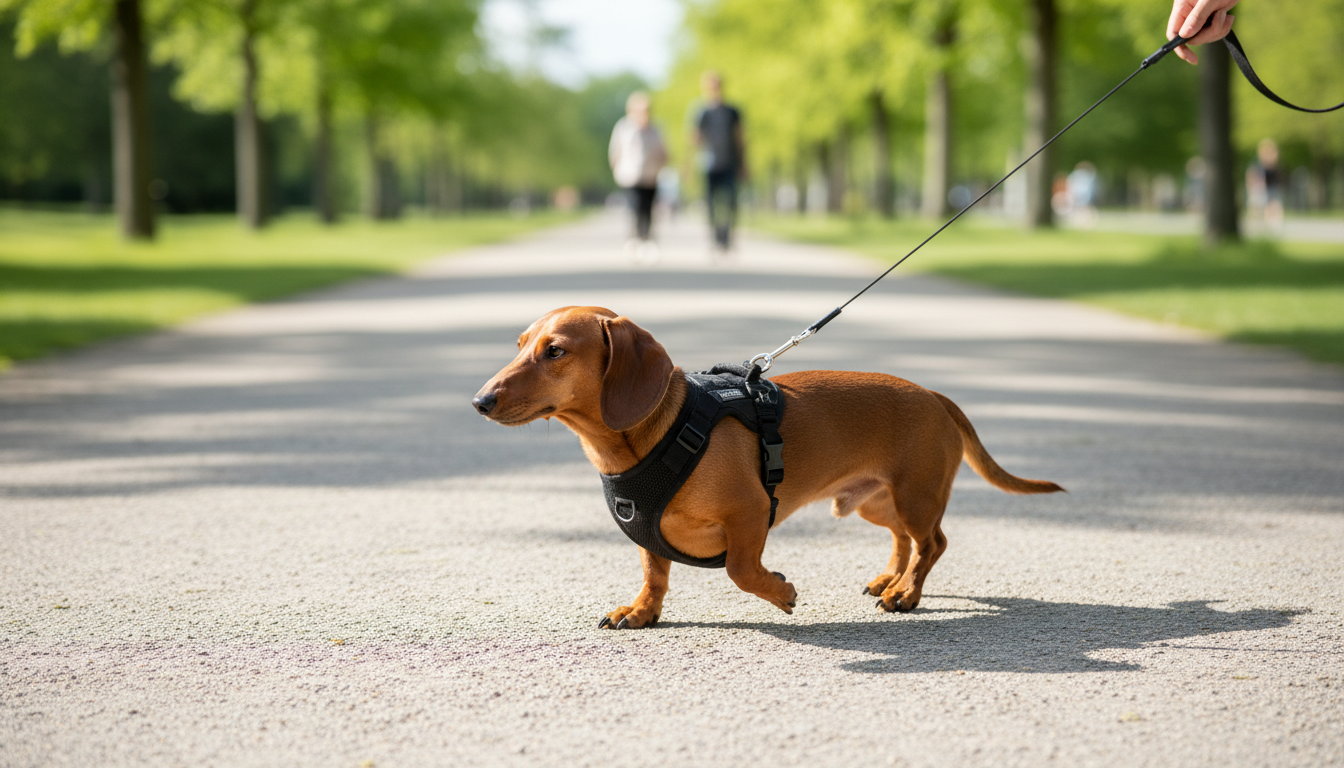
- Choose a harness instead of a collar to avoid pressure on the neck and spine during walks
- Keep floors non-slip with rugs or mats in areas your dog frequents, since slipping can trigger injury
The Role of Weight Management
Weight management deserves its own mention because of how directly it affects spinal health in this breed. Every extra pound a Dachshund carries adds proportionally more strain to their back than it would in a larger, more proportionally built dog. Keeping your dog lean is one of the most meaningful things you can do to lower their overall IVDD risk.
Talk to your vet about what a healthy weight looks like for your individual dog, since ideal weight can vary based on frame size and body condition. Your vet can also help you build a feeding plan and exercise routine that supports a healthy weight without putting additional strain on the spine, since some forms of exercise are more back-friendly than others.
Routine weigh-ins at the vet, along with body condition checks, can help you catch gradual weight gain before it becomes a bigger problem. This is a simple, low-effort habit that pays off significantly over your dog’s lifetime.

Exercise Guidelines for a Dachshund’s Back
Exercise is still important for a Dachshund’s overall health, but the type of activity matters as much as the amount. Controlled, low-impact exercise such as leash walks on flat ground tends to be much gentler on the spine than activities involving jumping, sudden direction changes, or rough play with other dogs.
Swimming is often recommended as a particularly back-friendly form of exercise for Dachshunds, since it builds muscle and supports fitness without the impact of running or jumping. If your dog enjoys water and has access to a safe place to swim, this can be a great addition to their routine, though it is always worth checking with your vet first, especially if your dog has any history of back issues.
Talk with your vet about an exercise plan tailored to your dog’s age, weight, and any prior back issues, since needs can shift over time.
- Favor flat, even walking surfaces over uneven terrain when possible
- Avoid activities that involve repeated jumping, such as catching a ball thrown high in the air
- Break exercise into shorter, more frequent sessions rather than one long, intense outing
- Watch for signs of fatigue or discomfort during and after activity
Age and Lifetime Risk
IVDD can occur in Dachshunds of almost any age, but risk tends to increase as dogs move into middle age, generally somewhere in the range of three to seven years old, though this varies from dog to dog. This makes it especially important to stay attentive to subtle changes in movement or posture even in dogs who seem otherwise healthy and active.
Because the underlying disc degeneration can be happening gradually and silently before any symptoms appear, some owners are caught off guard by a sudden episode in a dog that seemed completely fine the day before. This unpredictability is part of what makes ongoing prevention habits so valuable throughout your dog’s life rather than only after a first episode.
Regular veterinary checkups give your vet the chance to monitor your dog’s spinal health over time and discuss any concerns you may have noticed at home. Bringing up even minor changes in mobility during these visits can help your vet catch problems earlier.

Living With a Dog Who Has Had IVDD
If your Dachshund has already experienced an IVDD episode, ongoing management becomes part of daily life. Many dogs go on to live full, happy lives after treatment and recovery, especially with continued attention to the prevention habits discussed earlier. That said, dogs who have had one episode are generally considered at higher risk for future disc problems, so staying vigilant matters even more.
Keeping a close eye on posture, gait, and general comfort level going forward can help you catch any recurrence early. Some owners find it helpful to keep a simple log of their dog’s mobility and behavior, which can be useful information to share with your vet at checkups.
Emotional adjustment matters too, both for you and your dog. Dogs who have gone through a serious health event often do best with a calm, consistent routine and plenty of patience as they and their owners adapt to any new limitations or precautions.
When to Call Your Vet
Because IVDD can range from mild discomfort to a true emergency, knowing when to pick up the phone matters. Any new signs of back pain, reluctance to move, or changes in how your dog walks deserve a call to your vet, even if the signs seem minor at first. It is always better to have a mild concern checked and reassured than to wait and risk missing an early warning sign.
If you notice any sudden or severe symptoms, treat it as an emergency and seek immediate veterinary care rather than waiting for a routine appointment. Quick action can make a meaningful difference in how your dog recovers.
- Sudden reluctance to jump, climb, or move normally
- Visible pain when touched near the spine or when picked up
- Any weakness, wobbliness, or dragging of the back legs
- Loss of bladder or bowel control
- Crying out or showing signs of acute pain with no clear cause
A Final Word for Dachshund Owners
Living with a Dachshund means embracing everything that makes the breed so endearing while also staying realistic about their unique health vulnerabilities. IVDD is a serious topic, but it is not something to feel helpless about. With thoughtful daily habits, attentive weight management, and a good relationship with your vet, many Dachshund owners successfully reduce their dog’s risk and are well prepared to respond quickly if a problem does arise.
Your vet remains your best partner in navigating this condition, from prevention through diagnosis and treatment if it becomes necessary. Do not hesitate to reach out with questions or concerns about your individual dog’s spinal health, since early conversations often lead to better outcomes down the road.
This article is for general education and is not a substitute for care from your own veterinarian. Learn about The Pet Vet and our editorial policy.