
If you’ve noticed your dog has swollen, painful mammary glands or seems uncomfortable nursing her puppies, you may be dealing with mastitis in dogs—a condition that requires prompt attention but is very treatable when caught early.
Table of Contents
- What Is Mastitis in Dogs?
- Common Signs Your Dog May Be Experiencing Mastitis
- Why Early Detection Matters
- How Veterinarians Diagnose Mastitis
- Treatment Approaches for Mastitis in Dogs
- Managing Discomfort and Supporting Recovery
- Preventing Mastitis in Nursing Dogs
- When to Seek Emergency Care
- Supporting Your Dog’s Overall Health During Treatment
- Questions About Weaning and Mastitis
- Frequently Asked Questions
- What To Do Now
- Summary: Mastitis in Dogs Treatment and Care
This article is for informational purposes only and is not a substitute for professional veterinary advice. Always consult a licensed veterinarian for diagnosis and treatment.
Mastitis is an infection or inflammation of the breast tissue in female dogs, most commonly occurring during lactation. It can develop suddenly and cause significant discomfort for your pet. The good news? With the right approach and early intervention, most dogs recover well.
What Is Mastitis in Dogs?
Mastitis refers to inflammation of one or more mammary glands in female dogs. This condition can occur when bacteria enter the gland tissue, often through the teat opening, or when milk becomes backed up and causes inflammation without infection.
The condition most frequently affects nursing mothers, particularly those with large litters or puppies that aren’t nursing evenly. However, mastitis can also occur in spayed dogs or those not currently nursing, though this is less common.
Understanding the difference between infectious and non-infectious mastitis is important because treatment approaches may differ slightly. Both types require veterinary attention to prevent complications.
Common Signs Your Dog May Be Experiencing Mastitis
Recognizing the early warning signs of mastitis can make all the difference in your dog’s recovery. Watch for these indicators:
- Swollen, firm, or hot mammary glands
- Discolored milk (greenish, yellowish, or bloody discharge)
- Reluctance to nurse or allow puppies to feed
- Visible pain or sensitivity when touched near the chest
- Fever or lethargy (acting tired or withdrawn)
- Loss of appetite or decreased interest in food
- Excessive licking or grooming of the affected area
If you notice any combination of these signs, it’s time to contact your veterinarian. Catching this early puts you in a great position to help your dog feel better quickly.
Why Early Detection Matters
The sooner you identify mastitis in dogs, the faster your vet can begin treatment. Early intervention prevents the infection from spreading and reduces the risk of serious complications like sepsis or abscess formation.
Dogs caught in the early stages often respond beautifully to treatment within just a few days. Waiting too long, however, can lead to prolonged suffering and potentially life-threatening situations.
This is why any changes in your nursing dog’s behavior or appearance warrant a quick veterinary evaluation—even if you’re not entirely sure something is wrong.
How Veterinarians Diagnose Mastitis
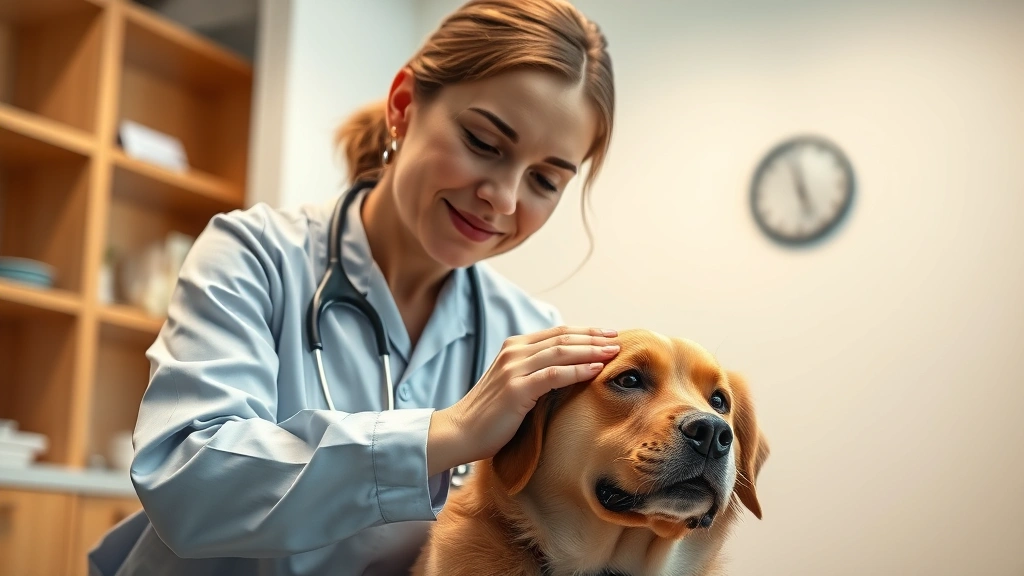
Your vet will perform a physical examination, checking each mammary gland for swelling, heat, pain, and discharge. They may also collect a milk sample for culture and sensitivity testing to identify the specific bacteria involved and determine which treatments work best.
In some cases, your veterinarian might recommend bloodwork to assess your dog’s overall health and check for signs of systemic infection. Ultrasound imaging can also help evaluate the extent of inflammation or detect abscess formation.
This diagnostic approach ensures your dog receives targeted, effective treatment rather than a one-size-fits-all approach.
Treatment Approaches for Mastitis in Dogs
Treatment typically involves a multi-faceted approach designed to eliminate infection, reduce inflammation, and keep your dog comfortable during recovery.
Your veterinarian may recommend antibiotics to address bacterial infection, though the specific medication depends on culture results and your dog’s individual health profile. Anti-inflammatory medications can help reduce swelling and pain, making nursing and daily activities more comfortable.
Supportive care—including warm compresses, gentle massage, and frequent nursing or hand expression of milk—helps prevent milk buildup and promotes healing. Some vets also recommend fever management strategies if your dog is running a temperature.
Managing Discomfort and Supporting Recovery
Beyond medications, there are several ways to help your dog feel better while her body heals. Frequent, gentle nursing or hand expression of affected glands prevents milk from accumulating and causing additional inflammation.
Warm compresses applied to affected areas for 10-15 minutes several times daily can ease pain and improve circulation. Some dogs benefit from restricted activity during the acute phase—think shorter walks and calm, quiet rest periods.
Pain management is crucial for your dog’s comfort and her willingness to allow puppies to nurse. Work closely with your vet to ensure she’s getting adequate relief without complications.
Preventing Mastitis in Nursing Dogs
Prevention is always easier than treatment. If you have a nursing dog, monitor her mammary glands daily for any signs of swelling, heat, or discharge.
Ensure puppies are nursing evenly from all glands to prevent milk buildup. If a puppy seems to favor certain glands, gently encourage rotation. Keep the nursing area clean and dry, and watch for any signs of infection or inflammation.
Proper nutrition and hydration support your dog’s immune system and milk production. A high-quality diet designed for nursing mothers provides the calories and nutrients she needs.
When to Seek Emergency Care
While mastitis is typically manageable on an outpatient basis, certain situations require urgent veterinary attention. Seek emergency care if your dog shows signs of severe illness, such as collapse, extreme lethargy, or inability to stand.
Rapidly worsening swelling, signs of sepsis (like high fever combined with weakness), or abscesses that rupture also warrant emergency evaluation. If you are unsure whether your pet needs urgent care, a quick telehealth check-in can give you peace of mind—no appointment needed.
Trust your instincts. If something feels seriously wrong, don’t wait for a regular appointment.
Supporting Your Dog’s Overall Health During Treatment
While treating mastitis, pay attention to your dog’s overall well-being. Some dogs experience nausea or loss of appetite during illness; your vet can recommend options to support appetite if needed.

Ensure she’s staying hydrated and eating enough to maintain strength and support milk production for her puppies. If she’s struggling to eat, discuss softer food options or feeding strategies with your vet.
Monitor her energy levels and mood. Most dogs begin showing improvement within 2-3 days of starting appropriate treatment, so you should notice her becoming more comfortable and engaged.
Questions About Weaning and Mastitis
If mastitis is severe or recurrent, your vet may recommend gradual weaning of puppies to reduce milk production and allow the glands to heal. This decision depends on the puppies’ age and your dog’s specific situation.
Weaning should be done gradually to prevent additional inflammation. Work with your veterinarian on a timeline that protects your dog’s health while ensuring puppies transition to appropriate nutrition.
Frequently Asked Questions
Can mastitis in dogs go away on its own?
Mild cases of non-infectious inflammation might improve with supportive care alone, but bacterial mastitis requires veterinary treatment to prevent serious complications. It’s best to have any suspected mastitis evaluated by a professional rather than hoping it resolves independently.
Is mastitis contagious to puppies?
Bacterial mastitis itself isn’t contagious, but infected milk can cause gastrointestinal upset in puppies. Your vet will advise whether nursing should continue or be temporarily paused depending on the severity of infection.
How long does mastitis treatment take?
Most dogs show significant improvement within 3-5 days of starting appropriate treatment. Complete resolution typically takes 1-2 weeks, though some cases may take longer depending on severity and your dog’s response.
Can spayed dogs get mastitis?
Yes, though it’s uncommon. Spayed dogs can develop mammary gland inflammation from trauma, hormonal changes, or rarely, from other underlying conditions. Any swelling or discharge warrants veterinary evaluation.
What’s the difference between mastitis and a mammary tumor?
Mastitis develops acutely with inflammation, pain, and often fever, while tumors typically develop slowly without acute symptoms. Your vet can distinguish between them through physical examination and diagnostic testing.
What To Do Now
- Schedule a veterinary appointment today if you notice any signs of mastitis in your nursing dog, such as swollen or painful glands, discolored discharge, or fever.
- Monitor your dog’s mammary glands daily by gently feeling each gland for warmth, swelling, or lumps, and observe the color and consistency of any discharge.
- Document symptoms and timing before your appointment—note when you first noticed swelling, any behavioral changes, and whether all glands or just one is affected.
- Keep puppies nursing regularly to prevent milk buildup, but be prepared to discuss weaning options with your vet if mastitis is confirmed.
- Prepare questions for your vet about treatment timeline, activity restrictions, and any special care your dog needs during recovery.
Summary: Mastitis in Dogs Treatment and Care
Mastitis in dogs is a treatable condition that responds well to prompt veterinary care. By recognizing early signs—swollen glands, fever, discolored discharge, or pain—you can get your dog the help she needs before complications develop.
Treatment typically combines antibiotics, anti-inflammatory support, and careful nursing management. With proper care, most dogs recover fully within 1-2 weeks and can continue nursing their puppies safely.
Don’t hesitate to reach out to your veterinarian with concerns. Whether through a routine appointment or a quick telehealth consultation, getting professional guidance gives you confidence that you’re doing everything right for your beloved pet. Your dog’s comfort and health are worth that peace of mind.