
If you’ve noticed your cat looking thinner, with visible ribs or a bony spine, you might be dealing with muscle-wasting-in-cats—a condition that worries many pet owners but is absolutely manageable when caught early. Muscle wasting, also called cachexia, happens when cats lose lean muscle mass, often due to underlying health issues, age, or nutritional challenges. The good news? Understanding what’s happening and taking action quickly can make a real difference in your cat’s comfort and quality of life.
Table of Contents
- What Is Muscle Wasting in Cats?
- Common Causes of Muscle Wasting in Cats
- Recognizing the Signs of Muscle Loss in Your Cat
- How Veterinarians Diagnose Muscle Wasting
- Nutritional Support and Dietary Adjustments
- Medications and Medical Interventions
- Lifestyle and Environmental Support
- When to Seek Urgent Veterinary Care
- Monitoring Progress and Adjusting Care
- Summary: Your Action Plan for Muscle Wasting in Cats
- Frequently Asked Questions
- What To Do Now
This article is for informational purposes only and is not a substitute for professional veterinary advice. Always consult a licensed veterinarian for diagnosis and treatment.
What Is Muscle Wasting in Cats?
Muscle wasting occurs when your cat’s body breaks down muscle tissue faster than it can rebuild it. Unlike simple weight loss, where a cat loses fat, muscle wasting specifically targets lean tissue—the very thing that keeps your cat strong and mobile.
This condition can develop gradually, which is why many owners don’t notice it right away. Your senior cat might seem a bit frailer, or your younger cat recovering from illness might not bounce back as quickly as expected. Catching this early puts you in a great position to help.
Common Causes of Muscle Wasting in Cats
Several underlying issues can trigger muscle wasting. Chronic kidney disease is one of the most common culprits in older cats, as damaged kidneys struggle to regulate protein metabolism. Hyperthyroidism, diabetes, and cancer can also accelerate muscle loss.
Even less obvious problems matter. Dental disease that makes eating painful, inflammatory bowel disease affecting nutrient absorption, and prolonged stress can all contribute. Sometimes, poor nutrition or inadequate protein intake plays a role too.
- Chronic kidney disease
- Hyperthyroidism
- Diabetes
- Cancer and other systemic illnesses
- Dental problems
- Inflammatory bowel disease
- Inadequate protein or calorie intake
- Age-related changes (sarcopenia)
Recognizing the Signs of Muscle Loss in Your Cat
The first sign is usually a visible change in your cat’s body shape. You’ll see prominent ribs, hip bones, or spine—bones that should have a light layer of muscle over them. Your cat might also feel bony when you pet them.
Beyond appearance, watch for reduced activity, weakness during play, or difficulty jumping onto furniture they once loved. Some cats become less interested in grooming themselves. If you’re noticing these changes, a veterinary evaluation is your next step. Early intervention makes a meaningful difference.
How Veterinarians Diagnose Muscle Wasting
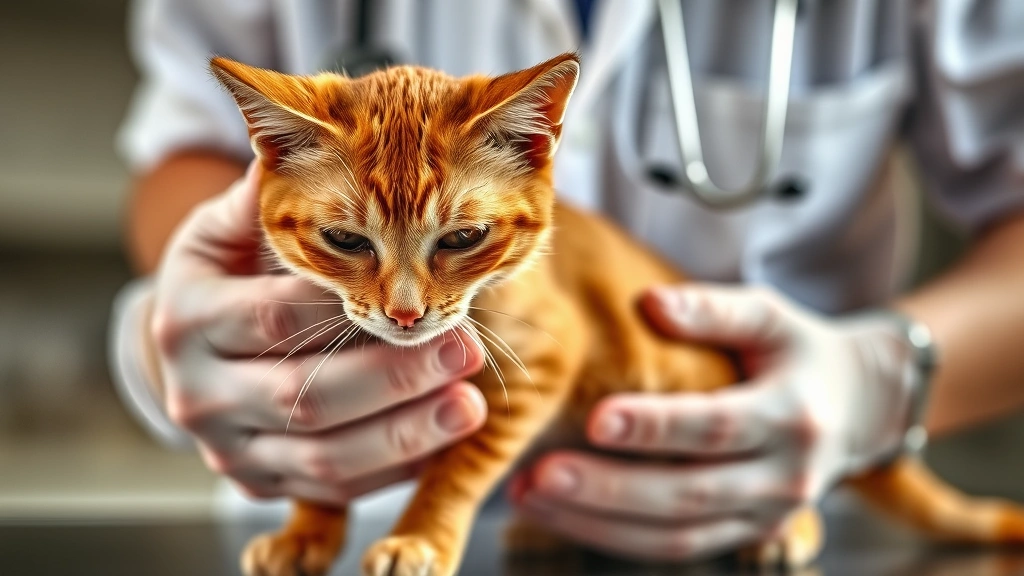
Your vet will start with a physical exam and a thorough history of your cat’s eating habits, activity level, and any recent health changes. Blood work helps identify underlying conditions like kidney disease, thyroid problems, or diabetes.
Body condition scoring—a standard assessment where vets rate your cat’s weight on a scale—helps quantify muscle loss. In some cases, additional imaging or testing might be recommended to pinpoint the root cause.
Nutritional Support and Dietary Adjustments
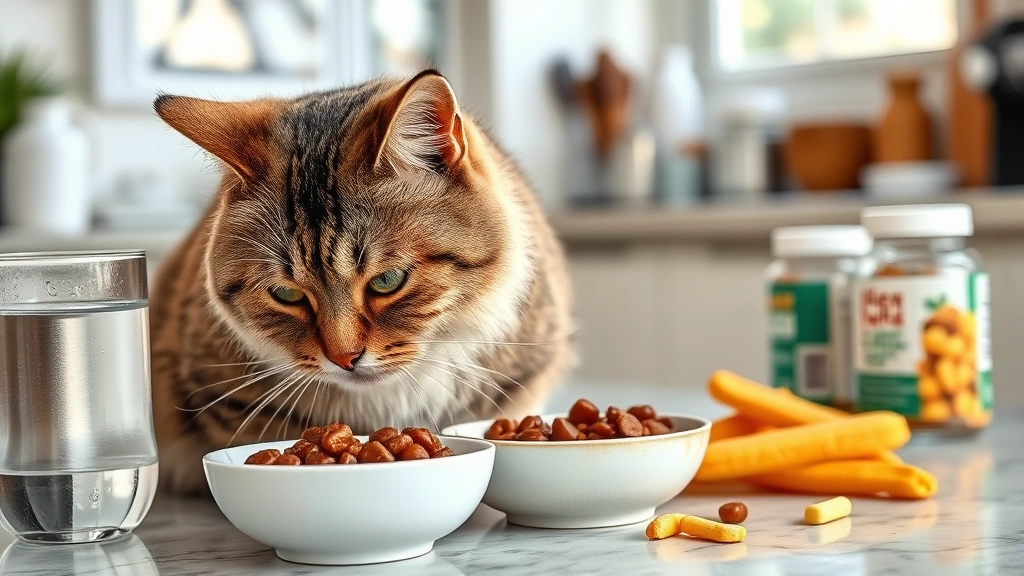
Nutrition is foundational. Cats with muscle wasting need high-quality protein to give their bodies the building blocks for muscle repair. Look for foods with named meat sources and adequate taurine, an amino acid essential for cats.
Feeding frequency matters too. Rather than one large meal, multiple smaller meals throughout the day can help with digestion and nutrient absorption. Warming food slightly can make it more appealing and easier to eat, especially for older cats.
If your cat has kidney disease, your vet might recommend low phosphorus cat food to reduce strain on the kidneys while maintaining adequate protein. For cats with other conditions, feeding for immune support with specific nutrients can help their body fight back.
Consider age appropriate feeding frequency tailored to your cat’s needs. Some cats benefit from rotating protein feeding schedule to prevent food sensitivities and ensure diverse nutrition. If digestive issues are involved, an elimination diet feeding plan can help identify problematic ingredients. And don’t overlook the role of nutrition in overall wellness—feeding for coat health often supports muscle health too.
Medications and Medical Interventions
While the title mentions medications, it’s crucial to understand that no single medication “cures” muscle wasting—instead, medications treat the underlying cause. Here’s what your vet might consider:
1. Medications for Chronic Kidney Disease: Cats with kidney disease may benefit from medications that help manage blood pressure, reduce protein loss, and support kidney function. These address the root cause of muscle wasting in many older cats.
2. Thyroid Medication: If hyperthyroidism is driving the muscle loss, thyroid-regulating medications can slow metabolism and allow your cat to retain muscle mass more effectively.
3. Appetite Stimulants: Some cats with muscle wasting lose interest in food. Your vet may recommend medications that safely stimulate appetite, helping your cat eat more and get the nutrition needed for muscle maintenance.
4. Anti-Inflammatory Medications: For cats with inflammatory conditions affecting nutrient absorption or muscle metabolism, anti-inflammatory support may be part of the plan.
5. Supplements and Amino Acid Support: Beyond traditional medications, targeted supplements—like branched-chain amino acids or omega-3 fatty acids—can support muscle health and reduce inflammation.
Your veterinarian will tailor treatment to your cat’s specific diagnosis. There’s no one-size-fits-all approach, which is why professional guidance is so important.
Lifestyle and Environmental Support
Beyond food and medication, environmental adjustments help. Ensure litter boxes, food bowls, and favorite resting spots are easily accessible—stairs or high jumps can be exhausting for a cat with muscle weakness.
Gentle play and movement, appropriate to your cat’s energy level, helps maintain muscle tone. Even short, low-intensity play sessions encourage muscle engagement without overexertion.
Keep your home warm and comfortable. Cats with muscle wasting may feel cold more easily, so cozy blankets and warm spots are appreciated.
When to Seek Urgent Veterinary Care
While muscle wasting usually develops gradually, sudden severe weakness, collapse, or inability to eat warrant immediate veterinary attention. Similarly, if your cat stops eating entirely or shows signs of pain, don’t wait for a routine appointment.
If you are unsure whether your pet needs urgent care, a quick telehealth check-in with The Pet Vet can give you peace of mind—no appointment needed. Our vets can help you assess whether your situation requires emergency care or can be managed with a scheduled visit.
Monitoring Progress and Adjusting Care
Recovery from muscle wasting takes time. Work with your vet to establish a monitoring schedule—typically every 4 to 8 weeks—to assess your cat’s body condition, weight, and overall progress.
Keep notes on your cat’s appetite, energy level, and any changes you observe. These details help your vet fine-tune the treatment plan. If progress stalls, it might be time to adjust nutrition, medications, or investigate further.
Summary: Your Action Plan for Muscle Wasting in Cats
Muscle wasting in cats is a sign that something needs attention, but it’s not a death sentence. With early recognition, proper diagnosis, and a multi-faceted approach combining nutrition, medication, and supportive care, many cats improve significantly.
The key is moving forward thoughtfully. Work closely with your veterinarian, stay consistent with treatment, and be patient—muscle rebuilds slowly, but it does rebuild.
Frequently Asked Questions
Can muscle wasting in cats be reversed?
Yes, in many cases, muscle wasting can be reversed or significantly improved when the underlying cause is treated and nutrition is optimized. Early intervention gives the best results.
Is muscle wasting painful for cats?
Muscle wasting itself isn’t painful, but the underlying condition causing it may be. Your vet can assess your cat’s comfort and recommend pain management if needed.
How long does it take to see improvement?
Improvement typically takes 4 to 12 weeks, depending on the cause and your cat’s overall health. Consistency with treatment is crucial.
Can I prevent muscle wasting in my cat?
Maintaining healthy weight, providing high-quality nutrition, regular veterinary checkups, and managing chronic conditions early can help prevent or delay muscle wasting.
What if my cat won’t eat despite appetite stimulants?
Work with your vet to explore feeding tubes, different food textures, or warming food. Sometimes a combination of strategies helps reluctant eaters get the nutrition they need.
What To Do Now
- Schedule a veterinary appointment: Describe the muscle loss you’ve noticed and any other symptoms. Bring notes on your cat’s eating habits and activity level over the past few weeks.
- Prepare a food diary: Track what your cat eats, how much, and when. This information helps your vet assess nutritional intake and identify patterns.
- Assess your home environment: Make sure food, water, litter, and resting areas are easily accessible without requiring your cat to jump or climb excessively.
- Research high-protein options: Talk to your vet about prescription or premium foods designed for cats with muscle wasting or specific health conditions.
- Consider a telehealth consultation: If you need quick guidance or want a second opinion before your in-person appointment, The Pet Vet’s telehealth service is available to help you understand next steps.