
Discovering that your cat may have nasal cancer in cats is one of the scariest conversations you can have with a veterinarian, and your concern is completely valid. This type of cancer affects the nasal passages and sinuses, and while it’s relatively uncommon, it’s important to understand what signs to watch for and what treatment options exist to help your feline companion.
Table of Contents
- What Is Nasal Cancer in Cats?
- Common Signs Your Cat May Be Experiencing Nasal Cancer
- How Veterinarians Diagnose Nasal Cancer
- Treatment Options for Feline Nasal Cancer
- Supportive Care and Symptom Management
- Nutrition’s Role in Supporting Cats With Nasal Cancer
- Prognosis and Quality of Life Considerations
- When to Seek Urgent Veterinary Care
- Working With Your Veterinary Team
- Frequently Asked Questions
- What To Do Now
- Summary
This article is for informational purposes only and is not a substitute for professional veterinary advice. Always consult a licensed veterinarian for diagnosis and treatment.
What Is Nasal Cancer in Cats?
Nasal cancer refers to malignant tumors that develop in the nasal cavity or paranasal sinuses of cats. The most common type is lymphoma, though squamous cell carcinoma and adenocarcinoma also occur. These tumors can obstruct airflow and spread to surrounding tissues if left untreated.
The disease typically affects middle-aged to older cats, though it can develop at any age. Early detection makes a meaningful difference in your cat’s quality of life and treatment outcomes.
Common Signs Your Cat May Be Experiencing Nasal Cancer
Recognizing the early warning signs is your first line of defense. Many of these symptoms can mimic other respiratory conditions, which is why veterinary evaluation is so important.
Watch for these potential indicators:
- Chronic nasal discharge (often bloody or purulent)
- Persistent sneezing or reverse sneezing
- Facial swelling or asymmetry around the nose or eyes
- Noisy or labored breathing through the nose
- Loss of appetite or difficulty eating
- Pawing at the face or nose
- Bad breath or oral odor
- Lethargy or decreased activity levels
If your cat is showing any of these signs, catching this early puts you in a great position to help your veterinarian develop the best care plan. Don’t wait—these symptoms deserve professional evaluation.
How Veterinarians Diagnose Nasal Cancer
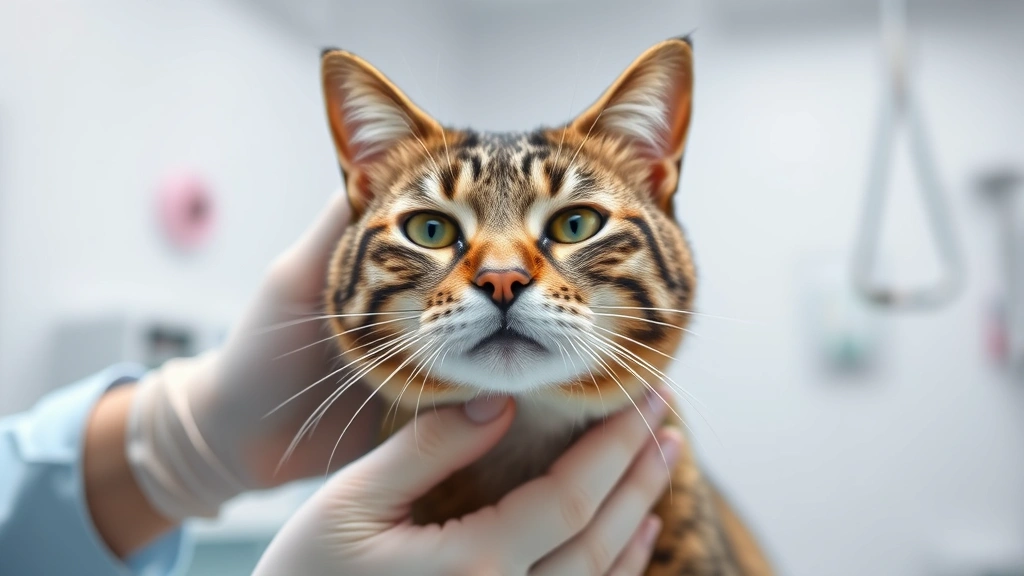
Your veterinarian will begin with a thorough physical examination and medical history. They’ll ask detailed questions about when symptoms started and how they’ve progressed.
Diagnostic tools typically include:
- Imaging: CT scans or X-rays reveal tumor location, size, and extent
- Nasal Scope: Direct visualization of nasal passages allows for tissue sampling
- Biopsy: Tissue samples confirm the cancer type and grade
- Blood Work: Baseline bloodwork assesses overall health before treatment
These diagnostics help your vet determine the cancer stage and create a personalized treatment strategy tailored to your cat’s specific situation.
Treatment Options for Feline Nasal Cancer
Treatment approaches vary depending on the cancer type, stage, and your cat’s overall health. Most cats benefit from a combination approach rather than a single therapy.
Radiation Therapy
Radiation is often considered the gold standard for nasal cancer in cats. It targets cancer cells directly while minimizing damage to healthy tissue. Many cats tolerate radiation well, and it can significantly extend survival time and improve quality of life.
Radiation typically requires multiple sessions over several weeks. Your cat will need to be sedated or anesthetized for each treatment, which your veterinarian will discuss in detail.
Chemotherapy
Chemotherapy may be recommended alone or alongside radiation. It works systemically throughout the body and can help control cancer spread. Some cats tolerate chemotherapy remarkably well with minimal side effects.

Your veterinarian will discuss specific protocols, potential side effects, and monitoring requirements. The goal is to maximize benefit while maintaining your cat’s comfort and quality of life.
Surgical Intervention
Surgery is rarely curative for nasal cancer but may be considered in specific cases to remove accessible tumors or relieve severe airway obstruction. Your veterinarian will evaluate whether surgery is appropriate for your cat’s situation.
Supportive Care and Symptom Management
Beyond cancer-directed treatments, supporting your cat’s overall well-being is crucial. Supportive care addresses symptoms and maintains quality of life throughout treatment.
Key supportive measures include:
- Pain management medications to keep your cat comfortable
- Anti-nausea medications if your cat experiences gastrointestinal upset
- Appetite stimulants to encourage eating during treatment
- Nutritional support—consider feeding for immune support to help your cat’s body fight the disease
- Environmental modifications to reduce stress
Regular monitoring and adjustments ensure your cat remains as comfortable as possible. Your veterinarian may recommend bloodwork between treatments to catch any complications early.
Nutrition’s Role in Supporting Cats With Nasal Cancer
What your cat eats matters tremendously during cancer treatment. Proper nutrition supports immune function and helps your cat maintain strength and body weight.
High-quality, protein-rich diets support muscle maintenance. Some cats benefit from specialized cancer-fighting diets formulated by veterinary nutritionists. If your cat has difficulty eating due to nasal obstruction, wet food or softened kibble may be easier to consume.
Work with your veterinarian to develop a nutrition plan. If your cat experiences ongoing digestive issues, exploring elimination diet feeding plans might help identify and remove problematic ingredients.
Prognosis and Quality of Life Considerations
The prognosis for nasal cancer in cats varies based on cancer type, stage at diagnosis, and how your cat responds to treatment. Lymphoma typically has a better prognosis than carcinomas, and early-stage cancers generally respond more favorably.
With radiation therapy, many cats experience remission and extended survival times—sometimes measured in years rather than months. However, every cat is unique, and your veterinarian can provide personalized estimates based on your cat’s specific diagnosis.
Quality of life should always guide treatment decisions. If your cat is suffering or treatment is causing more harm than benefit, discussing palliative care options with your veterinarian is important and compassionate.
When to Seek Urgent Veterinary Care
Certain situations require immediate veterinary attention. If your cat experiences severe difficulty breathing, sudden collapse, or inability to eat or drink, seek emergency care right away.
Additionally, contact your veterinarian promptly if:
- Symptoms worsen suddenly despite treatment
- Your cat shows signs of infection (fever, lethargy, swelling)
- Medication side effects become severe
- Your cat stops eating for more than 24 hours
If you’re unsure whether your pet needs urgent care, a quick telehealth check-in can give you peace of mind—no appointment needed. The Pet Vet is here to help you navigate these decisions any time.
Working With Your Veterinary Team
Your relationship with your veterinarian is your greatest asset. Open communication about your cat’s symptoms, your concerns, and your treatment goals ensures everyone is working toward the same outcome.
Don’t hesitate to ask questions about diagnosis, treatment options, costs, and prognosis. Request written summaries of recommendations. If you want a second opinion, reputable veterinarians welcome this—it’s about what’s best for your cat.
Keep detailed records of symptoms, medication schedules, and how your cat responds to treatment. This information helps your vet make informed adjustments to the care plan.
Frequently Asked Questions
Is nasal cancer in cats contagious to other pets or humans?
No, nasal cancer is not contagious. It’s a disease specific to your individual cat and cannot spread to other animals or people in your household.
How long can a cat live with nasal cancer?
Survival time varies widely depending on cancer type and stage. Some cats live months, while others with early detection and radiation therapy may live 1-3 years or longer. Your vet can provide estimates based on your cat’s specific diagnosis.
What is the cost of treating nasal cancer in cats?
Treatment costs vary significantly based on the approach chosen. Radiation therapy, diagnostics, and chemotherapy can range from several thousand to tens of thousands of dollars. Discuss financial options and payment plans with your veterinary clinic.
Can nasal cancer be prevented in cats?
There’s no proven prevention strategy for nasal cancer. Maintaining overall health, avoiding environmental toxins, and catching symptoms early are your best approaches to supporting your cat’s well-being.
What should I do if my cat is diagnosed with nasal cancer?
Take time to process the diagnosis, ask your vet detailed questions about treatment options, and consider seeking a second opinion from a veterinary oncologist. Focus on your cat’s comfort and quality of life as you make decisions together.
What To Do Now
If you suspect your cat may have nasal cancer or are dealing with a recent diagnosis, here are concrete steps to take:
- Schedule a veterinary examination: Don’t delay—bring your cat in for professional evaluation if you’ve noticed persistent nasal symptoms or facial changes.
- Gather medical records: Compile your cat’s health history, previous test results, and a detailed timeline of current symptoms to share with your veterinarian.
- Research veterinary oncologists: If your regular vet recommends oncology care, ask for referrals to board-certified veterinary oncologists in your area who specialize in nasal cancer treatment.
- Discuss all treatment options: Have an in-depth conversation with your vet about radiation, chemotherapy, surgery, and supportive care—including costs, timelines, and realistic outcomes.
- Prioritize your cat’s comfort: Work with your vet to develop a comprehensive pain and symptom management plan that keeps quality of life at the center of every decision.
Summary
Nasal cancer in cats is serious, but modern veterinary medicine offers meaningful treatment options that can extend survival and maintain quality of life. Early detection through vigilance about symptoms like chronic nasal discharge, sneezing, and facial swelling gives your cat the best chance at a positive outcome.
Radiation therapy, chemotherapy, and supportive care—combined with excellent nutrition and your unwavering commitment to your cat’s comfort—create a comprehensive approach to fighting this disease. Work closely with your veterinarian, don’t hesitate to ask questions, and remember that seeking a second opinion from a veterinary oncologist is always reasonable.
Your cat is lucky to have someone who cares enough to learn about this condition and explore every option. Focus on the present moment, celebrate good days, and trust your veterinary team to guide you through this challenging journey.