
Nasal congestion in cats is a common and treatable condition caused by inflammation from infections, allergies, or other factors, which significantly impacts their ability to breathe, eat, and function since they are obligate nasal breathers. Multiple medication options including saline drops, antihistamines, decongestants, corticosteroids, antibiotics, and antivirals can effectively restore normal breathing, though veterinary consultation is essential for proper diagnosis and treatment.
“`html
Table of Contents
- Understanding Nasal Congestion in Cats
- Saline Nasal Drops: The Gentle First Step
- Antihistamines for Allergic Congestion
- Decongestants: Quick Relief Options
- Corticosteroids for Inflammation
- Antibiotics for Bacterial Infections
- Antiviral Medications
- Bronchodilators for Breathing Support
- Complementary Care at Home
- What To Do Right Now
- When Medications Aren’t Enough
- Frequently Asked Questions
If you’ve noticed your cat sniffling, sneezing constantly, or struggling to breathe through their nose, you’re not alone. Nasal congestion in cats is surprisingly common and incredibly frustrating for both you and your feline friend.
This article is for informational purposes only and is not a substitute for professional veterinary advice. Always consult a licensed veterinarian for diagnosis and treatment.
Unlike humans who can mouth-breathe when congested, cats are obligate nasal breathers. Their noses are their lifeline for oxygen. When that pathway closes up, it affects eating, sleeping, and playtime.
The good news? Nasal congestion in cats is highly treatable. Whether your cat’s congestion stems from allergies, an infection, or another cause, several proven medications can help restore normal breathing. It is completely normal to feel worried — catching this early puts you in a great position to help.
Understanding Nasal Congestion in Cats
Nasal congestion happens when tissues lining your cat’s nasal passages become inflamed or swollen. Think of it like when you have a cold—except your cat can’t switch to breathing through their mouth to compensate.
Common causes include:
- Upper respiratory infections (viral or bacterial)
- Environmental allergies, pollen, and dust mites
- Nasal polyps or tumors
- Foreign objects stuck in the nose
Signs your cat may be experiencing congestion:
- Excessive sneezing
- Nasal discharge
- Difficulty eating or loss of appetite
- Changes in their meow or voice
- Pawing at their face repeatedly
- Unusual tiredness (breathing takes extra effort)
Loss of appetite is particularly concerning since cats rely heavily on smell to enjoy food.
Contact your vet if:
- Symptoms last more than a week
- You see blood in the discharge
- Your cat stops eating
- Breathing becomes labored
- Your cat seems to be getting worse despite treatment
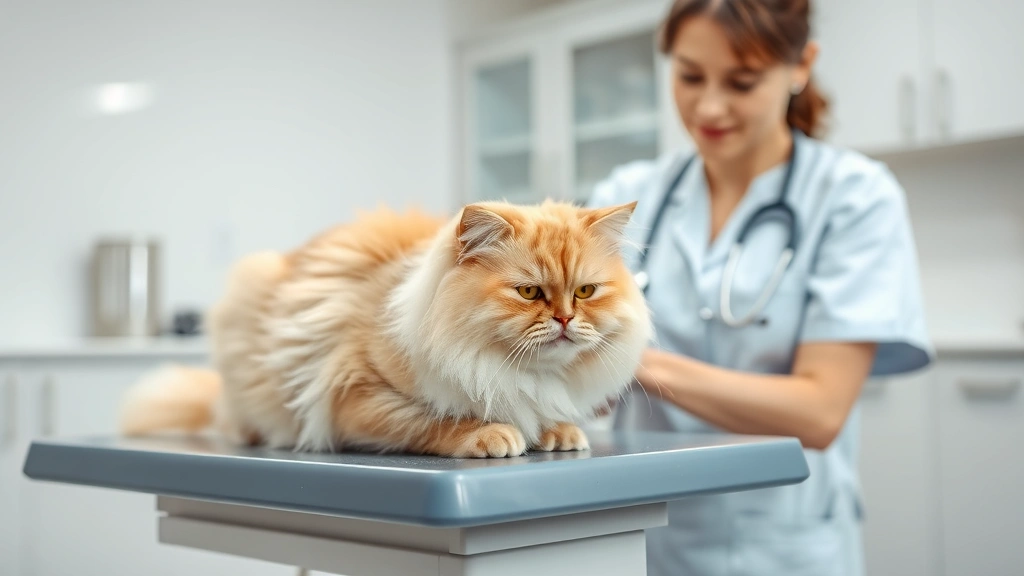
Saline Nasal Drops: The Gentle First Step
Saline nasal drops are simply salt water in the right concentration. They work by moisturizing and loosening the mucus clogging your cat’s nose, making it easier for congestion to clear naturally.
Why saline is a great option:
- Virtually no side effects
- No interactions with other medications
- No risk of overdose
- Safe to use multiple times daily
- Most cats tolerate it well
How to administer saline drops:
- Hold your cat gently and tilt their head back slightly
- Place one or two drops in each nostril using a dropper
- Massage the nose softly to help the solution work
- Gently wipe the nose with a warm, damp cloth
Saline works best for mild to moderate congestion, especially when caught early. It’s also excellent as a complementary treatment alongside medications that address the underlying cause. For severe bacterial infections or chronic conditions, saline alone typically won’t be enough—but it’s a valuable part of any complete treatment plan.
Antihistamines for Allergic Congestion
When allergies are behind your cat’s congestion, antihistamines can be game-changers. These medications block histamine, a chemical your cat’s body releases during allergic reactions. By stopping that cascade, you reduce swelling in the nasal passages and restore airflow.
Important safety notes:
- Never give your cat human allergy medications without explicit veterinary approval
- Many over-the-counter products contain ingredients toxic to felines
- Always get dosing instructions from your vet
- Amounts used for cats differ significantly from human doses
Possible side effects (usually mild and temporary):
- Drowsiness
- Dry mouth
- Occasionally urinary retention
Monitor your cat carefully after starting antihistamines and report any concerning behavior to your veterinarian right away.
Antihistamines work particularly well for cats with seasonal allergies or food sensitivities. If you suspect your cat’s congestion is allergy-related, explore whether dietary adjustments might help too. Learn more about how feeding adjustments can reduce seasonal allergies in cats.
Decongestants: Quick Relief Options
Need faster relief? Decongestants work through a different mechanism than antihistamines. They constrict blood vessels in the nasal passages, reducing swelling and opening airways. Many work within minutes when your cat is really struggling to breathe or eat.
Important cautions about decongestants:
- Shouldn’t be used long-term (typically limit to 7-10 days maximum)
- Prolonged use can cause rebound congestion (congestion returns worse when you stop)
- Cats with heart conditions or high blood pressure may not be candidates
- Always follow your veterinarian’s specific instructions about frequency and duration
These medications are best reserved for getting your cat through acute congestion while other medications address the underlying cause.
Corticosteroids for Inflammation
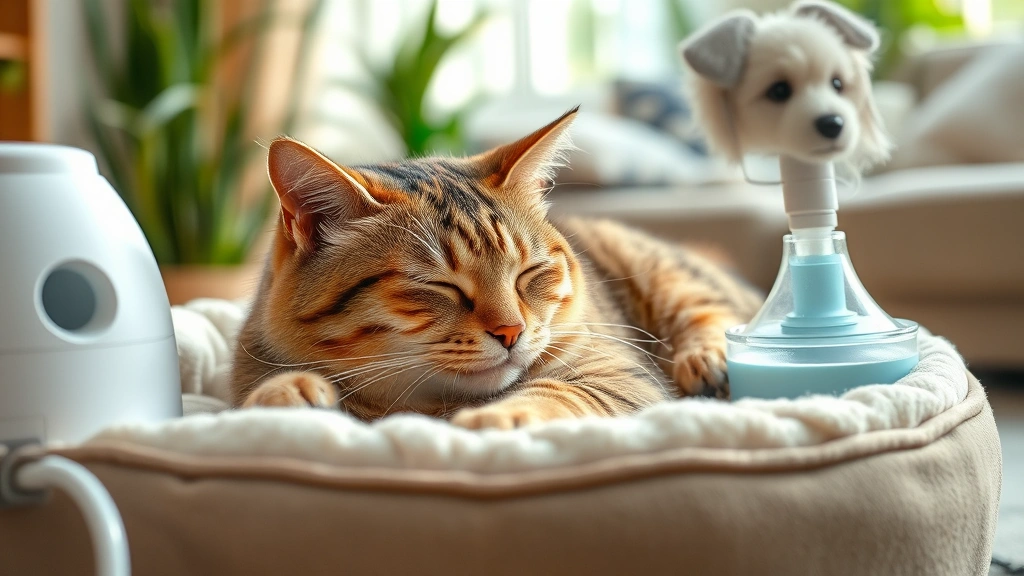
When inflammation is the main problem, corticosteroids are powerful tools. Unlike antihistamines that target one specific chemical, corticosteroids broadly reduce inflammation throughout the nasal passages and sinuses. This makes them especially effective for severe or persistent congestion.
Your veterinarian might prescribe corticosteroids as nasal sprays, drops, oral tablets, or injections depending on your cat’s needs and temperament.
What to know about long-term corticosteroid use:
- Requires careful monitoring by your veterinarian
- Can lead to increased thirst and urination
- May cause weight gain
- Can suppress immune function
- Periodic check-ups and blood work recommended for extended use
Corticosteroids are particularly helpful for chronic rhinitis or inflammation-driven congestion. Your vet will determine the lowest effective dose for the shortest necessary duration to minimize risks while maximizing benefits.
Antibiotics for Bacterial Infections
When bacteria are causing or complicating your cat’s congestion, antibiotics become essential. These infections often develop after viral upper respiratory infections or strike independently.
Your veterinarian selects the best antibiotic based on what bacteria likely caused the infection and, when possible, culture results that identify the specific culprit.
Critical points about antibiotic treatment:
- Complete the full course even if your cat seems better
- Stopping early allows resistant bacteria to survive and multiply
- Most courses run 7-14 days depending on the medication and severity
- You should see improvement within 2-3 days (less discharge, decreased sneezing, better appetite)
- Contact your vet if these signs don’t appear
Antiviral Medications
Viral infections account for many cases of feline nasal congestion, especially those caused by feline herpesvirus or calicivirus. Antiviral medications help your cat’s immune system fight these viruses more effectively by interfering with viral replication.
These medications work best when started early—ideally within the first few days of symptoms appearing.
What to understand about antivirals:
- They reduce severity and duration of illness
- They don’t eliminate viruses that become latent (like herpesvirus)
- Your cat might carry the virus dormant and experience flare-ups during stress
- Think of them as giving your cat’s immune system the boost it needs to control infection
Many mild viral respiratory infections in cats resolve on their own with supportive care alone. Your veterinarian will assess whether antivirals make sense for your cat’s particular situation.
Bronchodilators for Breathing Support
Bronchodilators deserve mention as part of comprehensive congestion management, particularly when congestion extends into the lower respiratory tract. These medications relax smooth muscles in the airways, allowing easier airflow through the lungs.
Relief can come within minutes, which is incredibly helpful when your cat is visibly struggling to breathe.
Key points about bronchodilators:
- Not typically used as first-line treatment for simple nasal congestion
- Reserved for cats whose congestion affects the entire respiratory system
- Usually delivered through metered-dose inhalers with spacers designed for cats
- Your veterinarian will demonstrate proper inhaler technique
When combined with other medications addressing the root cause of congestion, bronchodilators significantly improve outcomes and quality of life for moderately to severely affected cats.
Complementary Care at Home
Medications do the heavy lifting, but several home care approaches dramatically enhance recovery and keep your cat comfortable during treatment.
Humidity is your friend. A humidifier in the room where your cat spends most time keeps nasal passages moist and less irritated. Alternatively, run hot water in a bathroom and let your cat relax there for short periods. Increased moisture makes it easier for congestion to clear naturally.
Support good nutrition. Congested cats often lose appetite because they can’t smell their food as well. Offer warm, strongly scented foods to encourage eating. Ensure fresh water is always available, and consider a water fountain to encourage drinking. Hydration helps thin mucus and promotes drainage. Learn more about feeding strategies that support immune function in cats.
Minimize irritants. Keep your home free of smoke, strong chemical odors, and excessive dust. Clean litter boxes and bedding regularly. Ensure good air circulation while maintaining comfortable humidity levels.
Create a comfortable recovery space. Provide a quiet, warm area where your cat can rest undisturbed. Keep food, water, and litter boxes easily accessible since climbing and exertion become difficult with congestion. Gently wipe nasal discharge from your cat’s face with a warm, damp cloth several times daily.
What To Do Right Now
If your cat is currently experiencing nasal congestion, follow these practical steps today:
- Write down the symptoms and when they started. Note when sneezing began, any discharge color, changes in eating, and how your cat’s breathing sounds. This information helps your vet make an accurate diagnosis.
- Schedule a veterinary appointment. Your vet needs to examine your cat to determine the cause and recommend appropriate treatment. Don’t delay if symptoms are severe.
- Set up a humidifier or create steam. Start increasing humidity in your cat’s environment right away to ease breathing while you wait for your appointment.
- Offer warm, aromatic foods. Try warming your cat’s regular food or offering strong-smelling options like tuna or chicken to encourage eating despite congestion.
- Keep your cat comfortable and calm. Provide a quiet resting space with easy access to food, water, and litter. Stress can worsen symptoms.
If you are unsure whether your pet needs urgent care, a quick telehealth check-in can give you peace of mind — no appointment needed.
When Medications Aren’t Enough
Most cases of feline nasal congestion respond beautifully to appropriate medications and supportive care. However, some situations require additional investigation and advanced treatment.
Seek additional veterinary care if:
- Symptoms persist beyond two weeks despite treatment
- Symptoms progressively worsen
- You notice fever or facial swelling
- Your cat shows eye problems or signs of systemic illness
- Your cat’s condition deteriorates or plateaus despite appropriate medication
Your veterinarian might recommend nasal cultures to identify specific bacteria or fungi, imaging studies like X-rays or CT scans to visualize the nasal passages clearly, or nasal endoscopy to directly visualize what’s happening inside.
When surgery may be necessary:
- Nasal polyps or tumors
- Severe structural abnormalities
- Foreign bodies that don’t dislodge with saline irrigation
Surgical removal can permanently resolve congestion caused by these physical obstructions.
Even after congestion resolves, keep recommended follow-up appointments. Some cats develop chronic rhinitis requiring ongoing management and periodic reassessment. Regular veterinary monitoring catches complications early and allows treatment plan adjustments as needed.
Conclusion
Nasal congestion in cats is uncomfortable, but it’s also very manageable with the right approach. You have several medication options to work with—saline drops for gentle relief, antihistamines for allergies, decongestants for rapid symptom improvement, corticosteroids for powerful anti-inflammatory action, antibiotics for bacterial infections, antivirals for viral causes, and bronchodilators for breathing support.
Combined with thoughtful home care, these options address virtually any cause of feline nasal congestion. The most important step is getting professional assessment. Your veterinarian’s expertise ensures your cat receives the right medication for their specific situation.
With proper treatment and supportive care, most cats recover completely and return to their normal, playful selves. The sooner you intervene, the sooner your feline friend can breathe easy again.
Frequently Asked Questions
How long does it typically take for nasal congestion medication to work in cats?
Decongestants and saline drops can work within minutes to hours. Antihistamines and antibiotics usually show improvement within 2-3 days. Corticosteroids and antivirals may take several days to provide noticeable relief.
Can I use over-the-counter human nasal decongestants on my cat?
No, never use human medications without explicit veterinary approval. Many contain ingredients toxic to cats, and dosages are completely different. Always consult your veterinarian before administering any medication.
Is nasal congestion in cats contagious to other cats?
If the congestion is caused by viral infections like herpesvirus or calicivirus, it may spread to other cats. Bacterial infections are less contagious. Keep your congested cat separate from other cats when possible until your veterinarian confirms they’re no longer infectious.
What’s the difference between nasal discharge and normal cat sneezing?
Occasional sneezing is normal in cats. However, frequent sneezing combined with visible discharge, difficulty eating, or breathing problems indicates congestion requiring veterinary attention.
Can allergies cause chronic nasal congestion in cats?
Yes, environmental and food allergies commonly cause chronic rhinitis in cats. Long-term management with antihistamines, corticosteroids, or dietary changes may be necessary for cats with chronic allergic congestion.
“`