
Norwegian Forest Cat grooming is a bigger commitment than most new owners expect. This breed was built for cold Scandinavian winters, and their long, water-resistant double coat sheds heavily, mats easily in certain spots, and changes dramatically with the seasons. Getting into the right routine early keeps your cat comfortable, prevents painful mats, and cuts down on the amount of fur you find on your couch.
Table of Contents
- Why the Norwegian Forest Cat Coat Is Different
- Seasonal Shedding Patterns to Expect
- Building a Grooming Routine That Works
- Choosing the Right Tools for a Double Coat
- Spotting and Handling Mats Early
- Bathing Considerations for a Water-Resistant Coat
- Skin Health Underneath the Coat
- Nail Trims and Paw Care
- Ear and Eye Care During Grooming
- Grooming as a Bonding and Health-Check Opportunity
- When Professional Grooming Makes Sense
- Diet’s Role in Coat Health
- Signs a Grooming Issue Needs Vet Attention
- Building Patience Into the Process
Why the Norwegian Forest Cat Coat Is Different
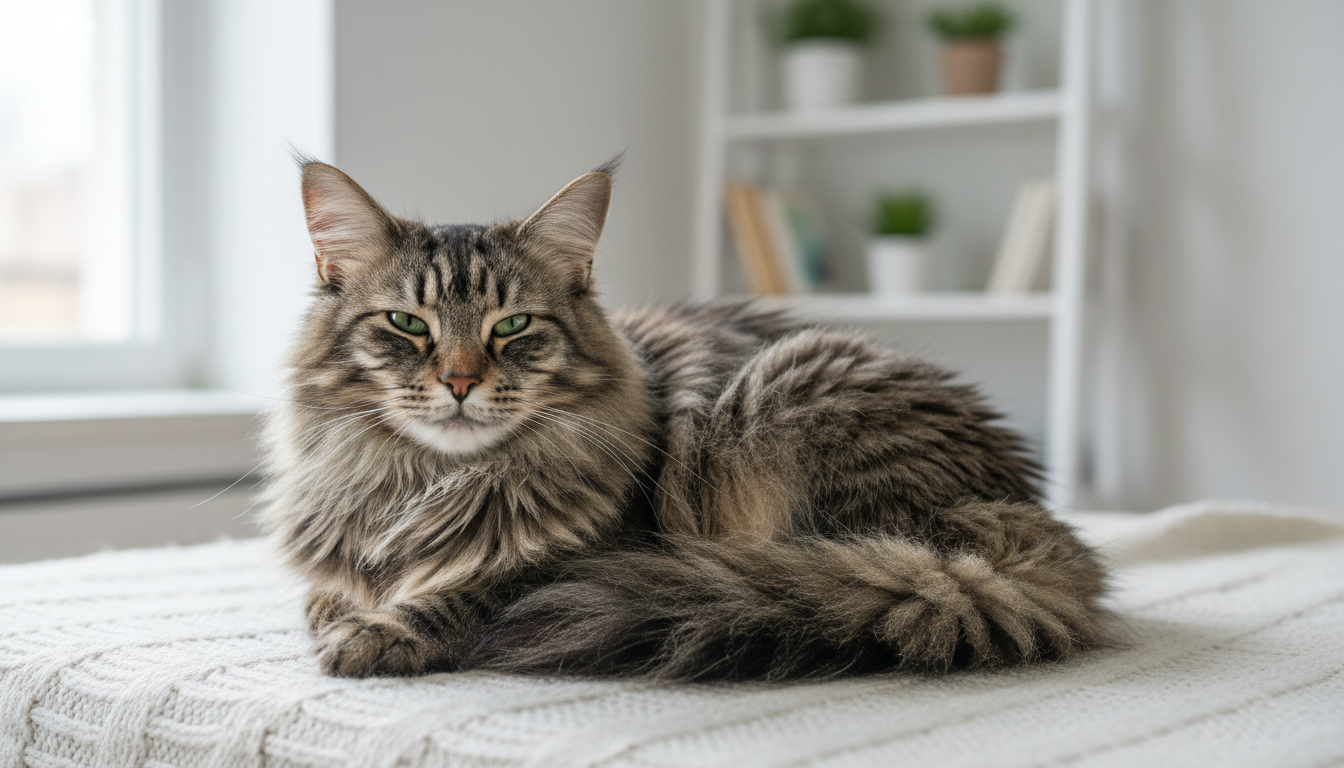
Norwegian Forest Cats carry a true double coat, meaning they have a dense, wooly undercoat for insulation and a longer, water-repellent guard hair layer on top. This combination evolved to protect them from harsh outdoor climates, and it means their fur behaves very differently from a short-haired cat’s. The undercoat is thick enough that it can trap loose hair, dirt, and moisture close to the skin if it isn’t brushed out regularly.
Because the coat is layered, a cat that looks fine on the surface can still have a dense mat forming underneath, especially around the armpits, belly, and behind the ears. Owners who only run a brush over the top layer often miss what’s happening closer to the skin. Understanding that this is a two-layer system helps explain why grooming tools and techniques matter so much for this particular breed.
The coat also has a distinctive ruff around the neck, britches on the back legs, and a long, plumed tail, all of which need separate attention during grooming sessions. These longer sections are more prone to tangling than the shorter fur on the body, so they usually need extra time and a gentler touch.
Seasonal Shedding Patterns to Expect
Norwegian Forest Cats go through noticeable shedding cycles, particularly as the seasons change in spring and fall. During these periods, they often “blow” their undercoat, releasing large amounts of loose fur over a few weeks. This is a normal part of their biology and not a sign of illness, but it does mean grooming needs increase significantly during these windows.
Indoor cats living in climate-controlled homes may shed a bit more evenly throughout the year compared to cats with more exposure to natural daylight and outdoor temperature shifts. Either way, it helps to recognize when your cat is in a heavier shedding phase so you can adjust your grooming frequency rather than sticking to a fixed schedule year-round.
- Spring shedding usually involves the undercoat thinning out as the weather warms
- Fall shedding often brings in a denser coat ahead of winter
- Indoor cats may show subtler shedding patterns than cats with outdoor access
- Stress, illness, or hormonal changes can also trigger unusual shedding, which is worth mentioning to your vet
Building a Grooming Routine That Works
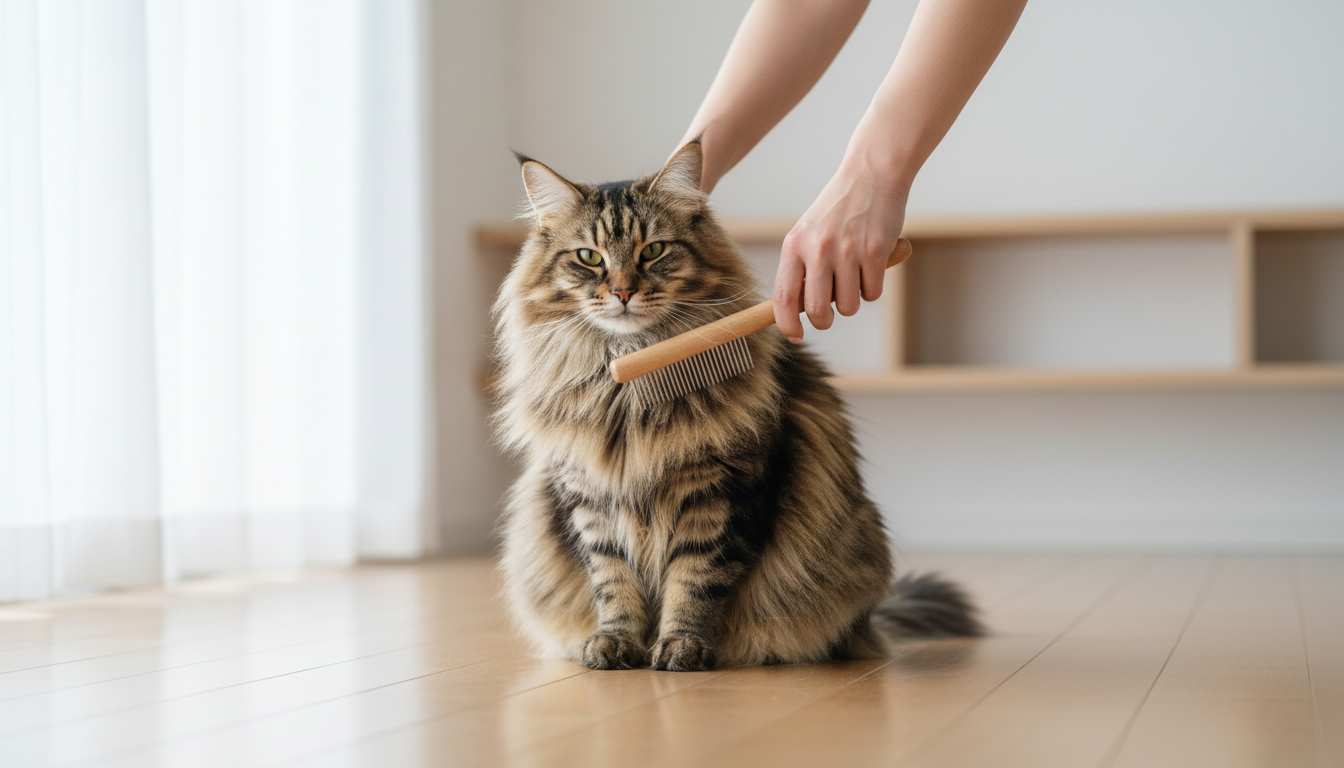
Consistency matters more than intensity when it comes to grooming a Norwegian Forest Cat. Short, regular sessions of five to ten minutes several times a week tend to work better than occasional long grooming marathons, which can stress the cat and make mats harder to manage once they’ve already formed. Starting grooming sessions when your cat is calm, such as after a meal or during a quiet part of the day, helps set a positive tone.
Working in sections rather than trying to brush the entire body at once keeps sessions manageable for both of you. Many owners find it helpful to start with the back and sides, where the coat is less sensitive, before moving to trickier areas like the belly, legs, and the base of the tail. Going slowly and watching your cat’s body language lets you stop before discomfort turns into a struggle.
- Aim for several short sessions a week rather than one long weekly session
- Start in less sensitive areas before moving to the belly and legs
- Use treats or calm praise to build positive associations with brushing
- Increase frequency during spring and fall shedding periods
Choosing the Right Tools for a Double Coat
Not every brush is suited to a double-coated breed like this one. A wide-toothed comb is useful for checking for mats and working through tangles without pulling too hard on the skin, while a slicker brush can help remove loose undercoat fluff once tangles are cleared. Many owners use a combination of tools depending on the stage of grooming and the section of the body being worked on.
It’s worth being cautious with tools designed to strip undercoat aggressively, since a Norwegian Forest Cat’s coat structure means overuse can leave uneven patches or irritate the skin if not used correctly. If you’re unsure which tools suit your cat’s coat texture, your vet or a professional groomer experienced with long-haired breeds can point you toward options that won’t cause damage.
- A wide-toothed comb helps detect mats before they become severe
- A slicker brush works well for loosening dead undercoat
- Avoid tools that pull or tug rather than glide through fur
- Ask a groomer familiar with double coats for tool recommendations specific to your cat
Spotting and Handling Mats Early
Mats tend to form in predictable places on this breed, including behind the ears, under the front legs, and around the hind end. These areas experience more friction from movement and are harder for a cat to reach when self-grooming. Running your hands over these spots regularly, even between full grooming sessions, helps you catch small tangles before they tighten into painful mats.
Small mats can sometimes be gently worked loose with a comb, starting at the outer edge and slowly loosening the tangle rather than pulling straight through. Larger or tighter mats are best left to a professional groomer or your vet, since attempting to cut them out yourself risks nicking the skin, which is thin and can be closer to the mat than it appears. Never use scissors close to the skin at home if you’re not confident about what’s underneath the tangle.
- Check behind the ears, under the arms, and around the hind end frequently
- Loosen small mats gently from the outer edge inward
- Leave large or tight mats to a professional to avoid skin injury
- Contact your vet if a mat seems to be pulling on the skin or causing visible discomfort
Bathing Considerations for a Water-Resistant Coat
Norwegian Forest Cats generally don’t need frequent baths, thanks in part to their naturally water-repellent guard hairs. Over-bathing can actually strip natural oils that help keep the coat healthy, so most cats do fine with occasional baths only when truly needed, such as after getting into something sticky or dirty. When a bath is necessary, using a cat-specific shampoo and rinsing thoroughly helps prevent residue from irritating the skin under that dense coat.
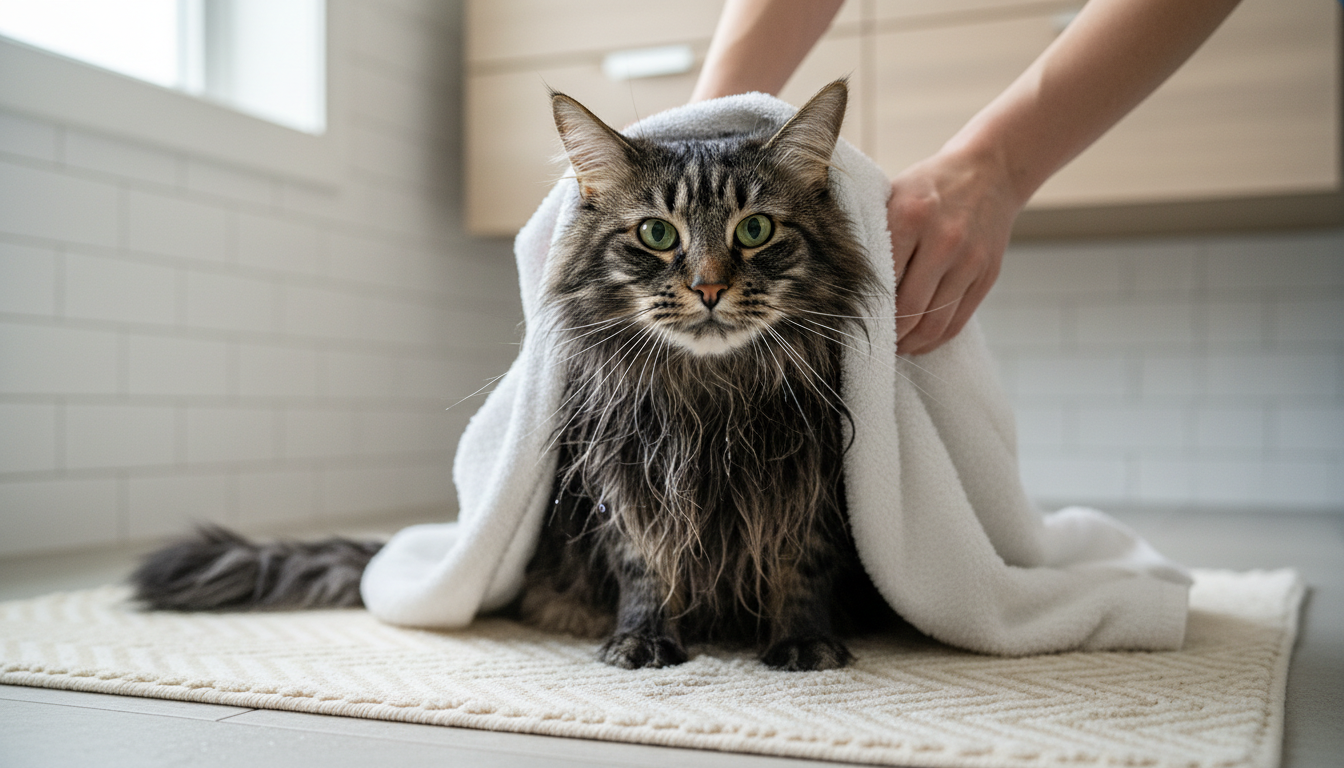
Because the coat is thick, drying is a bigger job than with a short-haired cat. Towel drying followed by a low, cool setting on a pet-safe dryer, held at a safe distance, can help speed things along and reduce the chance of the undercoat staying damp for long periods. A coat that stays wet near the skin for too long can contribute to skin irritation, so thorough drying matters just as much as the bath itself.
Skin Health Underneath the Coat
Because the coat is so dense, skin problems can go unnoticed longer than they would on a short-haired cat. Redness, flaking, odor, or excessive scratching are all worth checking for during grooming sessions, since these signs are easier to miss under a thick double coat than they would be on bare skin. Parting the fur in a few spots during each session gives you a chance to glance at the skin itself, not just the hair on top.
If you notice any unusual bumps, sores, or areas that seem unusually greasy or dry, it’s worth having your vet take a look rather than assuming it’s just a coat issue. Skin conditions can sometimes hide under mats or thick fur for longer than expected, so a vet visit is the safest way to rule out something that needs treatment.
Nail Trims and Paw Care
Grooming a Norwegian Forest Cat isn’t only about the coat. Their paws often have tufts of fur growing between the toes, which can trap debris or contribute to slipping on smooth floors if left too long. Trimming the fur between the pads carefully, or having a groomer do it, keeps their footing steady and reduces the amount of litter or outdoor debris that gets tracked or trapped.
Regular nail trims are also part of a complete grooming routine, and many owners fold this into the same sessions as brushing to keep their cat used to being handled all over. If your cat resists nail trims or paw handling, going slowly and rewarding calm behavior over several short sessions tends to work better than trying to finish everything in one sitting.
Ear and Eye Care During Grooming
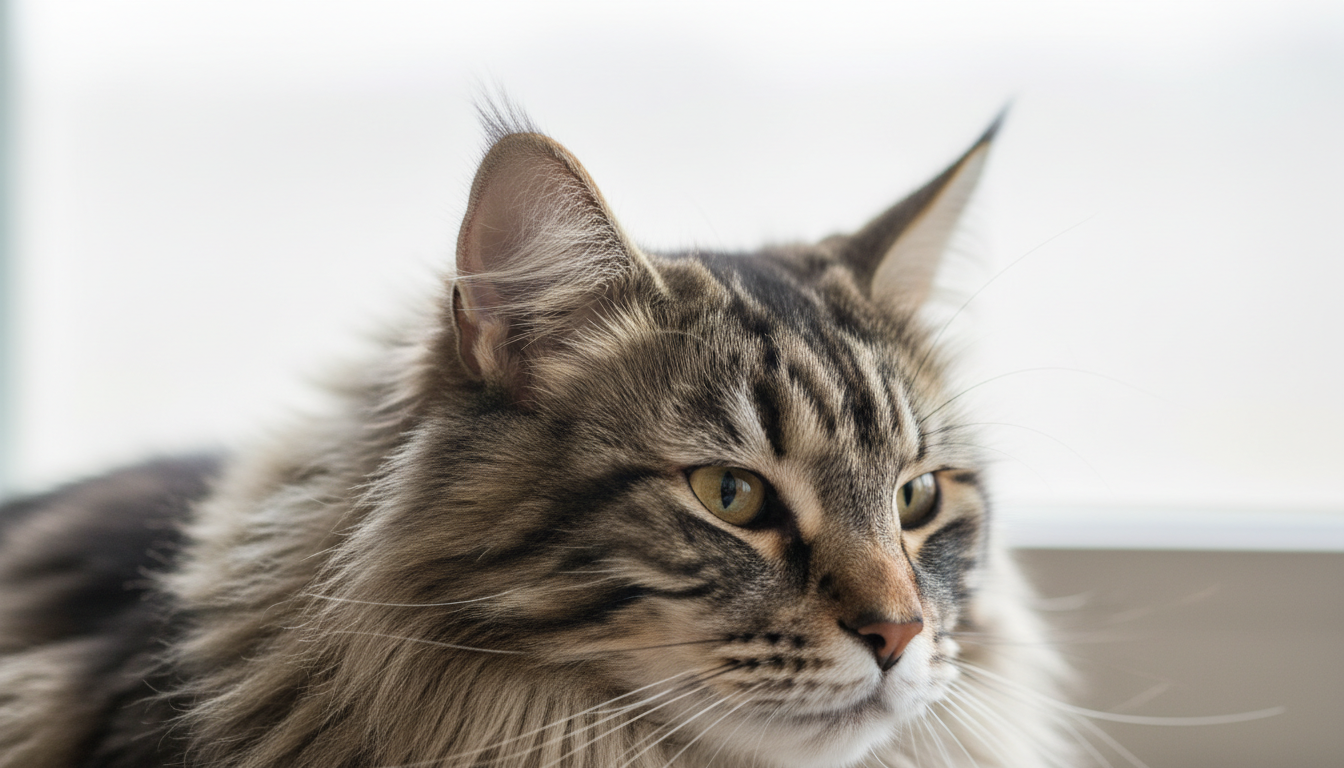
The tufted ears that give this breed part of its distinctive look can also trap dirt and debris more easily than smooth-eared cats. Gently checking the ears during grooming sessions for excess wax, odor, or debris helps you catch early signs of an ear problem before it progresses. Cleaning should only be done with products recommended by your vet, since the ear canal is sensitive and easy to irritate with the wrong approach.
Eyes are worth a quick glance too, particularly checking for discharge or crusting that can accumulate in the fur around the face. Wiping gently with a damp, soft cloth can help keep the area clean, but any ongoing discharge, redness, or squinting should be checked by your vet rather than managed at home indefinitely.
Grooming as a Bonding and Health-Check Opportunity
Regular grooming sessions do more than just manage shedding and mats. They give you a consistent opportunity to notice changes in your cat’s body, such as new lumps, weight changes, or areas of sensitivity that might otherwise go unnoticed between vet visits. Many owners find that cats who are used to being handled regularly during grooming are also calmer during actual vet exams, since the touching and restraint feel more familiar.
Building this habit early, ideally starting when your cat is young, makes a big difference in how cooperative they are as adults. Even cats who initially resist brushing can often be brought around gradually with patience, short sessions, and positive reinforcement rather than forcing longer sessions that create negative associations.
When Professional Grooming Makes Sense
Not every owner has the time, tools, or confidence to fully manage a Norwegian Forest Cat’s coat alone, and that’s completely reasonable given how demanding this breed’s grooming needs can be. Professional groomers experienced with long-haired breeds can handle deep mats, do sanitary trims, and manage seasonal blowouts more efficiently than most at-home routines. Scheduling a professional groom every few months, particularly around shedding seasons, can take pressure off your regular home routine.
It’s worth choosing a groomer who has specific experience with double-coated breeds, since improper shaving or overly aggressive undercoat removal can affect how the coat grows back and, in some cases, disrupt its natural insulating properties. Asking about their experience with this breed specifically before booking an appointment can save you from a frustrating outcome.
- Consider professional grooming during heavy shedding seasons
- Choose a groomer experienced with double-coated or long-haired breeds
- Ask about their approach to mats and undercoat removal before booking
- Use professional visits as a supplement to, not a replacement for, home brushing
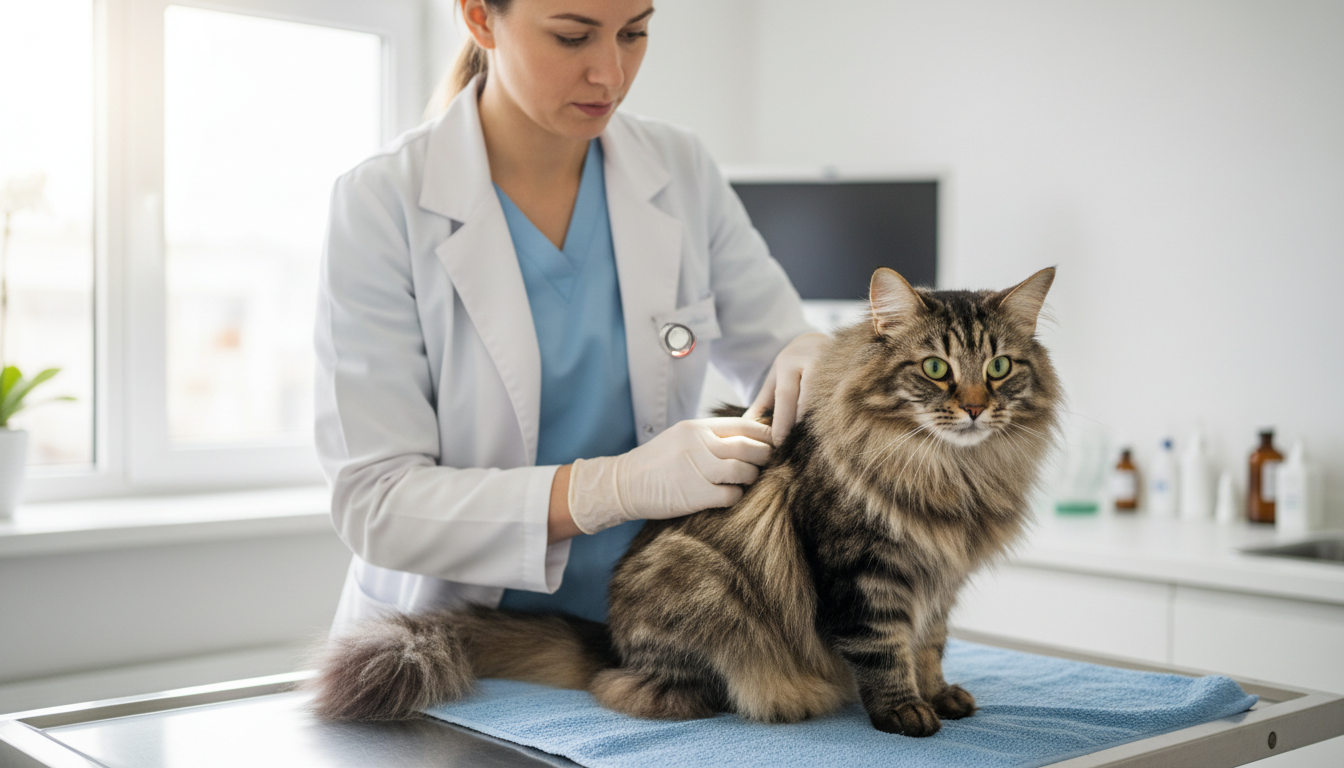
Diet’s Role in Coat Health
While grooming tools and technique matter enormously, coat health is also influenced by what’s going on internally. A balanced diet that supports skin and coat health can make the fur easier to manage and less prone to excessive dryness or breakage. If you notice a sudden change in coat quality, such as increased dullness, brittleness, or shedding beyond what’s typical for the season, it’s worth mentioning to your vet rather than assuming it’s purely a grooming issue.
Your vet can help determine whether a coat change is linked to diet, an underlying health condition, or simply a normal seasonal shift, and can recommend adjustments if needed. Because coat changes can sometimes be an early sign of a broader health issue, it’s better to ask than to wait and see.
Signs a Grooming Issue Needs Vet Attention
Most grooming challenges with this breed are manageable at home with patience and the right tools, but certain signs suggest it’s time to involve your vet. Persistent scratching, skin that looks inflamed under a mat, mats that seem to be pulling tightly on the skin, or a sudden change in coat condition are all reasons to schedule a visit rather than continuing to manage things solely at home.
Cats are also skilled at hiding discomfort, so if your cat seems unusually irritable during grooming sessions that used to be tolerated well, it may be worth considering whether pain, rather than simple dislike of brushing, is playing a role. Your vet can help rule out skin infections, parasites, or other underlying issues that might be making grooming more uncomfortable than it should be.
- Persistent scratching or licking at one area
- Skin redness or irritation discovered under a mat
- Sudden resistance to grooming that wasn’t there before
- Mats that seem tight against the skin or won’t loosen with gentle combing
Building Patience Into the Process
Grooming a Norwegian Forest Cat is a long-term commitment rather than a one-time task, and expecting perfection from the very first session sets both you and your cat up for frustration. Some cats take weeks or months to become fully comfortable with regular brushing, especially if they had a negative early experience with mats or a rushed grooming attempt. Slowing down, rewarding calm behavior, and accepting that some sessions will be shorter than planned all help build trust over time.
If you’re ever unsure whether a mat, skin issue, or behavior change is normal or something that needs medical attention, reaching out to your vet is always the safer choice. They can help you build a grooming plan suited to your specific cat and flag anything that goes beyond routine coat care.
This article is for general education and is not a substitute for care from your own veterinarian. Learn about The Pet Vet and our editorial policy.