
If your kitten is experiencing diarrhea, an online vet for kitten diarrhea can provide quick guidance and peace of mind without the stress of a clinic visit. Seeing your little one with loose stools is worrying, and you want answers fast—especially when you’re not sure if it’s something serious or just a digestive hiccup.
Table of Contents
- Why Kitten Diarrhea Happens: Common Causes
- When to Reach Out to an Online Vet for Kitten Diarrhea
- How Telehealth Works for Kitten Digestive Issues
- Home Care Tips While You Wait for Vet Guidance
- What to Expect From a Veterinary Diagnosis
- Nutrition and Diet Changes for Digestive Health
- Related Symptoms to Watch For
- Preventive Care to Reduce Future Diarrhea
- Why Telehealth is Ideal for Kitten Diarrhea Concerns
- Frequently Asked Questions
- What To Do Now
- Summary: Getting Your Kitten Relief Fast
This article is for informational purposes only and is not a substitute for professional veterinary advice. Always consult a licensed veterinarian for diagnosis and treatment.
The good news? Kitten diarrhea is incredibly common, and most cases resolve quickly with the right support. Whether it’s a dietary change, stress, or something that needs attention, a veterinarian can help you figure out what’s happening and what to do next. Telehealth makes getting that expert opinion easier than ever.
Why Kitten Diarrhea Happens: Common Causes
Kittens have sensitive digestive systems, and diarrhea can stem from many different sources. Understanding what might be causing it helps you feel more prepared when you talk to a vet.
Dietary changes are one of the most frequent culprits. If you’ve recently switched kitten food brands, introduced new treats, or changed their diet in any way, their digestive system may need time to adjust. This type of diarrhea often clears up within a few days once their system settles.
Stress and anxiety can also trigger loose stools in kittens. A new home, loud noises, or changes in their environment might upset their tummy. If your kitten seems anxious alongside diarrhea, you might want to explore online vet for kitten anxiety resources as well.
Parasites like roundworms and coccidia are another possibility, especially in younger kittens or those from shelters. These are treatable but do require veterinary diagnosis and guidance.
Infections—whether viral, bacterial, or fungal—can cause diarrhea too. Some are mild and self-limiting, while others need specific care. Catching this early puts you in a great position to help your kitten feel better quickly.
When to Reach Out to an Online Vet for Kitten Diarrhea
Not every case of loose stools requires an emergency visit, but knowing when to seek help is important. A telehealth appointment is a perfect first step if you’re unsure.
Mild diarrhea that lasts a day or two and doesn’t seem to bother your kitten much might resolve on its own. However, if the diarrhea persists for more than 2–3 days, it’s time to consult a vet. Persistent diarrhea can lead to dehydration, which is serious in young kittens.
Watch for these warning signs that warrant immediate veterinary attention:
- Blood or mucus in the stool
- Severe lethargy or weakness
- Repeated vomiting alongside diarrhea
- Loss of appetite for more than a few hours
- Abdominal pain or swelling
- Signs of dehydration (dry gums, sunken eyes)
If you notice any of these, don’t wait for a routine appointment—seek emergency care or call your vet right away. If you’re unsure whether your kitten needs urgent care, a quick telehealth check-in can give you peace of mind and help you decide next steps.
How Telehealth Works for Kitten Digestive Issues
An online vet consultation for kitten diarrhea is straightforward and often faster than scheduling an in-clinic appointment. Most telehealth platforms, including The Pet Vet, let you connect with a licensed veterinarian via video, phone, or chat within minutes.
During your appointment, the vet will ask detailed questions about your kitten’s symptoms, diet, recent changes, and behavior. They may ask you to describe the stool (color, consistency, frequency) and whether your kitten shows any other signs of illness.
Having this information ready makes the consultation more efficient. Take a quick photo of the stool if you can (yes, really—it helps!) and note when the diarrhea started and how often it’s happening.
Based on what you describe, the vet may recommend home care, suggest a diet change, or advise you to bring your kitten in for a physical exam and testing. Telehealth is especially helpful for ruling out simple causes and getting reassurance that your kitten isn’t in immediate danger.
Home Care Tips While You Wait for Vet Guidance
While you’re arranging a telehealth appointment, there are gentle steps you can take to support your kitten’s recovery.
Keep them hydrated. Diarrhea causes fluid loss, so make sure fresh water is always available. Some kittens respond well to bone broth (unsalted, kitten-safe) or electrolyte solutions made for pets.
Feed a bland diet temporarily. If your kitten is eating, offer plain, easily digestible foods. Boiled chicken (no seasoning) or a prescription digestive diet can help. Avoid rich, fatty, or spicy foods.
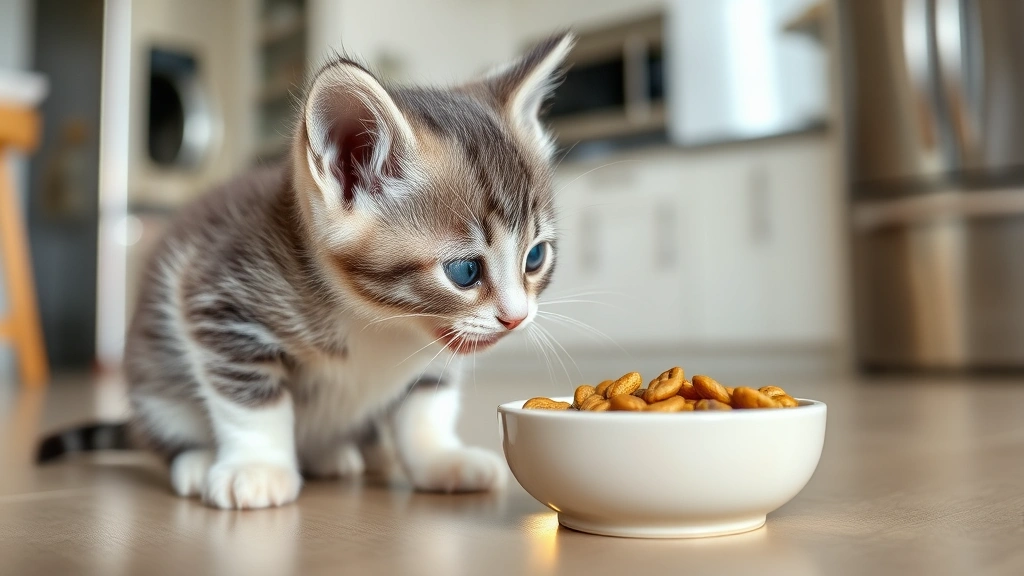
Keep the litter box clean. Frequent, thorough cleaning helps you monitor changes and reduces your kitten’s stress about bathroom habits.
Minimize stress. Create a calm, quiet space where your kitten can rest. Stress often worsens diarrhea, so gentle handling and a stable environment help.
Avoid over-the-counter medications. Don’t give your kitten any anti-diarrheal medications without vet approval. Some can be harmful to young cats.
What to Expect From a Veterinary Diagnosis
Once you speak with a vet, they’ll work with you to identify the cause and create a treatment plan. For many kittens, the diagnosis is straightforward, and relief comes quickly.
If dietary sensitivity is suspected, the vet might recommend a gradual food transition or a prescription diet designed for sensitive digestion. This often takes 1–2 weeks to show improvement.
If parasites are possible, the vet will likely recommend bringing your kitten in for a stool sample test. Treatment is usually simple and very effective once parasites are confirmed.
For infections, the vet may suggest supportive care (rest, hydration, bland food) or, if bacterial infection is suspected, may recommend further testing or specific treatments. You can talk to a vet about kitten diarrhea online to explore your options before committing to an in-clinic visit.
Nutrition and Diet Changes for Digestive Health
What your kitten eats plays a huge role in their digestive wellness. Once the acute diarrhea resolves, focusing on nutrition helps prevent future episodes.
High-quality kitten food with easily digestible proteins supports a healthy gut. Look for foods with named meat sources (chicken, turkey, fish) rather than vague meat by-products. Your vet can recommend brands they trust.
Gradual transitions are essential. If you need to change food, mix the new food with the old over 7–10 days, slowly increasing the ratio of new to old. Abrupt changes are a common trigger for diarrhea.
Some kittens benefit from foods with added probiotics or prebiotics, which support healthy gut bacteria. Discuss this with your vet to see if it’s right for your kitten.
Avoid feeding kitten table scraps, dairy (most cats are lactose intolerant), or foods toxic to cats like onions, garlic, or chocolate. Stick to kitten-formulated diets and vet-approved treats.
Related Symptoms to Watch For
Diarrhea sometimes appears alongside other signs that give your vet important clues. Being aware of these helps you provide complete information during your telehealth visit.
If your kitten is also vomiting, this combination suggests a more significant digestive upset. Learn more about this scenario by reading about asking a vet about kitten vomiting.
Lethargy (unusual tiredness) alongside diarrhea can indicate dehydration or infection. Check out resources on kitten lethargy to understand when this becomes concerning.
Loss of appetite, changes in behavior, or unusual breathing patterns are also worth mentioning to your vet. Even if they seem unrelated, they help paint a complete picture of your kitten’s health.
Preventive Care to Reduce Future Diarrhea
Once your kitten bounces back, prevention is your best tool. A few smart habits can significantly reduce the chances of diarrhea returning.
Keep up with regular vet checkups. Routine visits catch parasites, infections, and dietary issues early. Kittens especially benefit from frequent monitoring.

Maintain consistent feeding schedules. Kittens thrive on routine. Feed them at the same times each day and avoid sudden diet changes.
Ensure fresh water availability. Proper hydration supports digestive health and overall wellness.
Minimize stress triggers. Keep your kitten’s environment stable, provide hiding spots, and handle them gently.
Practice good hygiene. Keep food and water bowls clean, and clean the litter box frequently to reduce bacterial exposure.
Why Telehealth is Ideal for Kitten Diarrhea Concerns
Choosing an online vet for kitten diarrhea offers several advantages over traditional clinic visits, especially when you’re dealing with a worry-inducing symptom.
Speed is the biggest benefit. You can connect with a vet within minutes, not days or weeks. When your kitten is unwell, quick answers matter.
Telehealth reduces stress for your kitten too. Many young cats find car rides and clinic environments stressful, which can actually worsen diarrhea. A home-based consultation eliminates this anxiety.
Cost is often lower for telehealth consultations compared to in-clinic exams. If your kitten needs further testing or a physical exam, your vet will let you know, but many cases resolve with just a telehealth conversation.
Convenience means you’re more likely to seek help early. When it’s easy to reach a vet, you don’t delay—and early intervention often leads to faster recovery.
Frequently Asked Questions
Can an online vet diagnose kitten diarrhea?
An online vet can assess your kitten’s symptoms, rule out emergencies, and recommend next steps. However, some conditions require a physical exam or lab tests, which may necessitate an in-clinic visit.
Is kitten diarrhea ever an emergency?
Yes, if your kitten shows blood in stool, severe lethargy, repeated vomiting, or signs of dehydration, seek emergency care immediately. These warrant urgent attention, not just a telehealth appointment.
How long does it take for kitten diarrhea to resolve?
Mild diarrhea from dietary changes often resolves within 2–3 days. Parasitic or infectious causes may take 1–2 weeks with treatment. Your vet will give you a timeline based on the cause.
Should I change my kitten’s food if they have diarrhea?
Not necessarily immediately. Your vet will advise whether a food change is appropriate. If recommended, transitions should be gradual over 7–10 days to avoid worsening symptoms.
Can stress cause diarrhea in kittens?
Yes, stress is a common trigger for loose stools in kittens. Creating a calm environment and minimizing changes can help. If anxiety is severe, discuss it with your vet.
What To Do Now
- Schedule a telehealth appointment. Contact The Pet Vet or your preferred telehealth provider to connect with a licensed veterinarian within hours. Have your kitten’s diet, symptoms, and timeline ready to discuss.
- Monitor hydration and appetite. Ensure fresh water is always available and note whether your kitten is eating and drinking normally. Track stool frequency and appearance to share with the vet.
- Keep a symptom log. Write down when diarrhea started, how many times daily it occurs, and any other signs (vomiting, lethargy, appetite changes). This information helps the vet narrow down the cause.
- Avoid home treatments without vet approval. Don’t give medications, supplements, or dietary changes without guidance. Let the vet direct your approach based on your kitten’s specific situation.
- Prepare for possible in-clinic follow-up. If the vet recommends testing or a physical exam, schedule that appointment promptly. Early intervention often means faster recovery and lower treatment costs.
Summary: Getting Your Kitten Relief Fast
Kitten diarrhea is stressful, but it’s also one of the most manageable health issues you’ll face with a young cat. An online vet for kitten diarrhea gives you quick access to expert guidance without the hassle of a clinic visit.
Most cases resolve quickly once you understand the cause—whether it’s a simple dietary adjustment, stress reduction, or treatment for parasites. Telehealth makes it easy to get answers fast and keep your kitten comfortable while you figure things out.
Remember, you’re not alone in this. Millions of kitten parents have dealt with diarrhea, and vets see it every single day. By reaching out to a professional now, you’re taking the best possible step toward getting your little one back to their playful, healthy self.
Don’t hesitate to connect with The Pet Vet or another telehealth provider today. Quick action leads to quick recovery—and that’s something to feel good about.