
Noticing a skin rash on your kitten can be worrying, but getting help from an online vet for kitten skin rash is now easier and faster than ever. Your little furball’s itchy, red, or bumpy skin doesn’t have to mean a stressful trip to the clinic—you can connect with a licensed veterinarian from home in minutes.
Table of Contents
- Why Kitten Skin Rashes Happen: Common Causes
- When to Seek Help From an Online Vet
- What an Online Vet Can Do for Your Kitten’s Skin Rash
- Preparing for Your Online Vet Consultation
- Common Treatments and At-Home Care
- Dietary Factors and Skin Health in Kittens
- Preventing Future Skin Issues
- The Advantages of Telehealth for Kitten Care
- When You Need an In-Person Visit
- Managing Kitten Stress During Treatment
- Frequently Asked Questions
- What To Do Now
- Summary
This article is for informational purposes only and is not a substitute for professional veterinary advice. Always consult a licensed veterinarian for diagnosis and treatment.
Kittens are curious creatures, and their sensitive skin can react to all sorts of things. Whether your kitten is scratching constantly, showing patches of irritation, or developing unexpected bumps, understanding what’s happening and how to get quick professional guidance can put your mind at ease. Let’s walk through what you need to know about kitten skin issues and how telehealth can help.
Why Kitten Skin Rashes Happen: Common Causes
Kitten skin rashes aren’t always serious, but they do need attention. Young cats have developing immune systems, which means their skin can be extra sensitive to environmental triggers, parasites, or food sensitivities.
Fleas are one of the most common culprits, even if you don’t see them hopping around. A single flea bite can trigger an allergic reaction in some kittens, leading to intense itching and secondary skin damage. Catching this early puts you in a great position to help.
Other frequent causes include:
- Ringworm (a fungal infection, not an actual worm)—highly contagious and often shows as circular patches
- Mites—tiny parasites that cause intense itching and can affect the ears or entire body
- Allergies—environmental, food-related, or contact allergies can trigger rashes
- Bacterial infections—secondary infections from excessive scratching
- Dry skin—especially in low-humidity environments or with certain kitten breeds
Understanding the root cause is key to getting your kitten the right treatment, and that’s where professional guidance comes in.
When to Seek Help From an Online Vet
You don’t always need to rush to an emergency clinic, but you also shouldn’t wait weeks hoping a rash disappears on its own. The sweet spot is reaching out to a vet as soon as you notice the issue.
A good rule of thumb: if your kitten is scratching more than usual, showing visible redness or bumps, or if the rash spreads over a few days, it’s time to connect with a professional. If you are unsure whether your pet needs urgent care, a quick telehealth check-in can give you peace of mind — no appointment needed.
Seek immediate emergency care if your kitten shows:
- Severe swelling around the face or eyes
- Signs of infection (pus, warmth, foul odor)
- Extreme lethargy or fever
- Difficulty breathing
What an Online Vet Can Do for Your Kitten’s Skin Rash
Telehealth veterinarians are fully licensed professionals who can assess skin issues through video consultation, ask detailed questions about your kitten’s history, and provide guidance on next steps. They can help you identify whether the rash needs immediate in-person evaluation or if home management might work.
During a typical online consultation, your vet will:
- Ask about when the rash started and how it’s progressed
- Inquire about your kitten’s environment, diet, and recent changes
- Look at clear photos or video of the affected area
- Discuss any other symptoms (scratching intensity, behavioral changes)
- Recommend next steps—whether that’s home care, topical treatments, or an in-person exam
The convenience factor is huge. Instead of booking an appointment weeks out or sitting in a waiting room for hours, you get professional advice on your schedule. Talking to a vet about cat skin rash online has become a trusted first step for many kitten owners.
Preparing for Your Online Vet Consultation
Getting the most out of your telehealth visit means being prepared. A few minutes of setup can make the difference between a helpful consultation and a vague one.
Before your appointment, gather:
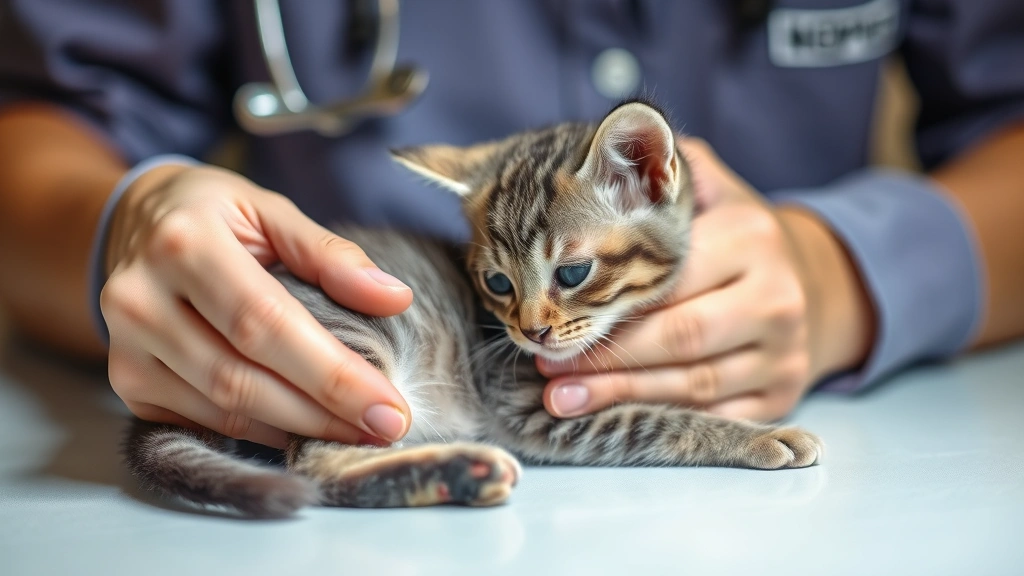
- Clear, well-lit photos of the rash from multiple angles
- A timeline of when symptoms started
- Information about recent diet changes or new environments
- Your kitten’s vaccination and flea prevention history
- A list of any other symptoms you’ve noticed
During the call, stay calm and descriptive. Your vet will ask follow-up questions, so being honest about your kitten’s behavior, appetite, and energy levels helps them form a clearer picture. Have your kitten nearby if possible so the vet can see them during the consultation.
Common Treatments and At-Home Care
Depending on what’s causing the rash, your online vet might recommend a combination of approaches. Many skin issues in kittens respond well to targeted care once you know what you’re dealing with.
Typical recommendations include:
- Flea prevention—even if you don’t see fleas, your vet may recommend a monthly preventative
- Medicated baths or washes—to soothe irritation and remove allergens
- Dietary adjustments—if food allergies are suspected, your vet may suggest an elimination diet or hypoallergenic food
- Environmental changes—reducing stress, increasing humidity, or avoiding irritants
- Topical ointments—to reduce itching and promote healing
Your vet won’t prescribe specific medications online without proper evaluation, but they can explain what options might help and whether an in-person visit is needed to dispense them.
Dietary Factors and Skin Health in Kittens
What your kitten eats directly impacts skin health. Nutritional deficiencies or food sensitivities can trigger or worsen rashes. High-quality kitten food with balanced omega fatty acids supports skin barrier function.
If your vet suspects a food allergy, they might recommend temporarily avoiding common triggers. Foods cats should avoid include certain fish, dairy, and grains—all potential allergens. Keeping a food diary for a week before your consultation helps your vet identify patterns.
Hydration matters too. Make sure your kitten has constant access to fresh water, as dehydration can worsen dry skin conditions.
Preventing Future Skin Issues
Once you’ve addressed your kitten’s current rash, prevention becomes the priority. Healthy skin habits now set the foundation for a lifetime of comfort.
Key prevention strategies:
- Year-round flea and tick prevention—don’t skip this even in winter months
- Regular grooming—brushing removes loose hair and allows you to spot issues early
- Clean living spaces—wash bedding weekly and vacuum regularly to reduce allergens
- Stress management—stress can trigger skin flare-ups, so provide enrichment and calm environments
- Quality nutrition—invest in high-quality kitten food formulated for skin health
Your online vet can recommend specific preventative products and schedules tailored to your kitten’s individual risk factors.
The Advantages of Telehealth for Kitten Care
Choosing an online vet for kitten skin rash offers real benefits beyond convenience. You get access to licensed veterinarians without the stress of car rides, waiting rooms, or exposure to other sick animals.
Telehealth is also ideal for anxious kittens or owners who want a quick preliminary assessment before committing to an in-person visit. Many kitten owners appreciate having a documented consultation they can reference later, and follow-up questions are often just a message away.
The Pet Vet and similar platforms have made quality veterinary care accessible to pet owners who might otherwise delay seeking help due to scheduling challenges or cost concerns.
When You Need an In-Person Visit
While telehealth is powerful, some situations require hands-on examination. Your online vet will be honest about this and guide you toward the right next step.

In-person visits become necessary if:
- The rash doesn’t improve after initial treatment recommendations
- Your vet needs to perform diagnostic tests (skin scraping, fungal culture)
- Prescription medications need to be dispensed and applied
- The rash shows signs of severe infection or systemic illness
Think of your online vet consultation as a smart starting point that often saves time and clarifies whether an urgent in-person visit is truly needed.
Managing Kitten Stress During Treatment
Stress can worsen skin conditions and make treatment less effective. Keeping your kitten calm during the healing process supports better outcomes. Cat calming supplements might be recommended by your vet if stress is a contributing factor.
Create a comfortable recovery environment by providing a quiet space, engaging toys, and consistent routines. Minimize handling of the affected area unless directed by your vet, as this can increase itching and irritation.
Patience is essential—skin healing takes time, and improvement may not be visible for a week or two.
Frequently Asked Questions
Can an online vet diagnose ringworm in my kitten?
An online vet can assess symptoms and recommend diagnostic tests, but definitive ringworm diagnosis usually requires a fungal culture performed at a clinic. However, a telehealth vet can often guide initial management while you arrange testing.
Is it safe to treat a kitten’s skin rash at home without seeing a vet?
Minor dryness might resolve with environmental changes, but most rashes benefit from professional evaluation to rule out contagious conditions like ringworm or parasites. An online vet visit is a low-pressure way to get guidance quickly.
How long does it take to see improvement after starting treatment?
Many kittens show improvement within 7-10 days of appropriate treatment, though some conditions take 2-3 weeks. Your vet will provide a timeline based on the underlying cause.
Can I use human skincare products on my kitten’s rash?
No—human products can be toxic to kittens or worsen irritation. Always use products recommended or approved by your veterinarian.
What’s the cost difference between online and in-person vet visits for skin issues?
Telehealth consultations are typically 30-50% less expensive than in-person visits and have no travel time. If an in-person exam becomes necessary, you’ll be referred with full context, potentially reducing unnecessary repeat consultations.
What To Do Now
Your kitten’s skin rash is treatable, and you have the tools to get fast professional help. Here’s your action plan:
- Gather information: Take clear photos of the rash, note when it started, and observe any patterns in scratching or other symptoms.
- Schedule a telehealth consultation: Book an appointment with The Pet Vet or your preferred online veterinary service within the next 24-48 hours.
- Prepare for your visit: Have your kitten’s medical history, vaccination records, and recent diet changes ready to discuss.
- Follow your vet’s guidance: Implement recommended treatments or next steps immediately, and note any changes in your kitten’s condition.
- Plan prevention: Ask your vet about year-round flea prevention and skin health strategies to prevent future issues.
Summary
Kitten skin rashes are common, but they shouldn’t be ignored. Getting help from an online vet for kitten skin rash gives you quick access to professional expertise without the stress of traditional clinic visits. Whether the rash is caused by fleas, allergies, fungal infections, or environmental factors, a licensed veterinarian can guide you toward the right solution.
Telehealth has revolutionized pet care by making it accessible, affordable, and convenient. Your kitten deserves prompt attention to their discomfort, and you deserve peace of mind. Talking to a vet about cat itching online is a practical first step that often leads to faster healing and better outcomes.
Don’t wait—reach out to a veterinarian today and get your kitten back to comfortable, happy playtime.