
If your veterinarian has recommended a pet fine needle aspirate for your dog or cat, you’re probably feeling anxious about what comes next. This minimally invasive diagnostic procedure sounds intimidating, but understanding what it is and why your vet needs it can help ease your concerns and empower you to make the best decisions for your furry friend’s health.
Table of Contents
- What Is a Pet Fine Needle Aspirate?
- Why Your Vet Might Recommend This Test
- How the Procedure Actually Works
- What Happens After Sample Collection
- Is a Pet Fine Needle Aspirate Safe?
- Understanding Your Results
- When a Pet Fine Needle Aspirate Might Not Be Enough
- Cost and What to Expect
- Preparing Your Pet for the Procedure
- Recovery and Aftercare
- The Emotional Side of Diagnostic Testing
- When to Consider Seeking a Second Opinion
- Frequently Asked Questions
- What To Do Now
- Summary
This article is for informational purposes only and is not a substitute for professional veterinary advice. Always consult a licensed veterinarian for diagnosis and treatment.
What Is a Pet Fine Needle Aspirate?
A pet fine needle aspirate is a quick diagnostic test where your veterinarian uses a very thin needle to collect a small sample of cells from a lump, bump, or organ in your pet’s body. Think of it as a gentle sampling technique—much gentler than a full biopsy. The needle is so fine that it causes minimal discomfort and typically requires no anesthesia.
The cells collected are then examined under a microscope or sent to a laboratory for analysis. This helps your vet identify what’s actually going on beneath the skin without putting your pet through invasive surgery.
Why Your Vet Might Recommend This Test
Vets recommend a pet fine needle aspirate when they find something unusual during a physical exam—a swollen lymph node, a skin mass, an enlarged organ, or an unexplained lump. The goal is simple: figure out what it is so you can move forward with the right treatment plan.
Common reasons include:
- Suspected tumors or cancer
- Enlarged lymph nodes
- Skin masses or growths
- Swollen organs visible on ultrasound
- Persistent infections or inflammatory conditions
- Unusual lumps or bumps that won’t go away
Catching potential health issues early puts you in a great position to help your pet get the care they need before things progress.
How the Procedure Actually Works
The procedure is straightforward and usually takes just a few minutes. Your vet will locate the area to be sampled (often using ultrasound guidance for internal organs) and gently insert the fine needle into the tissue. A small amount of cellular material is drawn into the needle, then withdrawn.
Most pets tolerate this remarkably well. Some may need mild sedation if they’re anxious or if the sample site is sensitive, but general anesthesia is rarely necessary. Your pet might feel a quick pinch, similar to a vaccine injection, but that’s usually the extent of the sensation.
The entire process—from preparation to completion—typically takes 10 to 15 minutes in your vet’s office.
What Happens After Sample Collection
Once the sample is collected, your vet will prepare it on a glass slide or place it in a preservative solution. Some practices examine it in-house under a microscope, while others send it to a specialized laboratory for a more detailed analysis called cytology.
Turnaround time varies. In-house results may be available within hours or the same day. Laboratory results typically come back within 3 to 7 business days, though urgent cases can be expedited.
Your vet will discuss the findings with you and explain what the results mean for your pet’s diagnosis and next steps in treatment or monitoring.
Is a Pet Fine Needle Aspirate Safe?
Yes—this procedure is considered very safe for pets. The needle is so thin that it rarely causes bleeding, infection, or significant discomfort. Complications are uncommon and usually minor when they do occur.
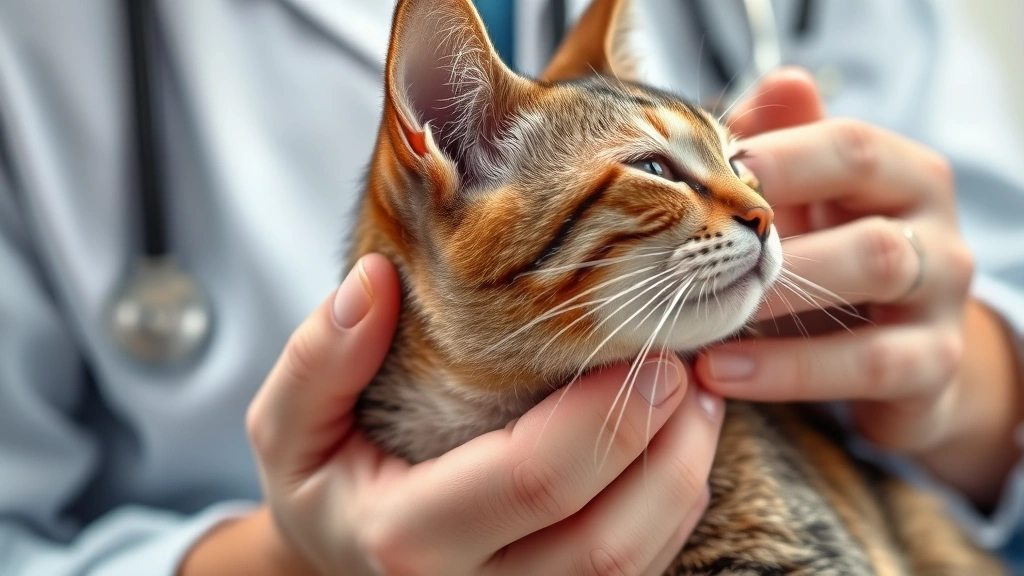
That said, there are a few situations where your vet might recommend caution or an alternative approach. If your pet is on blood thinners, has a bleeding disorder, or the mass is in a particularly sensitive location, your vet will discuss the best approach with you beforehand.
Your vet’s experience and your pet’s individual health status will guide whether a pet fine needle aspirate is the right choice.
Understanding Your Results
Results typically fall into a few categories. The sample might show benign (non-cancerous) cells, suggesting the mass is harmless. It could indicate infection or inflammation that responds to treatment. Or it might reveal cancerous cells, which opens the door to discussing treatment options with your vet.
Sometimes results are inconclusive, meaning the sample didn’t provide enough information. In those cases, your vet might recommend a repeat aspirate or a full biopsy for a definitive answer.
Understanding what your results mean is crucial—don’t hesitate to ask your vet to explain them in plain language. Many owners find it helpful to take notes or ask for written summaries to review at home.
When a Pet Fine Needle Aspirate Might Not Be Enough
While this procedure is incredibly useful, it has limitations. Sometimes the sample is too small or doesn’t capture enough tissue architecture for a complete diagnosis. In those cases, your vet might recommend a full biopsy, which removes a larger tissue sample under anesthesia.
A biopsy provides more detailed information and is often the gold standard for confirming cancer or complex conditions. Think of the fine needle aspirate as a helpful screening tool, and the biopsy as the more detailed investigation when needed.
Cost and What to Expect
A pet fine needle aspirate is one of the more affordable diagnostic options, typically costing between $200 and $500 depending on your location and whether the sample is analyzed in-house or sent to a laboratory. If your vet uses ultrasound guidance, the cost may be slightly higher but the accuracy improves significantly.
Many pet insurance plans cover diagnostic procedures, so check your policy. If cost is a concern, talk openly with your vet—they may have options or payment plans to help.
Preparing Your Pet for the Procedure
Most pets need minimal preparation. If sedation is planned, your vet will provide fasting instructions (usually no food for 6 to 8 hours before the appointment). Bring any recent imaging or test results to help your vet locate the sample site accurately.
On the day of the procedure:
- Arrive calm and reassuring—pets pick up on our anxiety
- Wear comfortable clothes so you can stay with your pet if allowed
- Have a list of questions ready for your vet
- Plan for a quiet recovery period at home afterward
- Watch for any unusual behavior or discharge over the next few days
Most pets go home the same day and resume normal activity within hours.
Recovery and Aftercare
Recovery from a pet fine needle aspirate is usually uneventful. Your pet might have a small bruise or slight tenderness at the sample site, but this resolves quickly. Keep the area clean and dry for the first 24 hours.
Avoid baths or swimming for a day or two if the site is on the skin. If your pet received sedation, they may be drowsy for a few hours—let them rest quietly at home. Most pets are back to their normal selves by the next day.
Contact your vet if you notice excessive bleeding, swelling, discharge, or signs of infection at the site.
The Emotional Side of Diagnostic Testing
Waiting for results can be stressful. You might worry about what the findings will show or feel guilty that your pet is going through this. Those feelings are completely normal. Remember that getting answers—whether reassuring or challenging—gives you the information you need to care for your pet properly.
If you’re feeling overwhelmed, reach out to your vet team. They’re there to support you through the process. If you are unsure whether your pet needs urgent care or want to discuss your concerns before scheduling, a quick telehealth check-in can give you peace of mind—no appointment needed.
When to Consider Seeking a Second Opinion
If your pet’s results are unexpected or you’re unsure about the recommended treatment plan, seeking a second opinion is reasonable and professional. Many vets welcome this approach because it ensures your pet gets the best possible care.
Ask your primary vet for a referral to a veterinary specialist or another practice. Bring all diagnostic results and imaging with you to the consultation.
Frequently Asked Questions
Does a pet fine needle aspirate hurt?
Most pets experience minimal discomfort—similar to a vaccine injection. The needle is extremely thin, and the procedure is quick. Some pets barely react.
How long does it take to get results?
In-house analysis may take hours to a day. Laboratory results typically return within 3 to 7 business days, with expedited options available for urgent cases.
Can a pet fine needle aspirate diagnose cancer?
It can suggest or confirm cancer in many cases, but sometimes a full biopsy is needed for a definitive diagnosis. Your vet will explain what the results show and next steps.
Is anesthesia required?
Not usually. Most pets tolerate the procedure without sedation, though mild sedation may be offered for anxious pets or sensitive locations.
What if the results are inconclusive?
Your vet might recommend repeating the aspirate or performing a full biopsy to get a clearer answer. Inconclusive results don’t mean the procedure failed—sometimes more information is simply needed.
What To Do Now
- Schedule a consultation with your vet to discuss whether a pet fine needle aspirate is appropriate for your pet’s situation and what to expect
- Write down your questions and concerns ahead of time so you don’t forget anything during the appointment
- Ask about cost and insurance coverage to plan financially and understand what’s included in the procedure
- Arrange a quiet space at home for your pet to recover comfortably after the procedure
- Plan for a follow-up appointment to discuss results and next steps in your pet’s care plan
Summary
A pet fine needle aspirate is a safe, quick, and minimally invasive way to get answers about lumps, bumps, or other health concerns in your dog or cat. While the procedure itself might feel scary to think about, the actual experience is usually gentle and well-tolerated by most pets. The real value lies in the information it provides—helping your vet make an accurate diagnosis so you can move forward with confidence and the best possible treatment plan.
Your vet recommends this procedure because they care about your pet’s wellbeing and want to catch potential problems early. By understanding what a pet fine needle aspirate is and why it matters, you’re already taking an important step in advocating for your pet’s health. Trust the process, ask questions, and remember that you and your vet are working together toward the same goal: keeping your furry friend healthy and happy.